
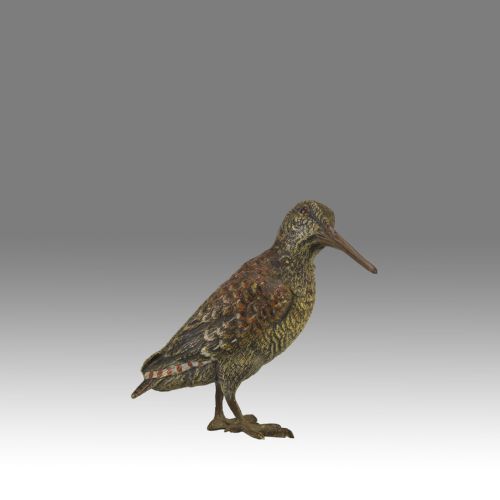
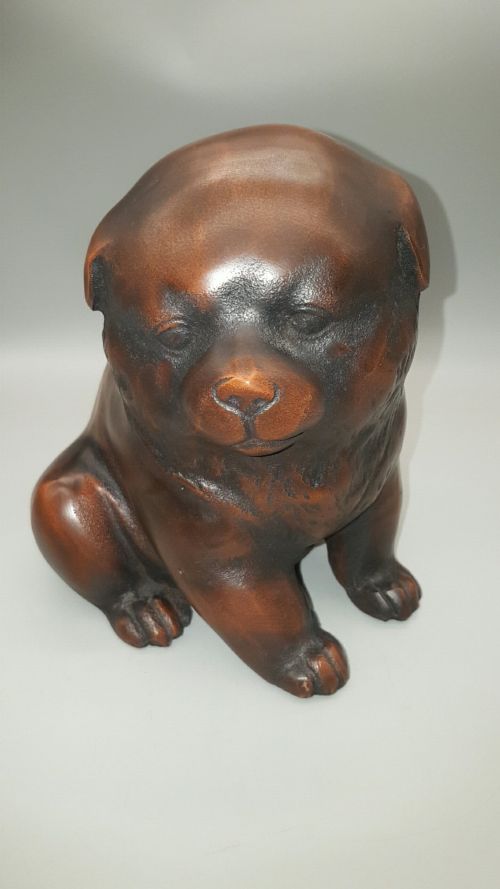
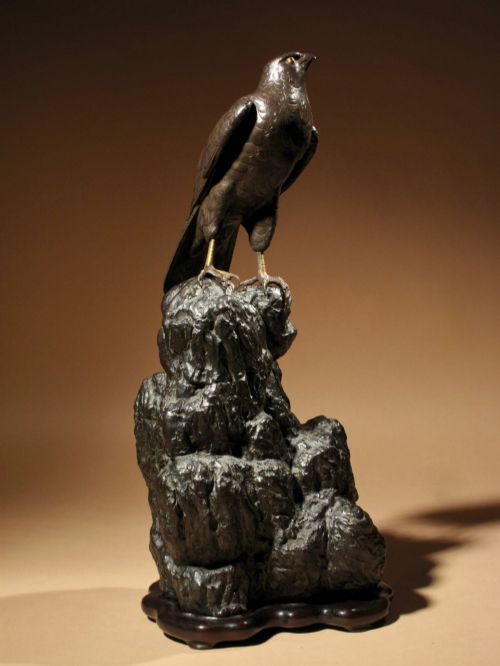
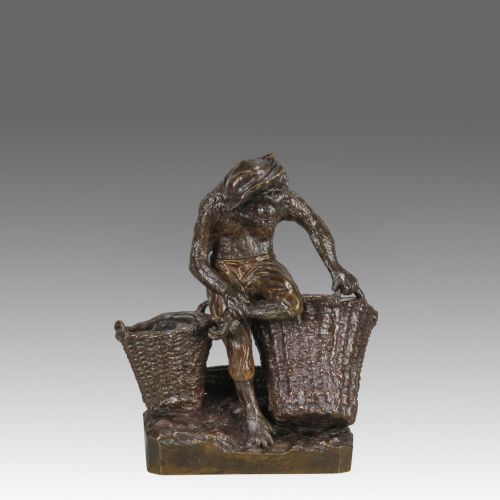
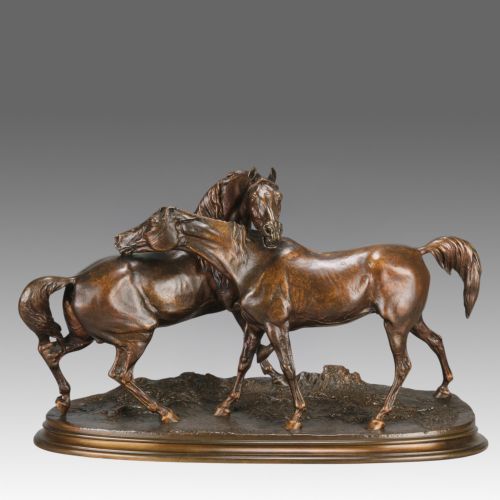
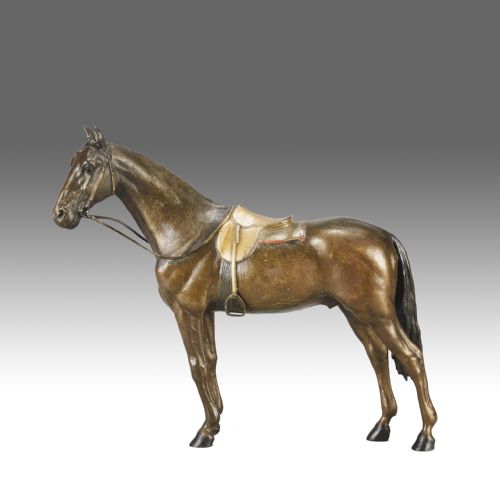
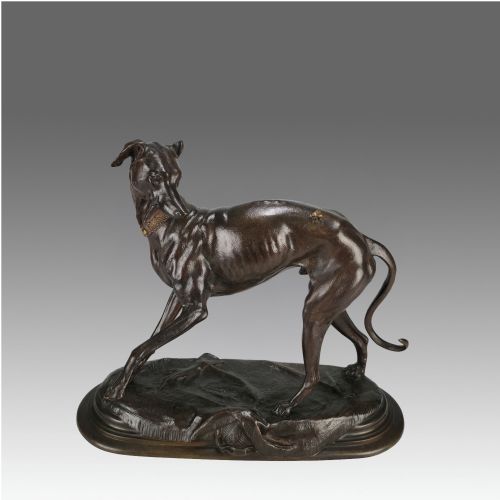
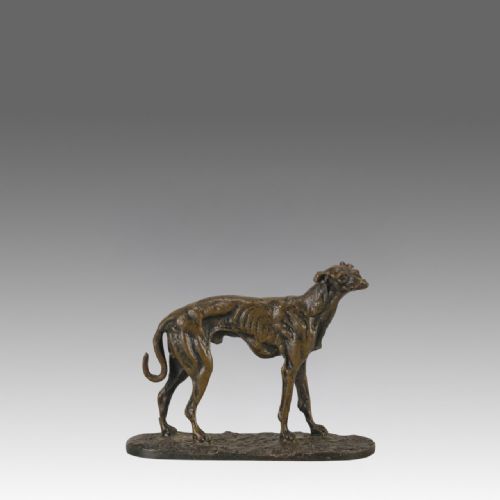

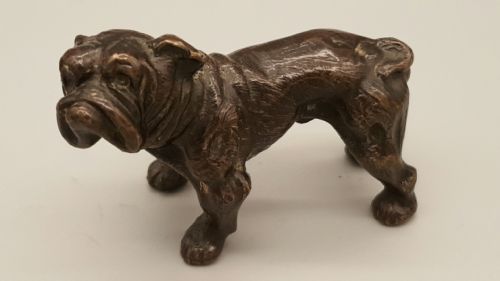


Brown Bronze Animal Statue
When you search for a brown bronze animal statue, you enter a world of foundry work capturing wildlife and domestic breeds across centuries.
How they were made
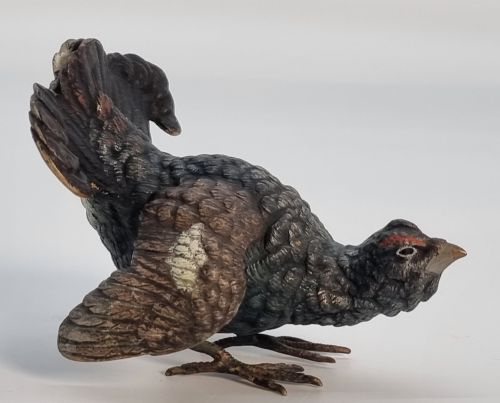
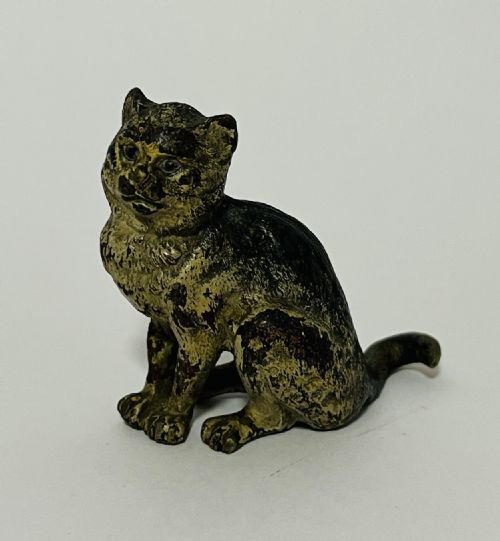
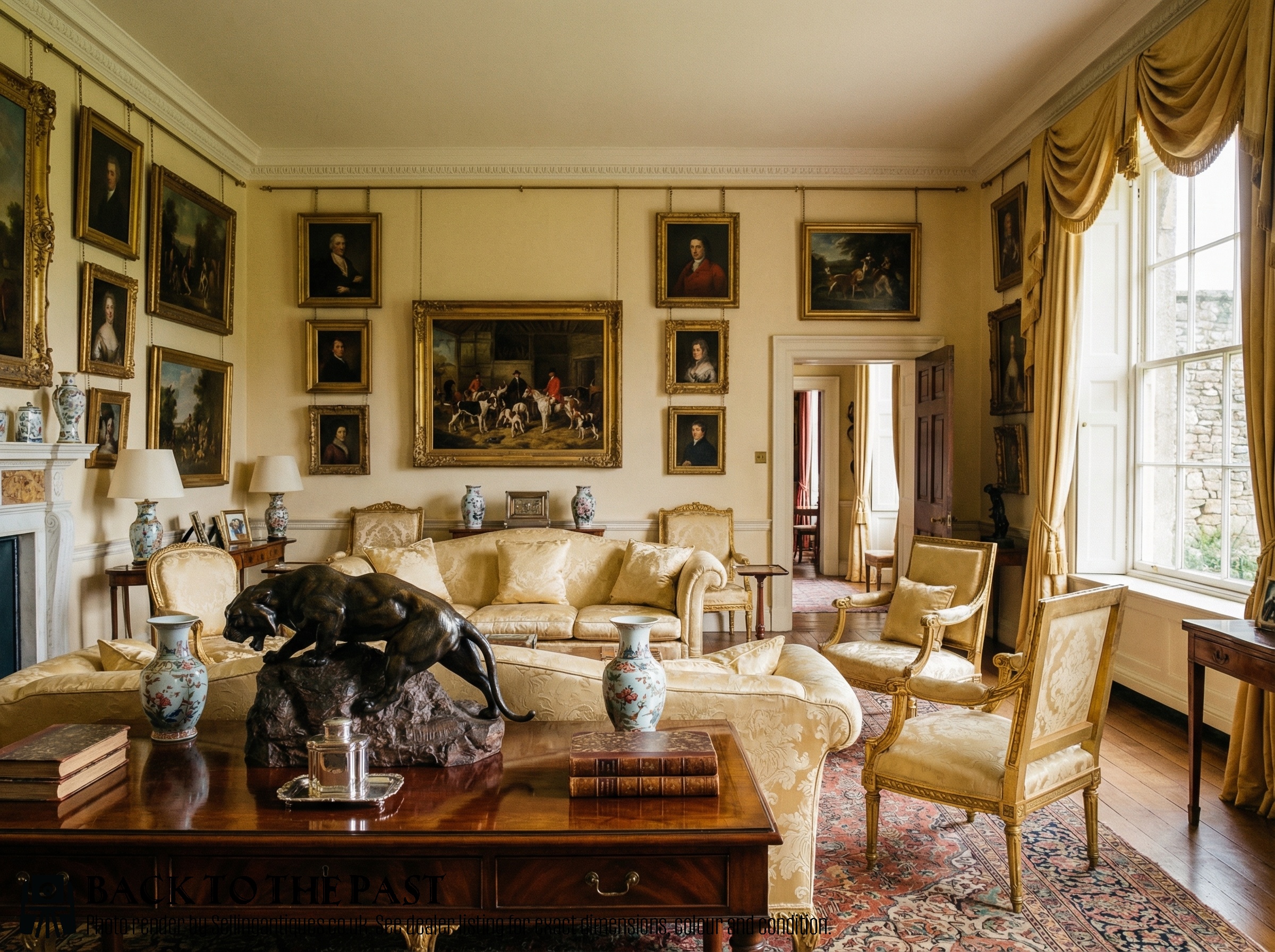
Foundries utilised the lost-wax casting method to capture intricate details in bronze, applying patinas to achieve deep brown tones. Certain Austrian works received supplementary cold-painted details applied over the metal surface after firing.
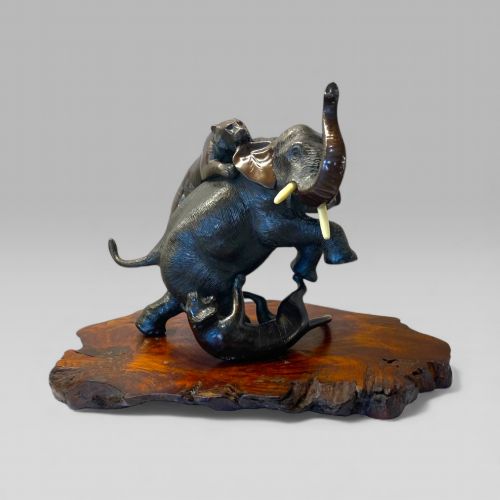
Many sculptures incorporate complementary materials such as marble or onyx for bases, while Japanese Meiji pieces often rely entirely on detailed bronze casting and patination without auxiliary plinths.
What varies in quality
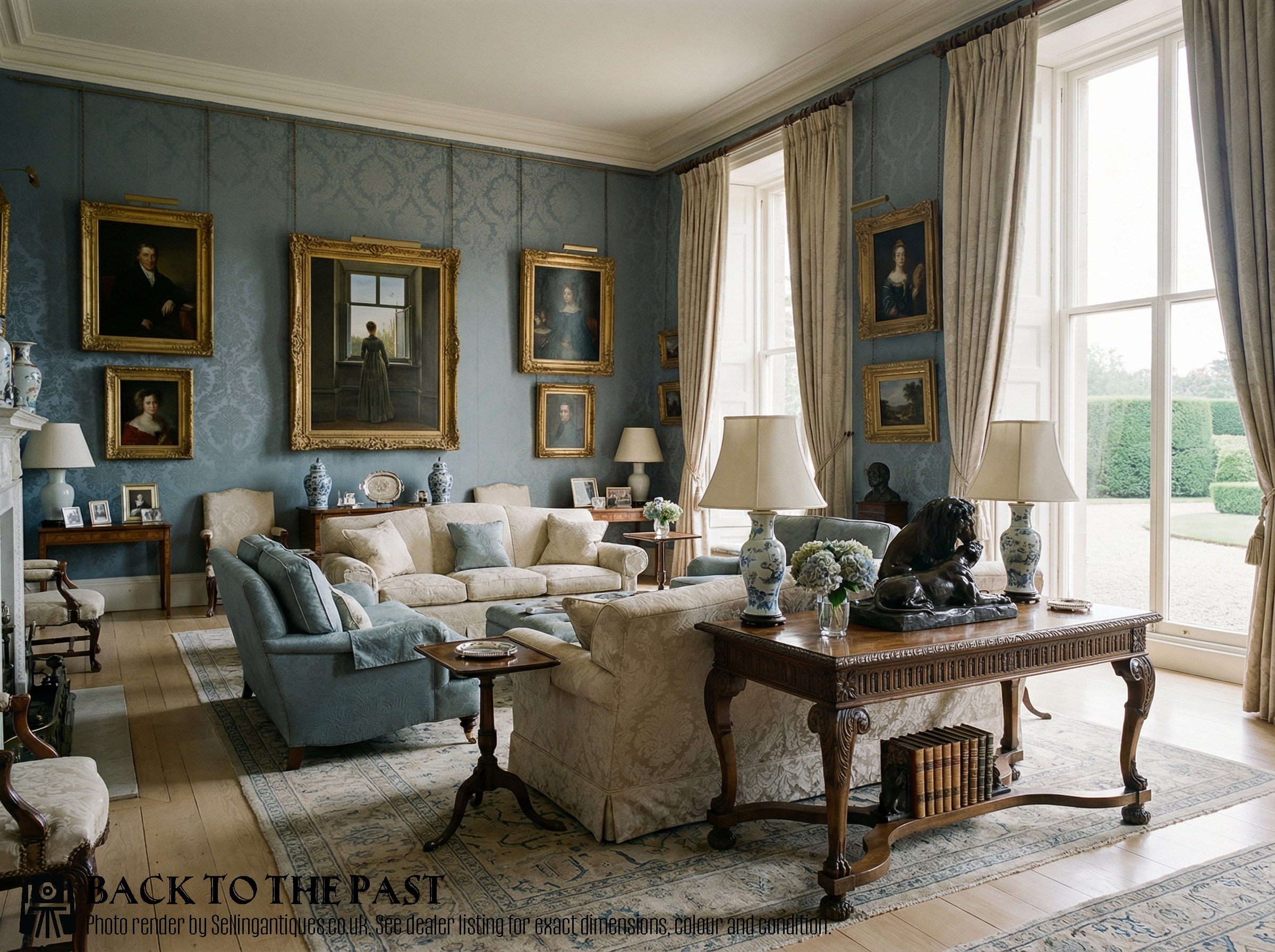
Quality rests in the crispness of the chasing and the fidelity of the musculature and fur texture. Superior casts retain sharp anatomical detail without softness or obscuration from the patina.
The integrity of the foundry signature and the depth of the applied patina distinguish finer works from later or more commercial reproductions.
Brown Bronze Animal Statue Retail Price Guide 2026
Typical asking prices for brown bronze animal statue among the pieces listed under this phrase on Sellingantiques today, from the lower quarter to the upper quarter. They describe what is for sale here now, not the wider market.
Listings span the nineteenth century through the 1930s, featuring materials such as bronze, spelter, marble, and bone.

Franz Bergman·Tsunemitsu·Christophe Fratin·P J Mêne·Alfred Barye·Clovis Masson·Edith Parsons·A L Barye·Auguste Nicholas Cain·Jules Moigniez·Arthur Waagen·G GARDET·Albert Hussmann·Antoine Louis Barye·Isidore Jules Bonheur·Alfred Dubucand·Louis Riche·Andrey
The Brown Bronze Animal Statue Glossary
- Animalier
- A nineteenth-century artistic movement focusing on the realistic portrayal of animals. Sculptors in this tradition studied living subjects closely at menageries.
- Cold-painted bronze
- A technique where paint is applied to a cold bronze object rather than fired in a kiln. This finish is delicate and easily damaged by moisture.
- Patina
- The surface coloration and sheen developed naturally over time or applied via chemical treatments. It protects the metal and gives the brown bronze animal statue its characteristic warmth.
- Okimono
- A Japanese decorative object designed for display on a shelf or tokonoma. These miniature sculptures often depict animals or historical scenes with extreme realism.
- Spelter
- A zinc alloy frequently used as a cheaper alternative to bronze during the Art Deco period. It takes patination well but is softer and lighter than true bronze.
Brown Bronze Animal Statue: Frequently Asked Questions
What is an animalier bronze statue?
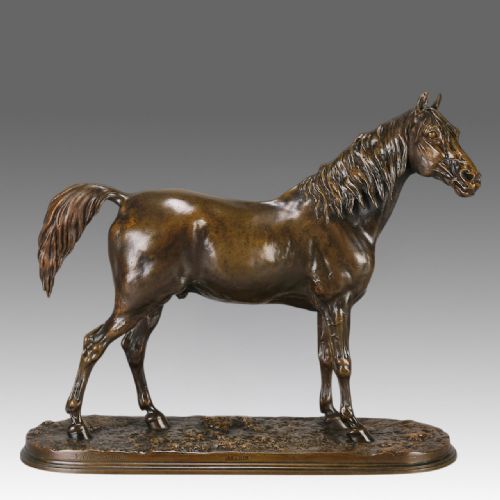
An animalier bronze statue is a nineteenth-century sculpture focused specifically on realistic animal forms. These pieces capture creatures in motion or repose with careful attention to natural anatomy.
French artists popularised this genre, creating works ranging from domestic dogs to large wild cats.
How do I care for cold painted bronze?
Cold painted bronze requires gentle dusting with a soft, dry cloth. Avoid all liquids, polishes, and cleaning agents because moisture strips the delicate paint layer.
Keep these pieces out of direct sunlight to prevent the painted surface from fading over time.
What is a Meiji period animal sculpture?
A Meiji period animal sculpture originates from late nineteenth-century Japan during the reign of Emperor Meiji. These works display exceptional metalworking skill, often depicting elephants, tigers, or wolves.
Japanese bronze artists during this era achieved international acclaim for their technical precision.
How do I distinguish bronze from spelter?
Bronze is heavier, harder, and rings with a distinct tone when tapped lightly, whereas spelter is a softer zinc alloy. Spelter often shows a lighter grey metal underneath worn areas of the patina.
Many Art Deco animal figures utilised spelter mounted on marble bases instead of traditional bronze.