


Brown Bay Horse Painting
A brown bay horse painting captures the enduring appeal of the equine form, offering a direct window into nineteenth and twentieth century sporting art.
Brown Bay Horse Painting
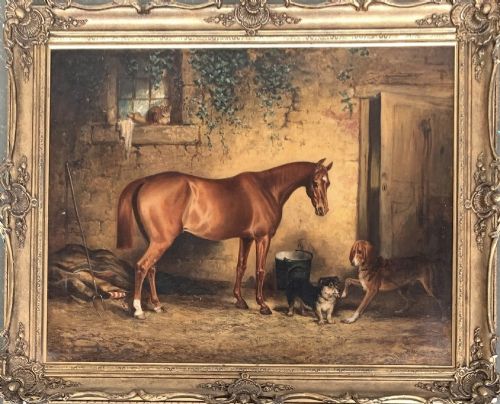
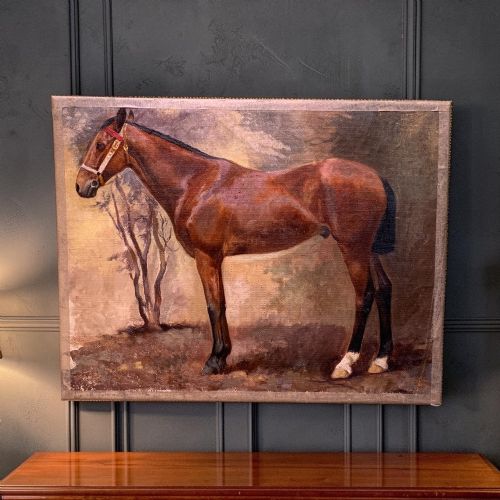
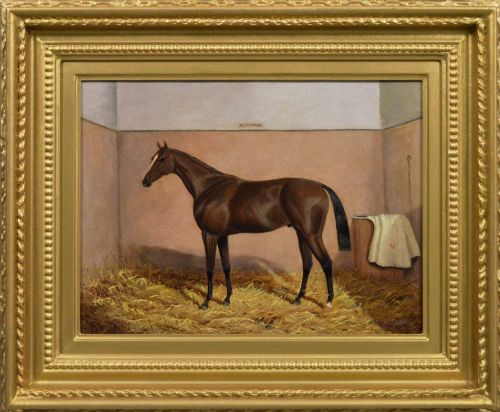
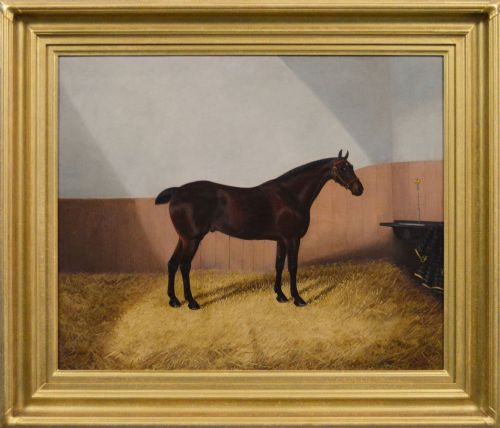
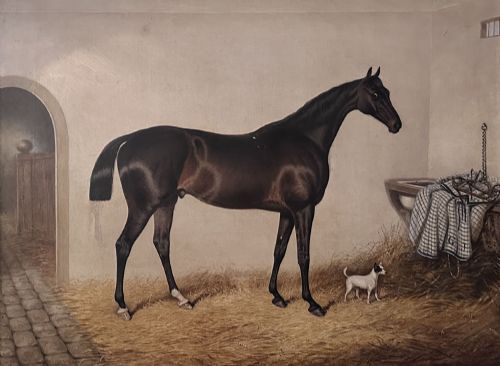
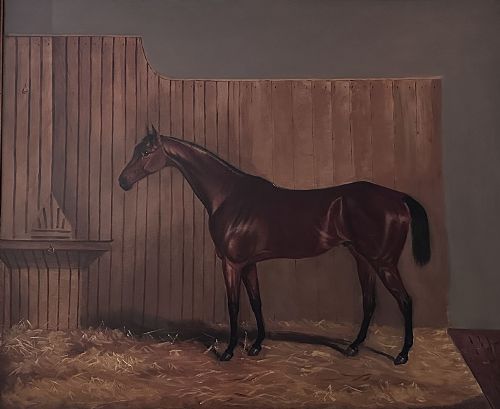
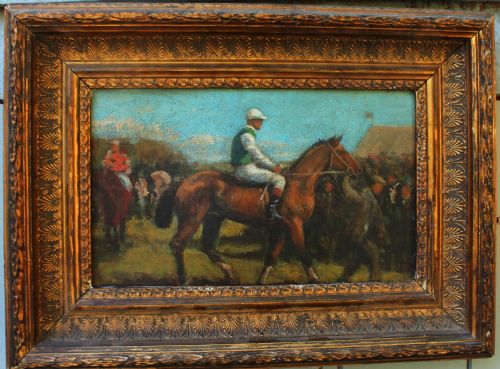
A brown bay horse painting portrays individual hunters, racehorses, and stable scenes executed in oil on canvas or panel. These works range from the nineteenth century into the mid twentieth century, encompassing Victorian sporting art and Edwardian equestrian studies.
The subjects frequently appear in formal portraits, stable interiors, or race paddock settings. Collectors encounter named thoroughbreds alongside anonymous hunters, often framed in period giltwood.
Works span regional British artists and continental founders, including sculptural interpretations in bronze alongside traditional paintings. The majority of pieces on this page draw upon nineteenth century traditions of equine portraiture.
Materials and Mediums
Oil on canvas forms the primary medium for these works, utilising oil paint applied to stretched canvas or wooden panels. Painters built up rich coats through layered glazes to render the distinct sheen of a bay horse coat.
Watercolour and gouache appear on paper for selected studies and works on paper. Frames are constructed from wood with giltwood or gilded wood finishes, complementing the warm tones of the painted subjects.
Several horses preserved in these oils likely outate their owners while enjoying superior stables.
Evaluating Quality
Anatomical accuracy and the rendering of muscle structure separate accomplished animal painters from competent amateurs. The best works capture the intelligent eye, realistic movement, and distinct conformation of the specific horse.
The treatment of light within stable interiors and paddock settings defines the atmosphere of the piece. Brushwork that successfully conveys the texture of the bay coat and leather tack indicates superior hand.
Henry Barraud·Albert Clark·Edward Lloyd of Ellesmere·Benjamin Cam Norton·Alfred Grenfell Haigh·Franz Bergman·James Barenger
The Brown Bay Horse Painting Glossary
- Bay
- A horse coat colour characterised by a reddish-brown body with black points on the mane, tail, and lower legs. This specific coloration forms the central subject of these works.
- Giltwood
- Wood that has been coated with gold leaf or a gold-coloured finish. It provides the decorative framing typical of nineteenth century and Edwardian paintings.
- Equine art
- Depictions of horses across painting, drawing, and sculpture. This genre holds a distinct place within sporting art traditions.
- Provenance
- The documented history of ownership of an artwork. It helps establish the identity of named racehorses and commissioners.
Brown Bay Horse Painting: Frequently Asked Questions
What is a stable interior painting?
Stable interior paintings depict horses housed within their stalls, often attended by grooms or surrounded by stable gear. These compositions highlight the close relationship between horses and their handlers.
Artists used the dark interior spaces to create dramatic lighting effects on the glossy coats of the animals.
How should I clean a giltwood frame?
Giltwood frames require gentle dusting with a soft dry brush to remove surface debris. Avoid liquid cleaners or chemical agents, as these can strip the delicate gold leaf finish.
Professional conservators should handle any repairs to cracked composition ornaments or worn gilding.
How do I date a nineteenth century oil painting?
Dating relies on examining the canvas stretchers, nail types, canvas stamp marks, and the artist's recorded active period. Style of dress on any human figures included in the scene also offers chronological clues.
Frame construction and framing methods provide secondary evidence to support the creation date.