




Framed Equine Fine Art
Framed equine fine art captures horses through oil on canvas across Victorian and early twentieth-century periods.
Framed Equine Fine Art
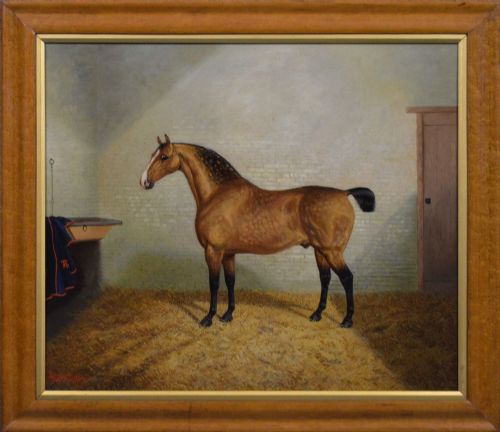
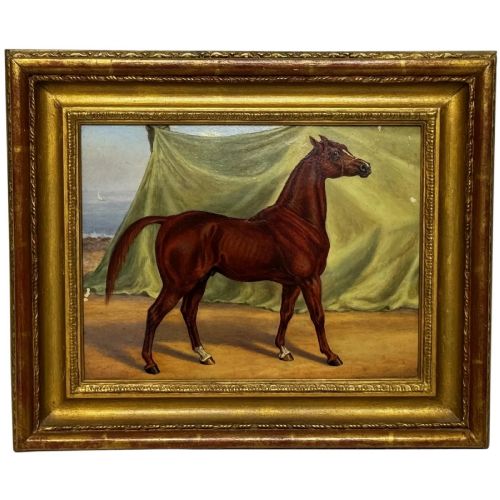
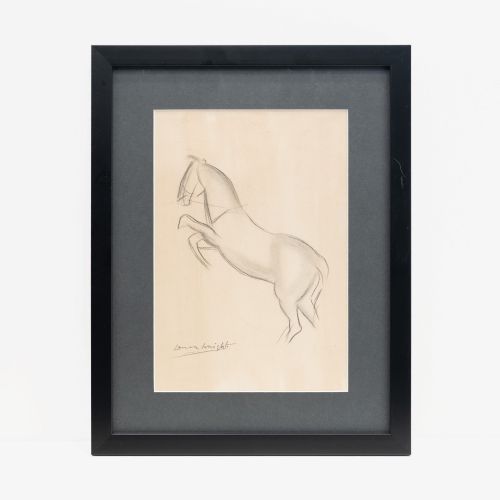
When you search for framed equine fine art, you encounter oil paintings on canvas depicting horses alongside landscapes, racing scenes, and farm animals. These works span the Victorian era, the nineteenth century, and the early twentieth century.
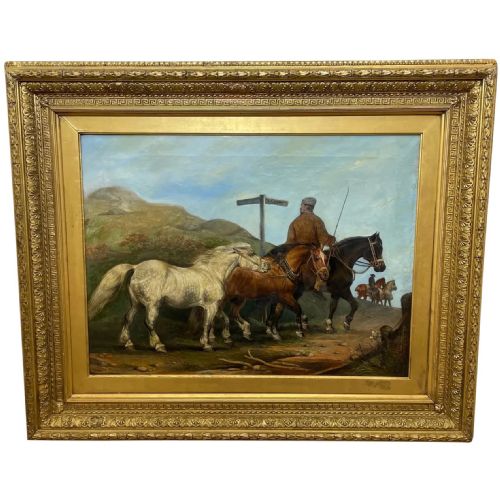
The pieces you meet most often on this page take the form of oil paintings housed in giltwood frames. Subjects range from individual portraits of purebred Arabian horses and racing champions to rural scenes with ploughmen and ponies near coasts.
How they were made
These works rely on oil paint applied to canvas, capturing texture and depth in the coats of horses and the surrounding landscapes. Wood provides the structural support for both the stretchers and the framing.
Giltwood frames enclose the paintings, providing a decorative border that complements the nineteenth-century and early twentieth-century aesthetic of the artwork.
What varies in quality
The distinction between works rests on the handling of subject matter, from the precise anatomy in racing portraits to the atmospheric depth in coastal or rural landscapes. Painters demonstrated varying degrees of command over light across canvas.
Framing also distinguishes the pieces, as original giltwood frames carry distinct craftsmanship that enhances the presentation of the oil paintings.
Albert Clark·Dame Laura Knight·Eugene Joseph Verboeckhoven·John Frederick Herring·Ernest Higgins Rigg·Edward Lloyd·George Cole·John Parker Davis
The Framed Equine Fine Art Glossary
- Oil on canvas
- A painting medium where pigment suspended in drying oil is applied to stretched woven fabric. This combination allows for rich blending of colour and enduring texture.
- Giltwood frame
- A wooden moulding coated with gold leaf or gold paint. These borders enclose and protect the canvas while adding decorative presence.
- Victorian Equestrian
- Artworks produced during the reign of Queen Victoria that focus specifically on horses. These pieces frequently document racing, stable portraits, or rural working animals.
- British Impressionism
- A late nineteenth and early twentieth-century painting movement focused on light and everyday subjects. Works in this style capture outdoor scenes with looser brushwork.
Framed Equine Fine Art: Frequently Asked Questions
What periods do these paintings cover?
The selection spans the Victorian era and the nineteenth and twentieth centuries, including specific dates from eighteen-fifty to nineteen-twenty.
This timeframe encompasses Victorian equestrian works alongside early modern British pieces and romanticism.
What materials are used in these works?
The pieces consist primarily of oil paint on canvas, supported by wood stretchers and housed within giltwood frames.
These materials reflect traditional painting and framing techniques from the nineteenth and early twentieth centuries.
What subjects appear in these artworks?
Subjects include individual horse portraits, racing scenes, and rural landscapes featuring horses with farm animals, pigs, ducks, or ploughmen.
Locations range from British country settings to international scenes in India and colonial contexts.
How do these pieces arrive framed?
The artworks are presented in giltwood frames made of wood.
These frames are matched to the oil paintings from their respective nineteenth or early twentieth-century periods.