
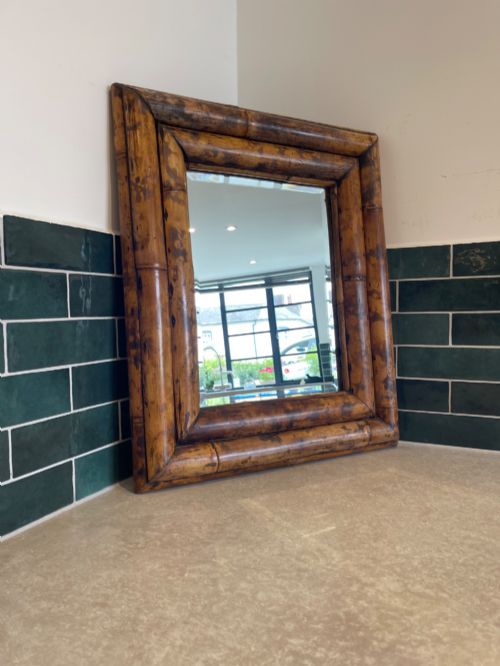
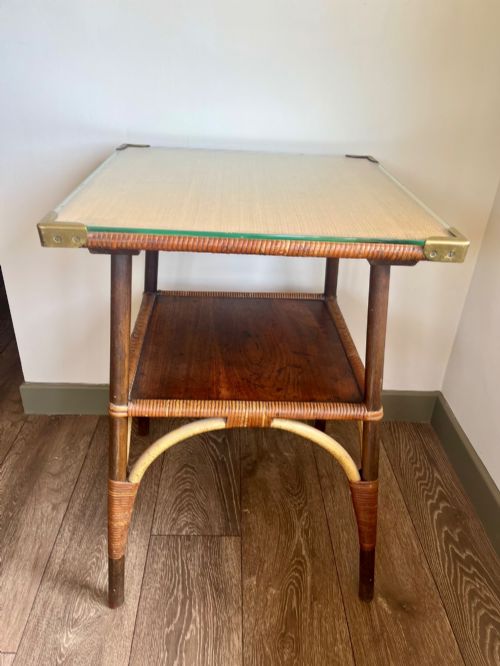


Brown Bamboo Cane
Brown bamboo cane pieces bring natural texture and nineteenth-century craftsmanship into a modern interior.
Brown Bamboo Cane
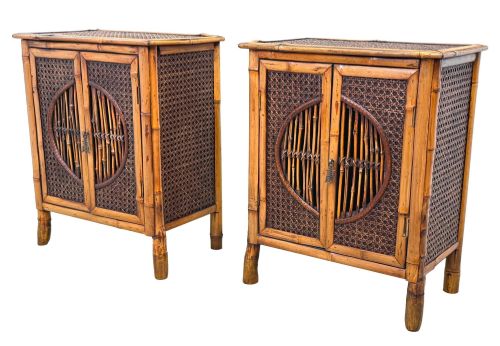
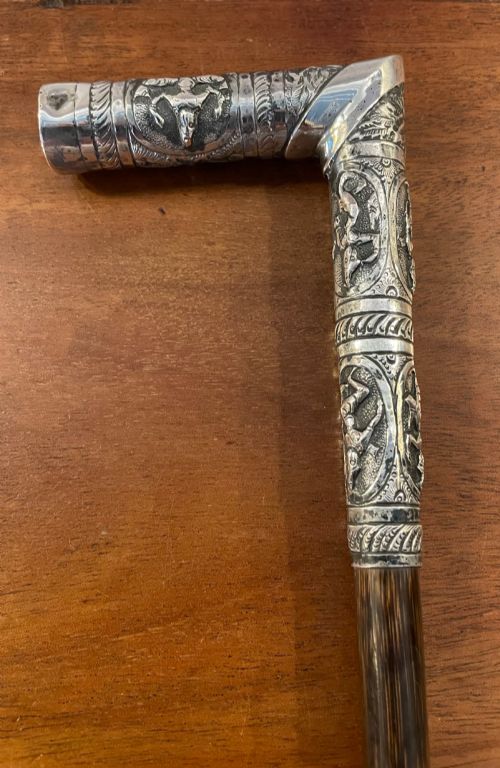
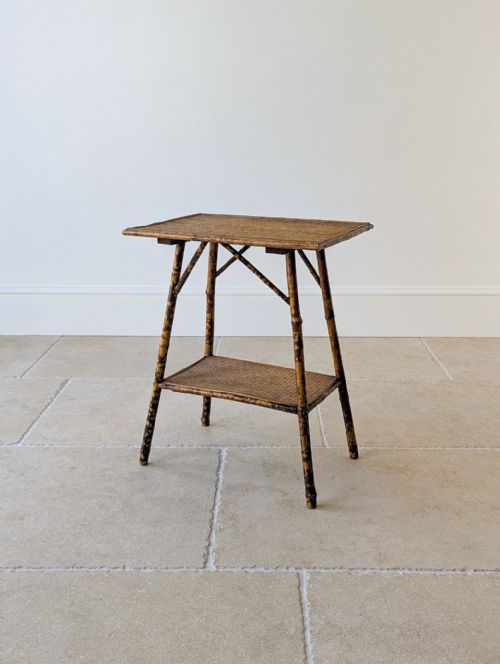
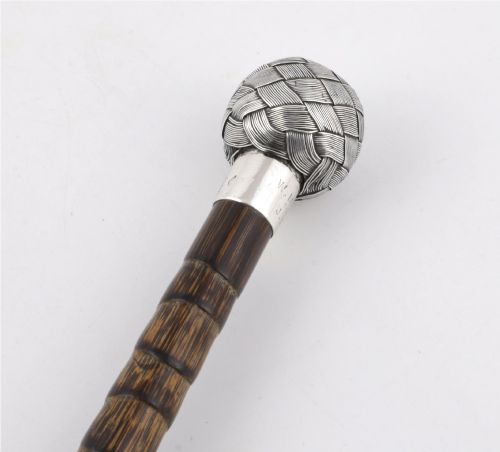
When you search for brown bamboo cane, you encounter a varied selection of nineteenth- and twentieth-century furniture and accessories. These items range from occasional tables and hall stands to walking sticks and seating.
The selection on this page relies heavily on Victorian and Edwardian examples, alongside Asian export items and Arts and Crafts designs. You will frequently find side tables, umbrella stands, and decorative chairs utilising these natural materials.
Many of these objects incorporate painted finishes, mirror glass, or woven cane seats alongside the primary bamboo structure. They reflect historical tastes for exotic materials and lighter, functional furnishings.
How they were made
Maker construction relies on natural bamboo poles and rattan cane, frequently paired with secondary woods and brass or silver details. Craftsmen shaped these pliable materials through heat and steam to achieve curved forms for furniture frames and walking sticks.
Surface treatments range from natural polished finishes to painted decoration and faux bamboo effects carved into solid timber. Joints were typically secured with pins, glue, and careful bindings of rattan or wire to ensure stability.
Periods represented in the available items span from the Regency era through the Victorian, Edwardian, and early twentieth-century decades.
What varies in quality
Quality in these pieces rests upon the integrity of the natural material and the precision of the construction. Tighter joints, intact cane work, and well-preserved surface finishes distinguish finer examples from simpler utility items.
The presence of precious metals, such as silver mounts on walking sticks, or the attribution to known firms elevates a piece's standing. Condition remains central, as dry cane or split bamboo alters the stability and appearance of the object.
Dryad Leicester·Liberty and Co
The Brown Bamboo Cane Glossary
- Bamboo
- A woody grass utilised for structural frames and decorative poles in nineteenth-century furniture. It provides lightweight strength and a distinctive segmented appearance.
- Cane
- The peeled bark of the rattan palm woven into supportive seats and panels. It offers flexibility and breathability for chairs and benches.
- Faux bamboo
- Timber painted or carved to imitate the segmented joints of natural bamboo. This technique was popular in Regency and Victorian workshops.
- Aesthetic Movement
- A late nineteenth-century design style emphasising visual beauty over narrative function. Pieces from this movement often incorporate Japanese-inspired forms and bamboo construction.
- Rattan
- A climbing palm used for weaving and binding structural components. It is valued for its pliability and durability.
Brown Bamboo Cane: Frequently Asked Questions
How do I clean bamboo furniture?
Dust regularly with a dry cloth to prevent dirt settling in the natural joints. Avoid harsh chemical cleaners that can dry out the plant material.
Condition the surface occasionally with a suitable natural wax or oil recommended for vintage cane and bamboo.
Are bamboo items strong enough for daily use?
Most nineteenth-century bamboo pieces were built for functional home use, but their durability depends on current condition. Items with tight bindings and solid frames handle regular seating or display well.
Place delicate items away from direct heat sources and excessive moisture to prevent the natural fibres from splitting.
How can I tell Victorian bamboo from later pieces?
Victorian examples frequently display darker finishes, Aesthetic Movement influences, and heavier construction using genuine bamboo poles. Maker marks or traditional joinery methods often point towards this earlier nineteenth-century origin.
Twentieth-century pieces tend to feature lighter or painted surfaces, reflecting changing domestic tastes and manufacturing methods.
What is faux bamboo?
Faux bamboo describes solid wood, such as beech or birch, carved and painted to replicate the characteristic nodes of real bamboo. This style appeared frequently in Regency and Victorian chair production.
Examining the underside or interior surfaces usually reveals the true timber beneath the decorative paintwork.