
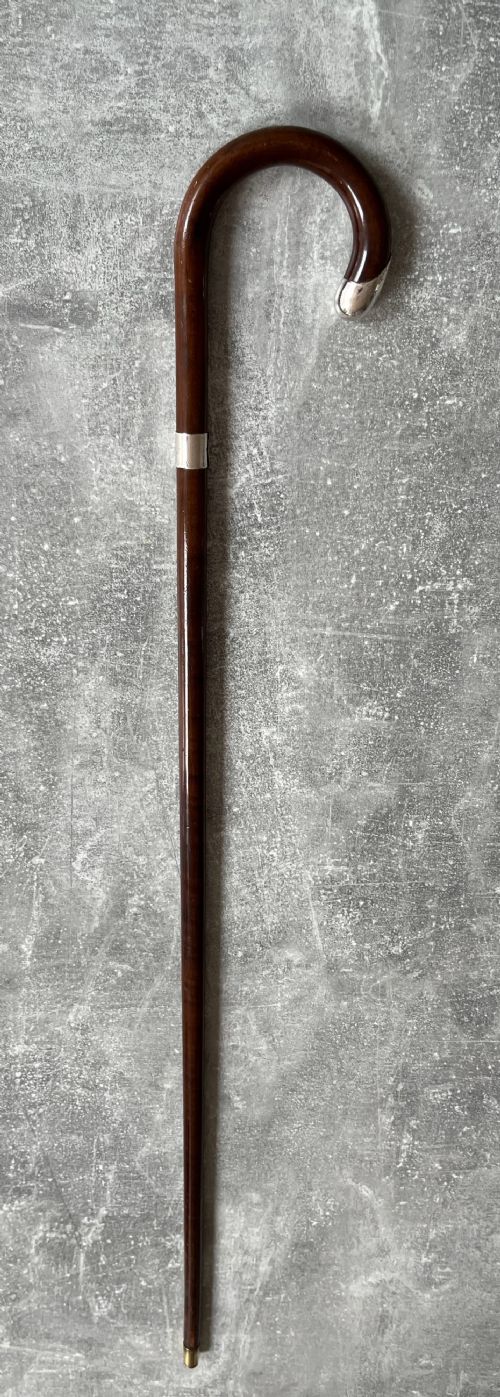


Edwardian Silver Dress Cane
These Edwardian silver dress canes combine functional support with refined handles, offering a distinct accessory for formal attire.
Edwardian Silver Dress Cane
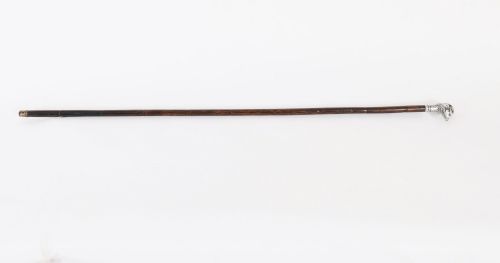
An edwardian silver dress cane is a walking stick featuring decorative metal work at the grip, commonly encountered from the early twentieth century. These items range from simple silver mounted shafts to more complex sword sticks and golf club shapes.
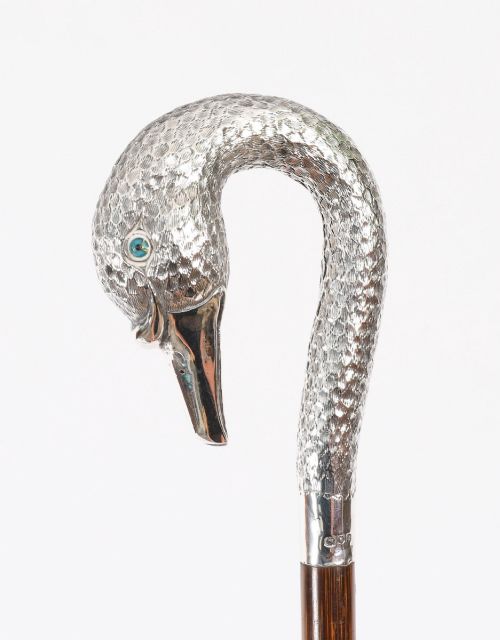
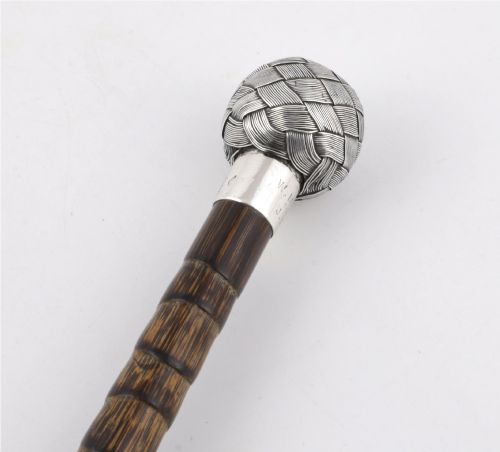
The materials span traditional hardwoods and bamboo alongside ebonised wood and palm wood. Handles frequently showcase detailed animal motifs like swan and duck heads, or intricate silver wire knots.
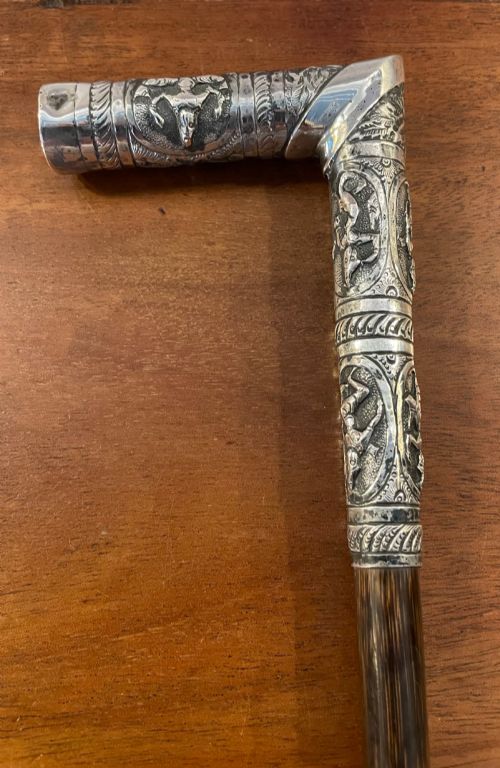
Origins stretch across British workshops and Asian export markets, reflecting the varied tastes of gentlemen during the period. Most examples date from around nineteen hundred to nineteen ten, capturing the formal style of late Victorian and Edwardian society.
How they were made
Makers fashioned the handles using solid silver, silver plate, or embossed metal, attaching them securely to shafts of bamboo, hardwood, or palm wood. Metal components often received detailed chasing or embossing to create bird heads, floral patterns, or geometric wire work.
Shafts were selected for straightness and durability, sometimes utilising ebonised oak or natural bamboo. Some advanced pieces incorporated hidden blades within the wooden shafts, creating functional sword sticks alongside standard walking canes.
Listings feature pieces incorporating silver, bamboo, ebonised wood, and palm wood across the Edwardian period.
What varies in quality
The distinction between standard walking sticks and finer dress canes lies largely in the artistry of the handle. Hand-embossed silver work and detailed animal carvings represent a higher level of craftsmanship than plain silver mounts.
Material choice also defines the grade of the piece, with solid sterling silver and exotic hardwoods generally marking superior examples compared to silver-plated mounts on basic timber shafts.
The Edwardian Silver Dress Cane Glossary
- Edwardian
- Pertaining to the reign of King Edward VII, spanning from nineteen hundred and one to nineteen ten. This era produced lighter and more refined styles compared to heavy Victorian designs.
- Silver Plate
- A thin layer of silver applied to a base metal core. This technique allowed makers to offer decorative handles at a lower cost than solid silver.
- Ebonised Wood
- Timber treated with a dark stain to resemble ebony. It provided a uniform and formal appearance for walking stick shafts.
- Malacca
- A type of rattan cane known for its strength and mottled brown finish. It was frequently used for high quality walking sticks during the period.
- Sword Stick
- A walking cane containing a concealed blade within the shaft. These pieces required precise engineering to ensure the blade locked securely inside the wood.
Edwardian Silver Dress Cane: Frequently Asked Questions
How do I date an Edwardian dress cane?
Dating relies on hallmarks stamped into the silver metal parts, which indicate the assay office and year of production. Stylistic clues such as handle motifs and shaft materials also help place the piece in the early twentieth century.
Makers often included dates or standard British hallmarks that correlate with specific years like nineteen hundred or nineteen o two. Comparing the craftsmanship to known examples from the same decade provides further confirmation.
What wood was used for the shafts?
Makers utilised a variety of natural materials including bamboo, palm wood, oak, and hardwood for the shafts. These timbers were chosen for their straight grain, flexibility, and strength under daily use.
Some shafts received ebonisation treatments to achieve a deep black finish suited to formal gentleman's attire. Others displayed the natural grain of exotic woods imported through British trade routes.
Are these canes strong enough to lean on?
Most dress canes were designed primarily as formal accessories rather than heavy orthopedic supports. While sturdy, antique items require gentle handling to preserve the joint between the silver handle and the wooden shaft.
Pieces incorporating hidden sword blades or intricate wire work are especially suited for collection and display rather than rigorous daily walking support.
How should I clean the silver handle?
Silver handles benefit from occasional gentle wiping with a soft, dry microfiber cloth to maintain their shine. Avoid harsh chemical polishes that can remove thin silver plating or damage surrounding wood.
Store the cane in a stable environment away from extreme humidity and direct sunlight to protect both the metal and the natural wood shaft.