



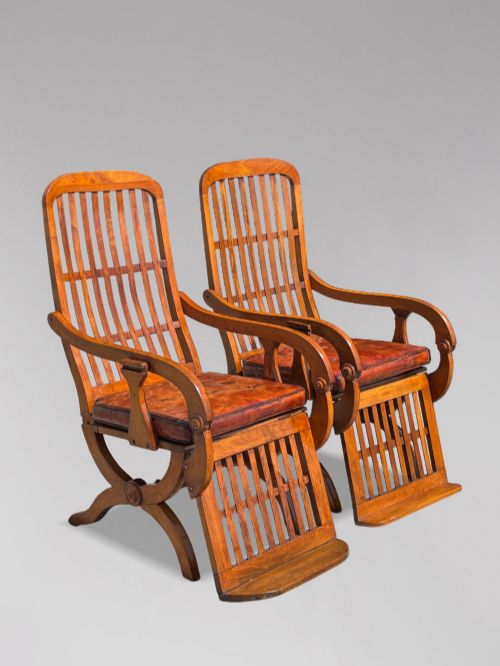
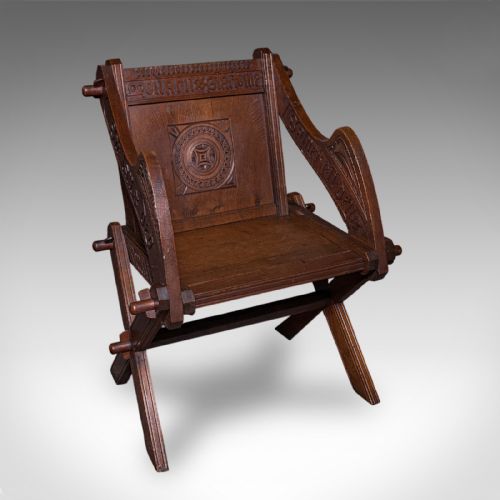
Brown Armchair Frame
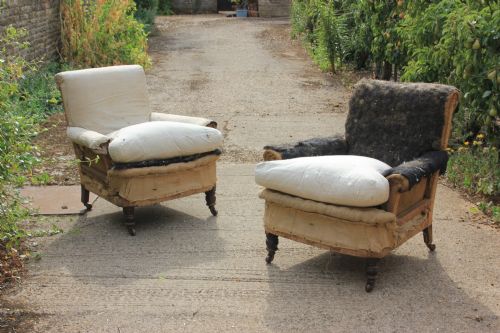
A brown armchair frame offers the skeleton of a seat, ready for upholstery or valued for its exposed wood.
Brown Armchair Frame
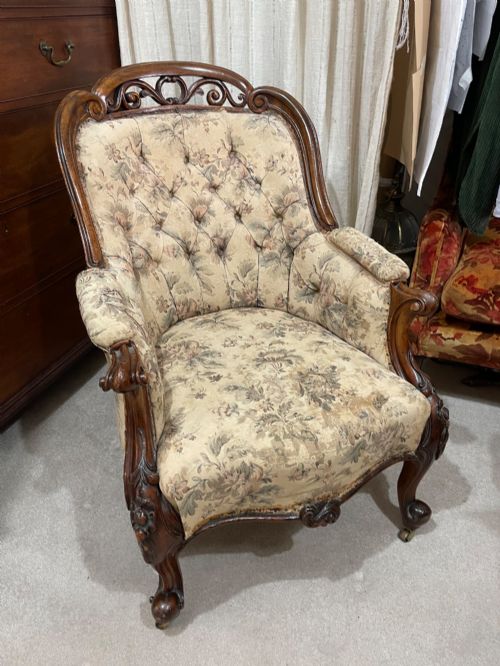
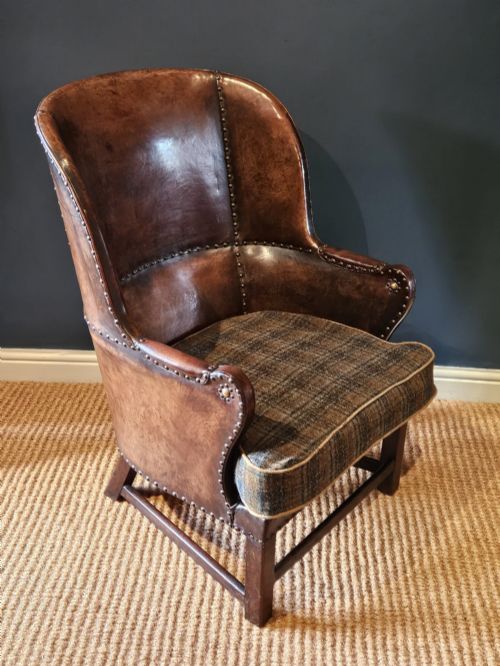
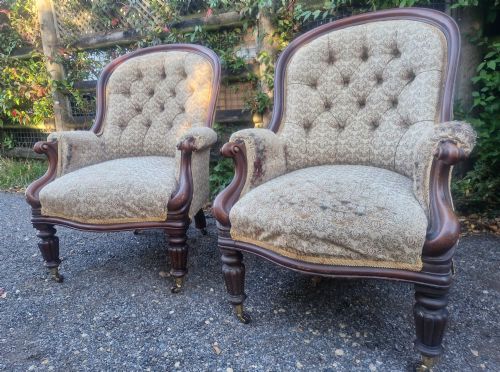
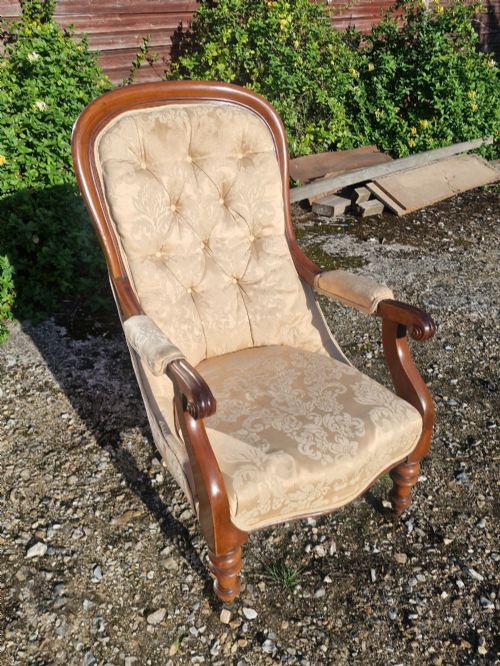
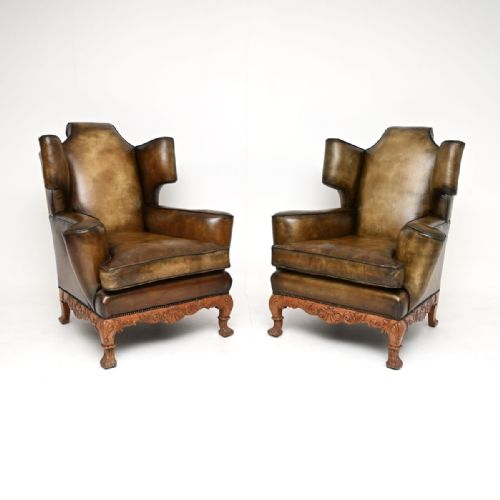
A brown armchair frame represents the structural timber base of a seat, typically constructed from mahogany, oak, walnut, or other hardwoods, and uncovered or partially exposed to show the grain. When searching for a brown armchair frame, a buyer encounters structural supports built to hold upholstery, leather, or cane, spanning periods from the Georgian era through the Victorian period and into the early twentieth century.
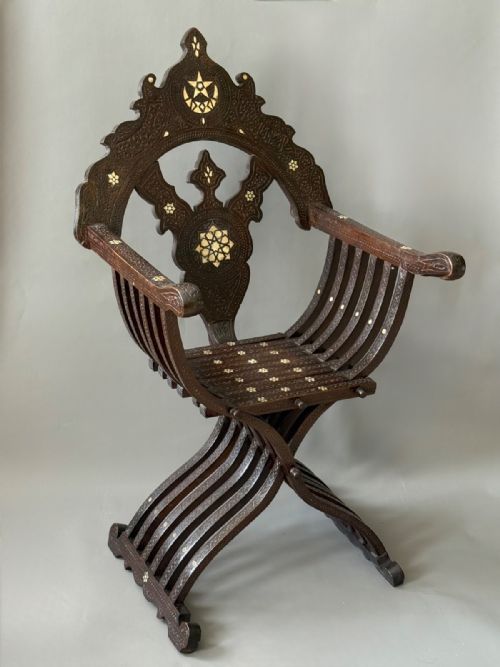
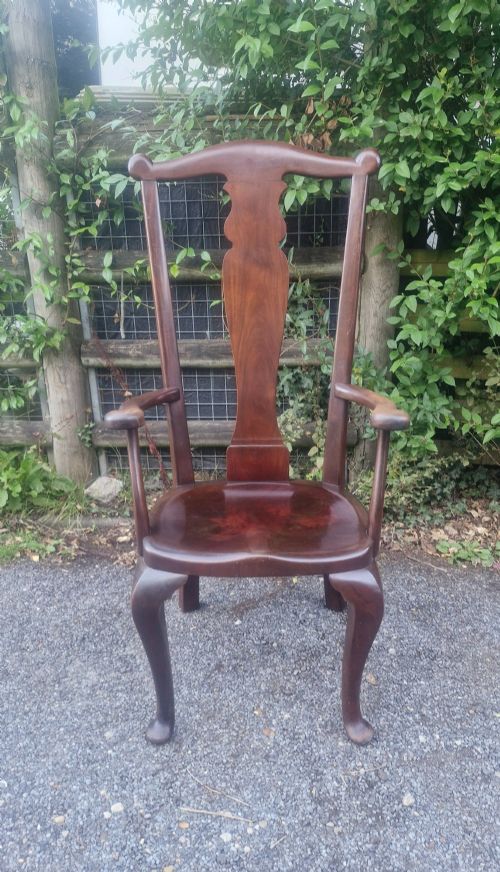
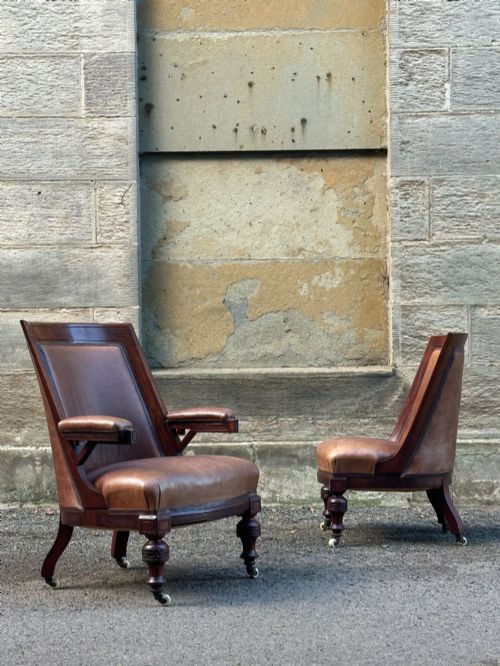
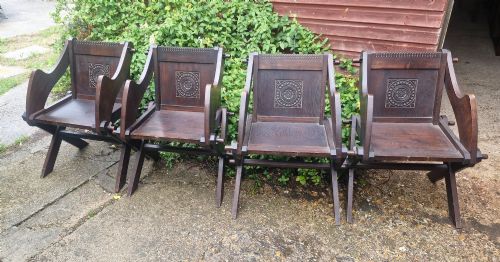
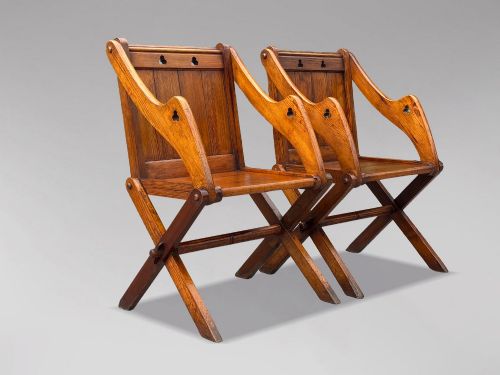
The pieces appearing on this page include library armchairs, wingbacks, nursing chairs, and specialised forms such as Glastonbury chairs and X-frame seats. Victorian and nineteenth-century examples dominate, alongside Edwardian and 1930s pieces, reflecting diverse stylistic influences from Gothic Revival and Greek Revival to simpler country-made elm and ash designs.
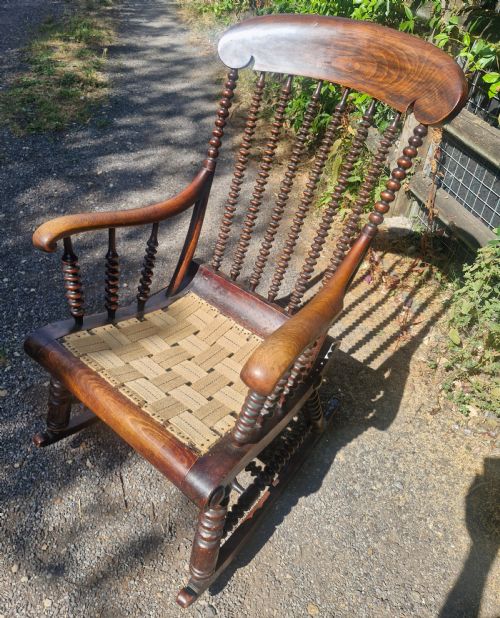
Many of these frames display the craftsmanship of earlier centuries through carved details, turned bobbin members, or mother-of-pearl inlay. Whether stripped back to the bare wood or retaining remnants of historical leather and fabric, these frames provide a solid foundation for restoration or display.
How they were made
Cabinet makers constructed these brown armchair frames using dense timbers such as mahogany, oak, walnut, pitch pine, and elm, selecting each wood for its strength and grain pattern. Joinery relied on traditional methods like mortise and tenon joints to ensure the structural integrity of heavy library and wingback chairs under daily use.
Surface ornamentation involved careful hand carving, steam-bending for curved elements like tub backs and X-frames, and turning on a lathe to produce bobbin or spindle details. Artisans also integrated decorative elements such as mother-of-pearl inlay directly into the wooden framework during the nineteenth century.
Support systems within the frame often incorporated webbing, hessian, and iron bracing, particularly in nursing chairs and reclining models. Exposed wooden areas received polish or wax finishes to protect the hardwood while highlighting its natural brown tones.
Brown Armchair Frame Retail Price Guide 2026
Typical asking prices for brown armchair frame among the pieces listed under this phrase on Sellingantiques today, from the lower quarter to the upper quarter. They describe what is for sale here now, not the wider market.
What varies in quality
The calibre of a brown armchair frame depends significantly on the selection of timber and the precision of its joinery. Superior examples utilise dense, well-seasoned hardwoods with tight grain patterns, whereas lesser pieces employ softer or more reactive woods that are prone to splitting.
Hand-carved detailing and complex forms, such as Gothic Revival tracery or intricate turning, separate master-carved seating from standard commercial production. The integrity of the original construction, including tight joints and balanced proportions, defines the upper tier of surviving frames.
Gillows
The Brown Armchair Frame Glossary
- Bobbin framing
- A method of woodturning that produces a series of rounded, spherical shapes resembling spools or bobbins along the vertical and horizontal structural members of a chair.
- Wingback armchair
- An upholstered seat featuring protective side panels attached to the backrest, designed to shield the occupant from drafts and retain heat from a fireplace.
- Carver chair
- An armchair traditionally placed at the head of a dining table or used as a standalone reading seat, often sharing stylistic traits with matching dining chairs.
- X-frame chair
- A seating form supported by intersecting diagonal wooden members that cross to form an X shape when viewed from the side, seen in nineteenth-century revival pieces.
Brown Armchair Frame: Frequently Asked Questions
What periods do these brown armchair frames come from?
The frames span the Georgian, Victorian, and Edwardian eras, extending into the early twentieth century around 1930. Nineteenth-century examples form the largest group.
Craftsmanship and stylistic revivals, such as Gothic and Greek Revival, help date individual pieces alongside specific wood choices like mahogany and oak.
How were these wooden frames originally used?
These frames served primarily as seating for libraries, studies, and drawing rooms, designed to support heavy upholstery, leather, or caning for daily comfort. Specialised forms included low nursing chairs for the fireside and reclining chairs for relaxation.
Many functioned as heavy library armchairs built to withstand long hours of reading and writing in formal domestic interiors.
Can I reupholster an antique armchair frame?
Most of these frames are structurally suited for new upholstery, provided the underlying timber and joints remain sound and stable. Traditional webbing, springs, and fabric can be fitted to match historical methods or modern preferences.
Consulting a professional restorer ensures the original wood frame is protected and properly balanced during the reupholstery process.
How do I identify a Gothic Revival armchair frame?
Gothic Revival frames typically feature architectural motifs such as pointed arches, quatrefoils, and heavy oak construction reminiscent of medieval church furniture. These elements often appear on Glastonbury chairs and nineteenth-century library seating.
The inclusion of inscribed wooden panels or rigid upright backs further points toward this distinct nineteenth-century revival style.