
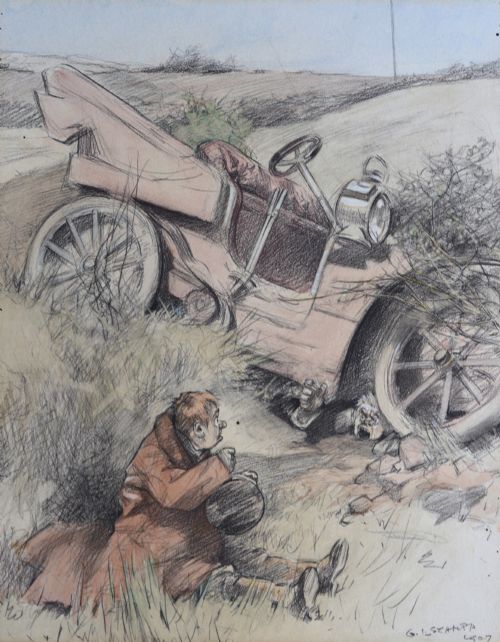
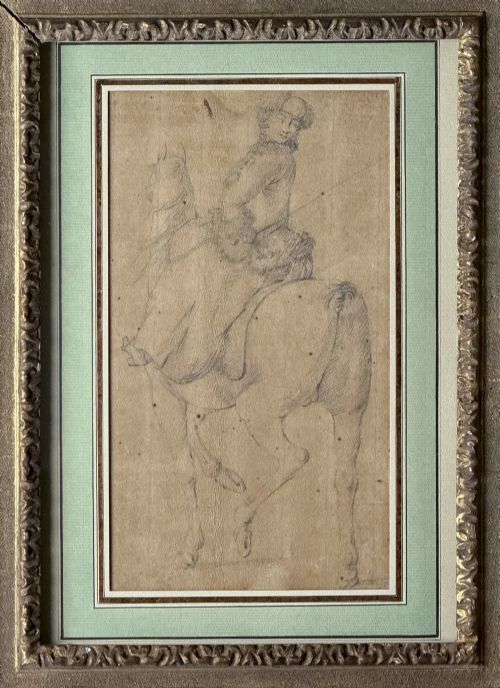
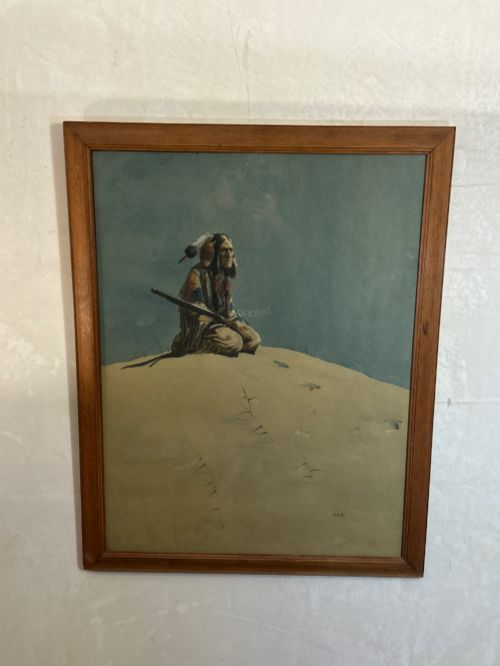
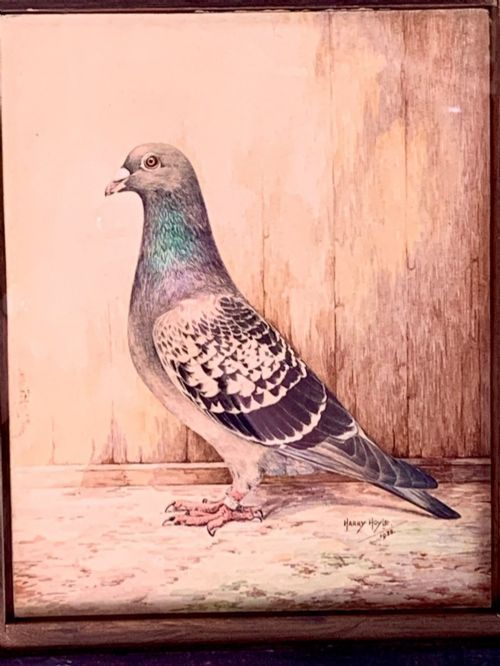
Brown Illustration
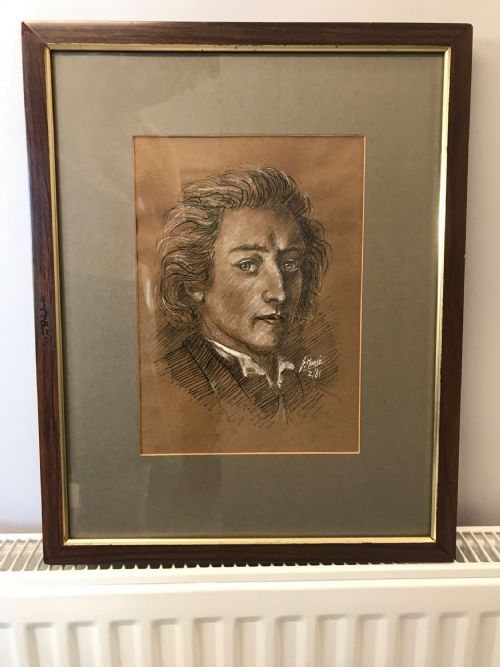
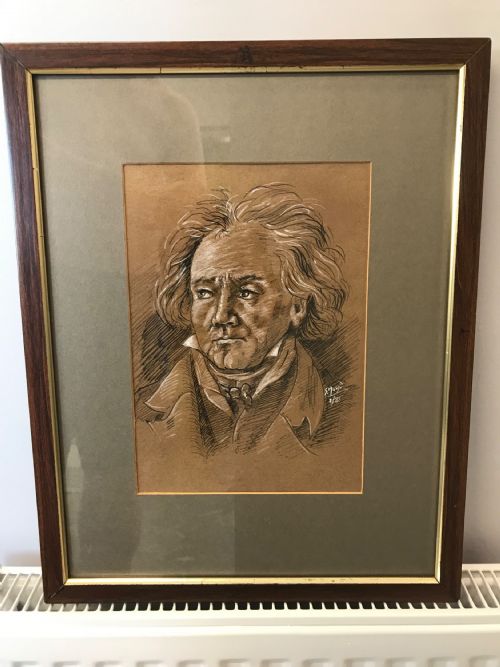
These brown antique illustration pieces bring historical artistry to walls through delicate works on paper.
Brown Illustration
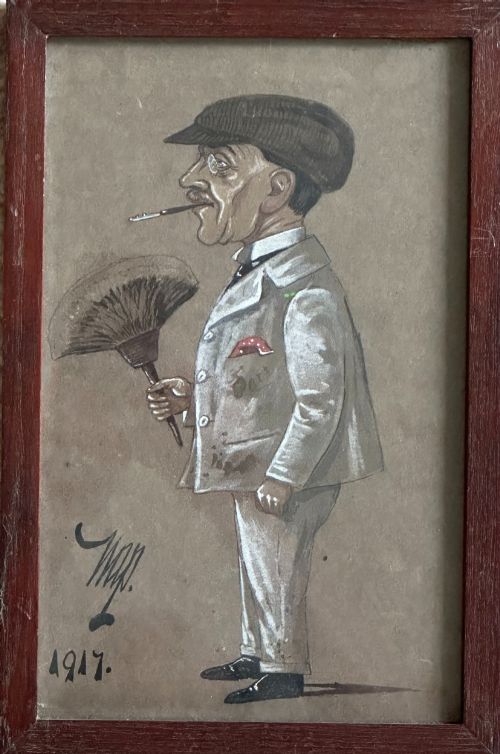
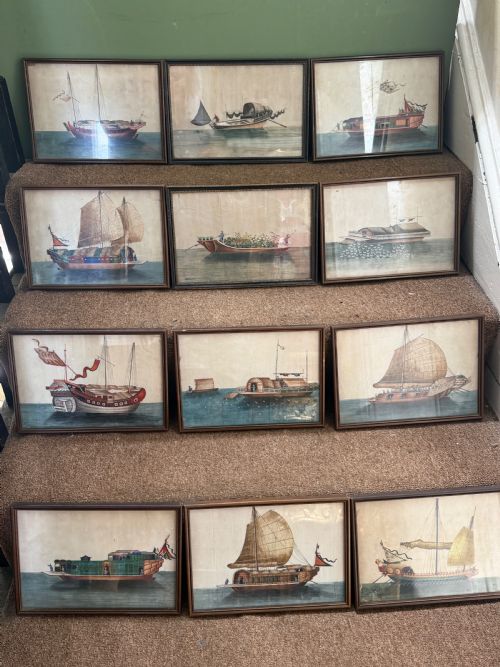
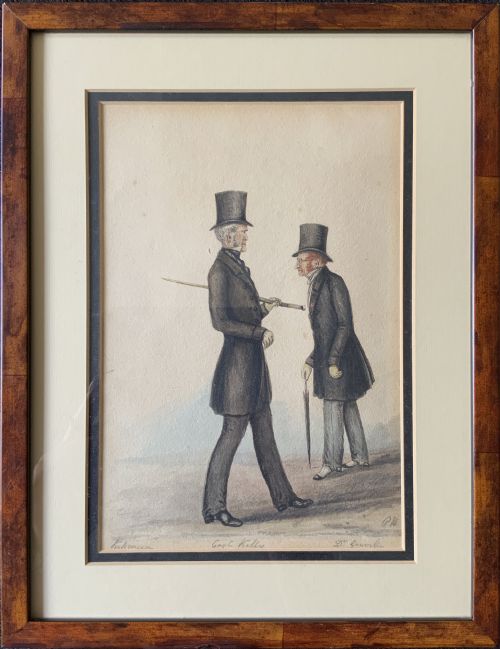
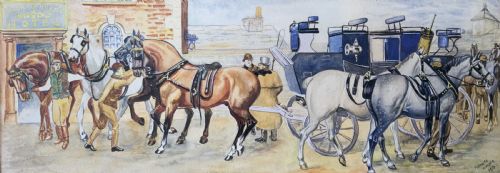
When you search for brown antique illustration, you are looking at historic works on paper that show the warmth of age through sepia tones, buff sheets and time-toned grounds.
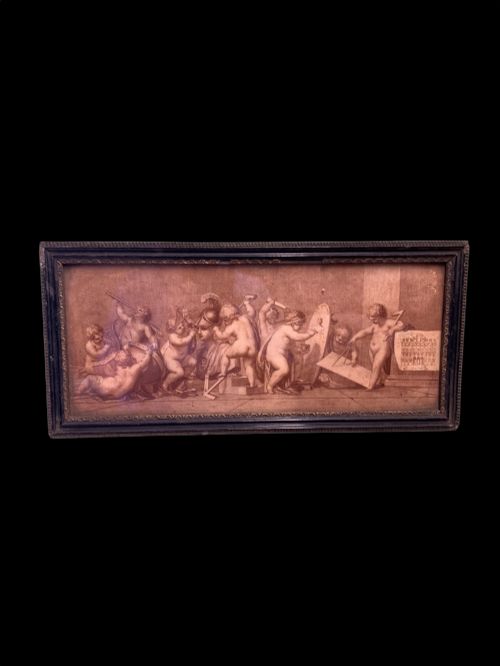
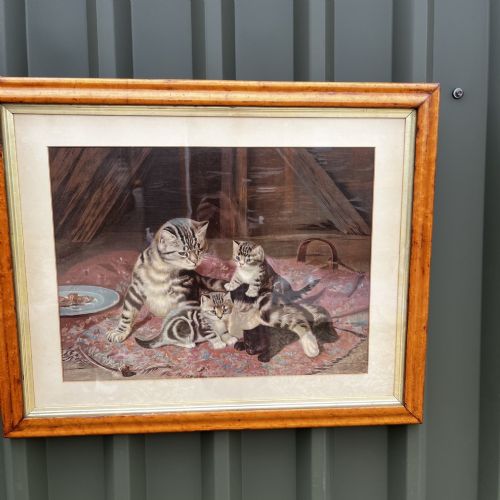
The pieces on this page span from the eighteenth century through the Edwardian era, taking the form of framed watercolours, gouache paintings, ink drawings and period prints.
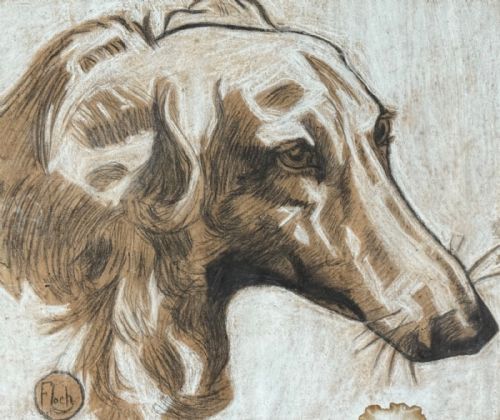
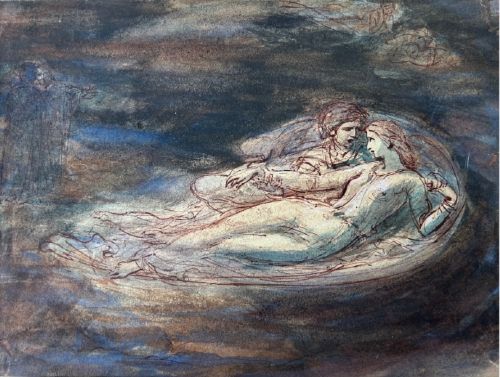
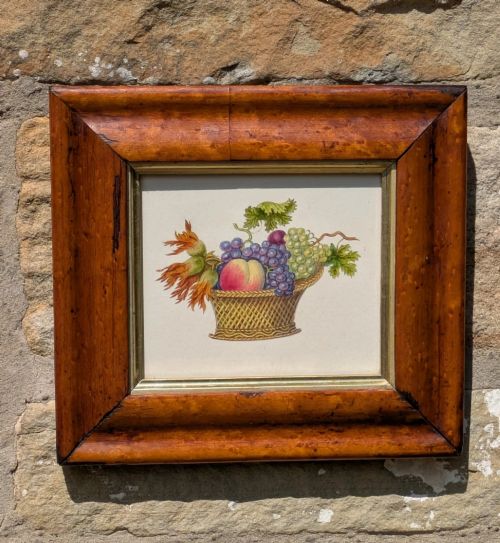
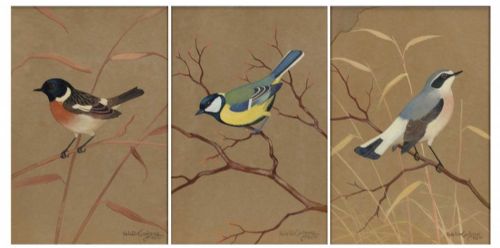
Subjects range from botanical studies and animal portraits to architectural plans, caricatures and narrative scenes rendered with distinct historical character.
Materials and Technique
Artists built these works on paper using watercolour pigments, ink and gouache, often applying wash techniques over pencil or charcoal sketches.
Supports include buff paper and aged card, housed in period wood frames such as oak or walnut, sometimes accompanied by gilt wood details.
Listings feature paper, glass, wood, watercolour, ink, gouache, and gilt wood across the 18th, 19th, and early 20th centuries.
Evaluating Quality in Works on Paper
Quality rests on the sureness of the draughtsmanship and the artist's ability to capture movement or form within a limited palette.
Condition plays a central role, distinguishing works that retain their original pigment vibrancy from those dulled by excessive light exposure or damp.
George Lorain Stampa·John Hassall·Horatio Henry Couldrey·Ralston Gudgeon·Warwick Goble·Cecil Charles Windsor Aldin·Jonathan Couch·Helena Maguire·Louis Wain·Jabez Bligh
The Brown Illustration Glossary
- Gouache
- An opaque water-based paint that produces a heavier, more solid surface than translucent watercolour. It allows artists to build bright highlights over darker paper grounds.
- Chromolithograph
- A multicoloured print produced through a specialised lithographic process. Each colour layer requires a separate stone to build the final image.
- Buff paper
- A pale brownish-yellow paper stock commonly used for drawings and sketches. It provides a neutral mid-tone background that absorbs ink and gouache effectively.
- Wash
- A technique where diluted ink or watercolour pigment is spread across paper to create smooth, translucent areas of tone. It forms the atmospheric background in many period sketches.
Brown Illustration: Frequently Asked Questions
What periods do these illustrations cover?
The collection spans from the eighteenth century through the Victorian and Edwardian periods up to the early twentieth century.
You will find works reflecting Regency elegance alongside later nineteenth-century realism and early twentieth-century whimsy.
How should I frame historic paper pieces?
Protect delicate watercolours and drawings behind conservation-grade glass with adequate spacing between the art and the frame.
Keep them away from direct sunlight to prevent the sepia tones and pigments from fading over time.
Are these works original or printed?
The listings include both hand-painted original works and period prints such as lithographs and engravings.
Check the title and description to distinguish unique gouache or ink drawings from published chromolithographs.
What subjects are most common?
Subjects range widely from botanical studies and animal portraits to architectural plans and military caricatures.
Many pieces capture everyday historical scenes, sporting moments, and natural history illustrations.