


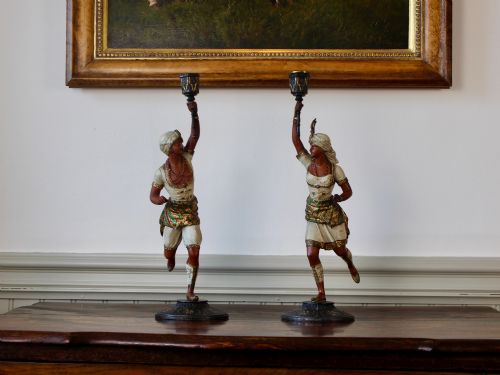


Bronzed Spelter Figures
These bronzed spelter figures bring sculptural presence and period character into a room, offering the visual weight of bronze without the heavier cost.
Bronzed Spelter Figures
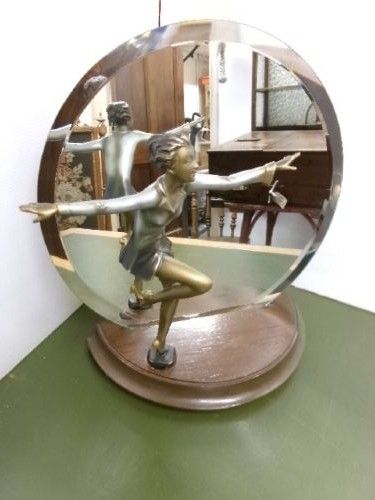
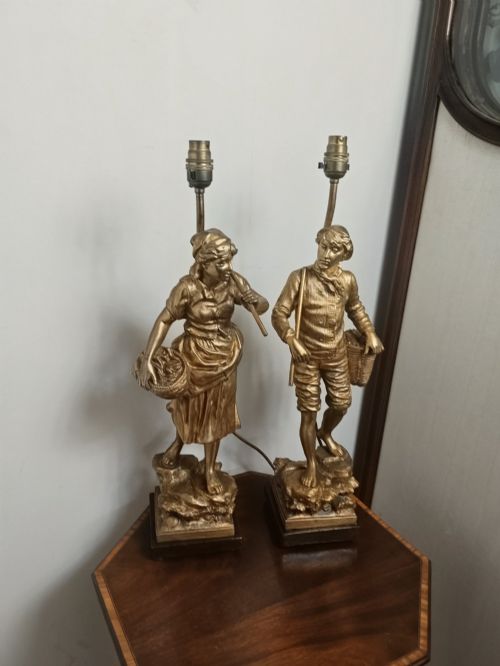
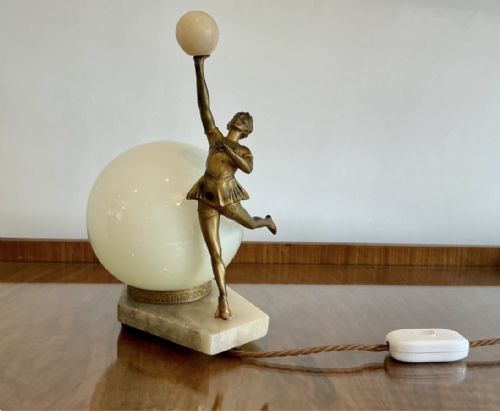
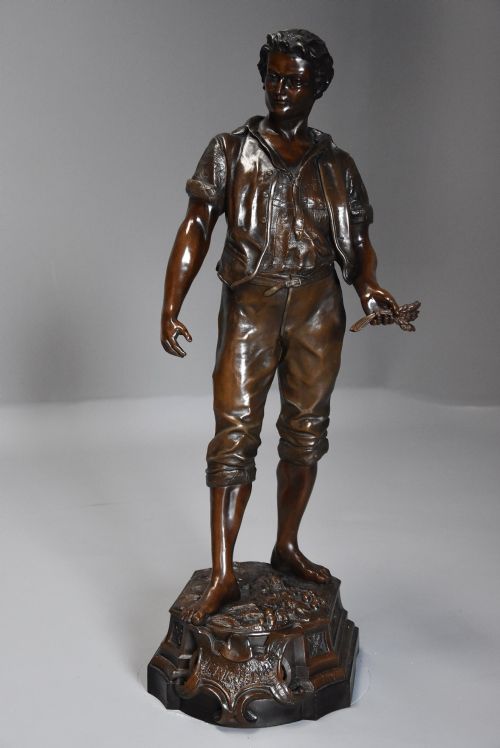
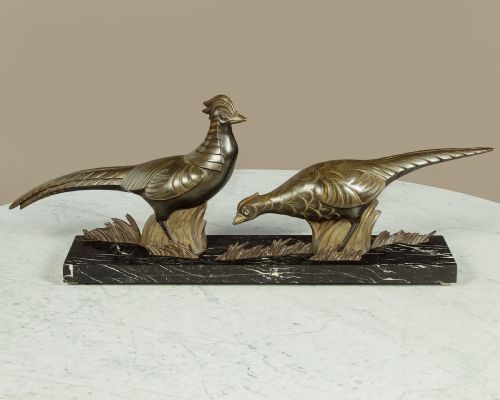
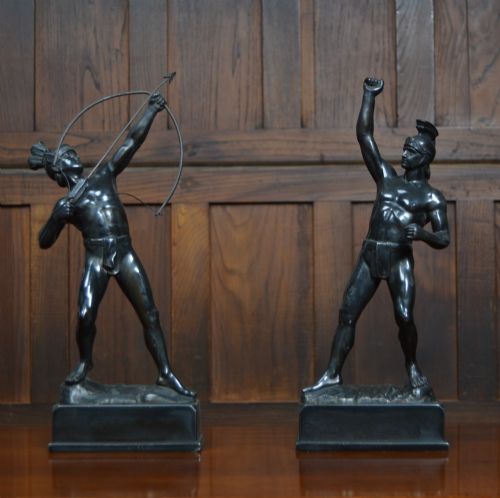
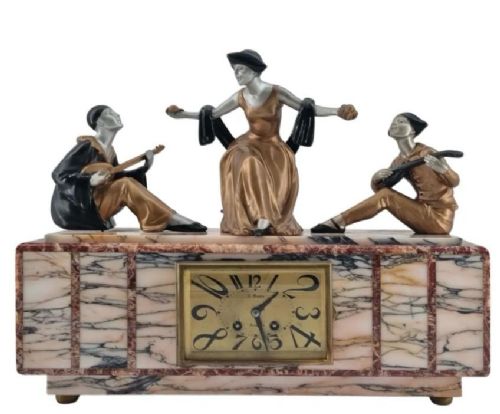
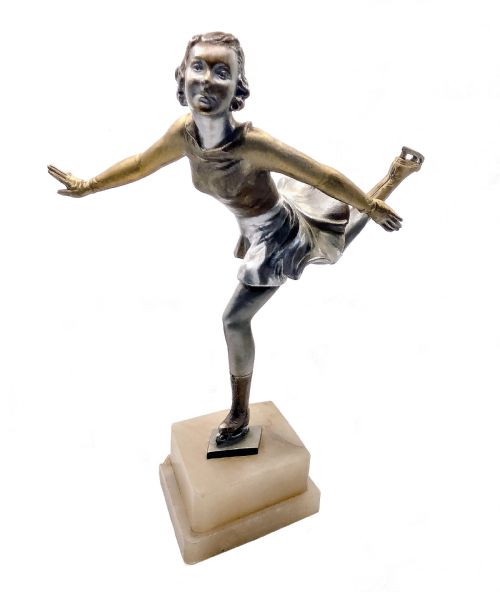
Bronzed spelter figures encompass sculptures, lamps, bookends, and mantel clocks shaped from a zinc-based alloy and given a dark or metallic finish to mimic traditional bronze. When searching for bronzed spelter figures, buyers encounter diverse forms ranging from Victorian soldiers and labourers to sleek Art Deco dancers and sporting figures.
The objects span the nineteenth and twentieth centuries, with French workshops and makers producing a substantial share of the surviving examples. These pieces often serve decorative or functional roles, appearing as table lamps, figural candlesticks, and matched pairs depicting allegorical subjects or historical characters.
Materials and casting methods
Spelter, primarily composed of zinc, provides a soft and ductile metal that accepts intricate mouldings readily during the casting process. Manufacturers applied patinated metal finishes, bronze paints, or chemical treatments to the surface to create the characteristic dark, metallic sheen.
Many sculptures incorporate mixed media elements, mounting the main cast figures onto bases made from marble, onyx, alabaster, or wood to add stability and contrast.
Medieval characters spotted balancing on stilts add an unexpected theatrical charm to the traditional lineup of spelter candlesticks.
Evaluating workmanship and finish
Quality rests upon the crispness of the casting detail, where superior examples retain sharp facial expressions, delicate costume textures, and well-defined fingers without blurring. The application and preservation of the original patination or bronze finish dictate how convincingly the metal mimics true bronze.
The integration of the figure with its mounting base, whether marble, onyx, or wood, indicates the original standard of manufacture. Finer pieces demonstrate careful proportions and secure fixings that hold complex groupings or outstretched limbs firmly in place.
E Rousseau·F. Milliot·L & F Moreau·Josef Lorenzl·Geo Maxim·Chiparus
The Bronzed Spelter Figures Glossary
- Spelter
- A zinc alloy commonly utilised as a substitute for bronze in decorative metalwork. It is softer and melts at a lower temperature than bronze.
- Patination
- The surface coloration and ageing applied to metal to simulate the appearance of historical wear or oxidisation. This finish can range from dark brown to gilt tones.
- Spelter figure
- A decorative statue or sculptural group cast from a zinc-based metal. These often depict human figures, animals, or allegorical scenes.
- Art Deco
- A design style prevalent during the 1920s and 1930s characterised by streamlined forms, geometric patterns, and stylised representations of dancers and athletes.
Bronzed Spelter Figures: Frequently Asked Questions
How do I clean bronzed spelter figures?
Dust these metal pieces gently with a soft, dry cloth to prevent any accumulation of dirt in the recesses of the casting. Avoid using water, abrasive cleaners, or chemical solvents, as these substances can strip away the original patinated finish.
Take care when handling figures mounted on marble or onyx bases, ensuring the entire object is supported rather than lifted by protruding limbs or delicate attachments.
Are spelter figures heavy like bronze?
Spelter is lighter and softer than true bronze, though many sculptures achieve substantial weight through the addition of stone or wooden bases. This difference in density means larger pieces should still be handled with care to avoid bending the metal.
The inclusion of marble or onyx plinths provides necessary stability for taller table lamps and figural groups.
How can I tell the period of a piece?
Stylistic clues offer the clearest indication of date, with nineteenth-century examples often favouring romantic, classical, or realistic subjects such as labourers and cavaliers. Twentieth-century pieces frequently adopt Art Deco aesthetics, featuring streamlined dancers, athletes, and geometric motifs.
Signatures or foundry marks inscribed into the metal base can also point towards specific artists or French manufacturing periods.
Where were most of these figures made?
France produced a vast quantity of these decorative metalworks during the nineteenth and early twentieth centuries, with Parisian foundries and studios driving much of the output. Continental European makers also contributed significant numbers of figural clocks, lamps, and bookends.
Many pieces bear artist signatures or foundry stamps that reflect this European heritage.