


Bronze Warrior Sculpture
A bronze warrior sculpture captures historical strength and classical form, offering collectors tangible pieces of martial history and sculptural artistry.
Bronze Warrior Sculpture
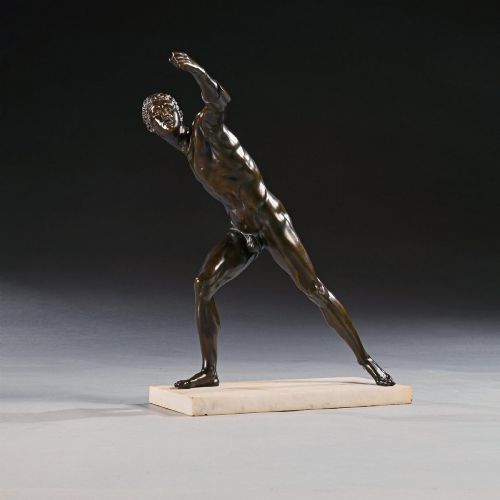
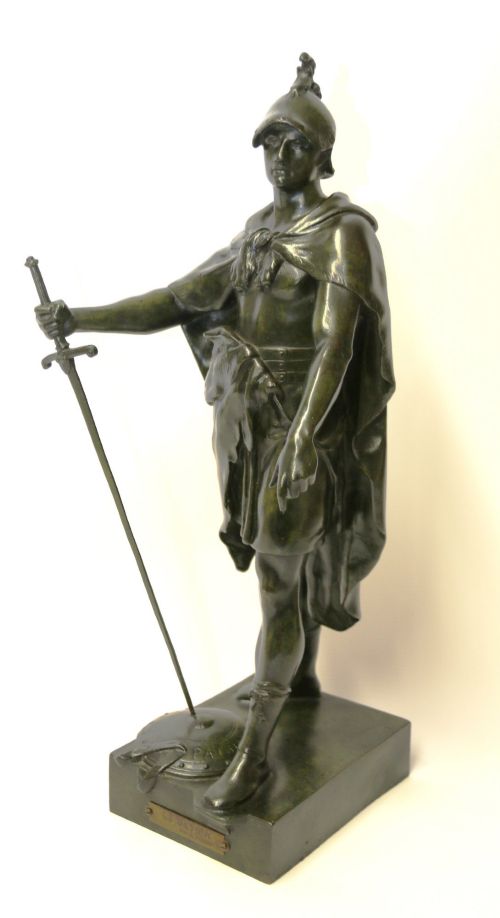
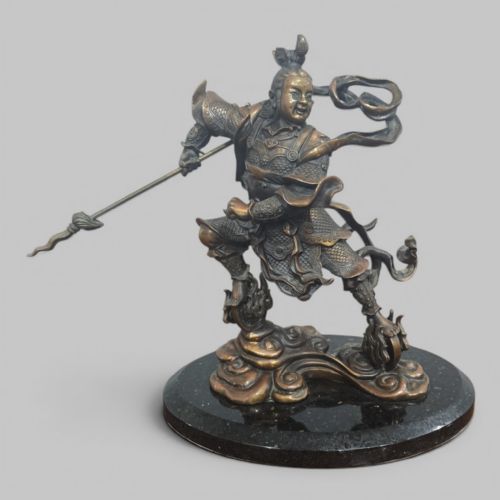
A bronze warrior sculpture depicts figures from classical antiquity, the Renaissance, and diverse global cultures, including Roman gladiators, Greek archers, and African horsemen. These works appear frequently in nineteenth-century interpretations, drawing heavily on neoclassical and orientalist aesthetics.
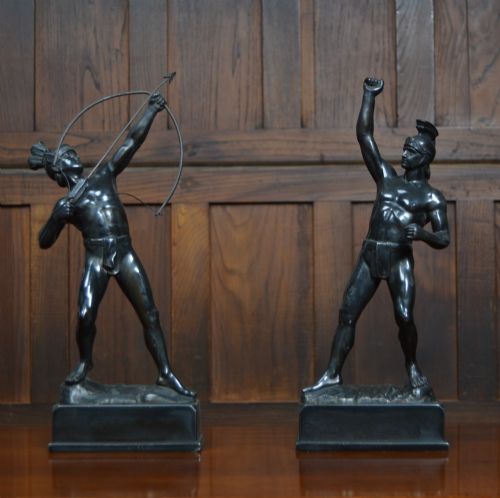
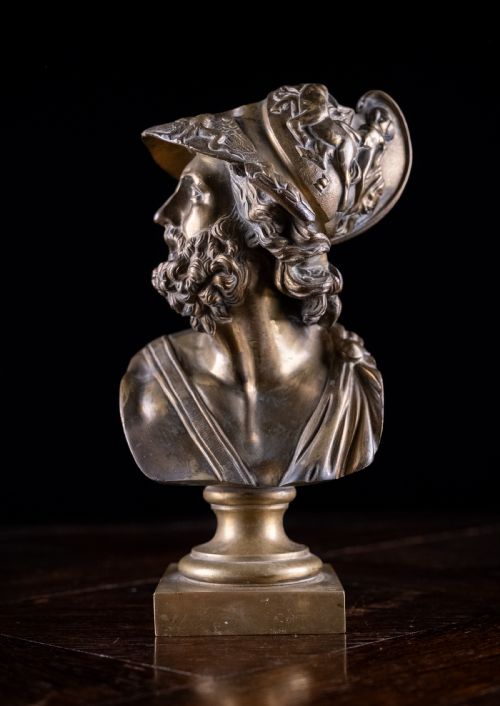
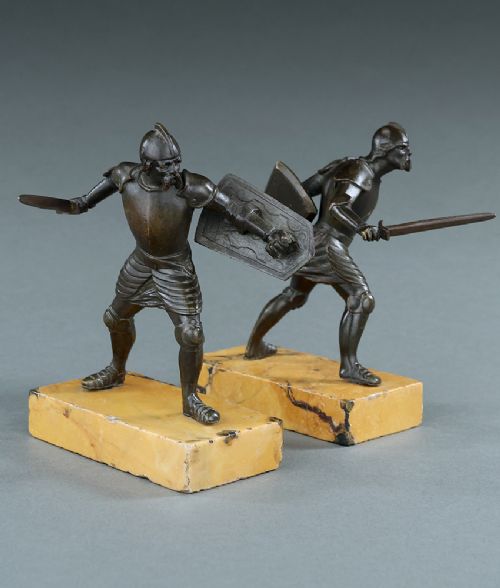
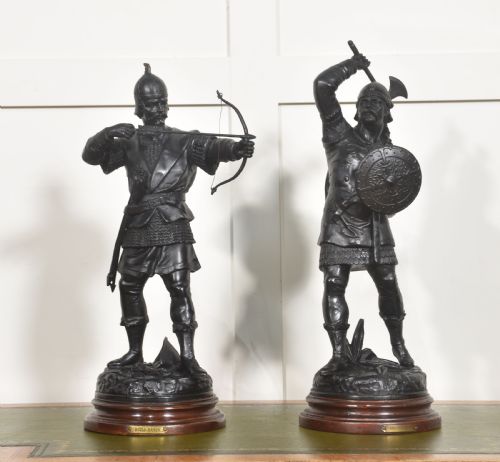
Makers produced these figures as large-scale gallery bronzes, grand tour souvenirs, and decorative pairs of soldiers or knights. Forms range from individual busts of Spartan kings to dynamic equestrian groups and standing figures with detailed armour.
The materials span traditional cast bronze, gilt bronze, cold-painted bronze, and related alloys such as spelter. Pieces reflect periods stretching from the early nineteenth century through the art deco era.
Materials and casting methods
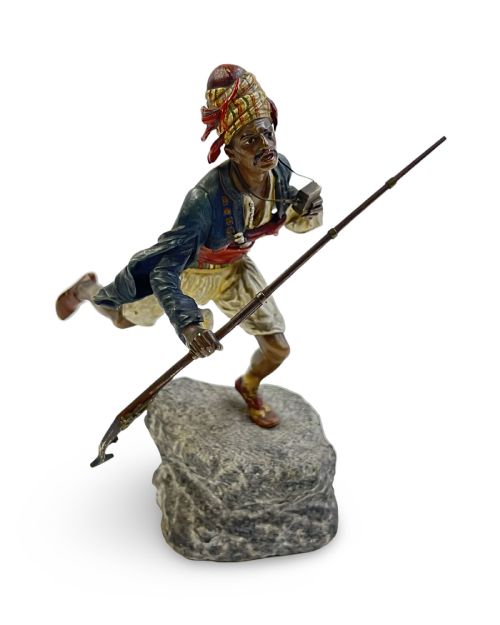
Foundries utilised traditional casting methods to produce detailed figures in bronze, brass, and zinc alloy spelter. Sculptors applied patination techniques to create deep brown or green surface finishes, while some Vienna pieces received cold-painted polychrome decoration.
Alternative metals like gilt bronze and gilded bronze alloys provided gleaming metallic highlights on armour and drapery. Workshops occasionally mounted heavier bronze and spelter figures onto shaped marble bases.
Makers combined metal casting with hand-chasing to define facial expressions, chain mail, weaponry, and textile patterns on figures like Roman soldiers and Moorish warriors.
Bronze Warrior Sculpture Retail Price Guide 2026
Typical asking prices for bronze warrior sculpture among the pieces listed under this phrase on Sellingantiques today, from the lower quarter to the upper quarter. They describe what is for sale here now, not the wider market.
Listings feature works spanning the nineteenth century through the twentieth century, utilising bronze, spelter, marble, and wood across neoclassical, orientalist, and art deco styles.
Assessing sculptural quality
The depth and nuance of the patination or cold-painting dictate visual success. Master founders achieved varied, durable surface tones, whereas lower-quality pieces rely on flat, uniform paint or lacquer.
Proportion and stance contribute significantly to the artistic merit of figures like gladiators and horsemen. Balanced weight distribution and dynamic posture separate masterworks from rigid, derivative casts.
Émile Louis Picault·Franz Xaver Bergman·Eugene Barillot·Edward Aagaard·Raoul Francois Larche·Franz Iffland·Emile Laporte·Richard Aurili·J. Angles
The Bronze Warrior Sculpture Glossary
- Patination
- The chemical treatment applied to the surface of a bronze sculpture to produce a specific colour or finish. This process protects the metal and enhances the definition of musculature and drapery.
- Spelter
- A zinc alloy frequently utilised as a less expensive substitute for bronze in nineteenth-century figure casting. It often received a bronze-like finish to mimic solid metal sculptures.
- Grand Tour
- A cultural journey undertaken by wealthy Europeans in the eighteenth and nineteenth centuries, acquiring small-scale bronzes of classical statues as souvenirs.
- Cold-painted bronze
- A technique where polychrome paint is applied to cold metal without firing. Vienna workshops specialised in this method for detailed orientalist figures.
- Lost-wax casting
- A traditional method where a wax model is melted out of a mould and replaced with molten metal. This allows for intricate undercut details in sculptural figures.
Bronze Warrior Sculpture: Frequently Asked Questions
What is a grand tour bronze?
Grand tour bronzes were small-scale souvenir sculptures purchased by travellers visiting classical sites in Italy and Greece during the nineteenth century. They replicated famous antiquities like gladiators and mythological figures for home display.
These pieces allowed collectors to bring classical art and history into Victorian interiors. They span various reduction sizes and typically feature dark patination.
How do I distinguish bronze from spelter?
Bronze is a heavy, durable copper alloy that feels cold to the touch and rings clearly when struck gently. Spelter is a softer zinc alloy that feels lighter and often shows grey metal beneath worn areas of surface paint.
Many nineteenth-century figures used spelter as an affordable alternative to solid bronze. Inspecting the underside or areas of wear helps clarify the metal composition.
What periods do these sculptures cover?
The available pieces predominantly date from the nineteenth century, including Victorian productions and grand tour souvenirs. Later examples extend into the twentieth century, embracing art deco and modernist interpretations.
Stylistic influences reach back to classical antiquity, the Renaissance, and orientalist themes. Makers reinterpreted these historical motifs across different decades.
How should I display a bronze figure?
Bronze sculptures require stable shelving or tables capable of supporting heavy metal weights, particularly larger equestrian groups or multi-figure compositions. Placing them away from direct moisture preserves the metal patination.
Dusting with a soft dry cloth maintains the surface finish. Avoid chemical polishes which can strip historical patinas.