
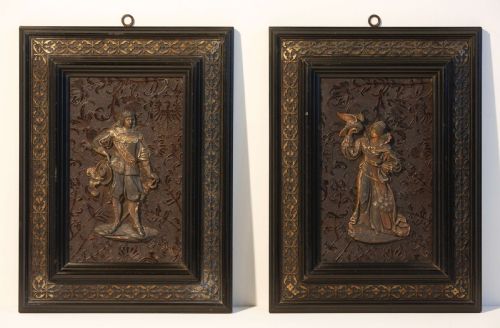


Bronze Wall Panel
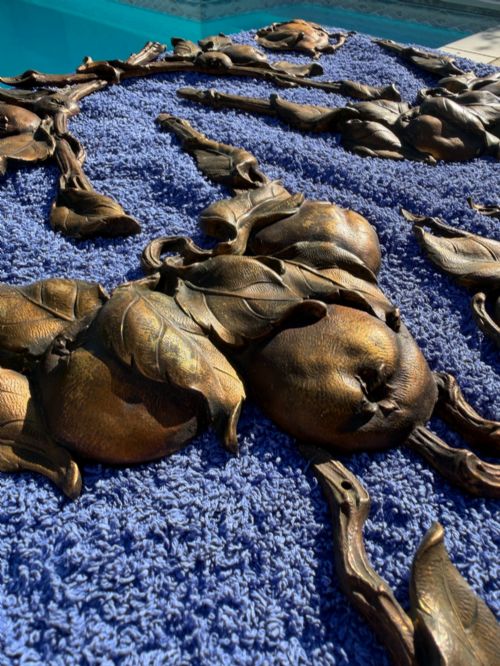
These bronze wall panel pieces bring heavy relief sculpture and architectural metalwork straight into your interior, offering instant depth and texture to plain plaster.
Bronze Wall Panel
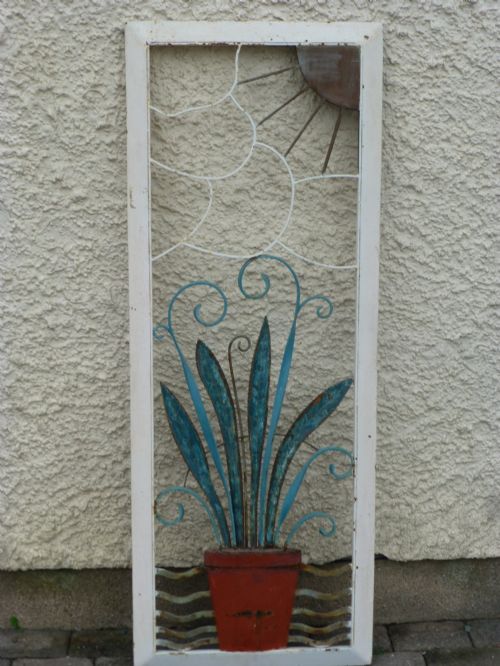
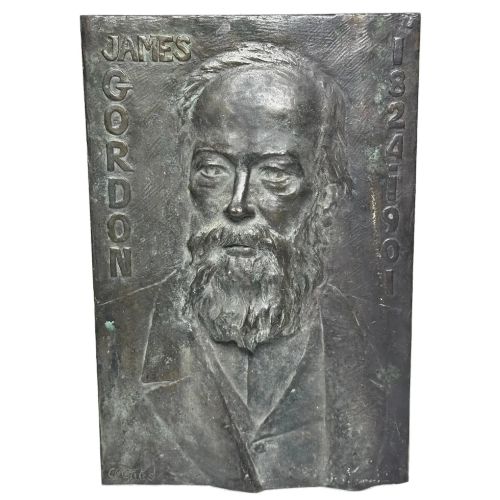
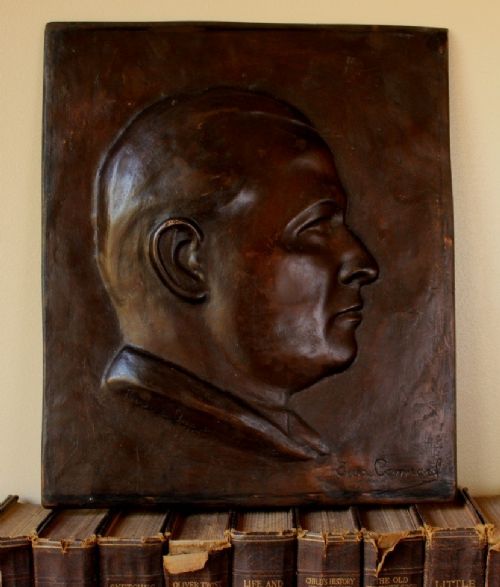
A bronze wall panel encompasses relief plaques, architectural mounts, and framed figurative castings designed specifically for vertical display. You encounter these primarily as nineteenth-century cast reliefs, portrait medallions, and decorative panels pulled from domestic interiors or salvaged exteriors.
The form stretches from small portrait profiles in gilt bronze to large heraldic shields and religious icons mounted on wood panels. Makers ranged from European foundries to individual sculptors working in styles spanning Victorian neoclassical, art deco, and baroque revival.
Many examples double as furniture mounts or reclaimed architectural fragments repurposed for wall hanging over the decades. Their surfaces carry the marks of casting, chasing, and patination developed across the eighteenth, nineteenth, and twentieth centuries.
How they were made
Foundries utilised traditional sand casting or lost-wax techniques to shape the bronze, copper, and brass into high and low relief. Artisans then chased the cooled metal by hand, sharpening details in hair, drapery, and architecture before applying chemical patinas or fire gilding.
Many heavier metal reliefs are set directly onto oak, ebonised wood, or plaster backing panels to provide structural support for hanging. Some pieces combine cast bronze with applied silver, gilt highlights, or enamel work to create contrasting zones of colour across the surface.
Diana the huntress still keeps watch from her nineteenth-century copper relief, armed and ready for eternal chase.
What varies in quality
The integrity of the metal surface and the subtlety of the aged patina dictate the visual success of the piece. A carefully patinated bronze or fire-gilt surface outlasts bright, chemically stripped metal that has lost its historical depth.
Poix Blin·Raymond Subes·Eugene Canneel·Coalbrookdale
The Bronze Wall Panel Glossary
- Chasing
- The manual finishing of a bronze casting using hammers and punches to refine details and remove surface flaws. This step separates mass-produced items from studio-wrought pieces.
- Patina
- The chemical or natural film that forms on the surface of bronze over time. Collectors value stable patinas that show centuries of age.
- Applique
- An ornamental metal element designed to be applied directly to a surface like furniture or a wall panel. These often feature cast classical motifs.
- Relief
- A sculptural technique where the figures project from a flat background. High relief stands out strongly, while low relief stays flatter.
- Gilt bronze
- Bronze that has been coated with a thin layer of gold leaf or mercury gilt. It provides a bright, durable metallic finish.
Bronze Wall Panel: Frequently Asked Questions
How should I clean a bronze wall panel?
Dust the surface gently with a soft, dry brush to remove particulate matter without disturbing the underlying metal skin. Avoid all chemical polishes and abrasive cloths.
Applying a very light coat of microcrystalline wax can protect historical patinas from atmospheric moisture.
What is the difference between bronze and brass reliefs?
Bronze is an alloy primarily of copper and tin, producing a deeper, warmer tone that accepts rich chemical patinas more readily. Brass contains zinc and tends towards a brighter, more golden hue.
Older cast panels are typically bronze or copper, while later commercial reproductions often utilise brass.
Can these panels be displayed outside?
While bronze weathers well outdoors, panels created for interior display often feature delicate gilt surfaces, wood backings, or vulnerable plaster elements that will degrade in damp conditions. Check the construction materials carefully.
Pieces originally designed as architectural hardware or garden screens handle exterior placement much better than interior portrait plaques.