

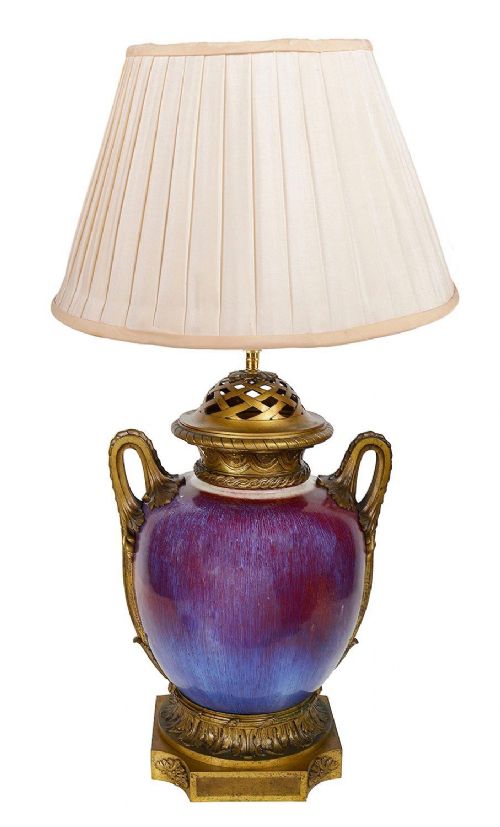
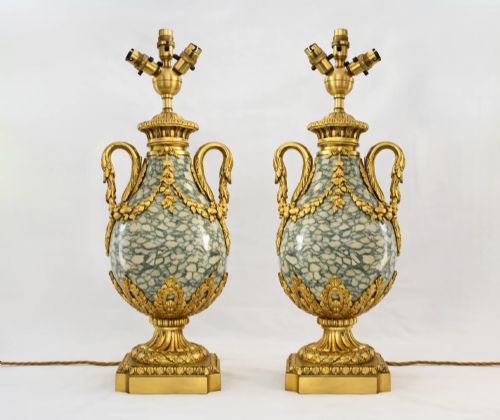
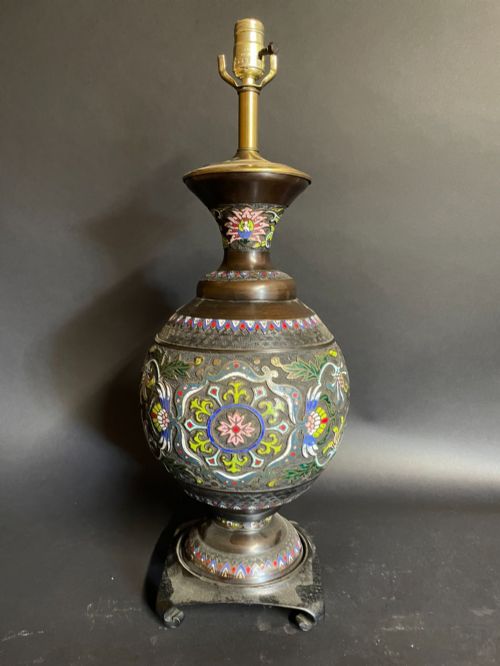


Bronze Vase Table Lamp
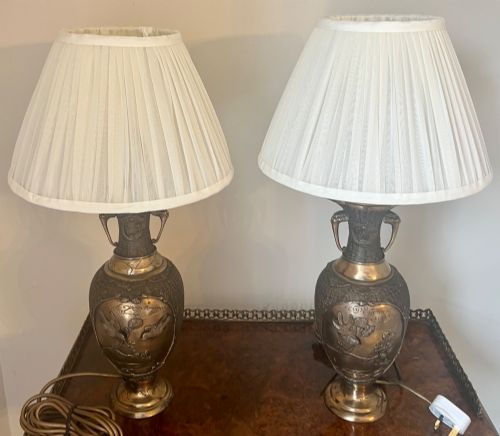
A bronze vase table lamp brings substance and height to a room, uniting sculptural metalwork with converted ceramic and bronze vessels from the eighteenth and nineteenth centuries.
Bronze Vase Table Lamp
When you search for a bronze vase table lamp, you encounter pieces formed from converted Asian and European vases mounted for electric illumination. The nineteenth century yields the majority of these examples, alongside eighteenth-century formats.
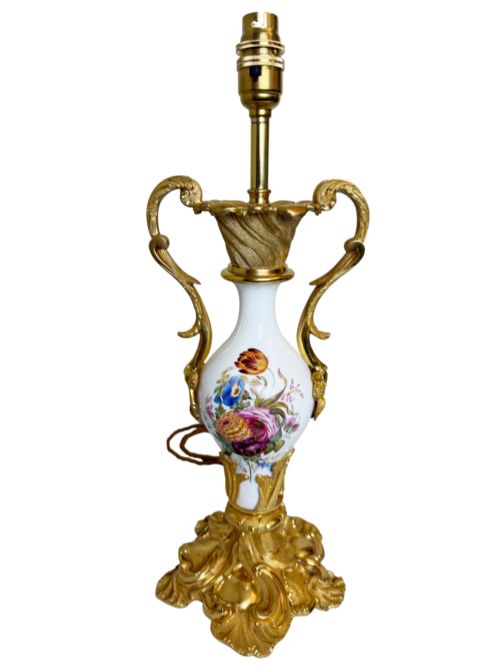
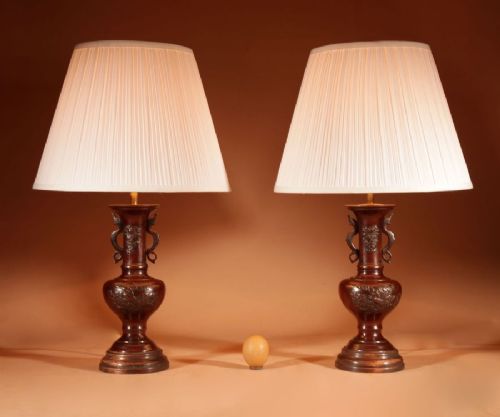
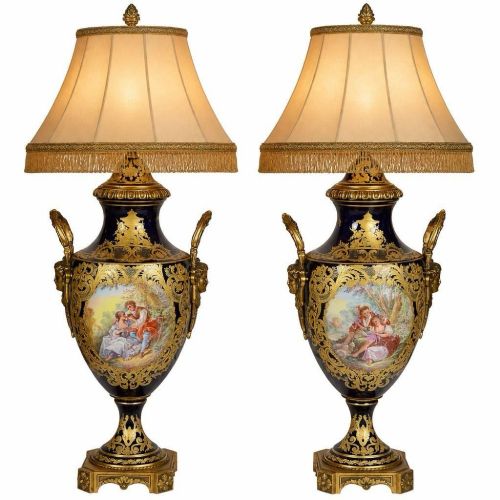
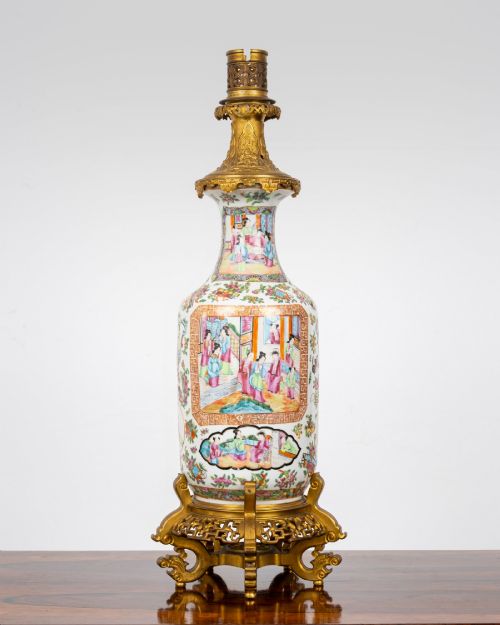
Japanese Meiji period bronzes and Chinese export porcelain often form the body of the piece. French Rococo Revival and Louis XVI style ormolu-mounted porcelain also appear frequently among the listings.
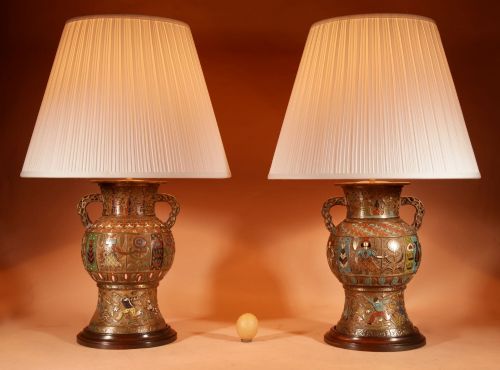
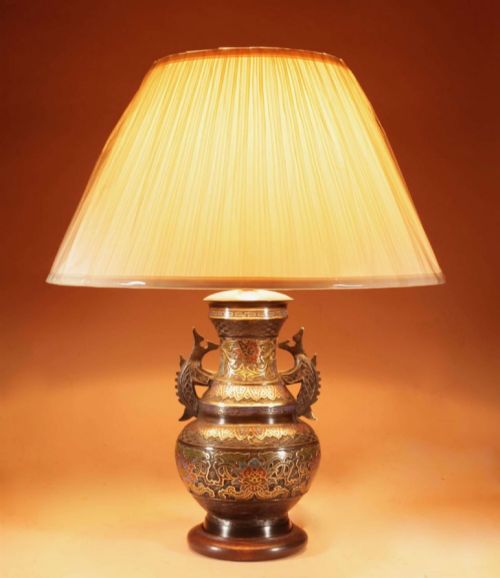
The selection ranges from petite floral designs to large pairs of dragon lamps and champlevé vessels. These objects combine decorative vessel bodies with fitted bases and mounts.
How They Were Made
Maker workshops utilised bronze, gilt bronze, and ormolu to mount porcelain and enamel vessels. Champlevé and cloisonné techniques provided detailed surface patterns on metal bodies.
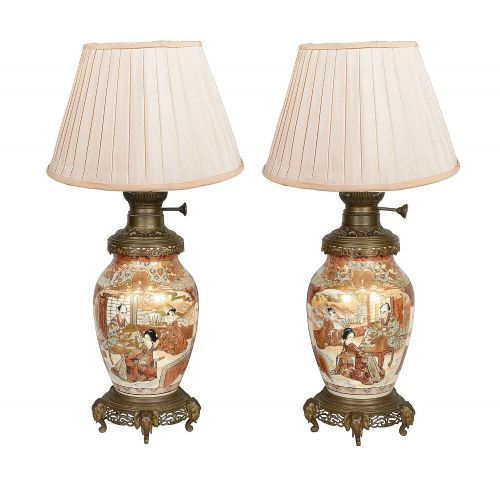
Pâte-sur-pâte, Sevres style porcelain, and Satsuma earthenware served as the primary ceramic bodies for conversion. Artisans attached cast metal mounts to secure the vases for domestic wiring.
Fabric and silk shades frequently complete the composition above the mounted vase. Structural stability depended on the precise fit of the metal mounts to the ceramic or bronze neck.
Listings feature eighteenth and nineteenth-century periods, incorporating porcelain, fabric, brass, gilt bronze, bronze, ormolu, enamel, and silk.
What Varies in Quality
The refinement of the cast bronze and ormolu mounts dictates the primary distinction between pieces. Crisp chasing on the metalwork indicates higher skill in the workshop.
The quality of the underlying porcelain or bronze vessel shapes the overall presence of the lamp. Hand-painted enamel details and integrated champlevé work demand greater labour than plain glazed surfaces.
The harmony between the original vase and the added metal mounts determines the success of the conversion. Balanced proportions and secure assembly distinguish the finer examples.
The Bronze Vase Table Lamp Glossary
- Ormolu
- Gilded bronze used for decorative mounts and fittings. This technique involved applying a mercury and gold amalgam to cast bronze before heating.
- Champlevé
- An enamelling technique where troughs are dug into the bronze surface and filled with coloured vitreous paste. The metal partitions remain visible between the enamel areas.
- Meiji Period
- The Japanese historical era spanning from 1868 to 1912. Metalwork and ceramics from this time frequently incorporated intricate cast designs.
- Cassolette
- A decorative vase or jar equipped with a dual-purpose lid that could function as a burner. These vessels were frequently adapted as lamp bases.
- Rose Medallion
- A style of Chinese porcelain decoration characterised by panels of figures, birds, and flowers painted in pink and green enamels.
Bronze Vase Table Lamp: Frequently Asked Questions
How do I identify a converted vase lamp?
A converted vase lamp typically shows a drilled hole near the base for the electrical cord and internal wiring running through the centre of the vessel.
Original handles or necks may also be fitted with threaded metal collars to secure the lamp hardware without damaging the ceramic or bronze.
What periods do these lamps come from?
The listings predominantly feature items from the nineteenth century, including the Meiji period and Victorian eras. Eighteenth-century vessels converted at later dates also appear.
Stylistic cues such as Louis XVI mounts or Chinese export palettes help indicate the original manufacturing era of the vessel.
How should I clean the metal mounts?
Dust the bronze and ormolu mounts gently with a soft, dry brush to prevent accumulation in the recessed chased details. Avoid harsh chemical polishes that can strip the original gilding from the surface.
Maintain the fabric shades separately by using a gentle vacuum attachment or light brushing.
Are these lamps sold as pairs?
Many listings comprise matched pairs of lamps, particularly those utilising French porcelain or Japanese bronze vases. Single lamps also appear frequently in the selection.
Symmetry depends on whether the original decorator created matching vessels or if a single vase was converted independently.