





Asian Bronze Table Light
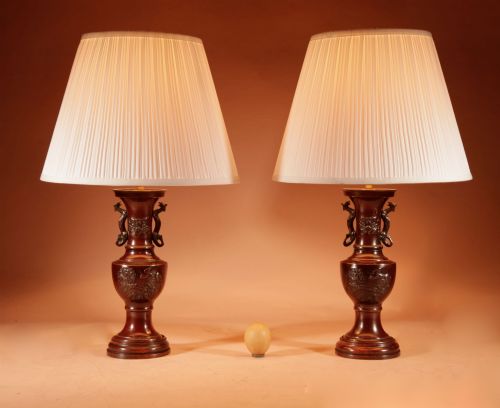
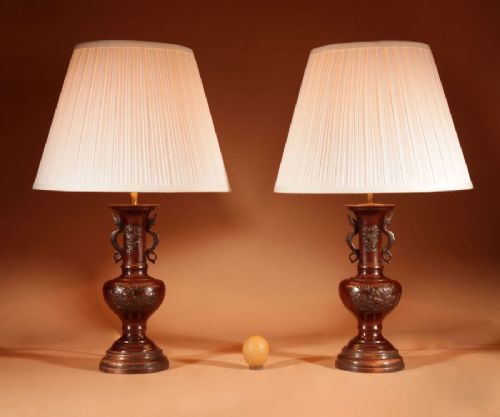
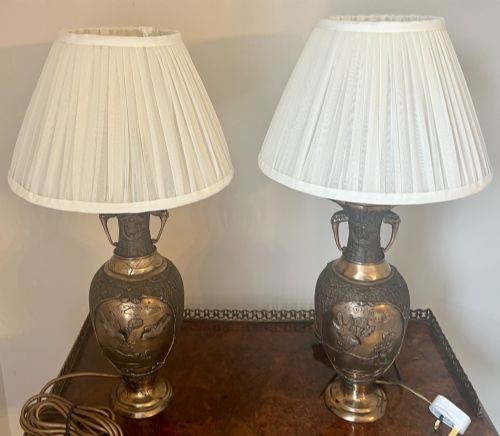
An asian bronze table light brings tactile weight and rich patination to a room, drawing the eye with intricate metalwork.
Asian Bronze Table Light
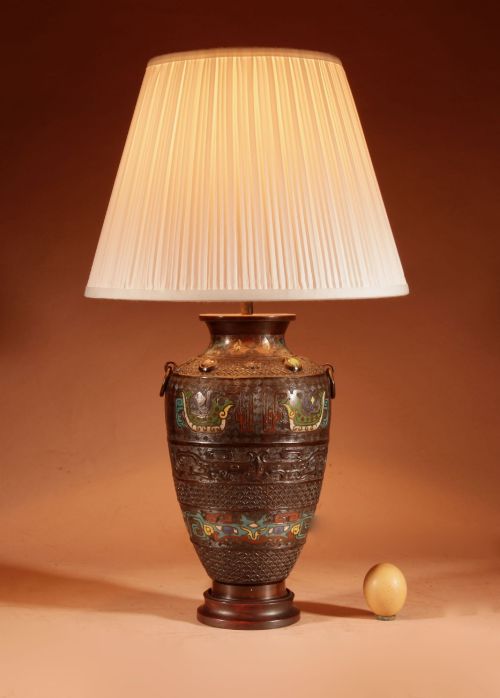
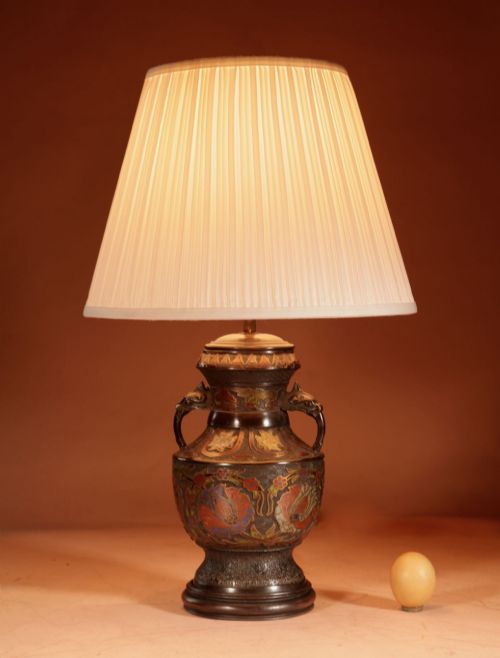
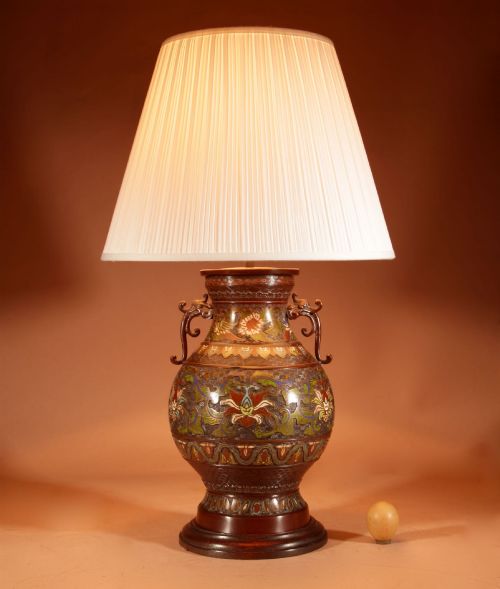
When you search for an asian bronze table light, you encounter substantial metal and ceramic bodies converted to illumination across periods from the Victorian era through the early twentieth century. The selection spans distinct aesthetic traditions, featuring Japanese Meiji period examples and Chinese forms.
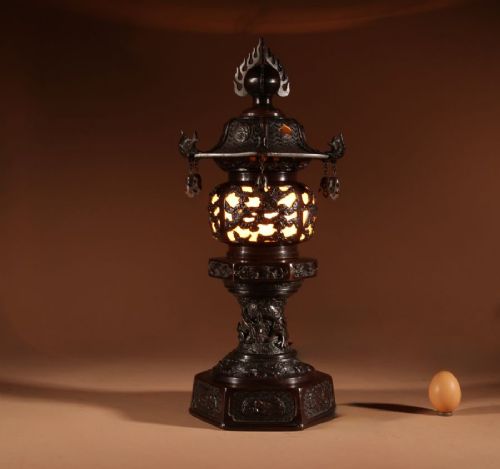
You meet oil lamps, lanterns, and decorative vases adapted for modern wiring alongside period table lamps. Japanese Meiji pieces and Chinese archaistic designs dominate the forms available on this page.
How they were made
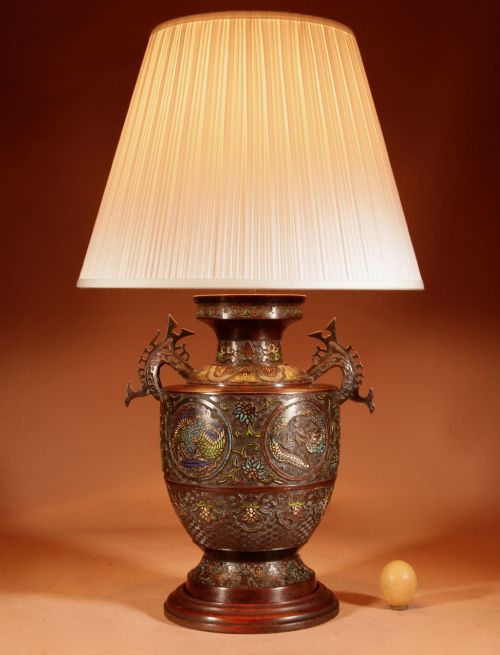
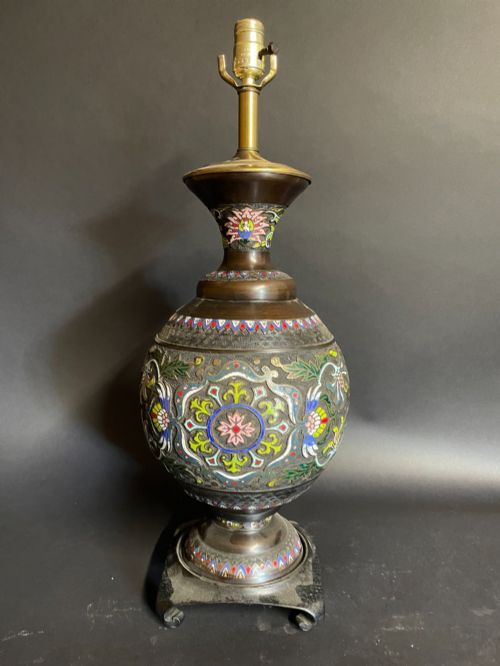
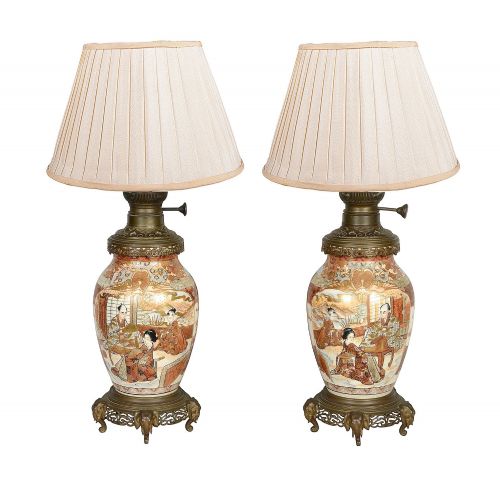
Craftsmen cast these metal bodies in bronze, brass, and gilt bronze, often incorporating champlevé and cloisonné enamelling to add colourful decorative cells across the surface. Many pieces integrate porcelain elements such as celadon and Satsuma bodies alongside the metalwork.
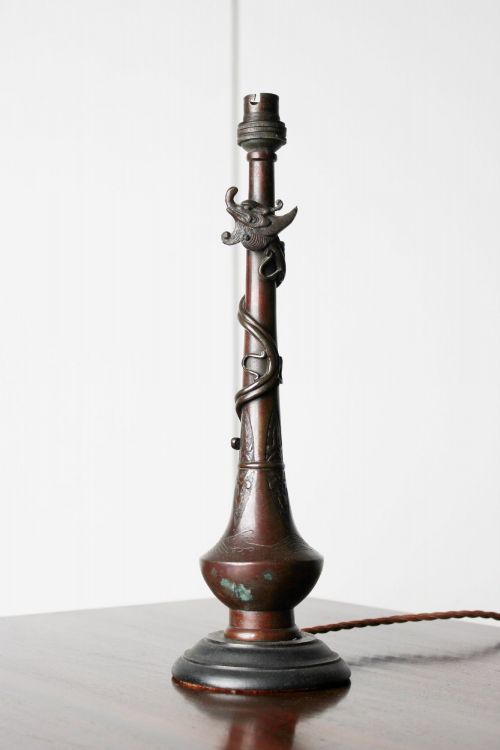
Makers utilised traditional foundry methods to produce dragon motifs, vessels, and lantern structures, later adapting them with fabric and silk shades during conversion into table lamps.
Asian Bronze Table Light Retail Price Guide 2026
Typical asking prices for asian bronze table light among the pieces listed under this phrase on Sellingantiques today, from the lower quarter to the upper quarter. They describe what is for sale here now, not the wider market.
Keep an eye out for fierce bronze dragons coiled around lamp bases, keeping watch over the evening reading nook.
What varies in quality
The standard of a piece rests upon the crispness of the bronze casting and the precision of the enamel work embedded within the surface. Heavier, larger examples with well-defined dragon or floral detailing command greater presence than simpler castings.
The integration of the conversion matters greatly, particularly how cleanly wiring passes through the antique vessel without compromising the original bronze or porcelain structure.
The Asian Bronze Table Light Glossary
- Champlevé
- Enamelling technique where troughs are dug into the bronze body and filled with coloured glass paste before firing. This method creates bold patterns across the surface of the lamp.
- Cloisonné
- Decorative work where thin metal wires are soldered to the bronze base to form compartments filled with enamel. It yields detailed, multicoloured designs.
- Celadon
- Pale green glazed ceramic originating in China, frequently found mounted as the central body of a table lamp. The translucent glaze complements the dark patination of bronze mounts.
- Archaistic
- Design style mimicking ancient ritual bronzes and vessel forms from earlier dynasties. Makers revived these classic shapes during the nineteenth century.
Asian Bronze Table Light: Frequently Asked Questions
Are these lamps converted from old vases?
Many examples began life as Japanese or Chinese bronze vases, oil lamps, or lanterns before receiving electrical fittings. This conversion process allows antique decorative objects to function as practical domestic lighting.
Makers often adapted these vessels carefully to preserve the original metalwork and surface patination while adding modern lamp holders and fabric shades.
How do I date an asian bronze table light?
Dating relies on stylistic markers from periods such as the Meiji era, Victorian decades, or the early twentieth century. Details like enamelling techniques and casting weight offer strong clues.
Inspectors look at the manufacturing characteristics of the bronze and any associated porcelain, such as Satsuma or celadon, to determine the approximate decade of production.
How do I clean a bronze table light?
Dust the metal and any fabric or silk shades gently with a soft, dry cloth. Avoid harsh chemical polishes that can strip away the historical patination built up over the centuries.
Preserving the natural surface colour maintains the character and visual depth of the antique bronze.