

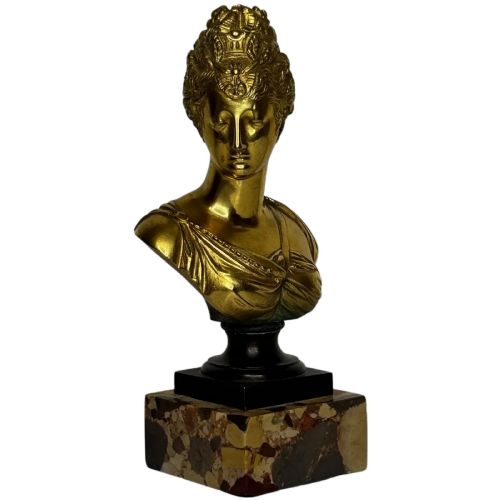
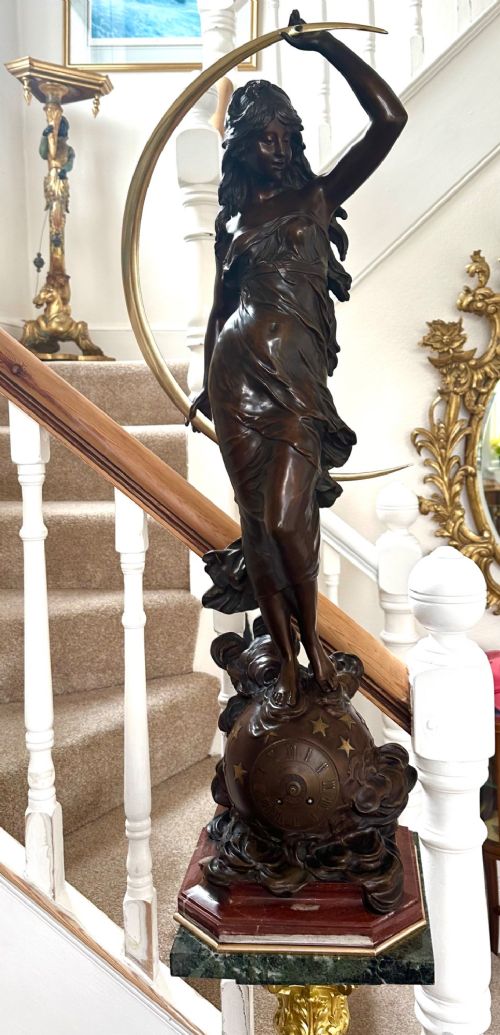
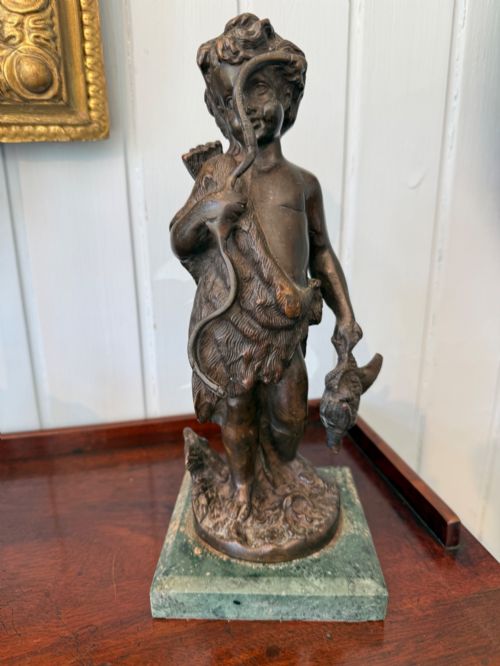
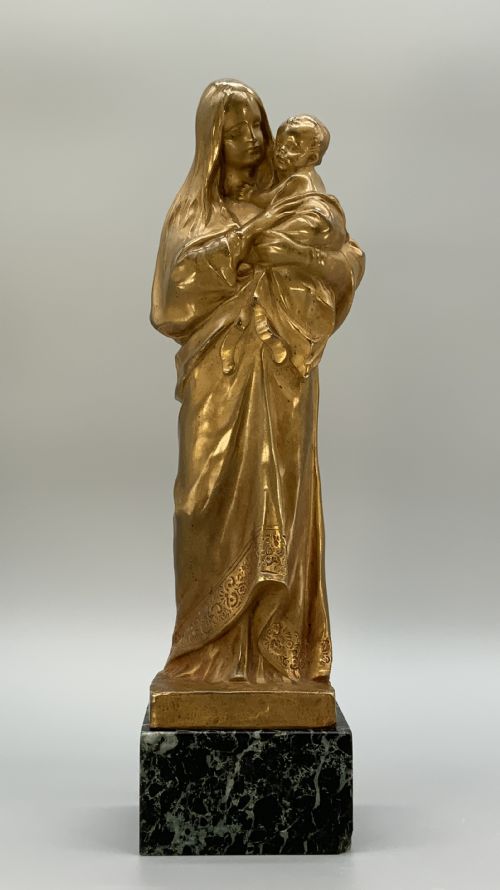
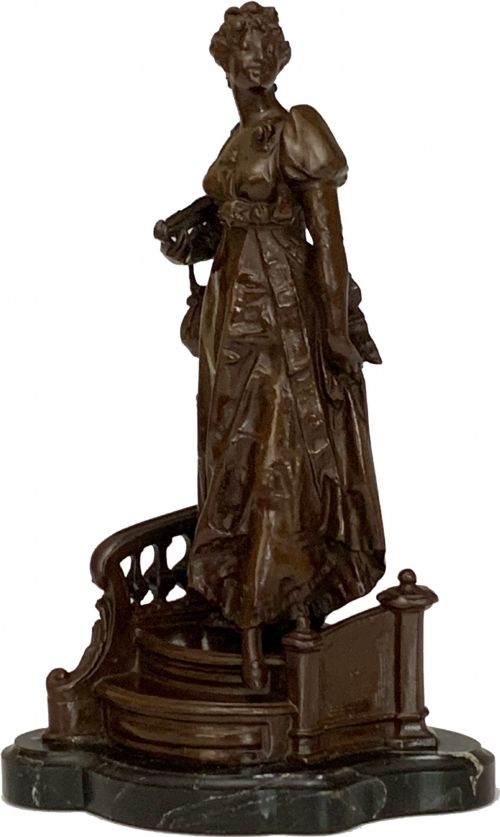


Bronze Statuette Marble Base
A bronze statuette marble base pairs cast metal figures with stone supports, offering collectors tactile heft and classical or modernist presence.
Bronze Statuette Marble Base
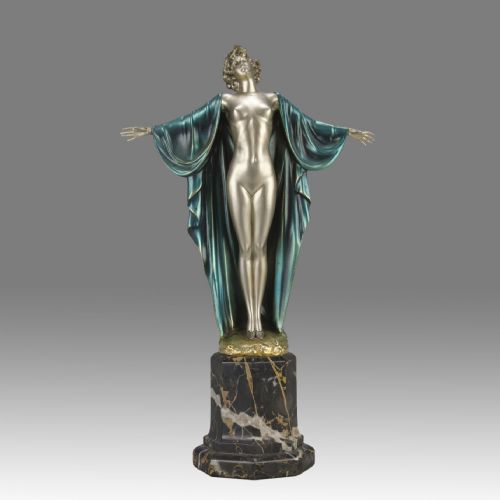
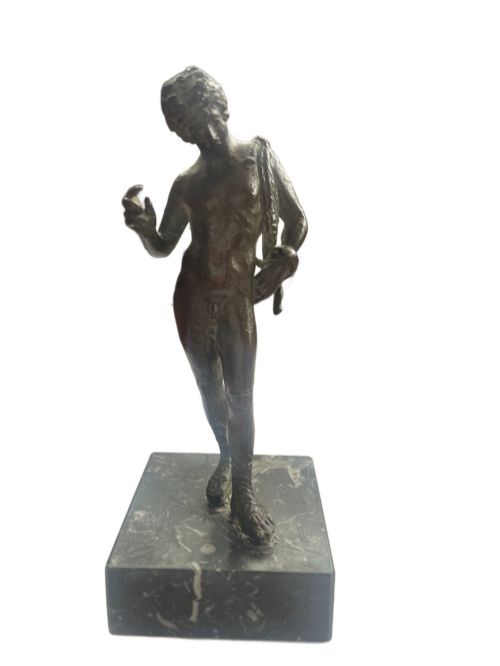
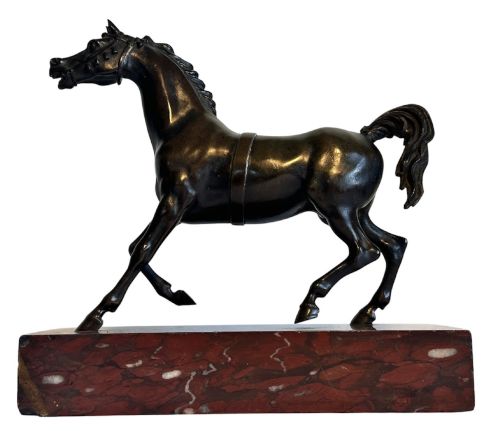
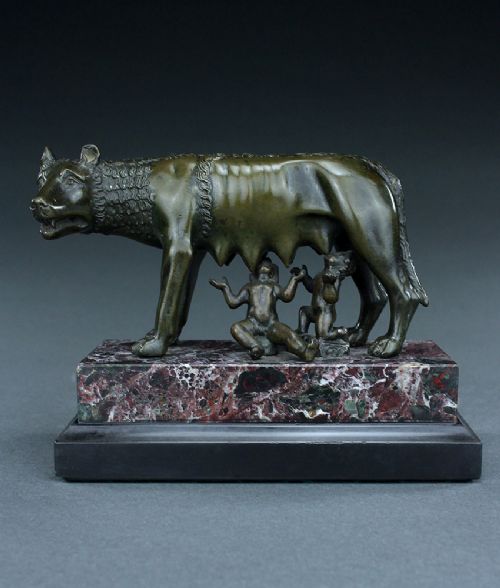
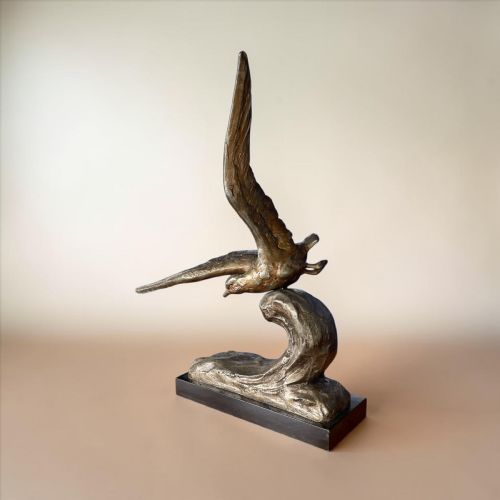
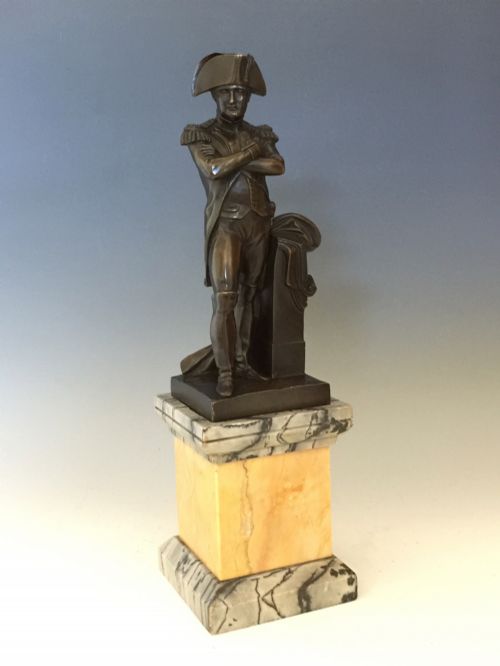
A bronze statuette marble base combination unites cast metal sculpture with heavy stone plinths to create stable display objects. You encounter these works across multiple periods, ranging from nineteenth century Grand Tour souvenirs to Art Deco dancer studies.
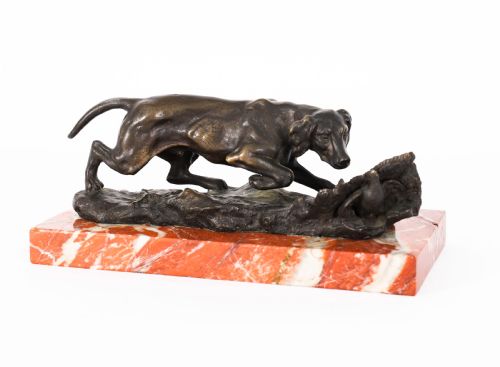
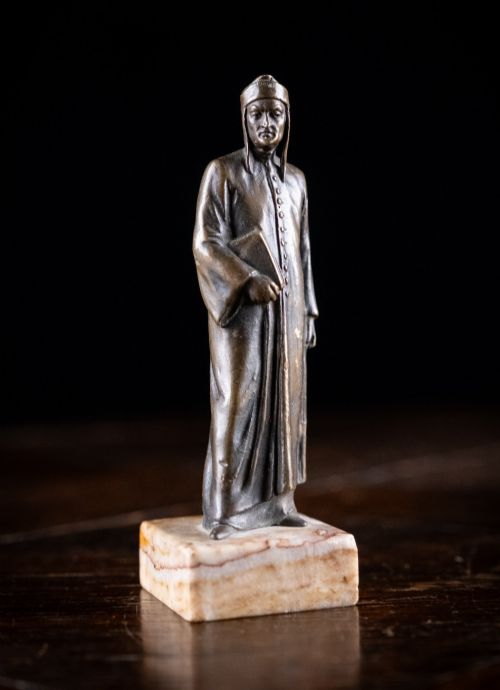
The subjects span mythological figures, historical portraits, and naturalistic animalier studies mounted directly onto mineral plinths. Most examples serve as cabinet bronzes or decorative mantle sculptures designed for close inspection.
The pairing of metal and stone allows slender figures to stand securely while adding textural contrast to the display. These pieces function primarily as decorative interior ornaments that reflect prevailing tastes of their respective decades.
How they were made
The supporting plinths utilise various stone types including fossil, white, black, and Rosso Levanto marble, alongside onyx bases. Craftsmen shaped and polished these mineral slabs to fit the specific footprint of each cast figure, securing them with threaded pins or screws.
Listings feature works spanning the nineteenth century through the Art Deco period, utilising both bronze and various marble types.
What varies in quality
The selection and polish of the stone base further separate standard production from exceptional work, as finer pieces feature custom-fitted mineral plinths with harmonious veining. The integration between the metal figure and its stone support demonstrates the care taken during assembly.
Carl Kauba·Bruno Zach·Ferdinand Preiss·Hans Müller·Georges Van Der Straeten·Demetre Chiparus·Gotthilf Jaeger·Claire Jeanne Roberte Colinet
The Bronze Statuette Marble Base Glossary
- Grand Tour
- A nineteenth century travel tradition where wealthy tourists acquired classical souvenir bronzes in Italy. These reproductions replicate famous antiquities found in European museums and archaeological sites.
- Animalier
- A nineteenth century artistic movement focused on realistic depictions of animals. Sculptors in this genre studied live subjects in menageries to capture accurate anatomy and movement.
- Cold painted bronze
- A finishing technique where oil or enamel paint is applied to cold metal without firing. This method was popular in Austrian workshops for producing brightly coloured figures and birds.
- Ormolu
- A method of applying finely ground high-carat gold to a bronze object using a mercury amalgam. The resulting surface gives a rich golden glow to decorative mounts and statuettes.
- Patinated bronze
- A chemically induced surface treatment applied to metal to alter its colour and tone. This process protects the bronze while creating deep brown, green, or black hues.
Bronze Statuette Marble Base: Frequently Asked Questions
How do I clean a bronze statuette marble base?
Dust the bronze gently with a soft, dry brush and avoid using harsh commercial polishes that can strip the original patination.
Wipe the stone base with a damp cloth and dry it immediately to prevent moisture rings from forming on the polished surface.
Were all bronze figures originally mounted on stone?
Many nineteenth century and Art Deco statuettes were cast specifically to fit integrated or separate stone plinths for stability.
Some pieces rely on the heavy marble base to balance cantilevered elements like outstretched arms or leaping animal figures.
What is the difference between Grand Tour and Art Deco pieces?
Grand Tour bronzes replicate classical antiquity, mythology, and Renaissance sculpture with traditional patinas suited to nineteenth century interiors.
Art Deco statuettes embrace stylised geometries, modern dancers, and exotic materials that reflect the design sensibilities of the early twentieth century.
How can I tell if a bronze is cast or pressed?
Cast bronzes exhibit weight, hand-finished chasing marks, and individual foundry signatures rather than uniform machine stamping.
The underside often reveals casting pins, threaded fixings, or hollow cores typical of traditional lost wax production.