
Antique Patinated Bronze
When you handle antique patinated bronze, you hold centuries of foundry skill in metalwork shaped by European classical revival, Asian ritual, and the Grand Tour.
Antique Patinated Bronze
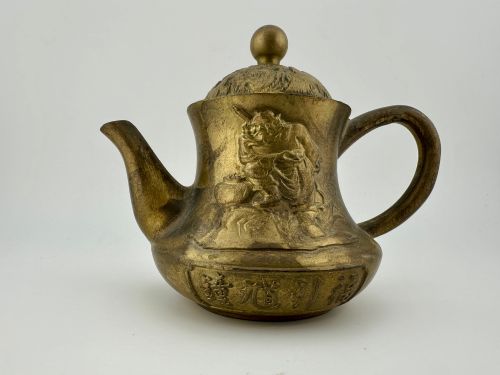
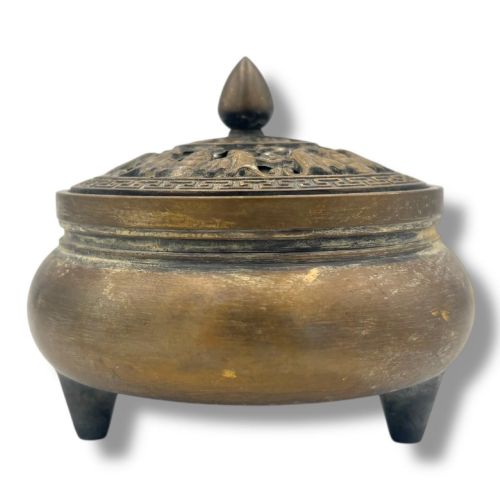
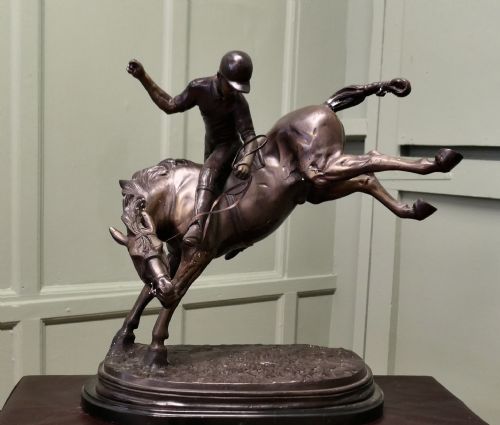
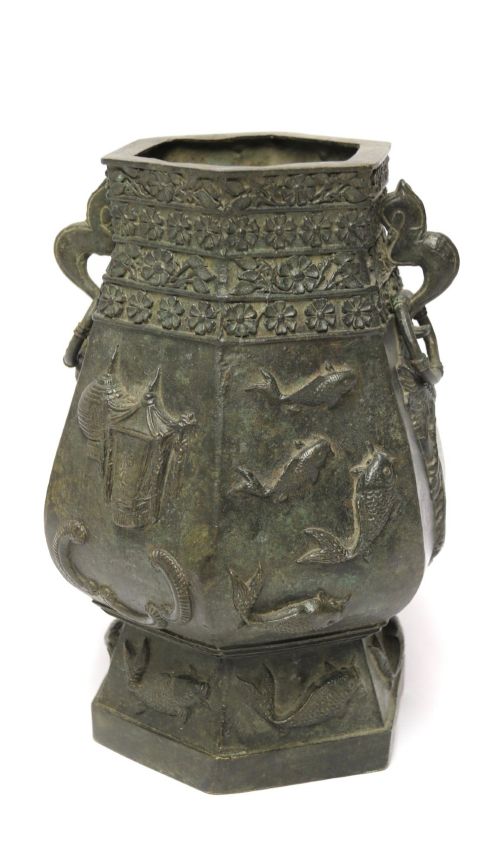
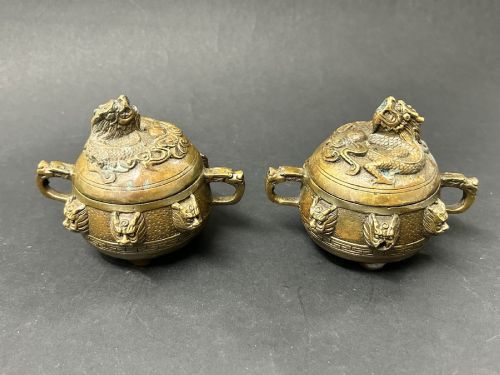
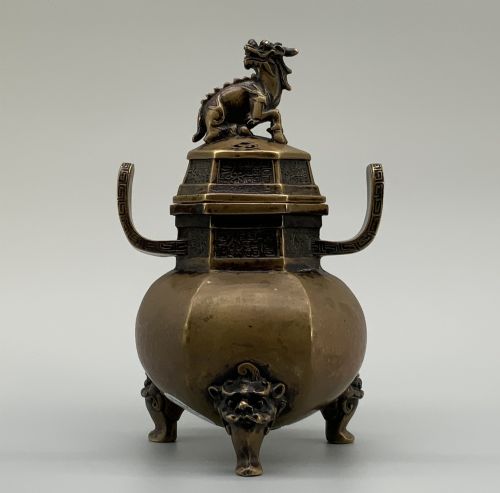
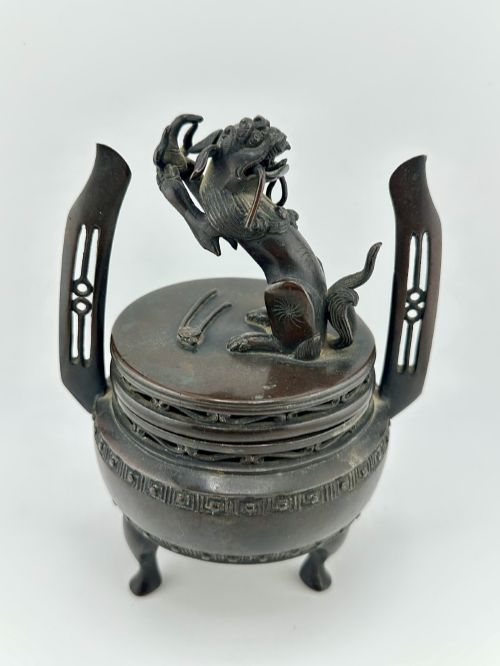
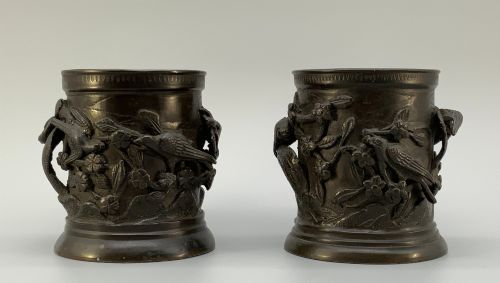
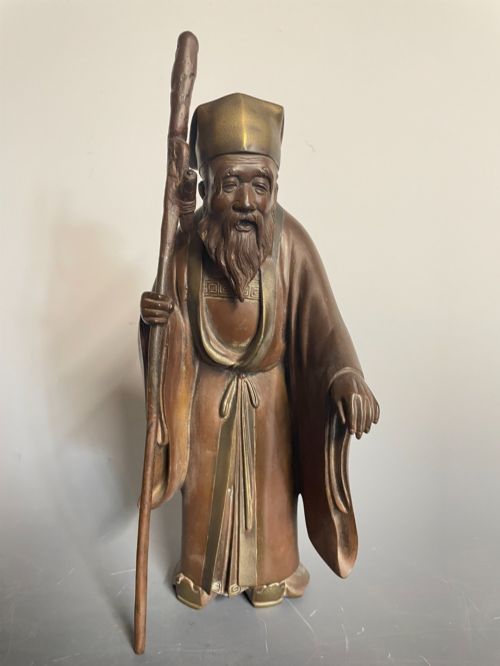
Antique patinated bronze encompasses figures, censers, mantel clocks, and lighting from the seventeenth century through to the art deco era. You will frequently encounter nineteenth-century European sculptures, Grand Tour models of classical figures, and Japanese Meiji period works.
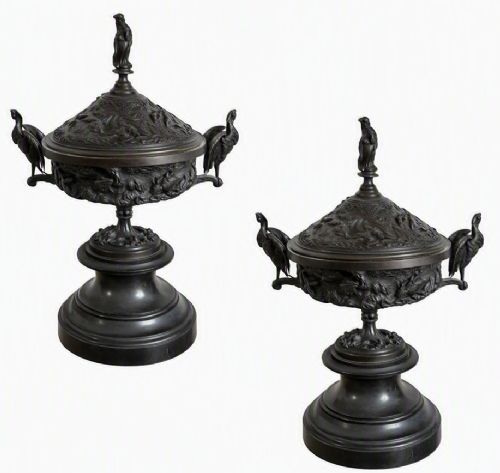
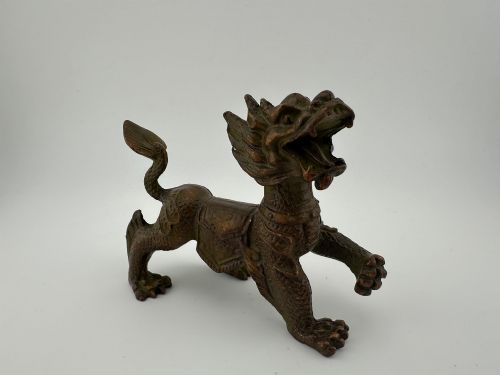
The objects serve decorative and practical functions, ranging from scholar's seals and animalier groups to candelabra and architectural vases. Asian vessels and Japanese bronze fauna sit alongside French garnitures and Austrian nude figures.
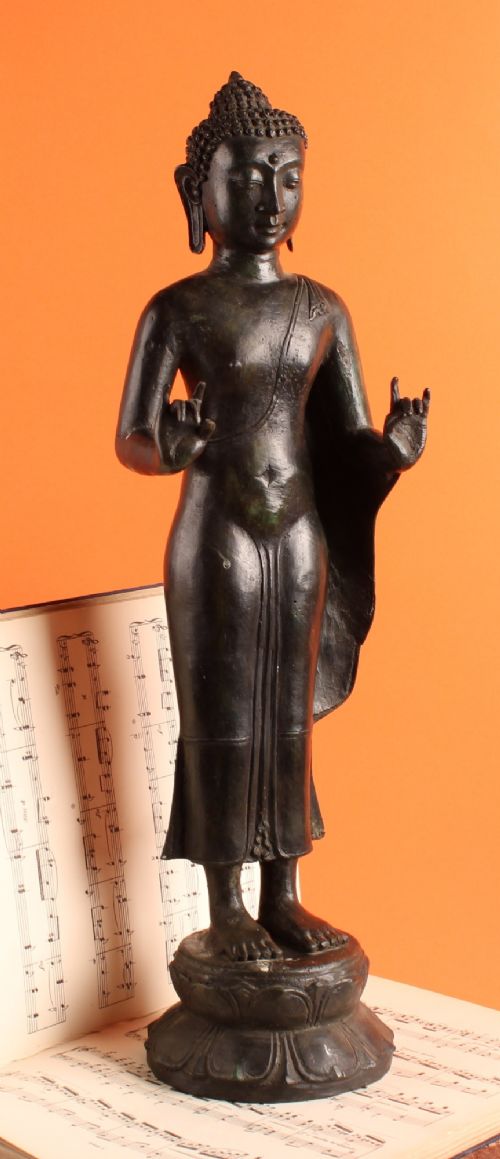
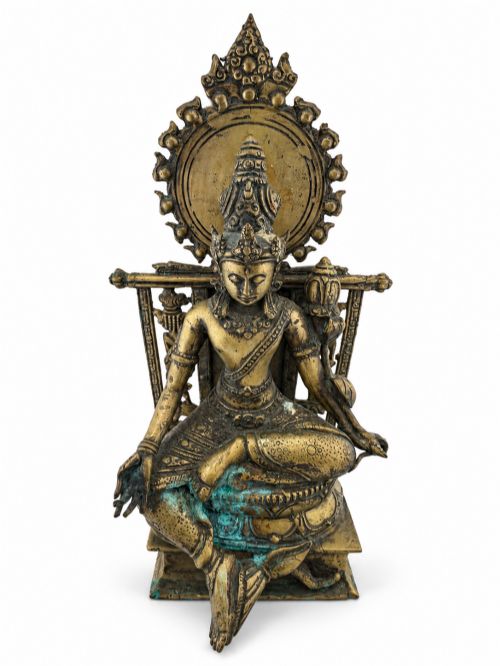
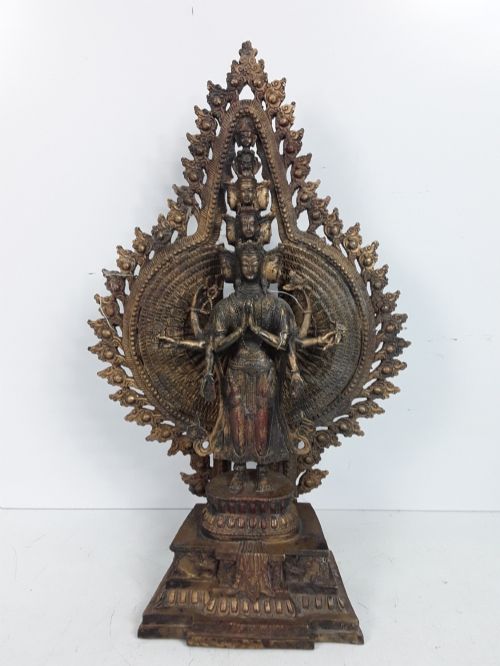
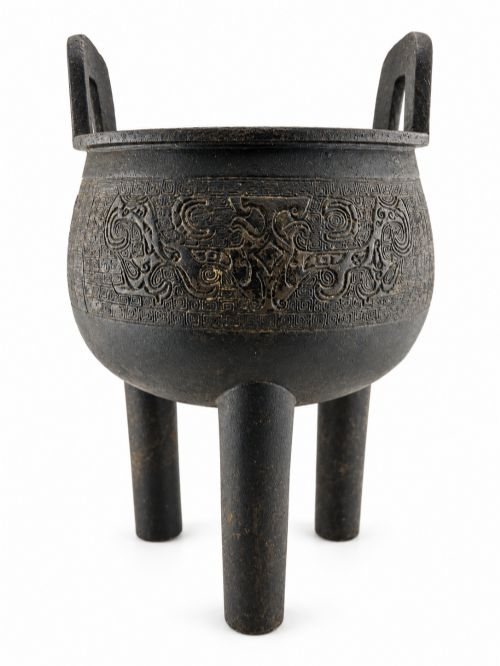
Makers and foundries span diverse cultural traditions, incorporating Chinese archaic vessel forms, Indian deities, and Western figurative subjects. The common thread is copper alloy cast and finished with deliberate chemical or thermal surface colouration.
How they were made
Chemical patination involves applying acids, sulphur compounds, or heat directly to the bronze surface to induce controlled oxidation. This process yields deep browns, verdigris greens, and near-black finishes that protect the underlying metal and accentuate sculptural contours.
Listings feature items spanning the seventeenth century through the 1940s, incorporating marble, wood, and ormolu alongside bronze.
What varies in quality
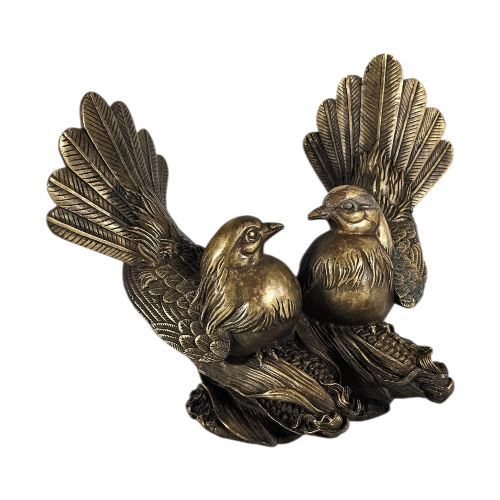
The crispness of the chasing determines how much detail survives the transition from wax model to cast metal. Superior pieces retain sharp feather barbs, distinct facial expressions, and clean lettering on signatures or foundry marks.
The depth and stability of the patination separate masterworks from routine production. A fine patina shows subtle tonal variations built up over time rather than a uniform, opaque modern paint layer applied to mask a weak cast.
Ferdinand Barbedienne·P J Mêne·Jules Salmson·Rudolf Küchler·Josef Lorenzl·Otto Geyer·Lemoyne·Olof Ahlberg
The Antique Patinated Bronze Glossary
- Patina
- A thin layer of chemical alteration on the surface of bronze resulting from age, burial, or deliberate treatment. This finish ranges from rich chocolate brown to mottled green.
- Animalier
- A nineteenth-century artistic movement and genre focused on realistic depictions of animals, often shown in motion or combat. Leading sculptors captured beasts with anatomical precision.
- Grand Tour
- A traditional trip through Europe undertaken by young upper-class men in the eighteenth and nineteenth centuries to study classical art. Travellers purchased small bronze copies of ancient statues as souvenirs.
- Ormolu
- Gilded bronze produced by applying a mixture of mercury and gold to a cast bronze base before heating. This technique creates a bright, durable golden finish common on French decorative items.
- Archaistic
- A style in which later makers deliberately emulate the decorative motifs and shapes of ancient dynasties. Chinese pieces frequently adopt Shang and Zhou dynasty vessel designs.
Antique Patinated Bronze: Frequently Asked Questions
How do I clean antique bronze safely?
Dust the surface regularly with a soft, dry brush to prevent dirt accumulation in recessed details. Avoid water, abrasive cleaners, or chemical polishes that can strip away the historical patination.
Apply a very thin coat of microcrystalline wax if the metal requires protection against moisture. Buff gently with a clean cloth after application to maintain a stable, matte finish.
What is the difference between bronze and brass?
Bronze is primarily an alloy of copper and tin, which yields a darker, warmer tone and greater durability when cast. Brass consists mainly of copper and zinc, resulting in a brighter, more golden colour.
Historic pieces often blur these definitions due to variable foundry recipes. Patination helps distinguish them, as bronze takes on rich brown and green oxide layers.
How can I tell a grand tour bronze from a later copy?
Examine the underside and interior of the cast for tool marks, casting seams, and the composition of the metal. Nineteenth-century Grand Tour bronzes typically feature hand-filed surfaces and dense, heavy bronze alloys.
Look closely at the patina to see if it is integrated into the metal structure. Modern reproductions often exhibit a flat, uniform spray-paint finish lacking natural wear.
Where were Japanese Meiji bronzes made?
Japanese Meiji bronzes were produced in regional manufacturing centres such as Kyoto and Tokyo following the opening of trade in the nineteenth century. Master metalworkers adapted traditional armour-casting techniques for export markets.
These workshops created realistic eagles, vases, and okimono with intricate inlaid details. Many pieces combine bronze with other metals like silver and copper to create contrasting highlights.