






French Historical Bronzes
French historical bronzes capture figures from the past in cast metal, bringing nineteenth-century portraiture and military history directly to a desk or mantelpiece.
French Historical Bronzes
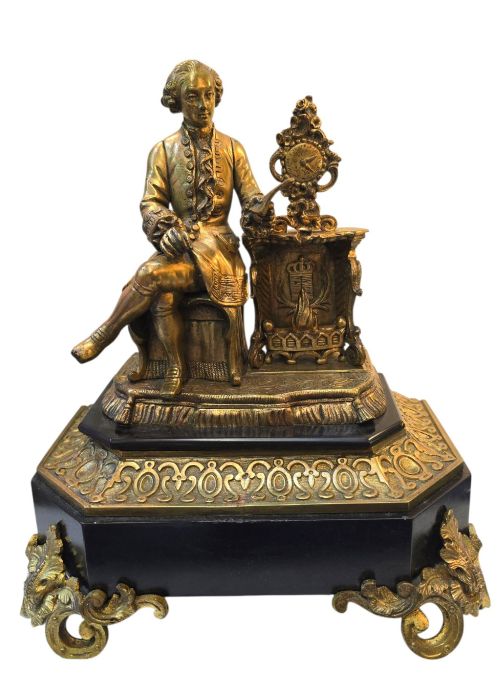
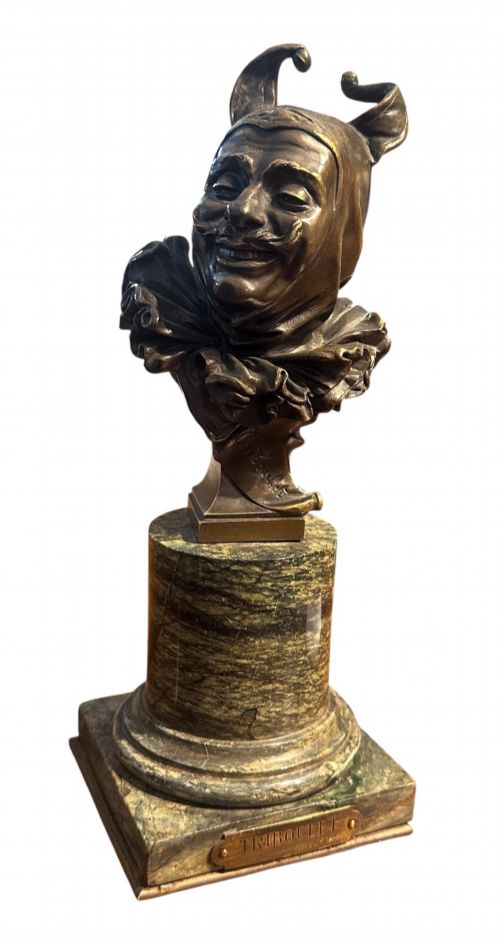
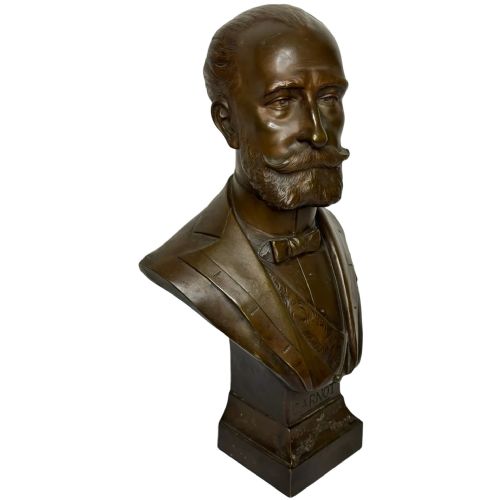
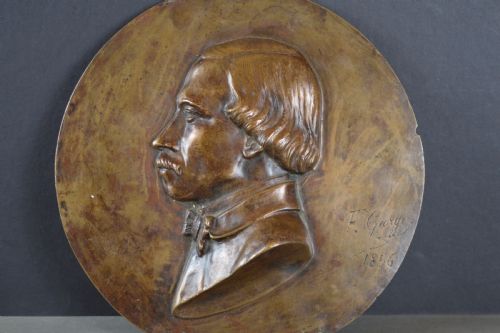
French historical bronzes comprise sculptures, busts, equestrian statuettes, and wall plaques depicting monarchs, military commanders, and cultural figures. These works emerge predominantly from the nineteenth century, drawing heavily on French Empire, Neoclassical, and Renaissance Revival traditions.
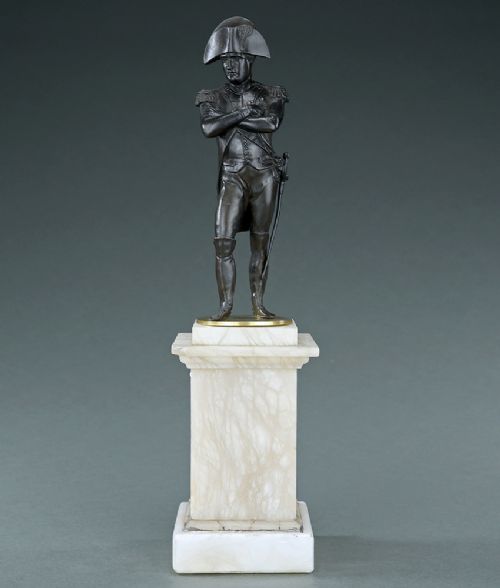
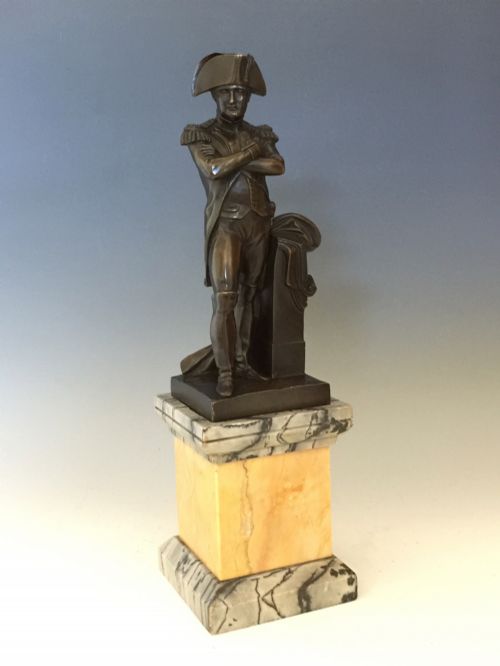
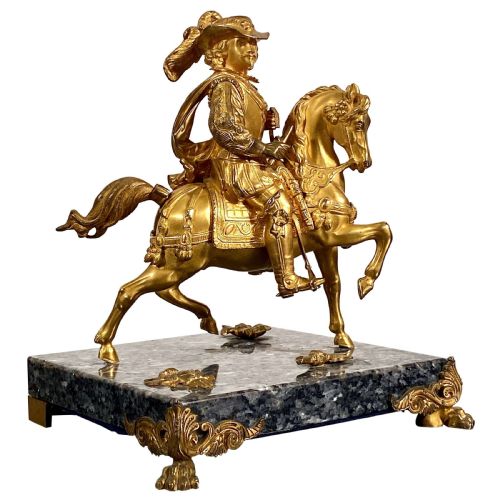
A buyer examining this page will most frequently encounter figures of Napoleon Bonaparte alongside monarchs such as Louis XIV and Henry IV. These subjects reflect a nineteenth-century fascination with national history and military prowess.
The objects range from cabinet bronzes and library pieces to mantel clocks and commemorative medallions. Cast iron and brass occasionally appear alongside the primary metal, often mounted on marble bases.
Materials and casting methods
Foundries utilised traditional bronze casting techniques to capture intricate uniform details, facial expressions, and equestrian gear. The resulting casts received varying patinations, from dark brown and black finishes to highlights in gilt bronze and ormolu.
Many pieces incorporate contrasting materials to elevate the presentation of the metalwork. Green marble and standard marble frequently serve as heavy plinths for busts and full-length figures, while wall plaques often feature brass frames.
Napoleon appears ready for campaign on numerous mantelpieces, flanked by literary figures and field gun models.
Assessing craftsmanship and execution
The sophistication of the patina and the quality of any mercury gilding or ormolu mounts distinguish standard foundry output from superior works. Heavier, more stable marble bases and clear signatures or foundry stamps indicate higher production standards.
Pierre-Augustin Caron de Beaumarchais·Emile Guillemin·E.H. Dumaige·Jean Jules Salmson·Barbedienne·Willems·Adolphe Jean Lavergne·James Pradier·C.Anfrie
The French Historical Bronzes Glossary
- Patina
- The chemical or natural surface coloration applied to the bronze. This finish protects the metal and defines the tonal depth of the sculpture.
- Ormolu
- Gilt bronze created by applying a finely ground gold-mercury amalgam to a bronze object. The piece is then heated to drive off the mercury, leaving a durable gold layer.
- Foundry stamp
- A mark or cipher impressed into the metal by the workshop that cast the piece. These stamps help identify the manufacturing house.
- Chasing
- The manual finishing process where a metalworker refines the raw bronze cast using chisels and punches. This step restores detail lost during the casting process.
- Cabinet bronze
- A small-scale sculpture designed for display on a tabletop or within a cabinet rather than a public monument.
French Historical Bronzes: Frequently Asked Questions
How do I clean a bronze sculpture?
Dust the surface regularly with a soft, dry brush to prevent particulate accumulation. Avoid using water, soap, or chemical polishes, which can strip the historic patina.
Apply a very thin coat of microcrystalline wax periodically if the metal requires protection from atmospheric moisture. Buff gently with a clean cloth to maintain the intended sheen.
Were these bronzes made during the events they depict?
Most pieces on this page date from the nineteenth century, long after the lives of figures like Louis XIV or Henry IV. They represent nineteenth-century historicism and retrospective commemoration.
Sculptors of this era reinterpreted earlier monarchs and military campaigns to satisfy contemporary tastes for patriotic and historical subjects.
What is the difference between bronze and ormolu?
Bronze is an alloy of copper and tin used as the primary structural metal for the sculptures and figures. Ormolu refers specifically to applied gold gilding on bronze mounts or decorative elements.
Many nineteenth-century pieces combine patinated dark bronze figures with bright ormolu accents to create visual contrast.
How are military figures identified?
Sculptors often included precise uniform details, regimental headwear, and weaponry characteristic of specific campaigns. Titles or inscriptions on the base frequently name the historical commander.
Researching the uniform style and campaign medals depicted on the statuette reveals the exact historical moment the artist sought to record.