


Bronze Sculpture Religious
Bronze sculpture religious pieces unite centuries of spiritual devotion through cast metalwork.
Bronze Sculpture Religious
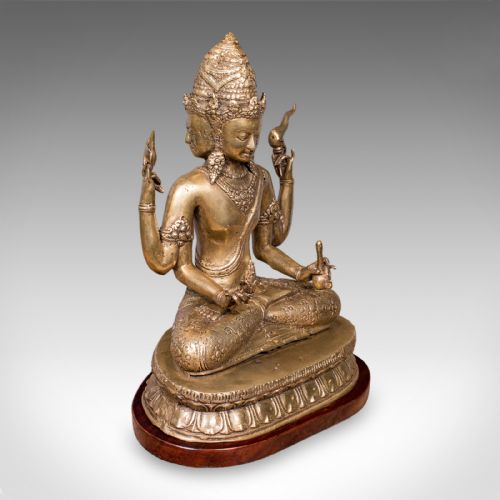
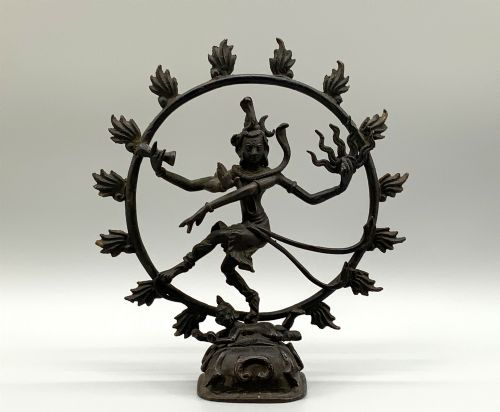
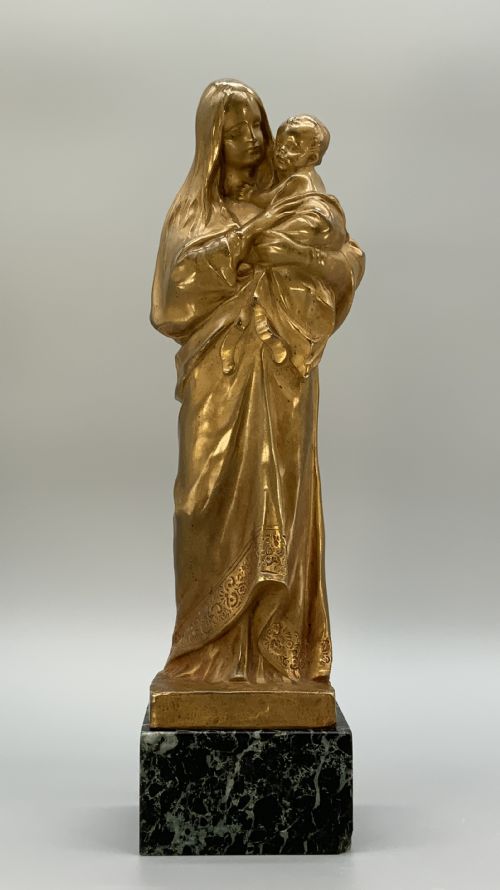
Bronze sculpture religious works span diverse global traditions, encompassing Hindu deities, Buddhist figures, and Christian saints. Buyers seeking bronze sculpture religious pieces encounter representations ranging from Balinese icons and South Indian depictions of Shiva to European portrayals of Christ, the Virgin Mary, and Saint Peter.
Forms include freestanding statues, busts, wall sculptures, and detailed plaques originating from periods as varied as the seventeenth century, the Victorian era, and the early twentieth century. Regional styles extend from Sino-Tibetan and Ayutthaya aesthetics to Grand Tour souvenirs and Austrian foundry output.
How they were made
Makers utilised bronze, copper alloy, and brass, often applying surface treatments such as gilt finishing, silvering, and dark patination. Many Asian and European items rely on traditional lost-wax casting methods to achieve intricate surface details in the metal.
Some sculptures incorporate secondary materials like wood and marble bases or decorative turquoise inlays. Solid cast pieces and hollow figures both appear across the various centuries represented.
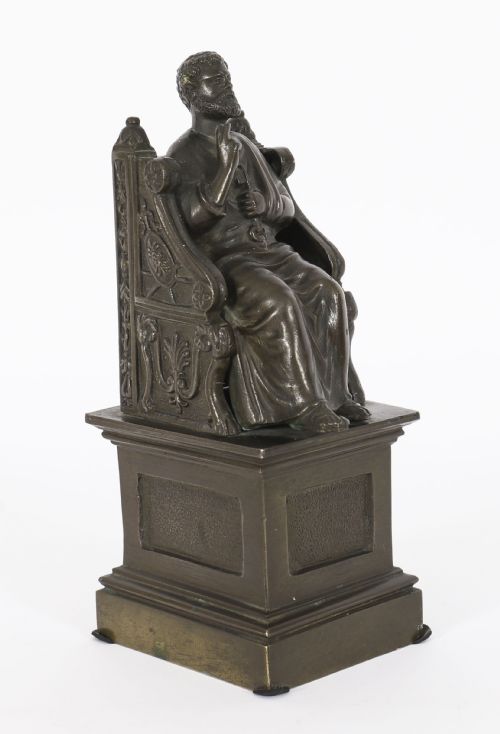
Saint Peter stands ready to let visitors into the afterlife, cast meticulously in heavy patinated bronze.
What varies in quality
The finesse of the chasing and the crispness of the cast define the visual strength of each figure. Superior examples retain sharp facial expressions, clean drapery folds, and deliberate patination that enhances the underlying metalwork.
Artistic execution and proportion distinguish workshop output, whether in the flowing contours of a European bust or the traditional iconographic accuracy of an Asian deity. Wear and surface oxidation reflect the age and handling history of the piece.
Hans Müller·George Minne·Gian Federigo Bonzagna
The Bronze Sculpture Religious Glossary
- Patinated bronze
- Metal sculpture treated with chemicals to produce a specific surface colour or dark tone. This finish protects the underlying alloy and defines the contours.
- Lost-wax casting
- A metalworking process where a molten metal is poured into a mould that has been created by means of a wax model. The method allows for intricate undercut details.
- Gilt bronze
- Metalwork coated with a thin layer of gold or gold amalgam for decorative brilliance. It appears frequently on devotional figures across multiple traditions.
- Grand Tour
- A cultural journey undertaken by European travellers who collected souvenirs such as classical and religious bronzes. These items date predominantly to the nineteenth century.
Bronze Sculpture Religious: Frequently Asked Questions
How do I identify the religion?
Iconographic details such as multiple arms, specific hand gestures, or traditional attributes point towards Hindu and Buddhist deities. Christian figures typically display symbols like halos, crosses, or specific saintly garments.
Regional stylistic traits also guide identification, separating Asian traditions from European ecclesiastical works.
What is patinated bronze?
Patinated bronze refers to metalwork that has undergone chemical treatment to alter the surface colour. This process creates darker tones that highlight the sculptural form.
Over time, natural handling can also contribute to the character of the surface patina.
Are these pieces solid cast?
Manufacturing techniques vary between solid casting and hollow construction depending on the size and origin of the sculpture. Smaller figures are frequently cast solid, while larger busts and statues often utilise hollow cores.
Weight provides a primary indicator of internal construction.
How should I display them?
These sculptures suit stable, flat surfaces away from direct moisture and extreme temperature fluctuations. Heavier items benefit from sturdy shelving or dedicated display tables.
Allowing adequate space around each piece highlights the metalwork and form.