



Antique Brass Deity
These antique brass deity figures and related ritual bronzes offer centuries of devotional craftsmanship for your mantel or cabinet.
Antique Brass Deity
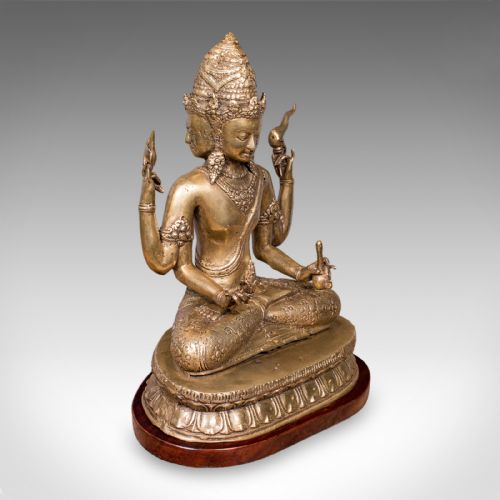
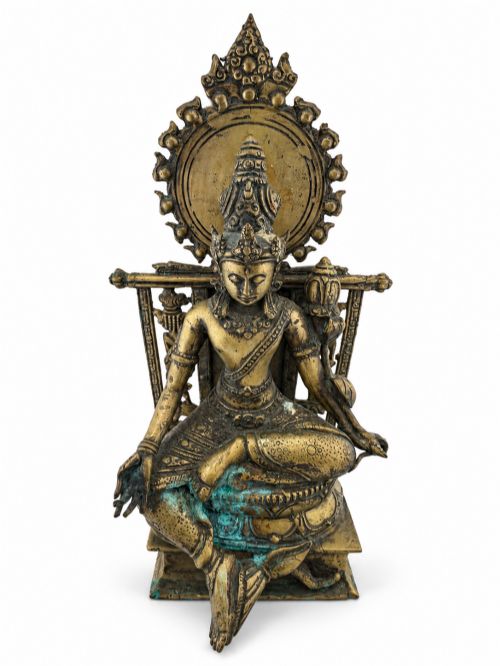
When you search for antique brass deity, you encounter a diverse array of ritual figures, religious icons, and sculptural representations originating from various Asian and colonial traditions. The offerings span multiple centuries, capturing sacred forms from Hindu, Buddhist, and Jain traditions.
You are most likely to meet Tibetan and Indian bronze statues depicting figures such as Green Tara, Buddha, and Ganesh. These pieces range from small household shrines to substantial bronze sculptures with mineral inlays and gilt finishes.
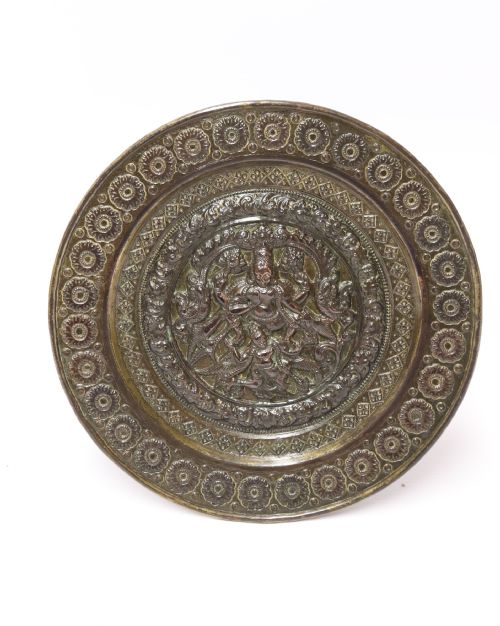
The material record includes not only brass and bronze, but also copper alloy, gilt bronze, and gilded bronze alongside related objects like incense burners and desktop cabinets. Regional styles encompass Tibetan, Balinese, Sino-Tibetan, Javanese Classical, and Anglo-Indian works.
Materials and construction methods
The objects recorded here rely upon cast copper alloys, primarily bronze and brass, shaped through traditional lost-wax casting methods. Artisans often enhanced these metal forms with gold leaf, gilt finishes, and applied mineral inlays.
Surface treatments vary from polished solid bronze to rich gilding that highlights the intricate drapery and facial expressions of each deity. Supplementary materials such as wood appear in specific utilitarian items like cabinets associated with the broader collection.
A heavy four-kilogram bronze elephant-headed deity stands ready to clear obstacles from your path.
Markers of quality and execution
The weight and balance of the cast metal, alongside the anatomical proportion and sculptural presence of the deity, distinguish more accomplished works from simpler trade pieces. Surface wear should reveal natural age patination rather than obscuring the artistic intent of the maker.
The Antique Brass Deity Glossary
- Bronze
- An alloy consisting primarily of copper, commonly combined with tin, used historically for durable statuary and ritual vessels. This material takes a fine patina and accepts gilding readily.
- Gilt Bronze
- Metalwork coated with a thin layer of gold or gold leaf to impart a radiant surface. This technique was frequently applied to sacred Buddhist and Hindu sculptures.
- Mineral Inlays
- Precious or semi-precious stones embedded into the metal surface of a statue to accent ornaments or eyes. These additions enhance the devotional value of the icon.
- Lost-wax casting
- A metalworking process where a molten metal is poured into a mould that has been created by means of a wax model. The method allows for intricate undercut details in religious figures.
- Patina
- A thin layer that naturally develops on the surface of bronze and brass over extended periods through oxidation and handling. Collectors value stable patinas for confirming age.
Antique Brass Deity: Frequently Asked Questions
What is an antique brass deity?
An antique brass deity is a sculptural representation of a sacred figure from traditions such as Buddhism, Hinduism, or Jainism, cast in metal centuries ago.
These pieces served as focal points for meditation, household worship, or temple rituals before eventually entering the collector market.
How do I care for a bronze statue?
Bronze and brass statues require minimal intervention, needing only gentle dusting with a soft, dry brush to prevent the accumulation of grit in crevices.
Avoid using commercial metal polishes or liquid cleaners, as these can strip away the historical patina that accumulates over centuries.
How do I identify different regional styles?
Regional styles appear through distinct iconographic details, facial structures, and casting techniques characteristic of Tibetan, Balinese, Indian, or Javanese workshops.
Comparing the treatment of garments, crowns, and posture often reveals the specific cultural and temporal origin of the sculpture.
Were these figures meant for daily worship?
Many of these metal figures functioned as personal shrine pieces or focal points for daily domestic devotion and offerings.
Their scale and portability allowed practitioners to maintain a sacred space within the home or transport smaller icons during travel.