


Bronze Satyr Sculpture
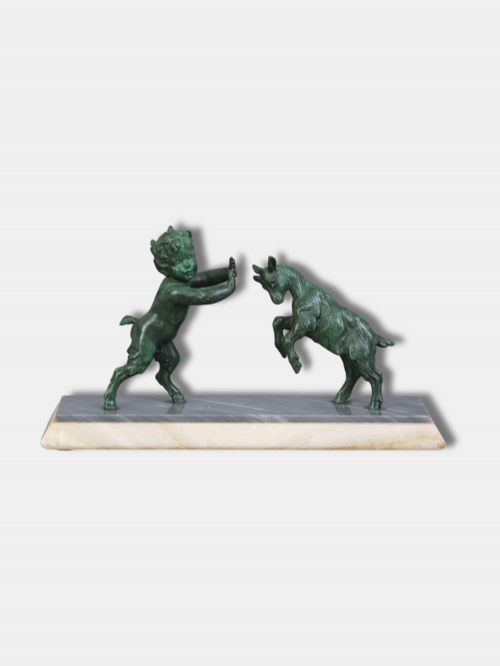
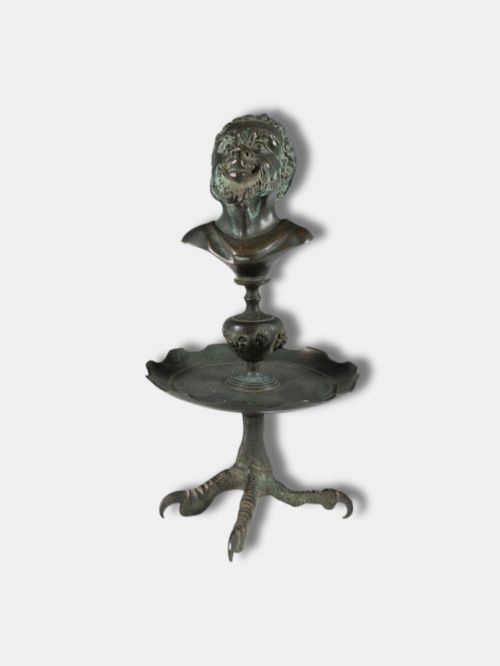
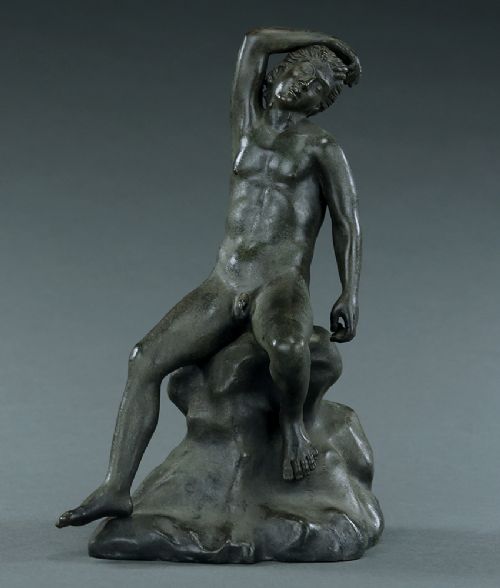
These bronze satyr sculpture pieces capture classical mythology in cast metal, bringing mythological figures into nineteenth-century interiors.
Bronze Satyr Sculpture
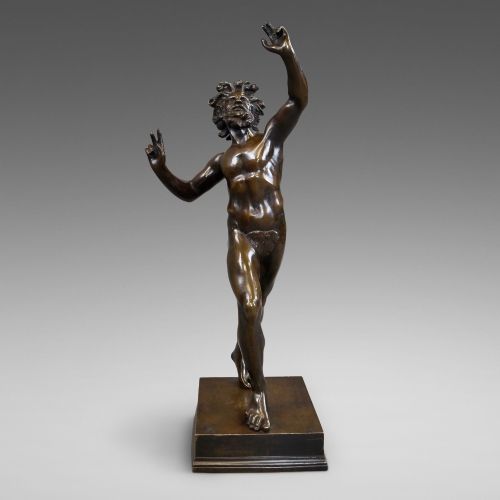
A bronze satyr sculpture depicts mythological figures associated with Bacchus, including fauns and Pans, rendered in metal during the nineteenth century. These works frequently draw inspiration from classical antiquities discovered at Pompeii or produced as souvenirs for travellers on the Grand Tour.
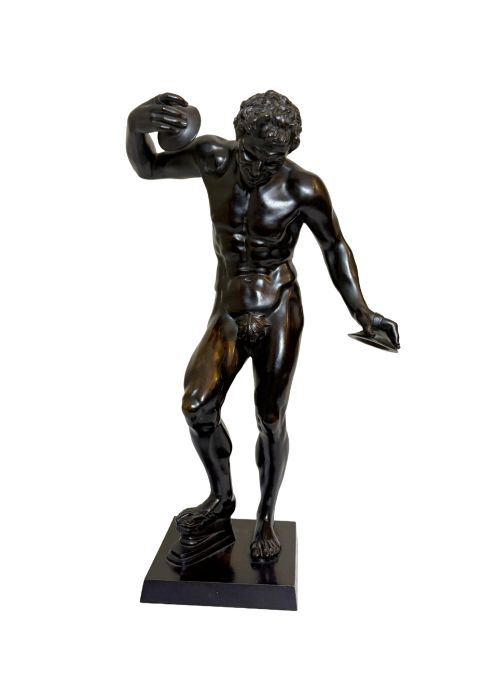
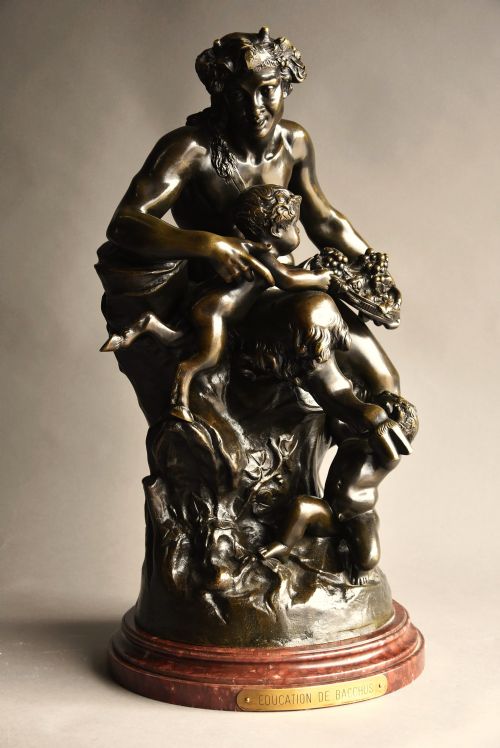
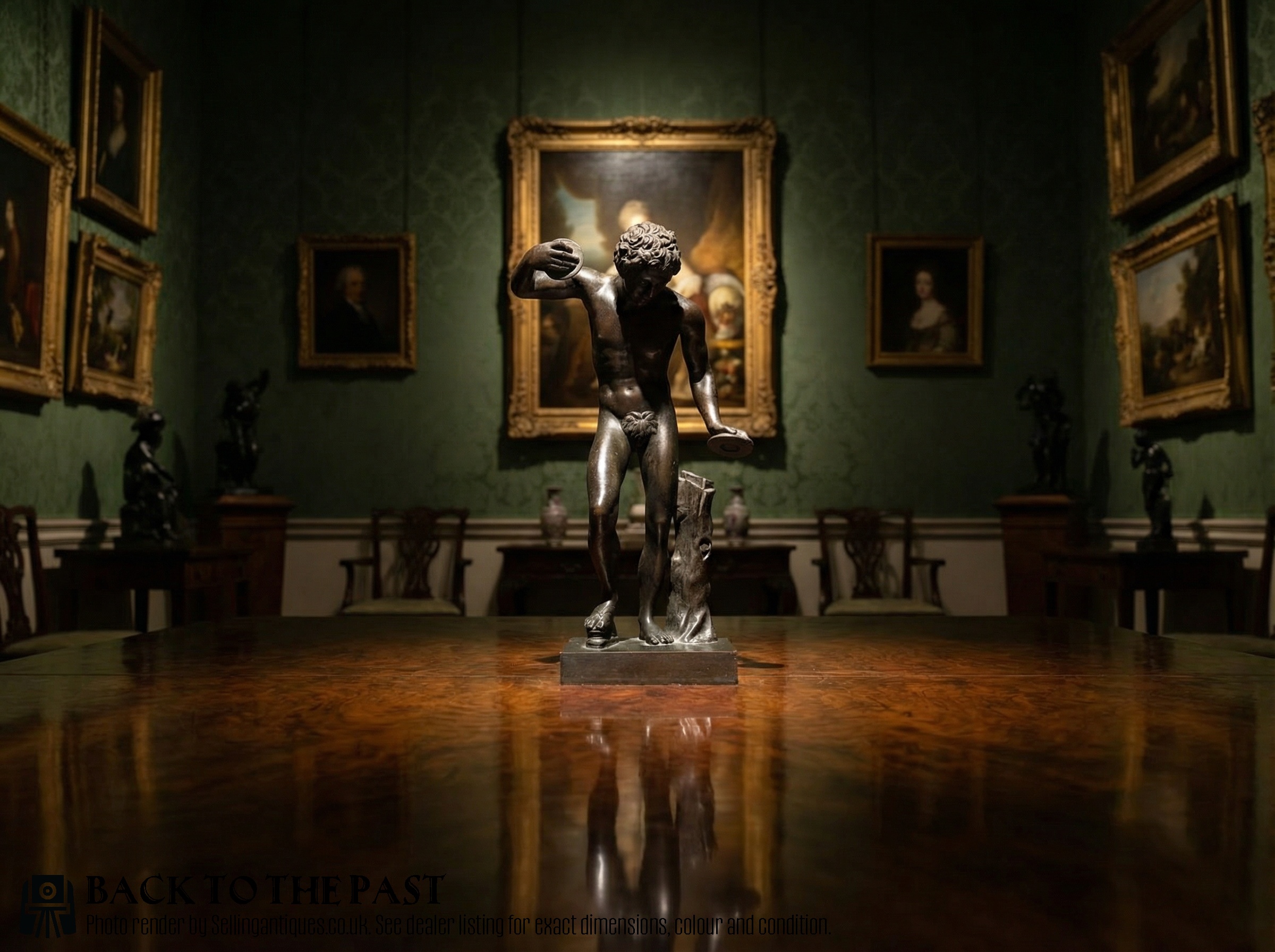
The versions most commonly met on this page take the form of dancing figures, such as the Dancing Faun of Pompeii, alongside groups featuring Bacchus or infant fauns. Figures appear in various postures, including playing pipes, holding cymbals, or resting.
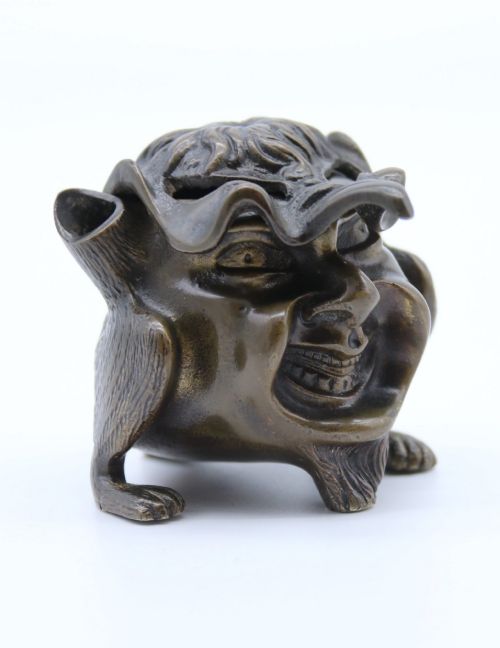
Beyond standalone statuary, these forms appear in functional objects like inkwells and oil lamps, or as wall plaques and masks. Materials extend beyond cast metal to include patinated bronze, marble bases, plaster, and gilt plaster.
What varies in quality
The refinement of the casting defines the upper tier of these pieces, where muscular definition, facial expression, and surface chasing remain crisp and distinct. Lesser examples suffer from softened details and heavy, uniform patination that obscures the underlying form.
The fidelity to classical prototypes and the nuance of the finish separate commercial souvenirs from substantial sculptural studies. Superior patination mimics ancient patinas effectively, while secondary elements like marble mounts display precise cutting and fitting.
Several dancing fauns hold cymbals aloft with permanent, joyful enthusiasm, refusing to let nineteenth-century domesticity quieten their perpetual party.
Claude Michel Clodian·Emile Carlier·Augusto Rivalta
The Bronze Satyr Sculpture Glossary
- Grand Tour
- A cultural journey undertaken by wealthy young Europeans through France and Italy to study classical antiquities. Souvenirs from these trips inspired many nineteenth-century bronze reductions of famous statues.
- Patinated bronze
- Metal treated with chemical solutions to produce a specific surface colour or aged appearance. This technique protects the underlying bronze while enhancing sculptural depth and shadow.
- Neoclassical
- A style originating in the mid-eighteenth century that drew inspiration from the art and culture of classical antiquity. It prioritised proportion, restraint, and mythological subject matter.
- Verdigris
- A green patina formed naturally on copper, brass, or bronze through atmospheric exposure. Nineteenth-century founders often simulated this finish on souvenir bronzes to evoke ancient excavation pieces.
- Reduction
- A smaller copy of a large-scale public monument or classical sculpture. These scale models allowed collectors to display famous museum pieces within domestic interiors.
Bronze Satyr Sculpture: Frequently Asked Questions
What is a Grand Tour bronze?
A Grand Tour bronze is a small-scale souvenir cast in Italy or France during the nineteenth century, reproducing famous classical sculptures seen during European travels.
These pieces allowed collectors to bring museum antiquities into their private homes.
Where were these sculptures displayed originally?
Nineteenth-century collectors placed these bronzes on library desks, mantelpieces, and dedicated sculpture pedestals within formal reception rooms.
Functional variants like inkwells and oil lamps sat upon writing tables and sideboards.
Are all these pieces solid bronze?
While many sculptures are cast in bronze or patinated bronze, the materials listed also include metal, plaster, and gilt plaster.
Many heavier bronze figures are mounted upon integral or separate marble bases for stability.