


Patinated Bronze Burner
A patinated bronze burner brings weight and an ancient surface to a room, functioning as both sculpture and vessel.
Patinated Bronze Burner
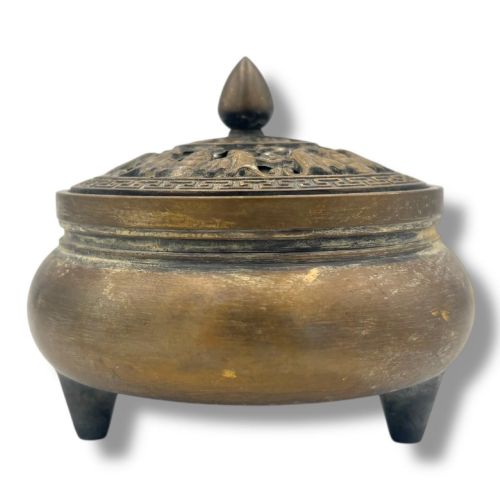
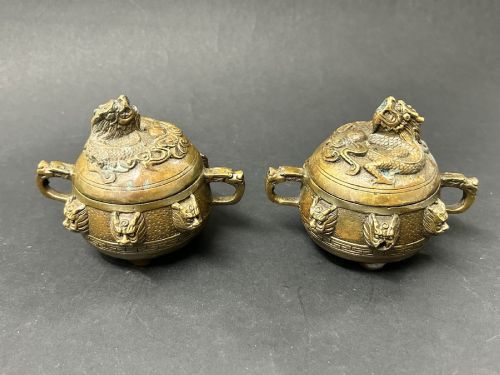
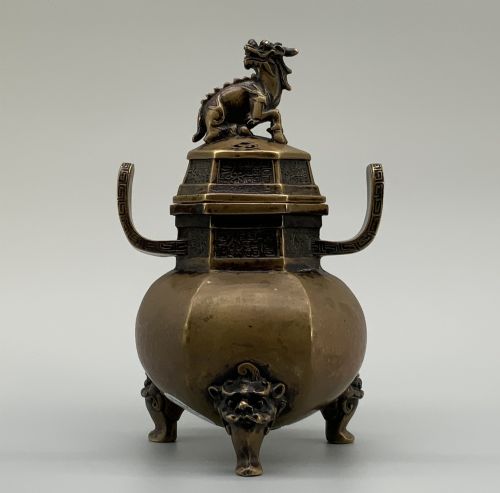
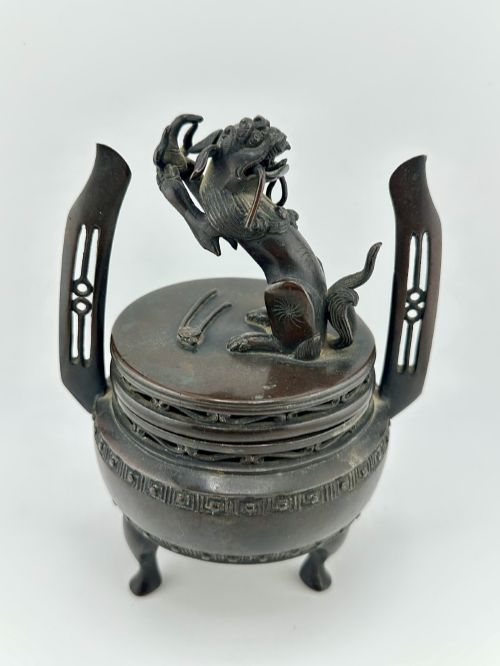
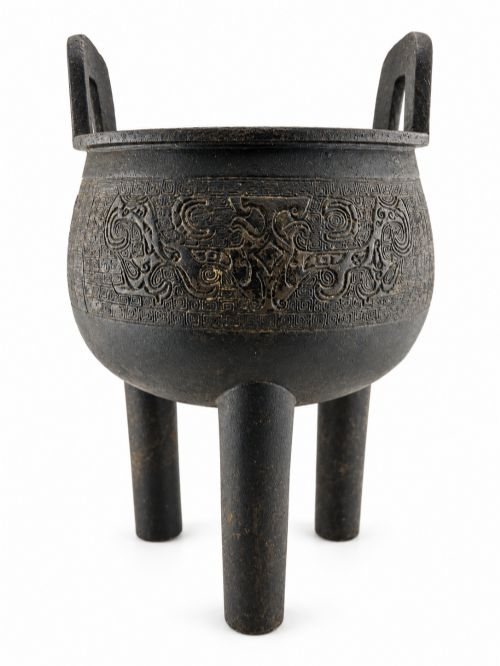
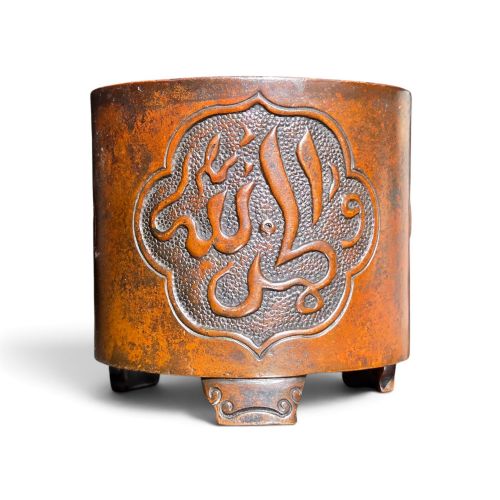
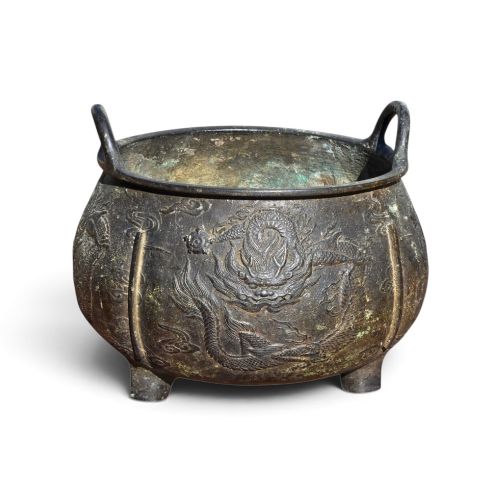
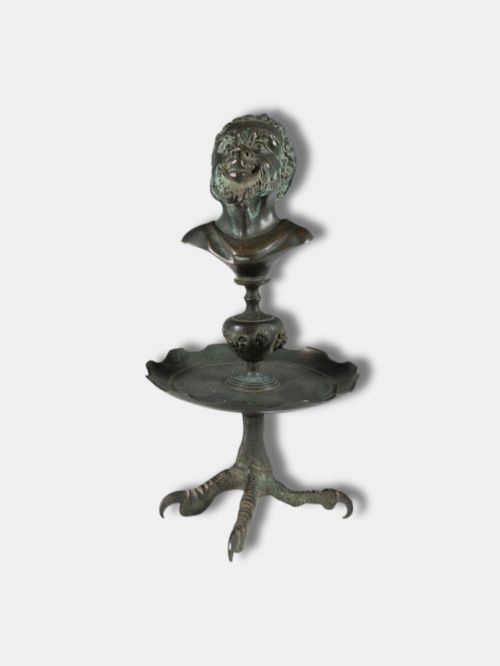
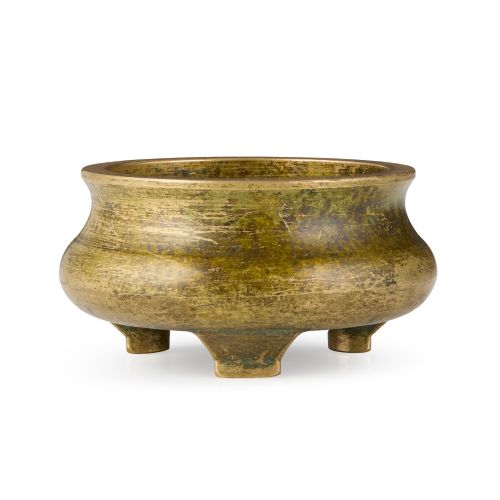
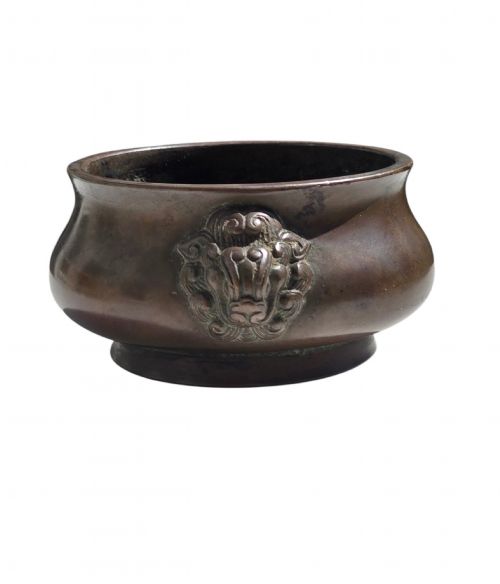
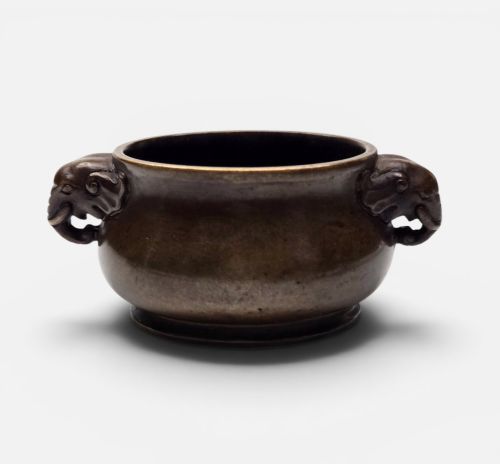
A patinated bronze burner is an object designed for burning incense or pastilles, shaped as a tripod censer, bowl, cassolette, or oil lamp. When you search this phrase, you meet vessels intended for scholar's studios, household ritual, or decorative display.
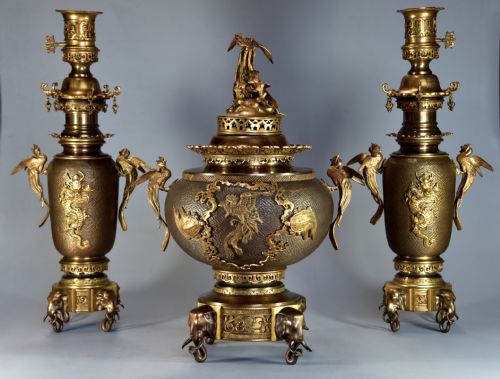
The pieces on this page span several centuries and traditions, stretching from Ming and Qing Dynasty China to Edo Period Japan, Regency England, and Victorian France. You are most likely to encounter tripod censers with pierced covers, alongside classical European cassolettes and urns.
Origins vary widely, encompassing Sino-Islamic commissions, Grand Tour souvenirs, and Anglo-Indian works alongside domestic European foundry pieces. Each regional workshop brought distinct casting traditions and surface treatments to the metal form.
Materials and casting techniques
Foundries relied on bronze, copper alloy, and brass, often enhancing the base metal with ormolu or gilding. Cast bronze forms were worked while hot or treated with chemical agents to build up deep patination.
Surface details depend heavily on the technique employed, ranging from lost-wax casting for intricate taotie decoration and figural finials to chased linework and pierced lotus floral lids.
The listings span multiple centuries, ranging from 16th-century Ming pieces to 19th-century French, Indian, and Chinese examples.
Assessing quality in bronze burners
Quality rests in the crispness of the cast and the depth of the patination, distinguishing sharp relief work from soft or muddy surface detail. Heavy, substantial pieces demonstrate superior metal density and structural integrity.
The fidelity of the design elements - such as qilin finials, dragon handles, or classical campana proportions - determines the piece's success. Original matching covers and integrated bases elevate the integrity of the ensemble.
The Patinated Bronze Burner Glossary
- Censer
- A vessel designed for burning incense. These pieces often feature tripod legs and pierced lids to release smoke.
- Cassolette
- A decorative vase or urn that functions as a burner or perfume pot. They frequently feature reversible lids.
- Patination
- The natural or chemically induced surface coloration of bronze over time. It creates varied tones across the metal.
- Archaistic
- A style that consciously imitates ancient forms and motifs. This approach appears frequently in dynastic Chinese bronzes.
- Tripod
- Standing on three feet. This configuration supports many traditional incense burners and censers.
Patinated Bronze Burner: Frequently Asked Questions
How do I use a bronze burner safely?
Place the vessel on a heat-resistant surface away from draughts. Use appropriate charcoal discs or incense cones inside the bowl.
Ensure the lid, if pierced, sits correctly to allow proper airflow while containing the heat. Allow the metal to cool completely before handling or cleaning.
How do I clean a patinated bronze surface?
Dust the exterior gently with a soft, dry cloth. Avoid chemical polishes and abrasive cleaners that strip the historic patinated surface.
Preserving the original skin of the bronze maintains both its visual depth and its historical character.
What is the difference between a censer and a cassolette?
A censer specifically holds burning incense, usually featuring a pierced cover designed to let smoke drift out. Their origins trace across Asian and Middle Eastern traditions.
A cassolette is typically European in origin, functioning as a perfume burner or pastille holder with a dual-purpose lid that can be reversed.
How do I date an antique bronze burner?
Examine the casting method, surface wear, and stylistic markers such as reign marks, archaic motifs, or regional design traits. Tool marks left by early casting processes offer clues to the period.
Compare the proportions and patination against documented examples from specific dynasties, the Edo period, or the Regency era.