



Bronze Putto Table Lamp
A bronze putto table lamp brings figurative warmth and classical charm to a room, combining sculptural presence with domestic light.
Bronze Putto Table Lamp
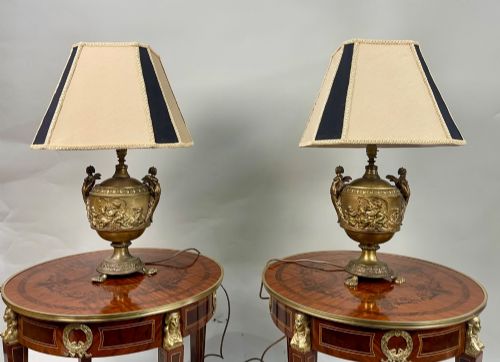
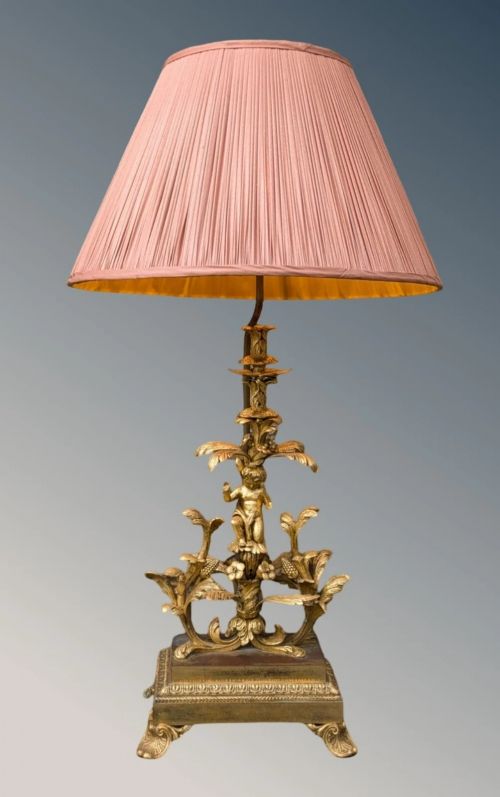
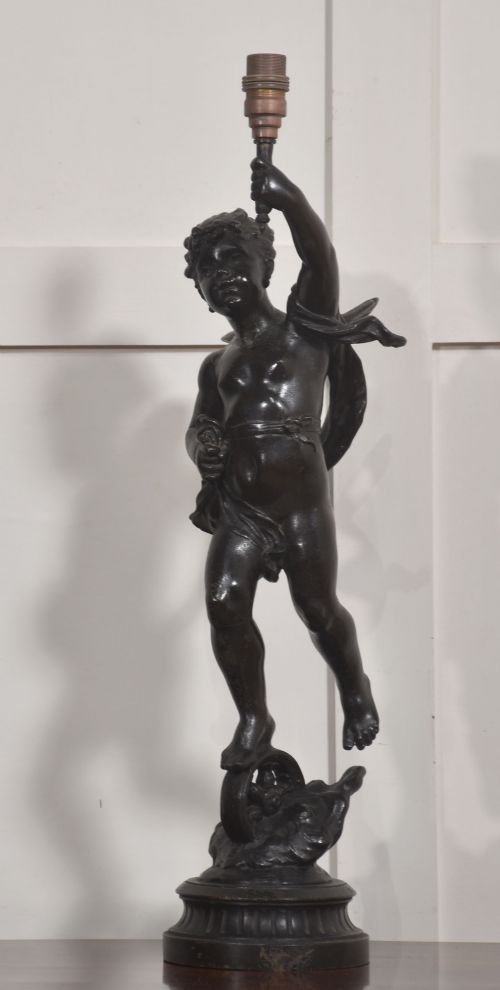
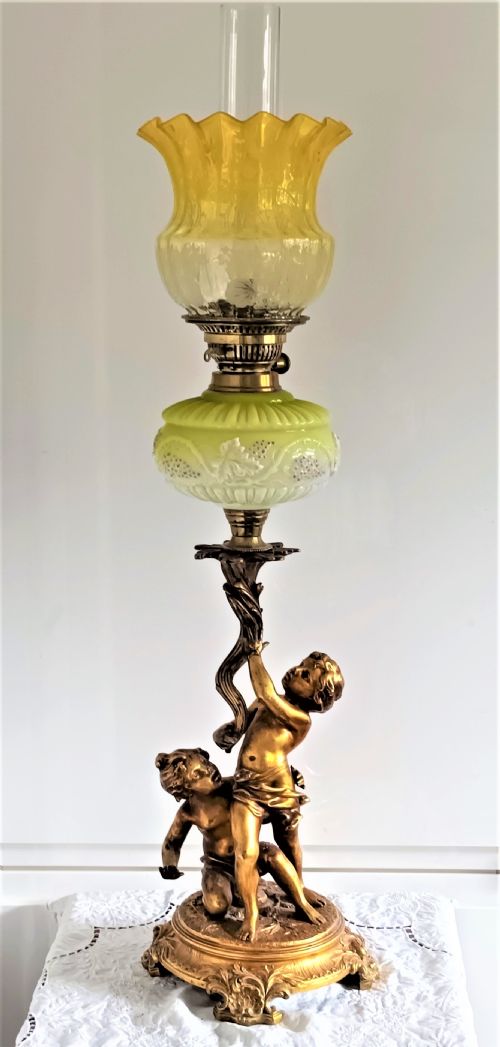
A bronze putto table lamp depicts winged infant figures in metal, often cast as part of a French Rococo Revival or Victorian interior scheme. These pieces frequently originate from the nineteenth century or the early decades of the twentieth century, taking the form of figural table lamps, converted oil lamps, or torchère stands.
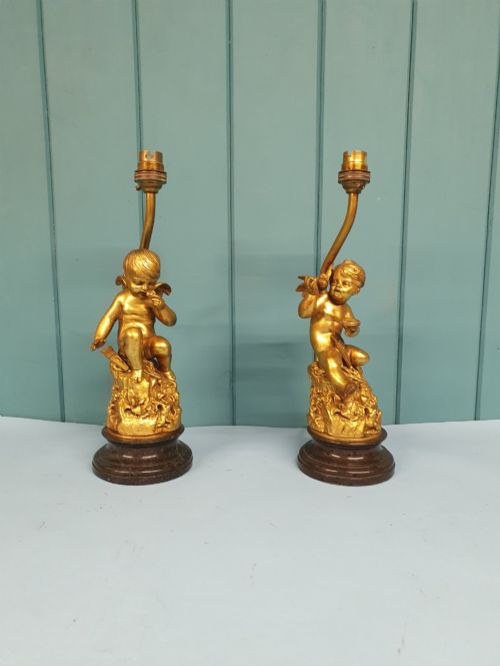
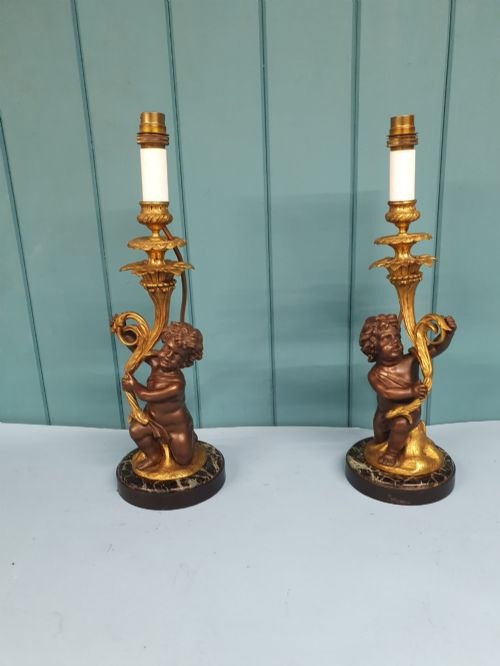
Buyers will encounter pairs and single figures cast in patinated bronze, gilt bronze, or ormolu, sometimes mounted on marble or brass bases. Many pieces incorporate glass elements, fabric shades, or porcelain bodies alongside the central metal casting.
Materials and casting methods
Foundry work relies primarily on bronze, brass, ormolu, and gilt metal, utilising traditional casting techniques to shape detailed figures of cherubs and putti. Surface finishes range from dark patination to fire-gilding, creating varied reflective qualities across the metalwork.
Many bases combine the primary metal casting with supportive elements of carved marble or turned brass. Selected items integrate glass, porcelain, or painted tole peinte components to complete the functional lamp body.
Bronze Putto Table Lamp Retail Price Guide 2026
Typical asking prices for bronze putto table lamp among the pieces listed under this phrase on Sellingantiques today, from the lower quarter to the upper quarter. They describe what is for sale here now, not the wider market.
Several cherubs hold dolphins.
Distinctions in execution and finish
The choice of materials also dictates the standard of the piece, with heavy fire-gilt bronze and substantial marble plinths marking out superior works. Original patination and integrated construction demonstrate the care taken during initial production.
Aug. Moreau
The Bronze Putto Table Lamp Glossary
- Putto
- A plump, often winged infant figure derived from classical art. These motifs appear frequently on nineteenth-century lighting and decorative metalwork.
- Ormolu
- Finely ground high-carat gold applied to a bronze base using a mercury amalgamation process. This technique yields a rich, durable golden surface.
- Patinated bronze
- Metal treated with chemicals, heat, or natural ageing to produce a stable surface colour. This process darkens the bronze to shades of brown or green.
- Torchere
- A tall stand or lamp base originally designed to hold a torch or candle. In later lighting, the form supports an upward-pointing light source.
Bronze Putto Table Lamp: Frequently Asked Questions
Are these lamps converted from older objects?
Many examples began life as oil lamps, statuettes, or vases before receiving modern electrical fittings during conversion.
This adaptation allows nineteenth-century decorative bronzes to function as practical table lighting while retaining their original sculptural components.
How do I clean the bronze parts?
Dust the metal gently with a soft, dry brush to prevent the accumulation of grit in recessed details of the casting.
Avoid abrasive cleaners or chemical polishes, which can strip historic patination or damage delicate gilt surfaces.
Where should I place a figural lamp?
These pieces suit side tables, desks, or mantelpieces where the detailed metalwork remains visible from multiple angles.
Pair arrangements work well on larger pieces of furniture to create symmetrical lighting schemes in traditional rooms.
How can I tell the period?
Dating relies on stylistic clues such as Rococo Revival curves, Victorian casting weight, and the integration of marble or brass plinths.
Material choices like fire-gilt ormolu versus later spelter alloys also help establish the approximate decade of manufacture.