



Neoclassical Bronze Desk Lamp
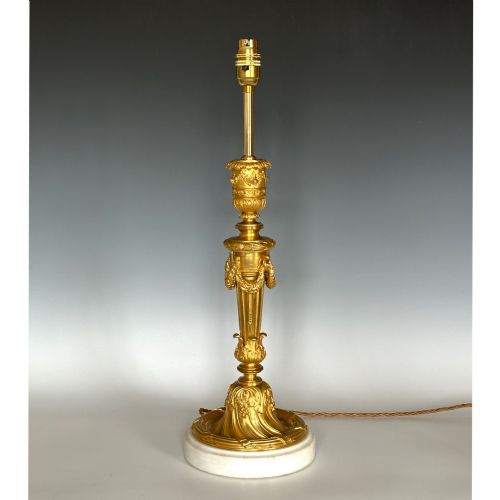
A neoclassical bronze desk lamp brings classical order to a room, combining patinated metal and marble in forms drawn from antiquity.
Neoclassical Bronze Desk Lamp
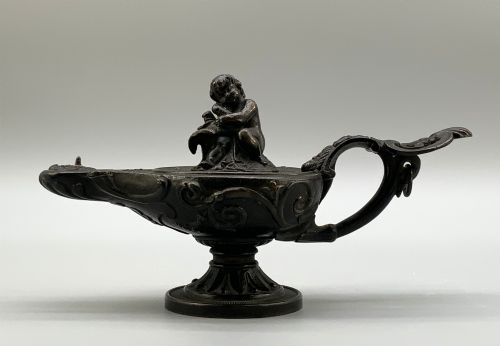
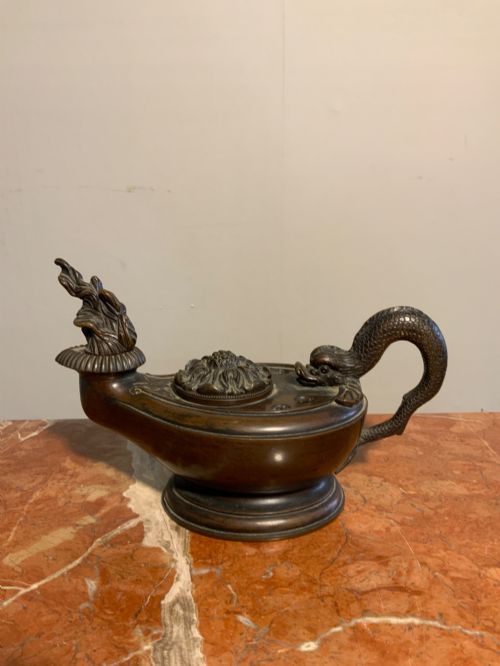
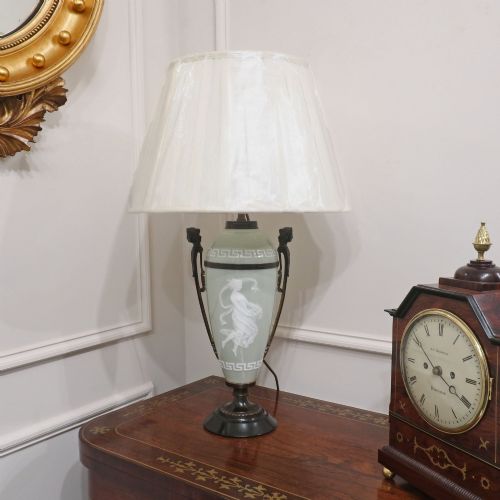
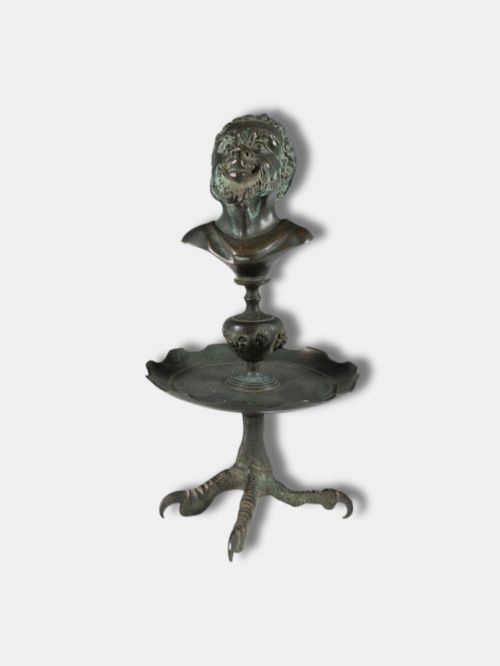
When you search for a neoclassical bronze desk lamp, you encounter table lamps, converted oil lamps, inkwells, and column bases rooted in nineteenth-century interpretations of ancient design. The selection includes French Empire and Louis XVI styles alongside English Regency pieces.
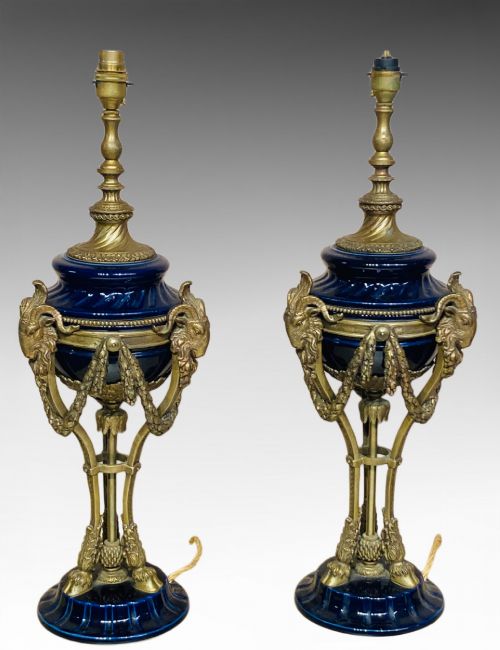
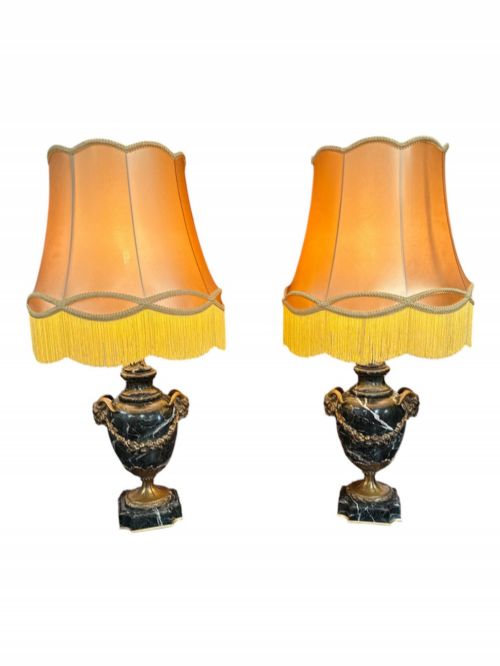
Most examples date from the nineteenth century, ranging from the Regency era through the late eighteen-hundreds, with occasional twentieth-century adaptations. Many pieces incorporate marble plinths, rams' heads, or classical columns.
While some listings describe specific desk accessories like inkwells, the primary form is the upright table or column lamp designed to provide task or ambient illumination. These objects reflect nineteenth-century revivals of Greek and Roman motifs adapted for domestic interiors.
Materials and construction
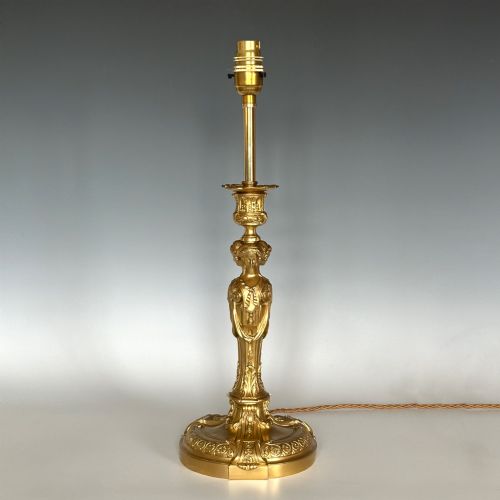
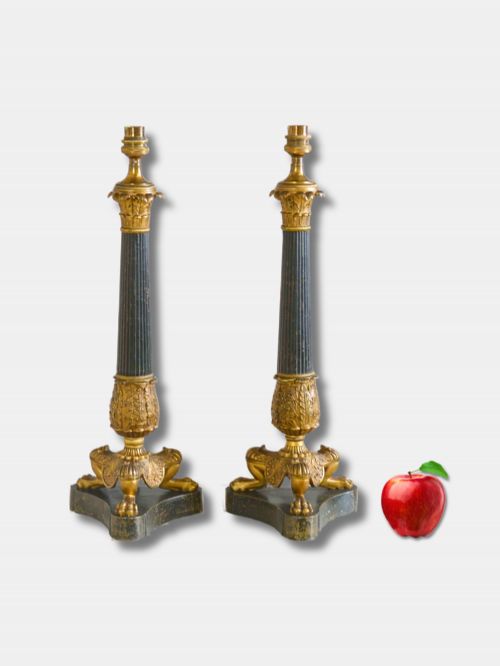
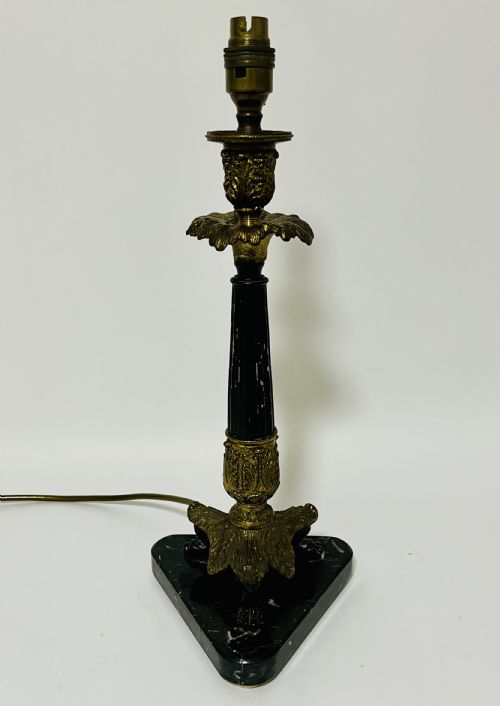
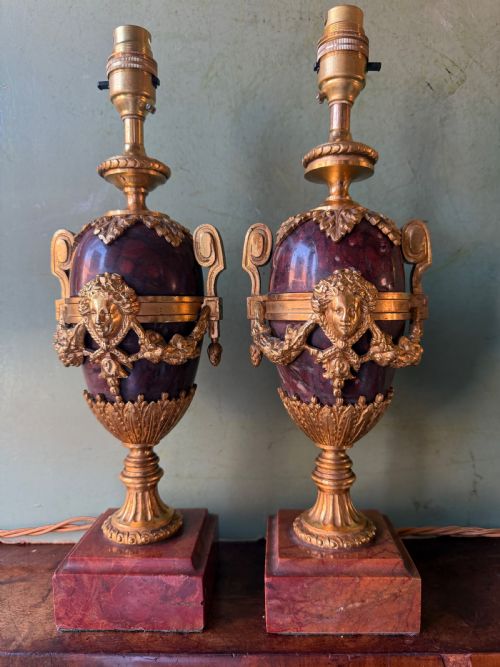
Maker workshops utilised cast bronze, patinated bronze, and ormolu, pairing gilded metal components with contrasting surfaces like rouge or white marble. Silk and fabric shades frequently accompany these mounted bases.
Foundry techniques involved sand casting or lost-wax methods for figural elements such as eagles, satyrs, and caryatids, followed by hand-chasing to sharpen details on the bronze. Ormolu sections received a fine layer of gold amalgam to achieve their characteristic bright finish.
Current listings feature materials including ormolu, patinated bronze, white marble, rouge marble, and silk.
Assessing quality and execution
The weight of the bronze and the selection of high-grade marble, such as Siena or rouge variants, distinguish finer workshop production from standard commercial output. Original patination and minimal repair to the structural cast elements also elevate the standing of a piece.
Jean Demosthene Dugourc
The Neoclassical Bronze Desk Lamp Glossary
- Ormolu
- Gilded bronze, produced by applying a mercury-gold amalgam to a bronze base and heating it to vaporise the mercury. This technique creates a durable, luminous golden finish characteristic of French decorative arts.
- Patinated bronze
- Bronze treated with chemical solutions to produce a controlled surface colour, typically dark brown, green, or near-black. It protects the metal and accentuates sculptural details.
- Cassolette
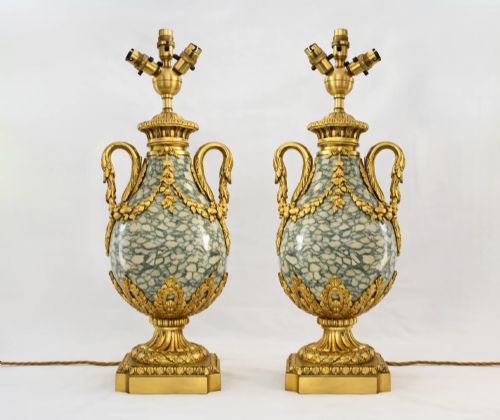
- A decorative vessel, often in marble and ormolu, designed with a reversible lid that functions as a burner or a solid vase. Many nineteenth-century lamp conversions utilise these bodies.
- Grand Tour
- The nineteenth-century practice where affluent travellers collected antiquities and classical reproductions in Italy and France. Many desk lamps and inkwells originate from this cultural movement.
- Empire style
- The design movement spanning the early nineteenth century, characterised by military motifs, classical figures, and heavy use of gilt bronze. It draws directly from Roman, Greek, and Egyptian archaeology.
Neoclassical Bronze Desk Lamp: Frequently Asked Questions
What periods do these lamps date from?
The listings span the nineteenth century, including Regency, French Empire, and Louis XVI revival periods from the eighteen-hundreds into the early twentieth century.
Most items reflect historical revivals rather than original antiquity, capturing the nineteenth-century fascination with classical archaeology and design.
How were oil lamps converted to electricity?
Conversion typically involves running wiring down through the original central column or burner mechanism without altering the exterior bronze or marble structure.
Skilled restorers preserve the original patination and mountings while updating the internal electrical components to meet modern safety standards.
Where should I place a bronze lamp?
These lamps suit study desks, library tables, and sideboards where their classical proportions and heavy marble bases provide stability and presence.
Pairing them with neutral fabric shades allows the patinated bronze and ormolu details to serve as focal points in traditional interiors.
How do I distinguish French from English pieces?
French pieces often display finer ormolu chasing and incorporate specific regional marbles like rouge or Siena, referencing Louis XVI or Empire models.
English Regency examples frequently utilise heavier cast bronze with robust figural supports, such as atlas figures or lions' paw feet, reflecting native interpretations of classical themes.