



Cast Bronze Decorative Lighting
Cast bronze decorative lighting brings warmth and architectural weight to a room, spanning periods from the eighteenth century to the Art Deco era.
Cast Bronze Decorative Lighting
When you search for cast bronze decorative lighting, you are looking at functional objects built to illuminate interiors through historical periods. These pieces range from eighteenth-century candlesticks to twentieth-century electric table lamps and ceiling lights.
You are most likely to meet nineteenth-century examples on this page, alongside specific pieces from the Regency period, the Meiji period, and the Art Deco era. The forms vary from wall sconces and wall lights to candlesticks and table lamps.
Makers and designers referenced in the inventory include P. Sega and Liberty, working within styles such as Rococo, Art Nouveau, Neoclassical, and French Louis XV. The materials paired with the bronze include enamel, fabric, wood, frosted glass, and gilt bronze.
How they were made
These pieces rely on metal casting techniques using bronze or cast metal as the primary structural body. The raw castings are often finished with gilt or combined with materials like frosted glass and enamel.
Additional elements such as fabric shades and wooden components are integrated into table lamps and ceiling fixtures. The manufacturing process accommodates both traditional candlesticks and electrified nineteenth- and twentieth-century lamps.
Cast Bronze Decorative Lighting Retail Price Guide 2026
Typical asking prices for cast bronze decorative lighting among the pieces listed under this phrase on Sellingantiques today, from the lower quarter to the upper quarter. They describe what is for sale here now, not the wider market.
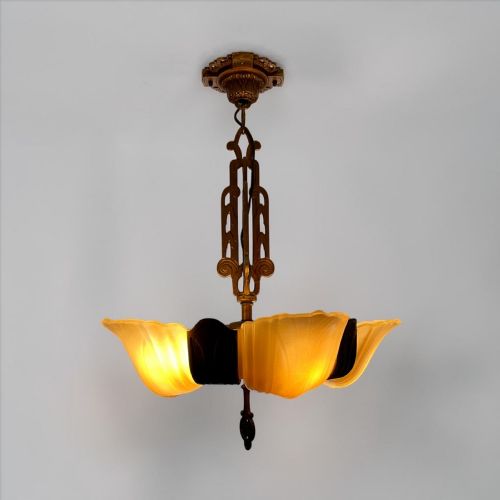
The listings span the eighteenth century to 1930, featuring materials like cast bronze, frosted glass, and enamel across four distinct object types.
What varies in quality
Quality in these lighting pieces rests on the precision of the casting work and the crispness of decorative detail. Finely cast examples show sharp definition in figural elements like cherubs and classical figures.
The choice of secondary materials, such as genuine frosted glass shades or applied gilt bronze surfaces, distinguishes standard production from finer examples. The integrity of the period style, whether Neoclassical, Rococo, or Art Deco, also governs the standing of an object.
Liberty·P. Sega
The Cast Bronze Decorative Lighting Glossary
- Cast bronze
- Molten bronze poured into a mould to form a durable object. This technique allows for intricate surface detail and heavy structural forms.
- Gilt bronze
- Bronze coated with a thin layer of gold or gold-coloured metal. It provides a bright, reflective surface finish often seen in French lighting.
- Wall sconce
- A light fixture fixed to a wall to provide ambient illumination. These pieces project outward and often hold candles or electric bulbs.
- Athenienne
- A classical form of tripod stand or burner adapted for decorative use. The design draws on ancient Greek and Roman architecture.
- Champlevé
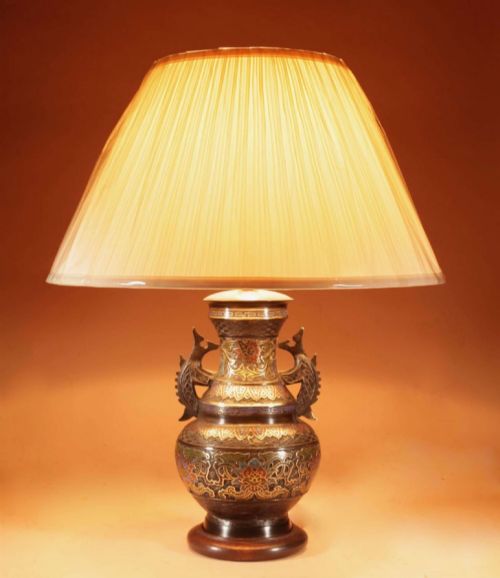
- An enamelling technique where troughs are carved into the metal surface and filled with vitreous enamel. The piece is then fired and polished flat.
Cast Bronze Decorative Lighting: Frequently Asked Questions
How do I light my home with antique bronze?
Cast bronze decorative lighting fits well into modern interiors when used as accent lighting through wall sconces or table lamps. They provide focused illumination while serving as sculptural objects during daylight hours.
Pairing period pieces with contemporary surroundings allows the metal texture and historical design to stand out. Ensure that any electrified nineteenth- or twentieth-century fittings are checked by a qualified electrician before use.
What is the difference between a candlestick and a table lamp?
Candlesticks were originally manufactured solely to hold wax candles, relying on open flames for light. They date across the eighteenth and nineteenth centuries.
Table lamps are adapted or built to hold electrical components, often featuring shades made of fabric or frosted glass. Many twentieth-century pieces incorporate figural bases designed specifically for electric wiring.
How do I identify Regency period lighting?
Regency lighting often incorporates classical motifs such as Athenienne forms, architectural columns, and strict symmetrical lines. These pieces date from the early nineteenth century and reflect classical revival tastes.
The quality of the bronze casting in Regency work tends to be exceptionally fine, showing disciplined attention to historical proportion.
Where were Japanese bronze lamps made?
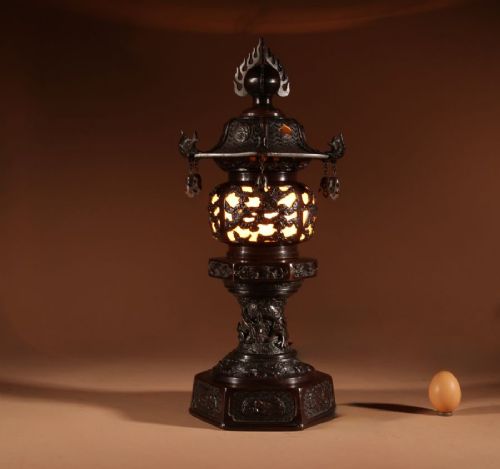
Japanese bronze lamps and lanterns on the market often date from the Meiji period around the turn of the twentieth century. These pieces reflect traditional metalworking skills exported to European and American markets.
They frequently combine bronze casting with techniques like champlevé enamel to create decorative lighting forms suited for Western interiors.