




Bronze Pedestal Vases
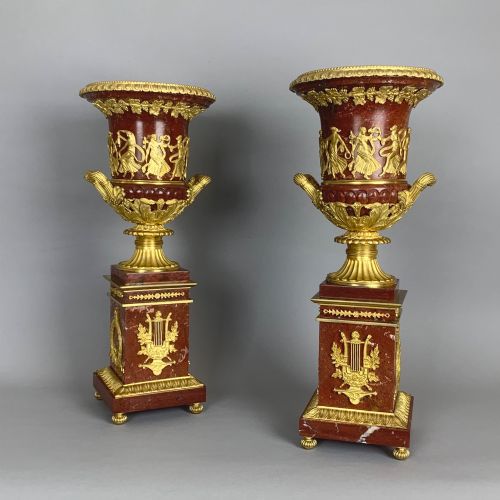
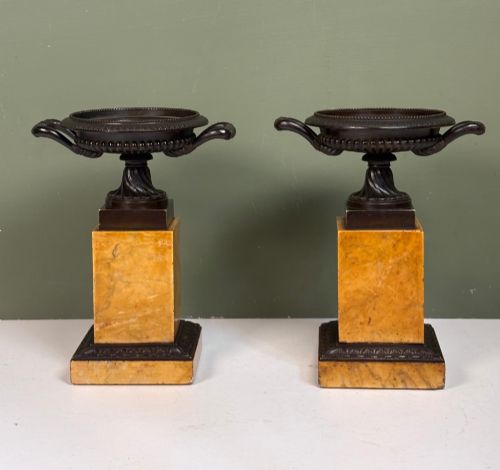
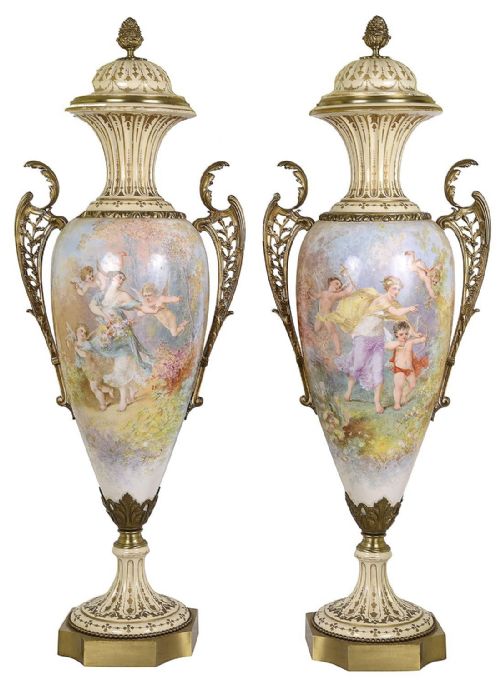
These bronze pedestal vases are classical urns and vessels designed for display, bringing sculptural antiquity into the room.
Bronze Pedestal Vases
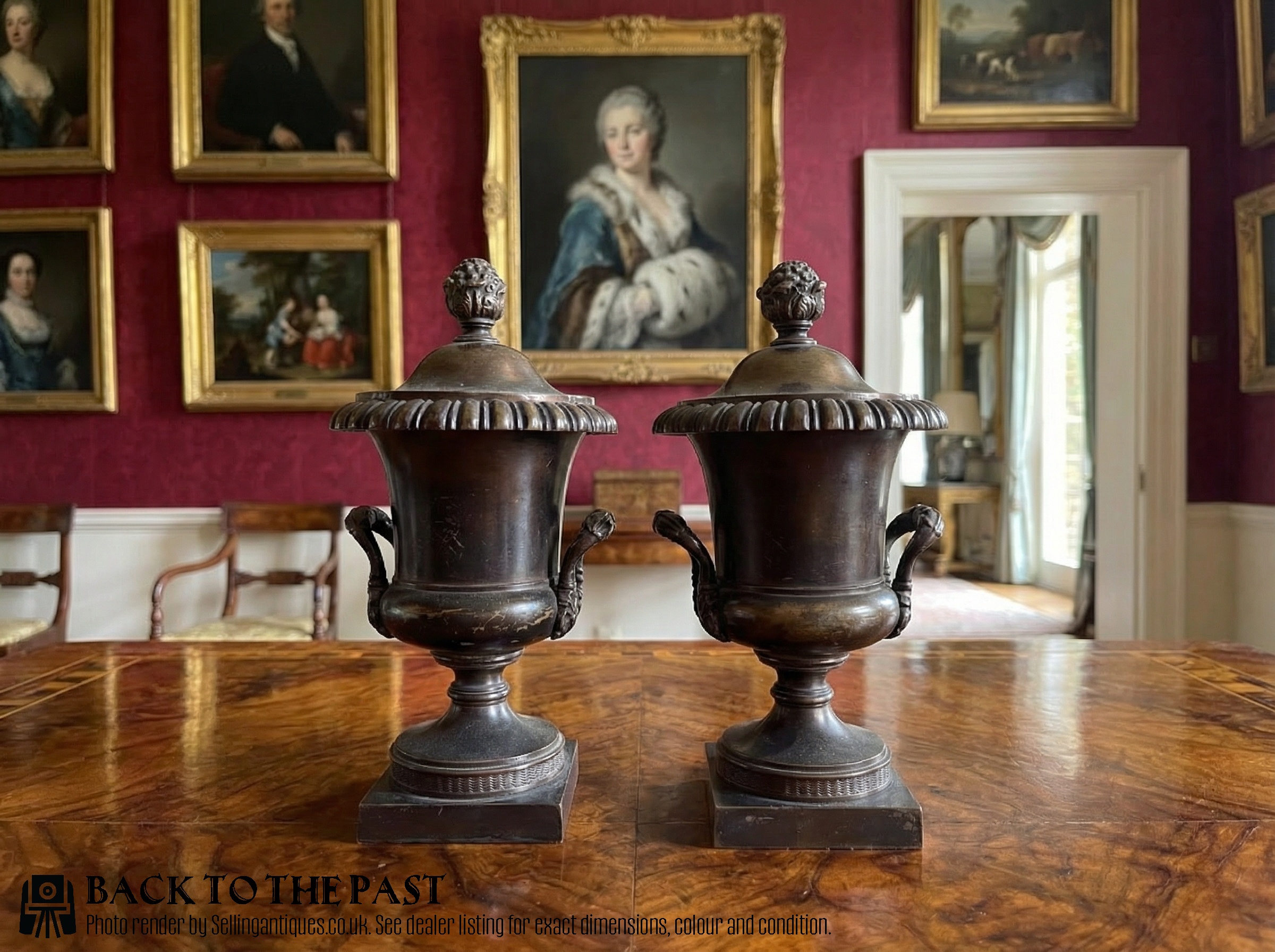
Bronze pedestal vases take the form of campana urns, tazzas, and classical vessels raised on distinct bases. When searching for bronze pedestal vases, a buyer encounters works spanning the nineteenth century, including Victorian, Regency, and Charles X periods.
The aesthetic draws heavily from the Grand Tour tradition and French Empire style, reflecting neoclassical tastes. Many examples originate from France and Italy, taking the shape of decorative urns, cassolettes, and garniture sets.
Makers adapted ancient sculptural forms into domestic ornaments, utilising marble plinths and stepped bases to elevate the cast metal bodies. These pieces function as focal points on mantelpieces, pedestals, and side tables.
What varies in quality
The refinement of the casting defines the upper tier of these vessels, visible in the crispness of classical friezes and handles. Finer examples display meticulous chasing and finishing of the metal surface after it leaves the mould.
Materials contribute significantly to the distinction between pieces, particularly the density and veining of associated marble plinths. The harmony between the bronze work and the supporting marble base separates standard decorative items from superior sculptural examples.
Listings feature nineteenth-century works spanning the Regency, Victorian, and Charles X periods, incorporating bronze, marble, and porcelain.
The Bronze Pedestal Vases Glossary
- Campana urn
- A bell-shaped vessel with a flared rim and pedestal foot, commonly associated with classical antiquity.
- Ormolu
- Finely ground high-carat gold applied to bronze through a mercury amalgamation process, creating a bright golden finish.
- Cassolette
- A vase or urn with a reversible lid that functions either as a vessel or a burner for perfumes.
- Tazza
- A shallow saucer-like dish or vase mounted on a stem and pedestal base.
- Grand Tour
- The nineteenth-century practice where travellers collected classical souvenirs and bronze reductions in Italy and France.
Bronze Pedestal Vases: Frequently Asked Questions
Where should I display a bronze pedestal vase?
These pieces suit prominent positions on heavy timber sideboards, marble mantelpieces, or dedicated pedestals where their vertical proportions command attention.
Because many include marble bases or porcelain components, place them away from high-traffic edges to ensure their stability.
How do I clean patinated bronze safely?
Dust the surface gently with a soft, dry bristle brush to remove particles without disturbing the patination or gilt layers.
Avoid commercial metal polishes, water, and chemical cleaners entirely, as these substances strip historic finishes from the bronze.
What is a Grand Tour bronze?
Grand Tour bronzes are nineteenth-century souvenirs cast in reduction after famous ancient sculptures seen by travellers in Italy.
These pieces brought classical archaeology into domestic interiors, often utilising campana or Warwick vase forms.
Are these vases meant to hold water?
Nineteenth-century decorative urns and cassolettes served primarily as ornamental furnishings rather than functional vessels for fresh flowers.
Using them to hold water can damage internal joins, marble plinths, and delicate gilt or patinated surfaces.