

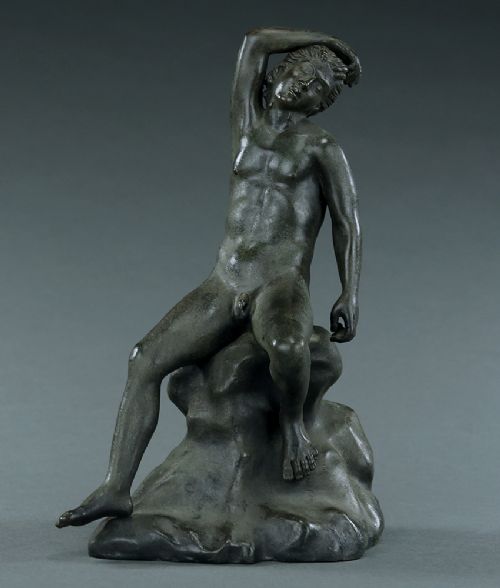


Bronze Mythology Sculpture
A bronze mythology sculpture brings classical antiquity and divine narrative into domestic spaces through enduring metalwork.
Bronze Mythology Sculpture
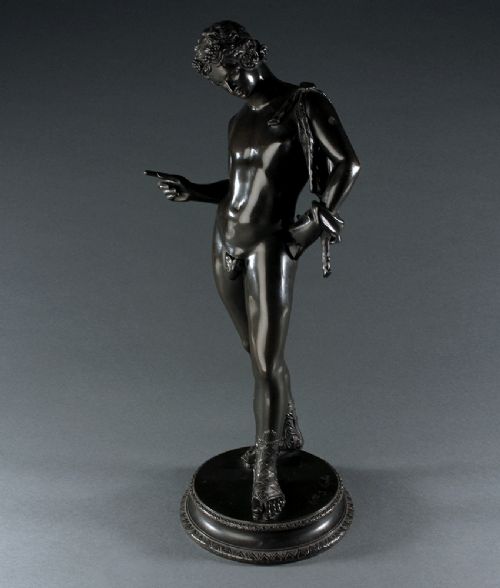
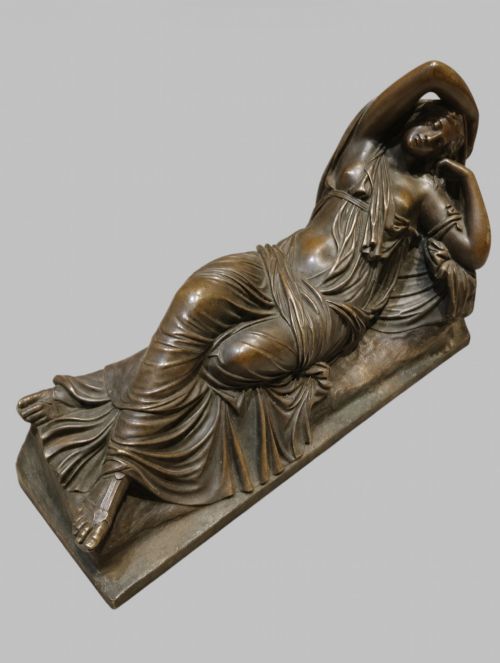
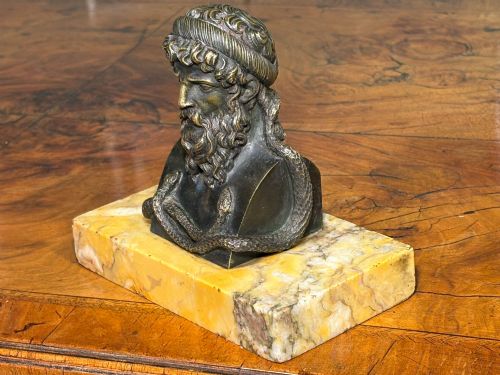
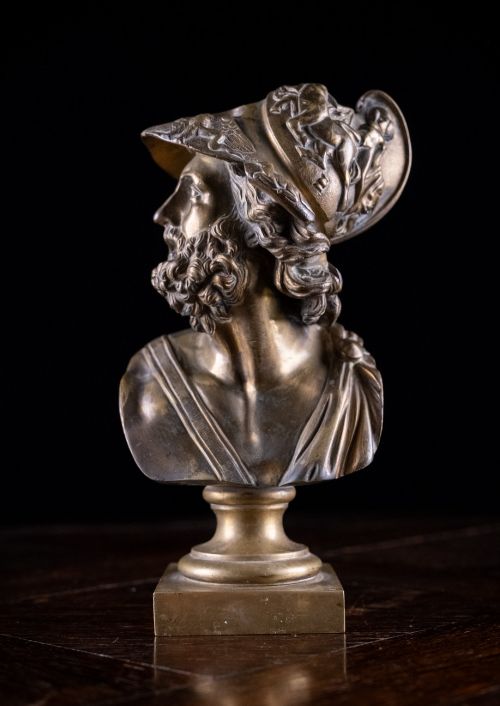
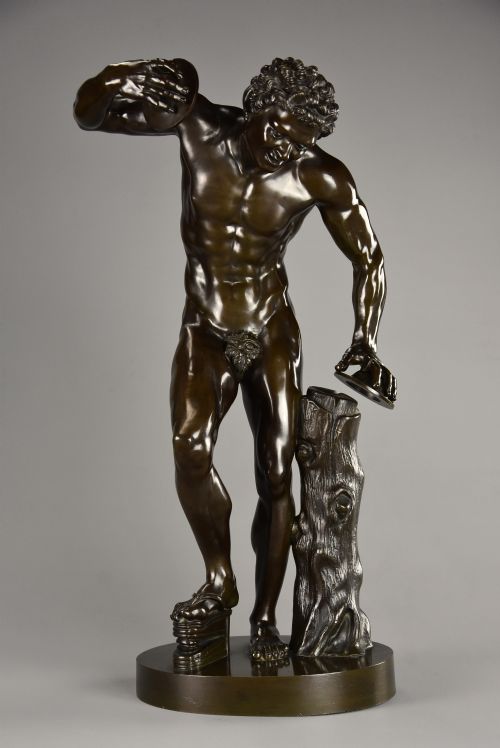
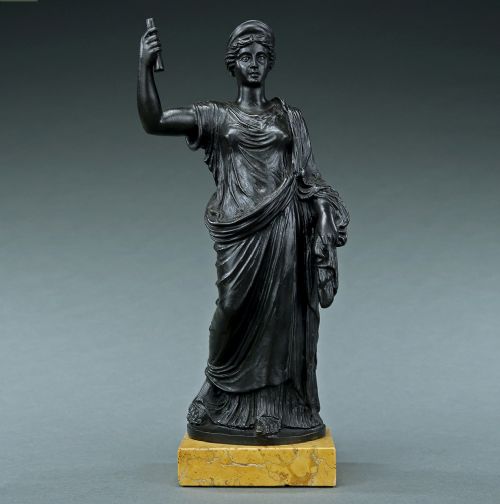
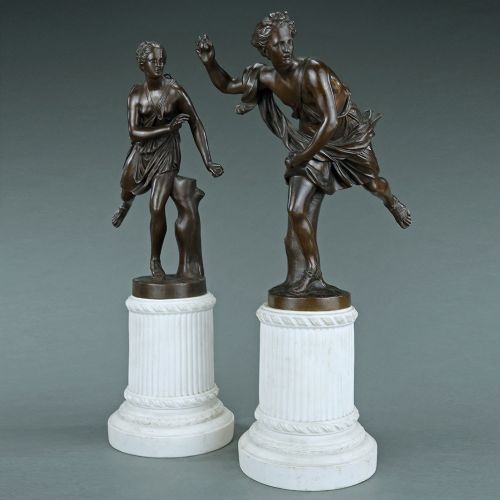
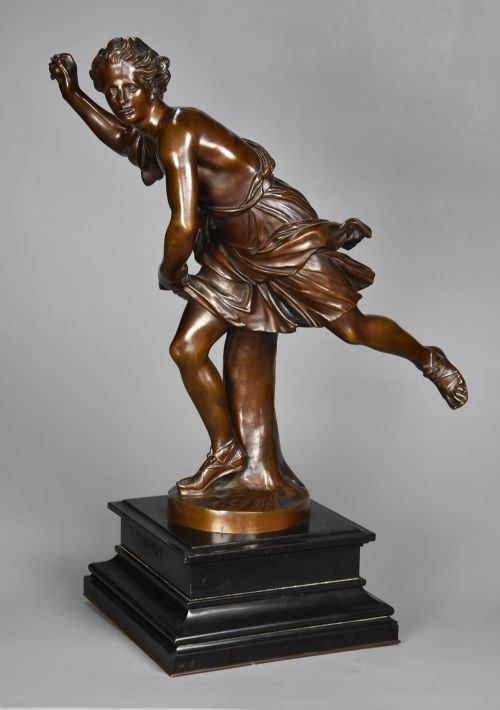
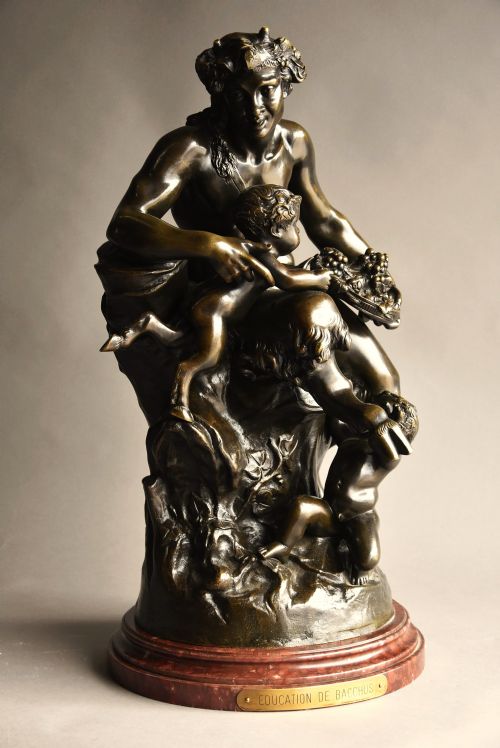
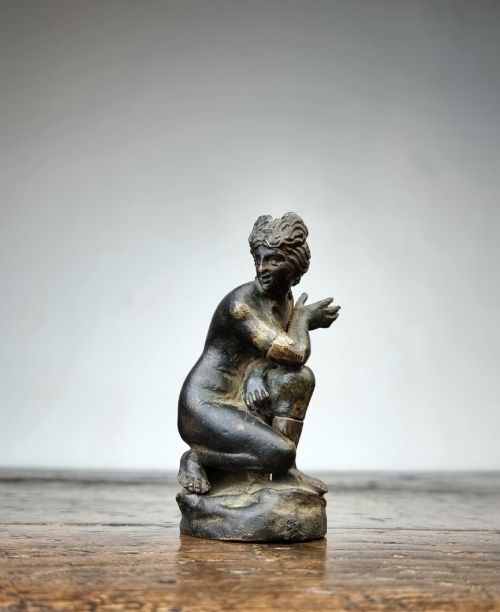
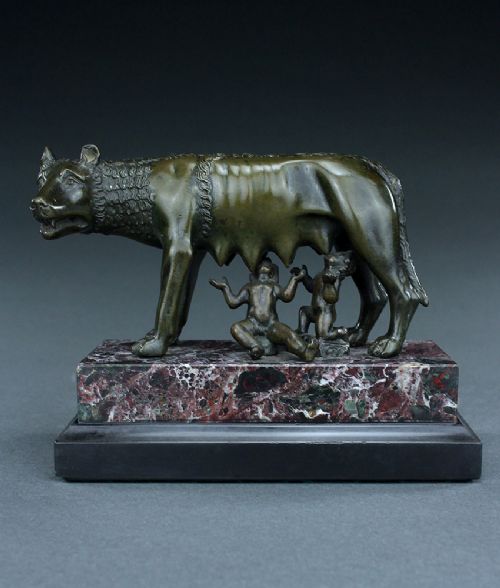
A bronze mythology sculpture captures classical deities, heroes and mythological narratives drawn from ancient texts and archaeological discoveries. These works emerge predominantly from nineteenth-century European workshops, reflecting a deep cultural fascination with antiquity during the Grand Tour era.
Collectors frequently encounter figures of deities such as Bacchus, Zeus, Venus and Athena, alongside dramatic groupings derived from Greco-Roman statuary. These representations range in scale from cabinet statuettes to substantial library figures, often mounted on marble bases or ebonised wood plinths.
How They Were Made
Foundries utilised the lost-wax method or sand-casting techniques to capture intricate musculature, drapery and facial expressions from modelled prototypes. Molten alloy flowed into moulds, creating sturdy metallic forms that required extensive hand-chasing and finishing with metalworking tools.
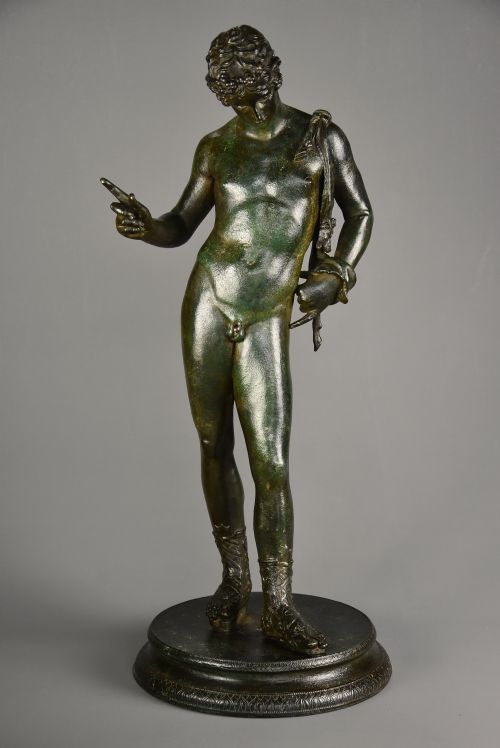
Surfaces received patination through chemical treatments or applications of gilt to achieve specific tonal depths, ranging from dark brown and black finishes to verdigris and green patinas that imitated buried ancient bronzes.
Bronze Mythology Sculpture Retail Price Guide 2026
Typical asking prices for bronze mythology sculpture among the pieces listed under this phrase on Sellingantiques today, from the lower quarter to the upper quarter. They describe what is for sale here now, not the wider market.
Even demons from Japanese folklore occasionally slip into the neoclassical pantheon.
What Varies in Quality
Quality rests upon the crispness of the cast and the precision of the secondary hand-chasing that defined details like hair, fingers and drapery folds after removal from the mould. Superior examples retain the sharp contours and anatomical subtleties of the original antique marbles they emulate.
The sophistication of the patination and the quality of the supporting material, such as finely veined Siena marble or polished stone bases, distinguish workshop production tiers. Foundry marks and signatures from established founders provide tangible evidence of execution standards.
Barbedienne·Claude Michel Clodian·Albert Hussmann·Augusto Rivalta·Simon Louis Boizot
The Bronze Mythology Sculpture Glossary
- Grand Tour
- A traditional journey through Europe undertaken by upper-class young men to study classical art and architecture. Souvenirs from these travels included reduced-scale bronze sculptures of famous antiquities.
- Patination
- The surface coloration and texture developed naturally over time or applied chemically to bronze. Founders manipulated these chemical treatments to simulate ancient patinas.
- Lost-wax casting
- A metal casting process where a molten metal is poured into a mould that has been created by means of a wax model. This method allows for exceptional detail and undercut forms.
- Neoclassical
- A Western cultural movement drawing inspiration from the classical art and culture of ancient Greece or Rome. Sculptures in this style prioritise proportion, restraint and classical themes.
- Verdigris
- A green patina formed on copper, brass or bronze surfaces through atmospheric oxidation. Nineteenth-century founders recreated this effect deliberately to emulate unearthed antiquities.
Bronze Mythology Sculpture: Frequently Asked Questions
What is a Grand Tour bronze sculpture?
A Grand Tour bronze sculpture is a nineteenth-century miniature or reduction of a famous classical antiquity, collected by travellers visiting Italy.
These pieces served as portable representations of archaeological discoveries, allowing collectors to display mythological figures in their homes.
How do I identify mythological figures in bronze?
Figures are identified through specific attributes, such as Bacchus holding ivy vines or Athena wearing a helmet and aegis.
Inscriptions on the base or accompanying titles often name the deity or the ancient sculpture after which the piece was copied.
Where were these nineteenth-century bronzes produced?
Production centred in major European art hubs, particularly Paris and Italian cities like Rome and Naples.
Renowned foundries and individual artisans cast these figures for international buyers and travellers seeking souvenirs.
Why do some bronzes have green patinas?
Founders applied chemical treatments to create green verdigris patinas that mimicked the appearance of ancient bronzes recovered from archaeological excavations.
This finish appealed to nineteenth-century collectors who valued the aesthetic of antiquity.