
Bronze Mounted Urns
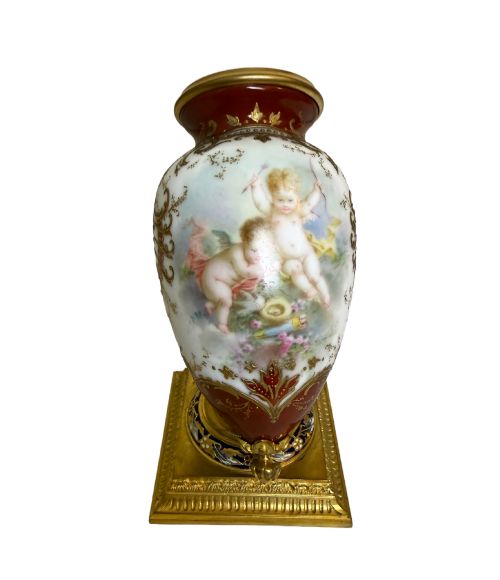
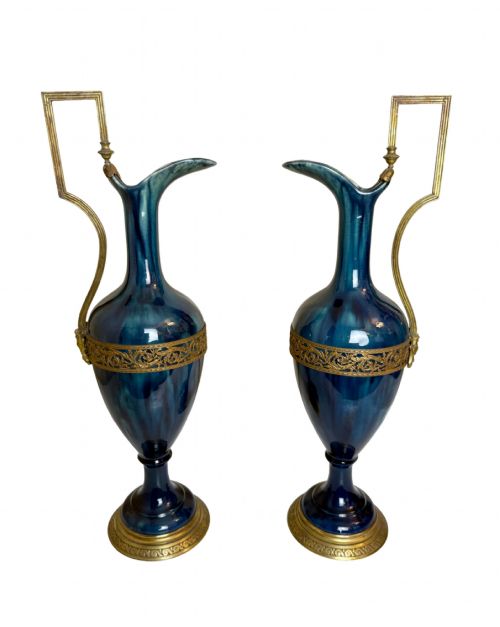
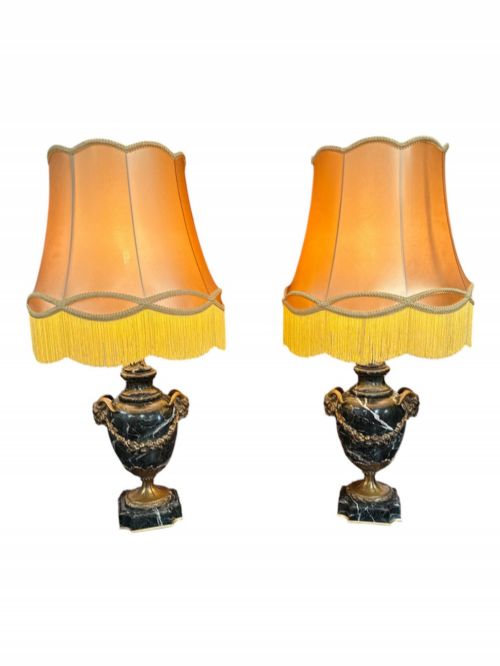
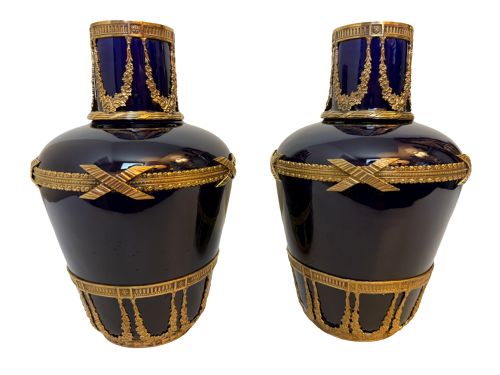
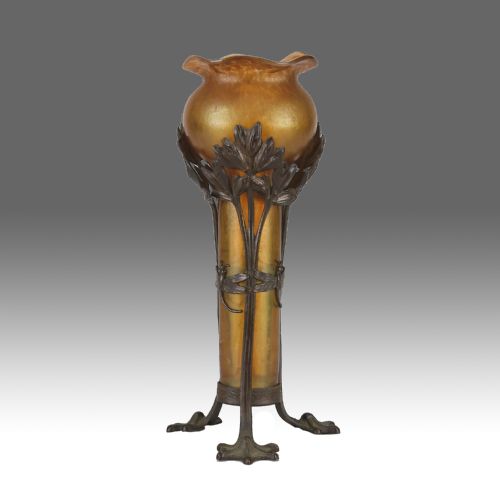
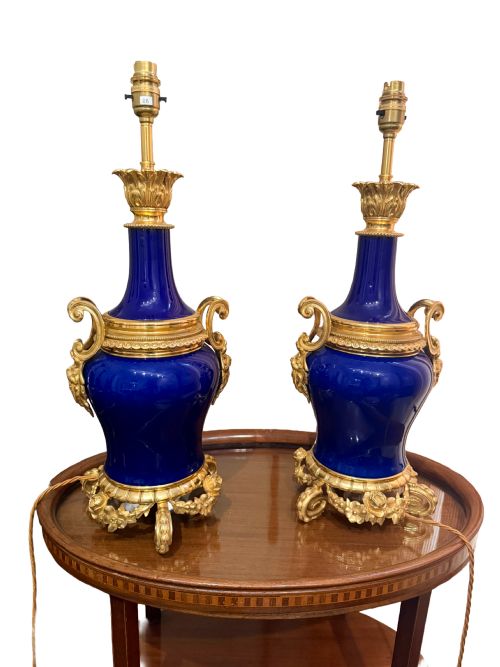
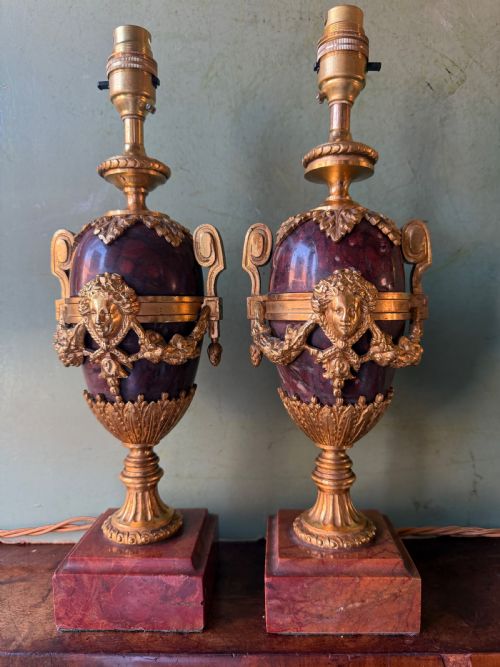
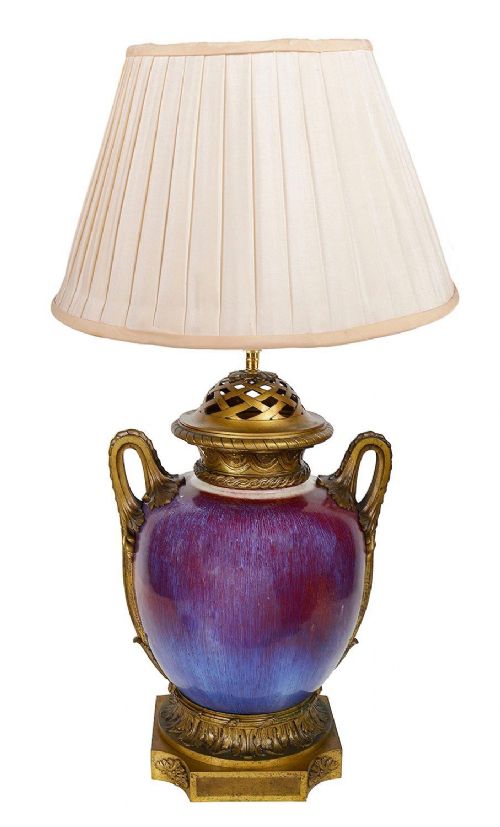
These bronze mounted urns combine carved stone or painted porcelain with cast metal fittings, giving rooms an air of nineteenth-century grandeur.
Bronze Mounted Urns
When you search for bronze mounted urns, you encounter decorative vessels transformed by cast metal fittings into sculptural objects. The pieces appearing here span the eighteenth, nineteenth, and early twentieth centuries, dominated by nineteenth-century French production.
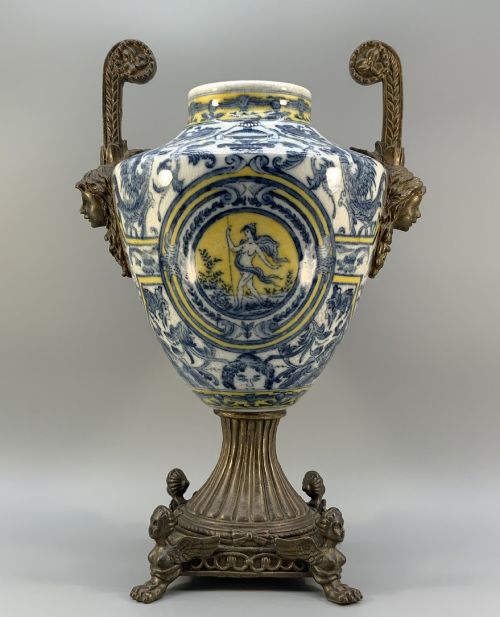
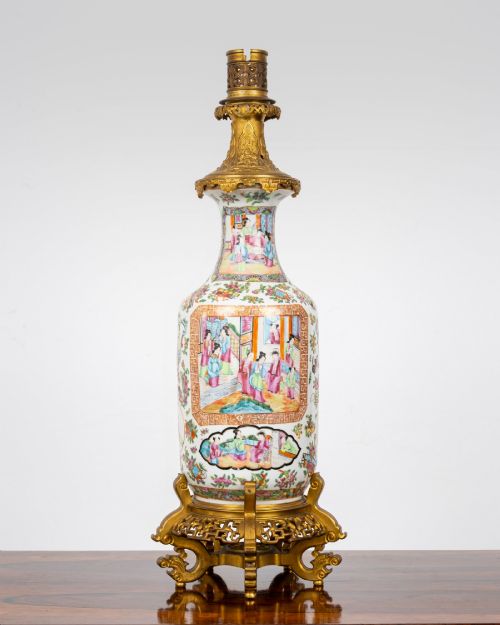
French neoclassical and Louis XVI styles prevail, alongside Rococo revival and Chinoiserie interpretations. Makers frequently paired European ceramic bodies with metalwork, or repurposed Asian porcelain and pottery into mount-decorated furnishings.
Materials and construction
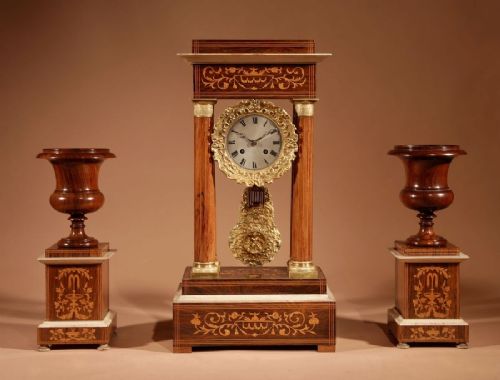
Makers shaped bodies from natural stones like rouge marble and green onyx, alongside glazed ceramics, faience, and glass. Turners and potters formed these dense materials before metalworkers measured and fitted the bronze components.
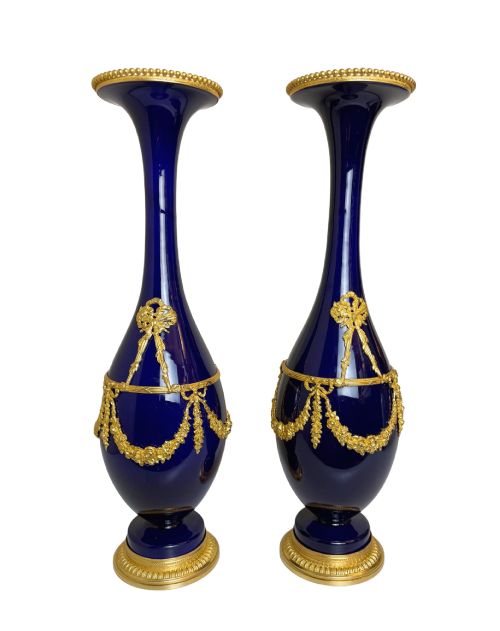
Foundries cast brass, bronze, and ormolu into mounts, then chased the surfaces by hand to sharpen details on foliage, scrolls, and classical motifs. Gilding applied to the bronze added a bright, enduring finish that contrasted against dark stone or coloured glaze.
Assessing quality
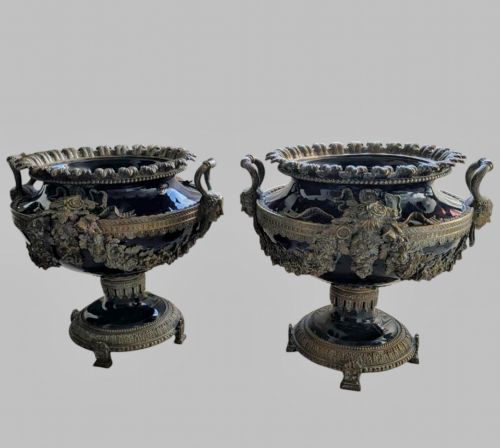
Quality rests principally on the crispness of the bronze chasing and the harmony between mount and vessel. Superior metalwork shows deep relief and clean edges on acanthus leaves and classical drapery, whereas inferior castings appear soft and flat.
The choice of body material dictates the standing of the piece, with richly figured marble, heavy onyx, and hand-painted porcelain denoting ambitious production. Alignment matters greatly; mounts must sit flush against the ceramic or stone without excessive securing pins or gaps.
Sevres·Loetz·Louis Goret, Paris·Meissen
The Bronze Mounted Urns Glossary
- Ormolu
- Gilded bronze produced by applying a mercury and gold amalgam to cast bronze and heating it. This technique creates a durable, warm yellow finish found on nineteenth-century French decorative objects.
- Cassolette
- A reversible decorative vessel that functions as a vase on one side and a burner on the other when the lid is turned. Nineteenth-century examples often combine marble bodies with detailed ormolu mounts.
- Pate Sur Pate
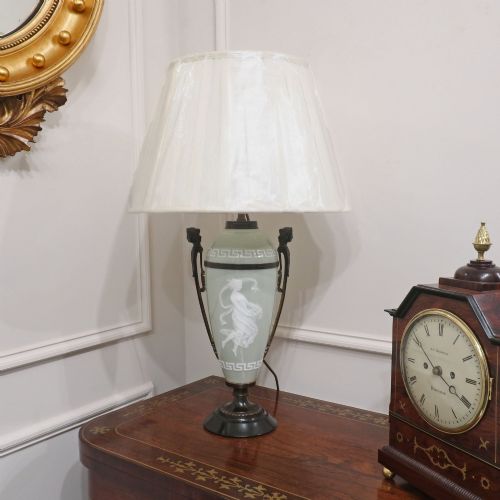
- A porcelain decoration method where wet white slip is built up in layers on a tinted clay body to create a low relief cameo effect. Pieces utilising this technique frequently appear in nineteenth-century lamps.
- Faience
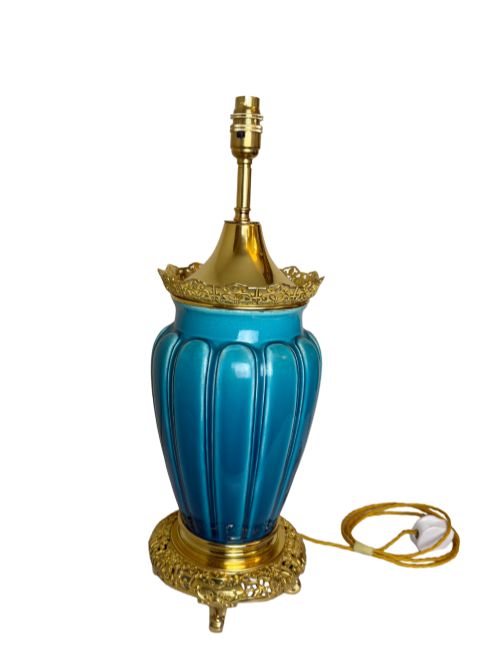
- Tin-glazed earthenware decorated with coloured pigments before firing. Antique examples often feature ornate bronze mounts applied later in their history.
- Champlevé
- An enamelling technique where troughs are dug into a metal surface and filled with vitreous paste before firing. This method decorates nineteenth-century bronze and onyx centrepieces.
Bronze Mounted Urns: Frequently Asked Questions
What are bronze mounted urns?
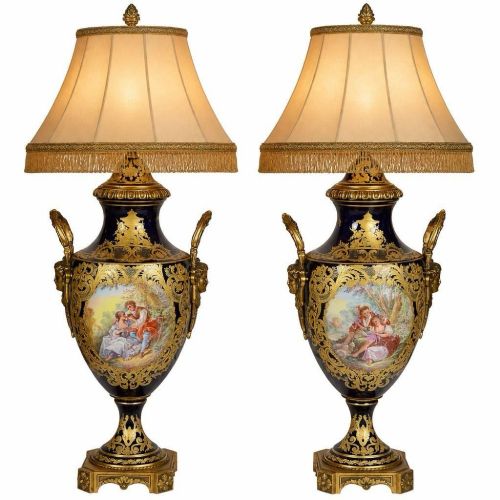
These pieces are decorative vessels made from porcelain, glass, or stone that feature cast metal trims, handles, and bases. They served as ornamental objects in nineteenth-century interiors and frequently double as lamps today.
Craftsmen combined imported ceramic bodies with European metalwork to create symmetrical centrepieces and garnitures. Their designs draw heavily from classical architecture and French revival styles.
How were they used historically?
Owners placed them on mantelpieces, consoles, and pedestals to display wealth and refined taste. Lidded versions held potpourri or functioned as decorative focal points in formal reception rooms.
Many surviving pieces were converted into oil or electric lamps during the late nineteenth and early twentieth centuries. This adaptation allowed traditional ornamental urns to provide functional illumination in period homes.
How do I style them at home?
Pair a pair of marble or porcelain urns on a sideboard or mantel to create symmetrical balance. Their metallic trims and coloured bodies catch natural light and anchor traditional or eclectic room schemes.
Table lamp conversions work well on large desks or side tables where their height and decorative mounts can be appreciated. Keep surrounding decor simple to let the intricate bronze work stand out.
How do I identify the period?
Examine the materials, casting quality, and mounting techniques to determine age. Nineteenth-century pieces often combine rouge marble or Sevres-style porcelain with crisply chased ormolu.
Look at the wiring and interior construction if the piece is a lamp, as nineteenth-century fittings differ from later additions. Style clues like Louis XVI swags or Art Nouveau organic lines point directly to specific manufacturing decades.