



Bronze Male Figure Statue
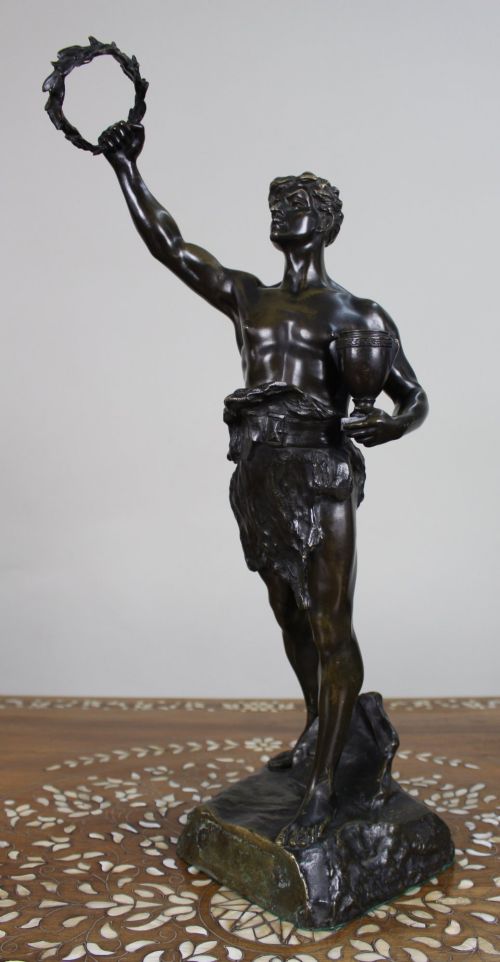
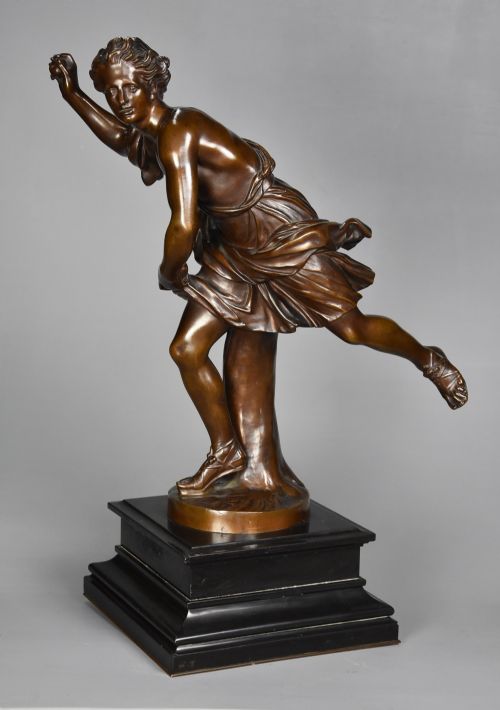
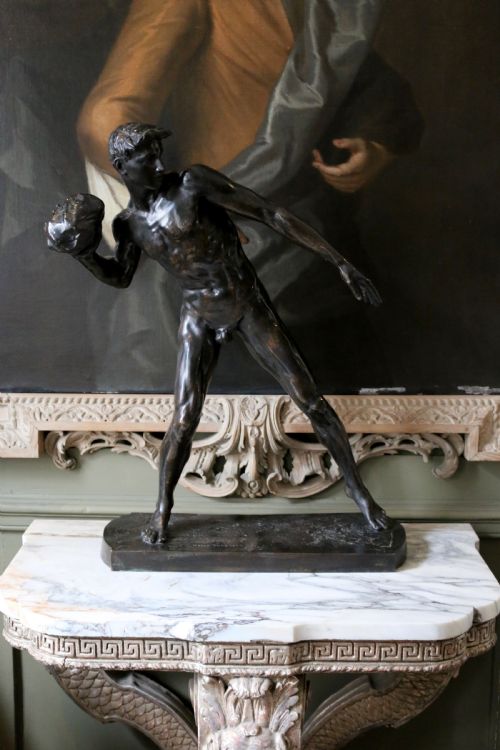
A bronze male figure statue brings classical mythology and heroic form into a room, most often found in nineteenth-century Grand Tour and French editions.
Bronze Male Figure Statue
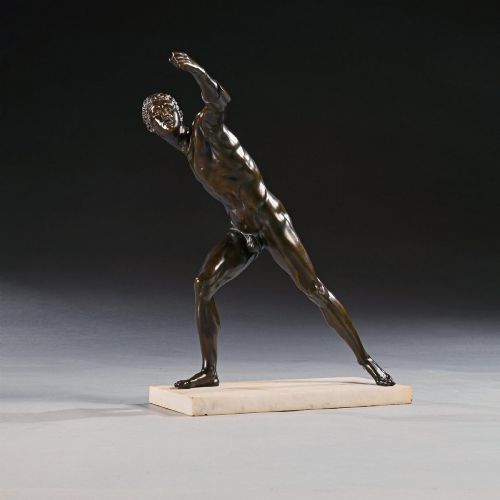
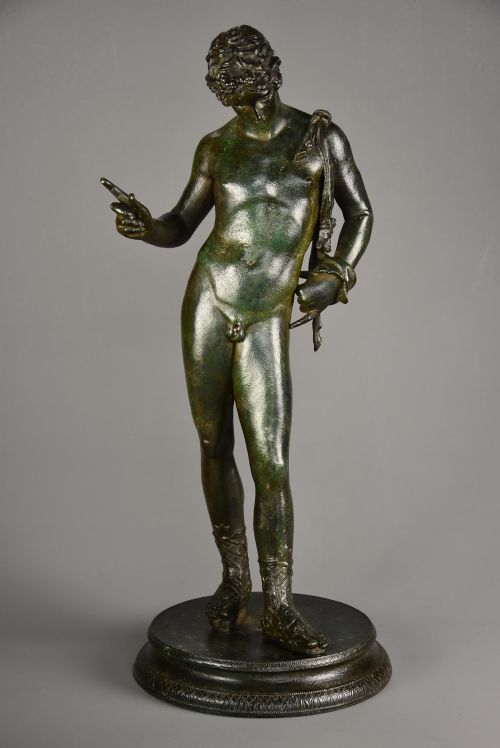
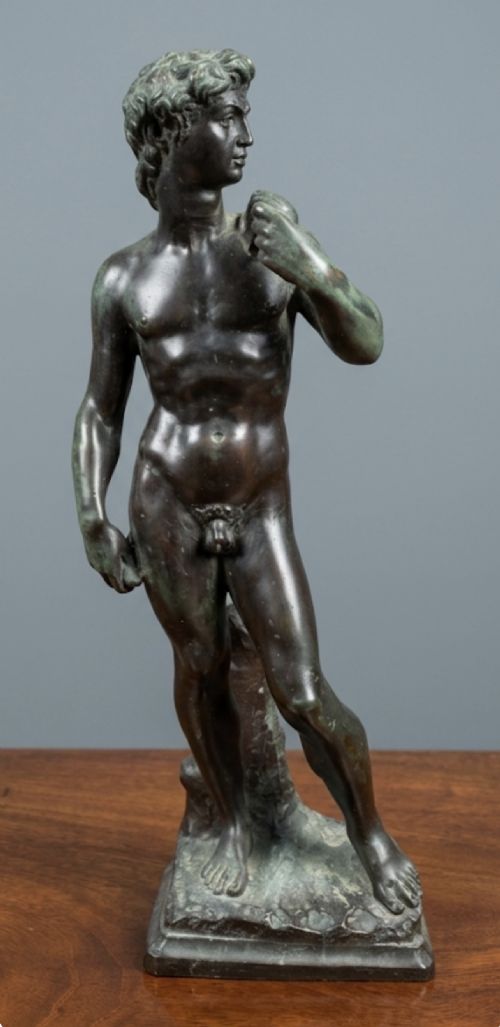
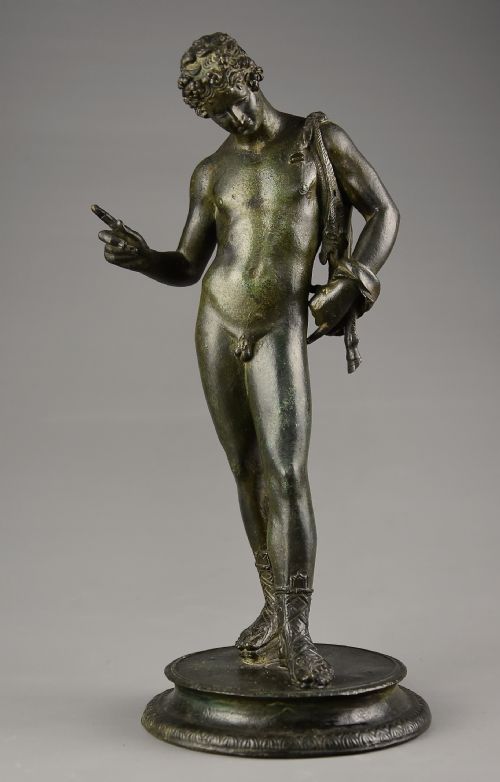
When you search for a bronze male figure statue, you encounter classical subjects, mythological deities, and athletes rendered in metal. The selection spans nineteenth-century Neapolitan castings of Narcissus and David alongside Art Deco tennis players and gladiators.
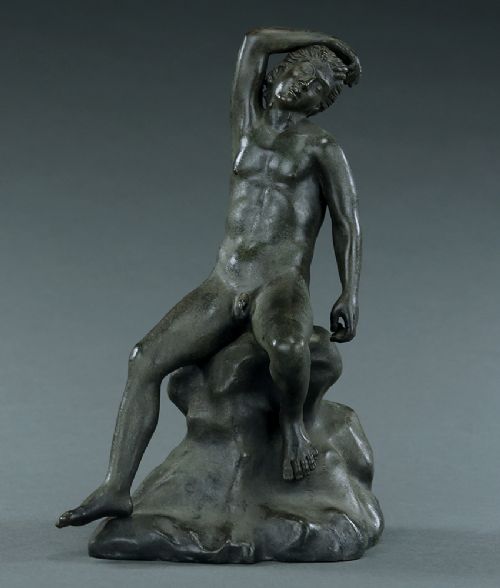
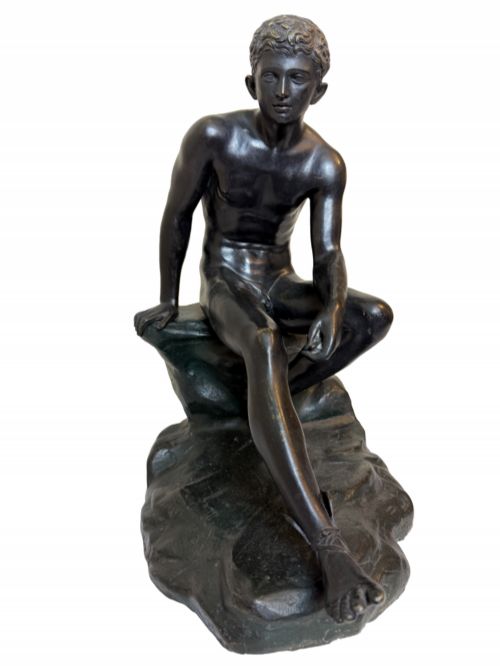
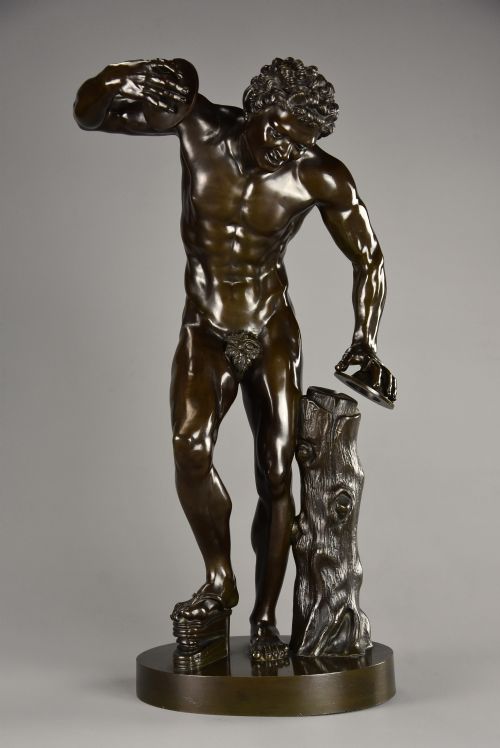
Grand Tour editions dominate the field, reproducing antique statues discovered in Italian excavations for travellers of the period. These pieces frequently stand upon marble or fossil marble bases, capturing subjects like Hermes, fauns, and wrestlers.
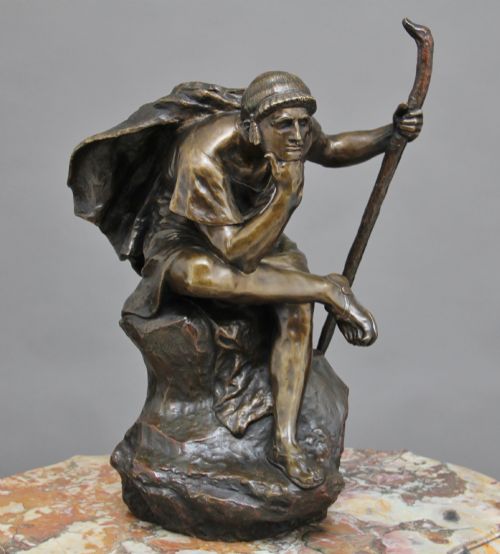
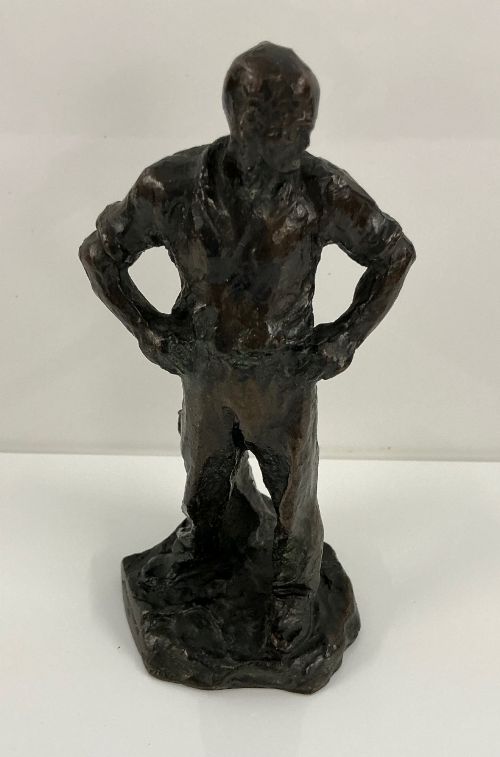
French foundries produced numerous large-scale sculptural works and cabinet figures during the Victorian era and early twentieth century. These portray figures from history and agriculture, ranging from Henry the Fourth to rural workers.
How they were made
Foundries utilised the lost-wax casting method or sand casting to shape molten bronze, often applying patination to achieve deep green or dark brown surfaces. Gilt finishes and bronzed slip casting also appear across the selection.
Statues were frequently mounted onto heavy plinths of marble, fossil marble, or ebonised wood to provide stability and visual weight. Signatures, foundry stamps, and maker marks were commonly stamped directly into the metal base.
Materials recorded across the inventory include solid bronze, patinated bronze, gilt-bronze, spelter, fossil marble, and ebonised wood.
What varies in quality
Quality rests in the crispness of the chasing and the fidelity of the casting to the original model. Superior examples retain sharp musculature, clear facial expressions, and finely detailed hair without soft edges.
The depth and uniformity of the patination contribute significantly to a piece's visual impact. Finer casts originate from established French foundries or named sculptors who maintained rigorous standards in their finishing work.
Barbedienne·Emile Louis Picault·Julien Lorieux·Friedrich Goldscheider·Desire Grisard
The Bronze Male Figure Statue Glossary
- Grand Tour
- A traditional journey through Europe undertaken by upper-class young men to collect art and antiquities. Bronzes purchased on these travels replicated famous classical sculptures.
- Patination
- The chemical treatment or natural weathering applied to the bronze surface to create colour and tone. Dark green and rich brown finishes are typical of nineteenth-century examples.
- Spelter
- A zinc alloy utilised as a less expensive alternative to bronze during the nineteenth and twentieth centuries. It often received a bronzed finish to imitate solid metal.
- Lost-wax casting
- A metal-casting method where a wax model is melted from a mould and replaced with molten bronze. This technique allows for intricate detail and undercut forms.
Bronze Male Figure Statue: Frequently Asked Questions
What is a Grand Tour bronze?
A Grand Tour bronze is a nineteenth-century reduction or copy of a famous classical sculpture. Travellers bought these pieces in Italy as souvenirs of their cultural education.
These statues often depict figures from Greek and Roman mythology, such as Narcissus, Fauns, and Hermes, usually mounted on marble plinths.
How do I identify spelter from bronze?
Spelter is a lighter zinc-based alloy that feels softer and shows a greyish metal underneath if scratched. Bronze is heavier, more resonant, and develops a stable copper oxide patina.
Many nineteenth-century figures used spelter with a bronzed finish as an affordable alternative to solid bronze casting.
Where should I display a heavy bronze statue?
These figures require a sturdy surface such as a wooden sideboard, desk, or dedicated pedestal. Because many include marble bases, checking the weight distribution ensures safe placement in a room.
Keeping them away from direct heat sources protects the patination and any wooden or marble plinths from drying out.
How do I care for antique bronze surfaces?
Dusting gently with a soft, dry cloth prevents the accumulation of dirt in the recesses of the casting. Avoid using chemical polishes, water, or abrasive cleaners, which can strip the original patina.
Applying a very light microcrystalline wax on solid bronze can protect the surface, though most pieces simply require gentle handling.