


Bronze Lady Table Lamp
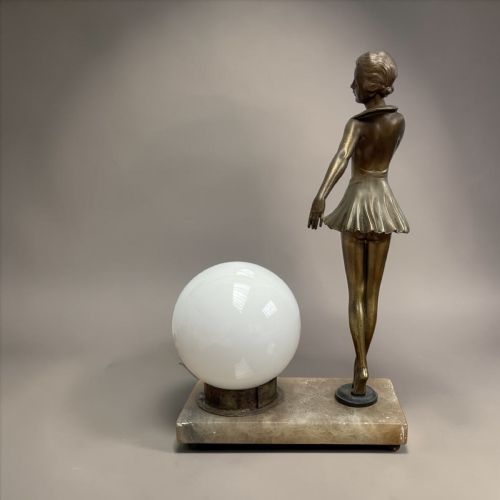
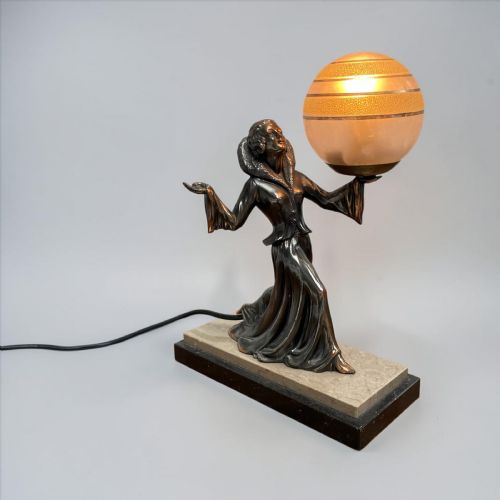
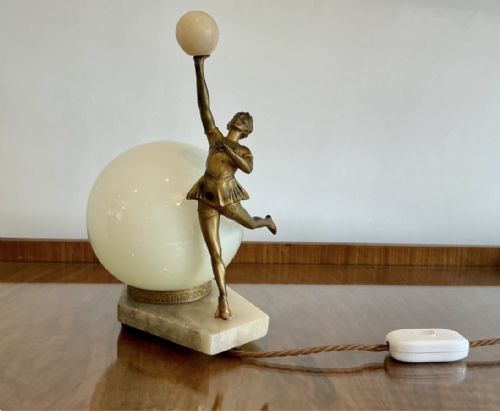
A bronze lady table lamp brings figural form and sculptural presence to a room, combining lighting with human figures from the early twentieth century.
Bronze Lady Table Lamp
When you search for a bronze lady table lamp, you encounter sculptural lighting depicting female figures primarily from the Art Deco and Art Nouveau periods, alongside nineteenth-century examples. These pieces combine cast metal figures with illumination, taking the form of figural table lamps, desk lamps, and occasionally twin-figure compositions.
The versions you are most likely to meet on this page date from around nineteen thirty, reflecting the geometric and streamlined aesthetics of Art Deco design. Earlier nineteenth-century and nineteen hundred pieces also appear, presenting flowing Art Nouveau contours or revival styles.
Makers and sculptors occasionally signed these figural works, as seen in pieces by Henri Honore Ple. The selection spans single and twin lamp configurations, incorporating elements such as opaline or frosted glass shades held by the central female figures.
What varies in quality
The artistic provenance also separates pieces, with signed works by known sculptors holding distinct interest over unsigned commercial production. Furthermore, the originality and condition of associated glass shades contribute to the overall integrity of the lamp.
One exceptional piece captures a pair of doves sharing the spotlight with the lady.
The Bronze Lady Table Lamp Glossary
- Patinated metal
- Metal treated with chemical solutions to produce a coloured surface finish. This treatment protects the metal and defines the sculptural details.
- Spelter
- An alloy of zinc and lead used as a cost-effective substitute for bronze in figural casting. It accepts patination readily to resemble more expensive metals.
- Art Deco
- A design style from the nineteen thirties characterised by streamlined forms and geometric simplification. It heavily influenced the silhouette of these figural lamps.
- Art Nouveau
- An artistic movement from around nineteen hundred featuring flowing, organic lines inspired by natural forms. Figures from this era display sinuous drapery and hair.
Bronze Lady Table Lamp: Frequently Asked Questions
What periods do these lamps come from?
The pieces on this page span the late nineteenth century, the Art Nouveau era around nineteen hundred, and the nineteen thirties Art Deco period. Each era brings distinct stylistic traits to the female figures.
Nineteenth-century examples often lean towards revival styles or multifunctional furniture pieces, while the later periods focus specifically on sculptural lighting with integrated glass shades.
Are all these lamps made of solid bronze?
No, materials vary across the selection to include patinated metal, spelter, and gilded metal alongside genuine bronze. Heavier elements such as marble frequently form the bases.
Makers selected different metals depending on the production period and the level of detail required for the cast female form.
How do I identify an Art Deco lady lamp?
Art Deco versions typically date around nineteen thirty and feature stylised geometric lines, sleek drapery, and simplified human forms. They often incorporate frosted or opaline glass shades.
These lamps contrast with the flowing, organic hair and plant motifs found on earlier nineteen hundred Art Nouveau examples.
What glass types are used with these lamps?
The listings feature glass and frosted glass components, as well as opaline glass shades held by the figures. These glass elements diffuse the light cast from the lamp.
They work in tandem with the metalwork to complete the overall sculptural composition of the table or desk piece.