


1920s Figural Desk Light
These 1920s figural desk light pieces bring sculptural character to a workspace, combining period forms with functional illumination.
1920s Figural Desk Light
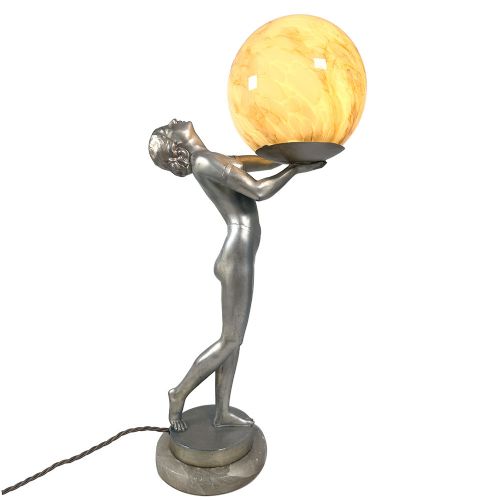
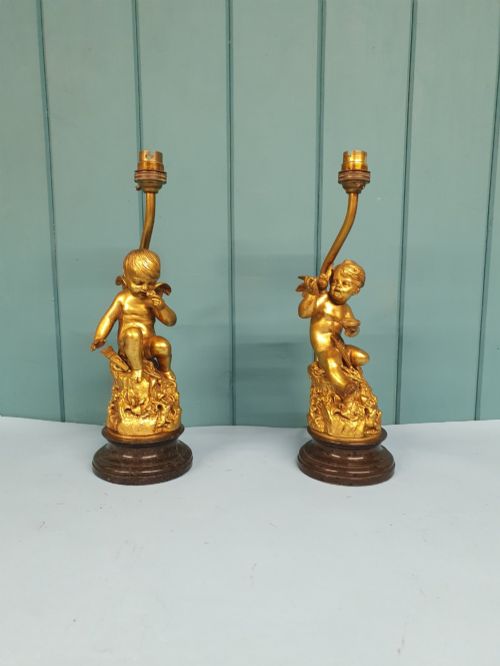
A 1920s figural desk light centres on sculptural human or cherub forms integrated into a table lamp or night light. These pieces typically emerge from the 1920s, 1930s, and 1940s, capturing distinct stylistic shifts over three decades.
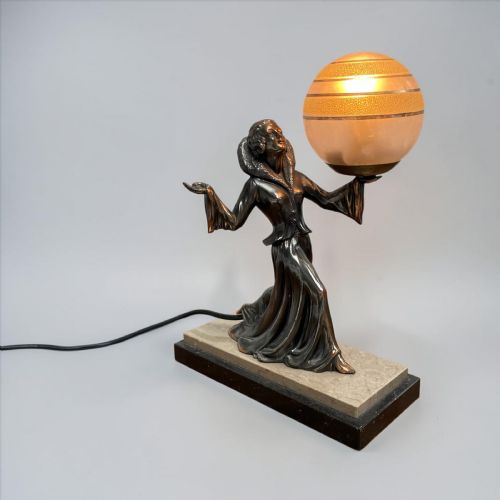
The prevailing aesthetic leans heavily towards Art Deco, alongside occasional Rococo Revival expressions. Buyers frequently encounter table lamps featuring female figures, nude dancers, Pierrot characters, and young boys with companions.
Forms range from single figures standing on balls or marble bases to twin lady arrangements and silver plate and alabaster double lamp designs. These objects function as both desktop illumination and expressive sculptural art.
Materials and construction
Makers utilised a diverse palette of materials, frequently combining patinated metal, cold painted bronze, brass, and gilt brass with glass, marble, and alabaster bases. Bronze figures often anchor directly onto heavy marble plinths for stability.
Porcelain elements appear in finely modelled works, notably blue and white glazed or hand-painted figural components. Silver plate finishes and cold painted applications provide surface detail to metal casts.
The construction integrates electrical fittings with the cast or carved figures, positioning the light source to highlight the sculptural subject.
Materials represented include glass, marble, patinated metal, porcelain, brass, bronze, alabaster, and gilt brass.
Assessing quality in figural lighting
The choice of base materials elevates a piece, with dense carved marble and substantial bronze or alabaster outperforming lighter plated alternatives. Original surface treatments, such as cold painted polychrome or patination, preserve the intended artistic depth.
Attribution to known modellers or specific foundries distinguishes superior artistic output from anonymous commercial production of the period.
Karl Ens·Anton Buschelberger·Bruno Zach
The 1920s Figural Desk Light Glossary
- Art Deco
- A design style characterised by sleek lines, geometric abstraction, and stylised human figures popular during the interwar period. It dominates the visual language of these desk lights.
- Cold Painted
- A technique where bronze or metal figures receive non-fired paint decoration applied directly to the surface. This method allows for vibrant polychrome details on garments and skin.
- Alabaster
- A fine-grained, translucent stone utilised for carved lamp bases and decorative mounts. Its natural veining diffuses light effectively.
- Patinated Metal
- Metal treated with chemical solutions to produce a specific surface coloration or aged finish. This process enhances the definition of sculptural contours.
1920s Figural Desk Light: Frequently Asked Questions
What is a 1920s figural desk light?
A 1920s figural desk light is a decorative table lamp incorporating human, cherub, or character sculptures into its base or stem. These pieces merge practical workspace illumination with the artistic styles of the period.
They reflect the transition from ornate revivalism to streamlined modernist aesthetics on the desktop. Each piece uses sculptural forms made from bronze, brass, porcelain, or metal to support the light fitting.
Where should I place a figural lamp?
These lamps suit study desks, side tables, or console surfaces where the sculptural base remains visible. Positioning them away from clutter allows the figures and material combinations to stand out.
Ensure the placement provides adequate task lighting while protecting delicate surfaces like cold painted bronze or carved alabaster from moisture and direct impact.
How do I date these desk lights?
Dating relies on stylistic markers, materials, and maker attributions associated with the 1920s, 1930s, and 1940s. Art Deco proportions and specific metal patination techniques point towards the interwar decades.
Inscribed signatures on bronze or porcelain marks help narrow down the period of production. Comparing the base materials, such as heavy marble versus later plastics, confirms the era.