


Art Deco Lamp
When you search for an art deco lamp, you enter a world of geometric lines and machined elegance that brings period light into modern spaces.
Art Deco Lamp
An art deco lamp brings the distinctive styling of the interwar period into interior spaces, offering functional illumination alongside sculptural presence. These pieces emerge primarily from the 1920s and 1930s, though related examples span from Edwardian times through the 1940s.
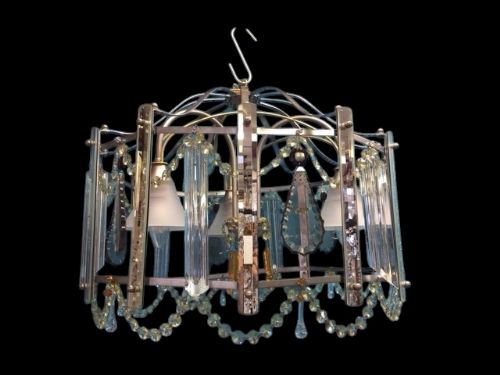
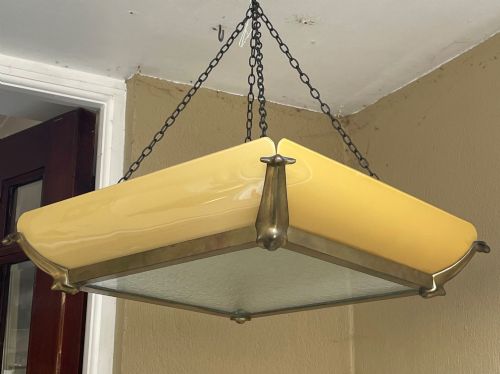
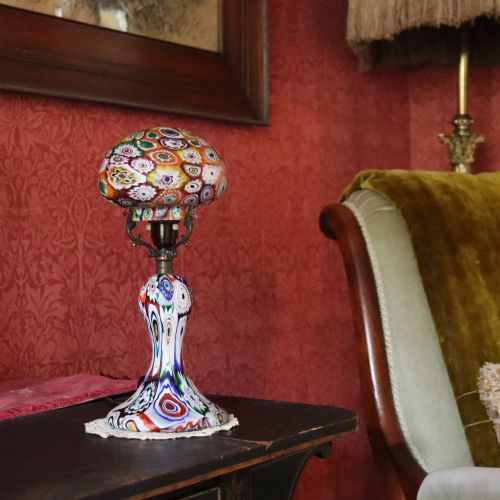
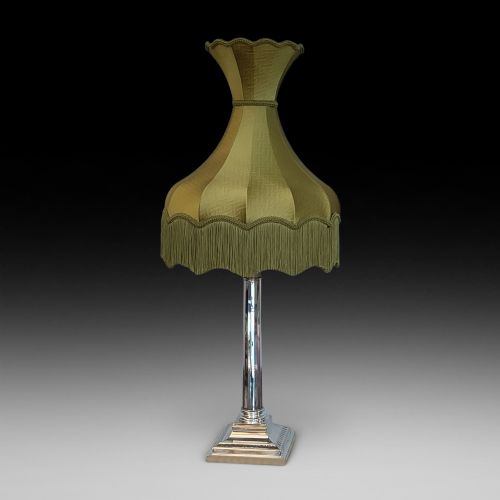
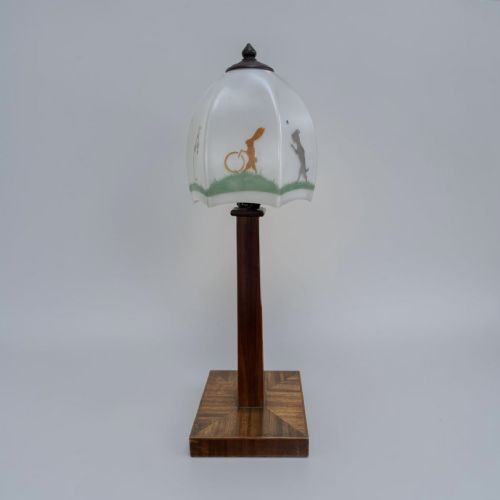
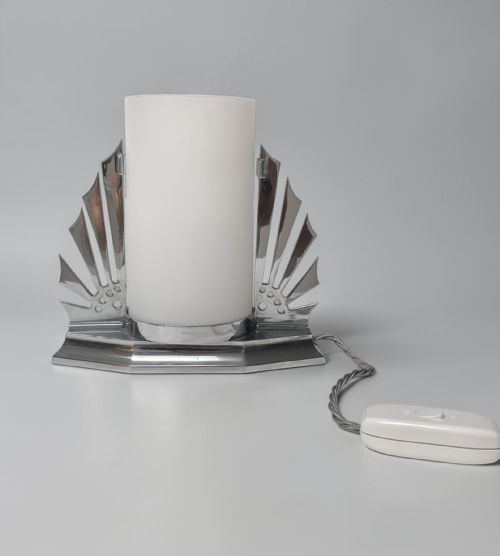
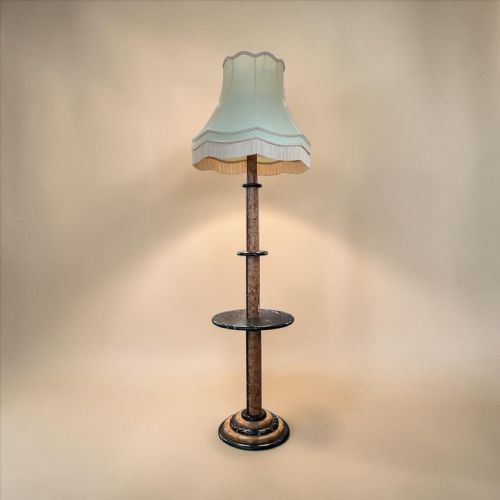
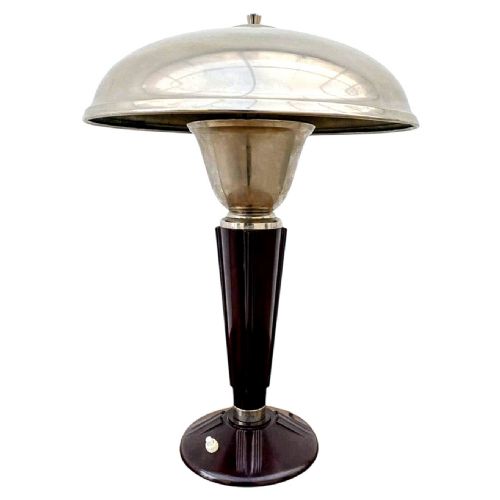
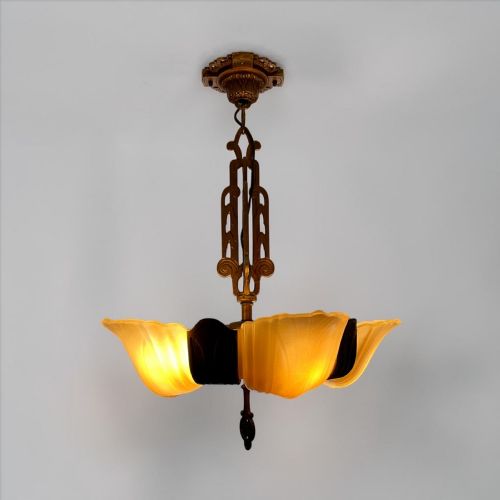
The version you are most likely to meet on this page is a table lamp or standard floor lamp fashioned from brass, chrome, or various woods like walnut. Many incorporate moulded glass, slip shades, or opaline globes to diffuse light in characteristic period fashion.
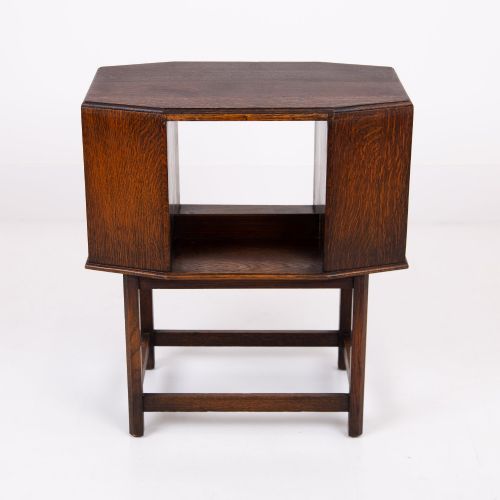
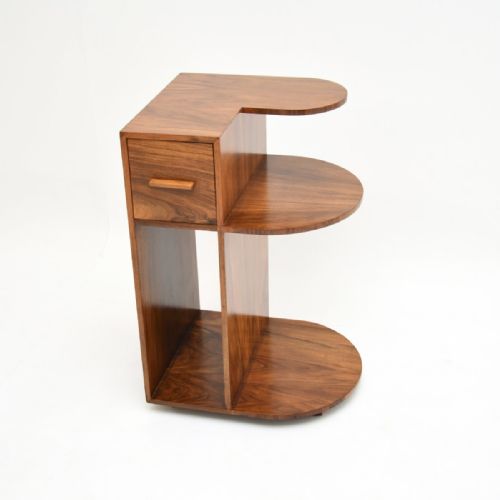
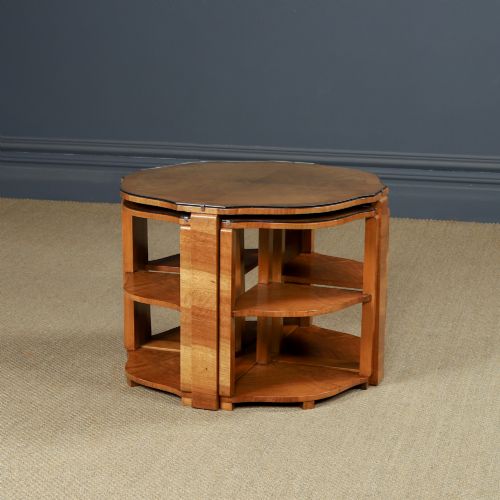
Beyond standard desk and table designs, the selection includes figural lamps featuring ladies, animals, or architectural columns, alongside combinations of lamps integrated directly into occasional side tables.
How they were made
Makers utilised a combination of traditional cabinetmaking and industrial metalworking, pairing solid woods and walnut veneers with cast brass, chrome, and copper bases. Structural elements frequently relied on marble or heavy metal bases to support the weight of substantial glass shades.
Glass production played a central role, employing techniques such as acid-etching, mould-blowing, and slip-shading to create textured surfaces and mottled patterns. Shades were often completed with fabric, vellum, or parchment elements to soften the illumination.
The listings show a strong presence of walnut and oak, often paired with chrome, brass, and glass across table, floor, and pendant forms.
What varies in quality
The distinction between ordinary and exceptional examples rests upon the integrity of the materials and the sophistication of the design. Superior pieces display heavy, genuine metalwork, substantial marble foundations, and thick, art glass shades rather than thin pressed alternatives.
Attribution to known designers or prominent glasshouses elevates an object, as does the survival of original shades and untreated metal surfaces. Craftsmanship reveals itself in the clean precision of geometric joints, well-figured wood veneers, and balanced proportions.
Fratelli Toso·Eileen Grey·Émile-Jacques Ruhlmann·Charles Schneider·Wedgwood·Jean Claude Novaro·Constantin Holzer-Defanti·Muller Bros·Emile Galle·Herbert Terry & Son·Decoux·Hettier and Vincent
The Art Deco Lamp Glossary
- Bakelite
- An early form of synthetic plastic utilised for durable lamp bases and desk accessories. It provides a dense, heavy structure with a characteristic tactile warmth.
- Slip shade
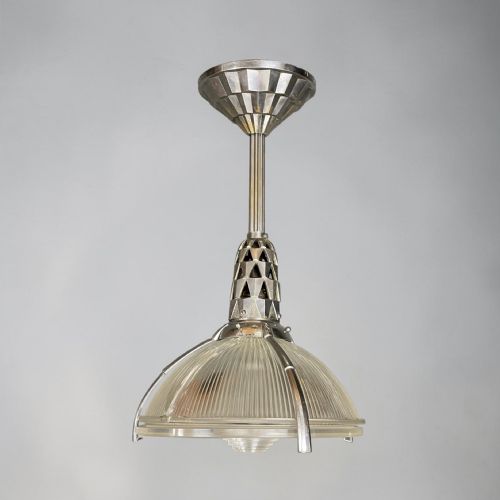
- A moulded piece of glass that fits directly into a metal frame on a ceiling light or wall sconce. These shades are typical of American and European lighting from the interwar period.
- Standard lamp
- A tall floor-standing lamp designed to illuminate a room from a corner or beside seating. They often incorporate small tables or tiered shelving into their lower construction.
- Opaline glass
- A milky, semi-translucent glass used to create soft, diffused lighting effects. It frequently appears in spherical globes and task lighting shades.
- Spelter
- A zinc alloy commonly cast into figural bases and painted to resemble bronze or brass. It served as a cost-effective alternative to solid bronze during the period.
Art Deco Lamp: Frequently Asked Questions
How do I identify a true period art deco lamp?
Authentic period pieces display construction methods, materials, and wiring appropriate to the 1920s and 1930s, such as heavy brass, cast spelter, and early plastics. Look for genuine wear consistent with age and traditional manufacturing techniques rather than modern reproduction casting.
Examination of the shade fixings, switch types, and base weighting often reveals the true age of the object. Many pieces also feature maker signatures or stylistic traits associated with known interwar designers and glasshouses.
Were these lamps used as desk or floor lights?
Lighting from this era served multiple domestic functions, ranging from compact desk and bedside table lamps to towering standard floor lamps. Many designs doubled as furniture, incorporating small walnut or oak side tables directly into the lamp stand.
Floor models typically provided ambient illumination in living rooms, while smaller table versions catered to specific reading or task requirements. Pendants and wall lights were similarly utilised to light hallways and dining spaces.
How do I safely live with and care for a vintage lamp?
Living with vintage lighting involves appreciating original materials while ensuring the electrical components meet modern safety standards. Many pieces benefit from professional rewiring using period-appropriate fabric-covered flex to preserve their aesthetic integrity.
Cleaning should be approached gently, using dry cloths on delicate parchment or vellum shades and mild cleaners on metal bases. Avoid harsh abrasives that might strip original plating or patination from brass and chrome surfaces.
What styles influenced art deco lighting design?
The aesthetic drew inspiration from diverse sources, including Machine Age industrialism, Cubism, and traditional Chinoiserie motifs. The discovery of archaeological tombs also sparked an interest in classical forms, reinterpreted through sleek, modern geometries.
Transitioning from the flowing organic curves of Art Nouveau, designers embraced symmetry, stylised animal figures, and streamlined metal structures. This synthesis resulted in lighting that felt both forward-looking and rooted in decorative tradition.