


Bronze Glazed Pendant Light
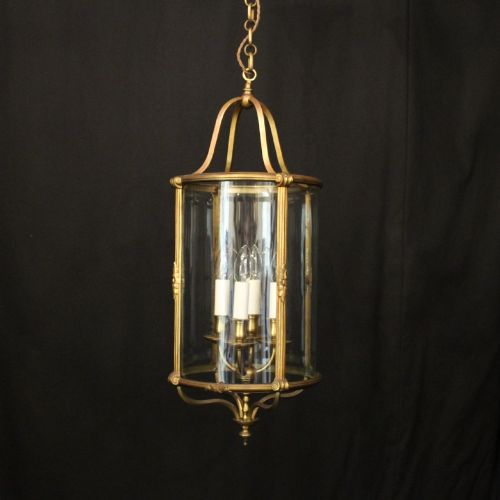
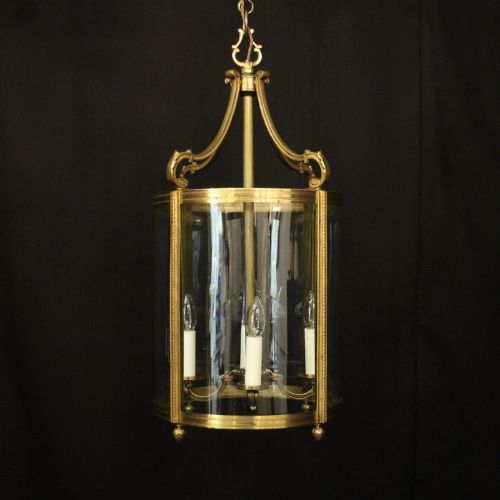
These bronze glazed pendant light examples bring weight and historical character to a hallway or high-ceilinged room.
How they were made
Construction relies upon heavy metal casting and framing, predominantly utilising bronze, gilt bronze, silvered bronze, and brass. These metallic structures provide the structural integrity required to support multiple glass panes and internal lighting components.
Glazing typically incorporates bevelled glass or curved convex glass panels fitted securely into the metal framework. Artisans assembled these components by hand, allowing the metalwork to house and protect the glass while shaping the quality of the emitted light.
What varies in quality
Quality rests in the precision of the metal casting and the depth of the original gilding or surface finish. Heavier bronze structures with refined chasing display a higher degree of craftsmanship than simpler, standard production counterparts.
The sophistication of the glass work similarly distinguishes superior pieces, particularly those featuring complex bevelled panes or curved convex glazing. Proportion and scale also dictate distinction, with larger matched pairs or multi-light configurations commanding greater architectural presence.
Several heavy coaching lanterns made the journey from damp rural carriage houses to swinging grandly inside domestic entrance halls.
The Bronze Glazed Pendant Light Glossary
- Gilt bronze
- Bronze that has been coated with a thin layer of gold or gold leaf to give a rich, metallic finish. This technique protects the underlying metal while enhancing decorative brilliance.
- Bevelled glass
- Glass panes possessing an angled edge cut around the perimeter, which refracts light and adds decorative dimension. This treatment is characteristic of finer period lanterns.
- Hall lantern
- A ceiling-suspended lighting fixture specifically scaled for entryways, corridors, and stairwells. These fixtures typically feature enclosed glass panels to shield the flame or bulb.
- Convex lantern
- A lighting fixture featuring curved glass panels that bulge outward, softening the interior light distribution. This shape adds volume and visual complexity to the silhouette.
- Rococo Revival
- A nineteenth-century design style drawing on eighteenth-century French motifs characterised by asymmetry, scrollwork, and natural forms. It appears frequently in the decorative mounts of these lanterns.
Bronze Glazed Pendant Light: Frequently Asked Questions
Where should a hall lantern be hung?
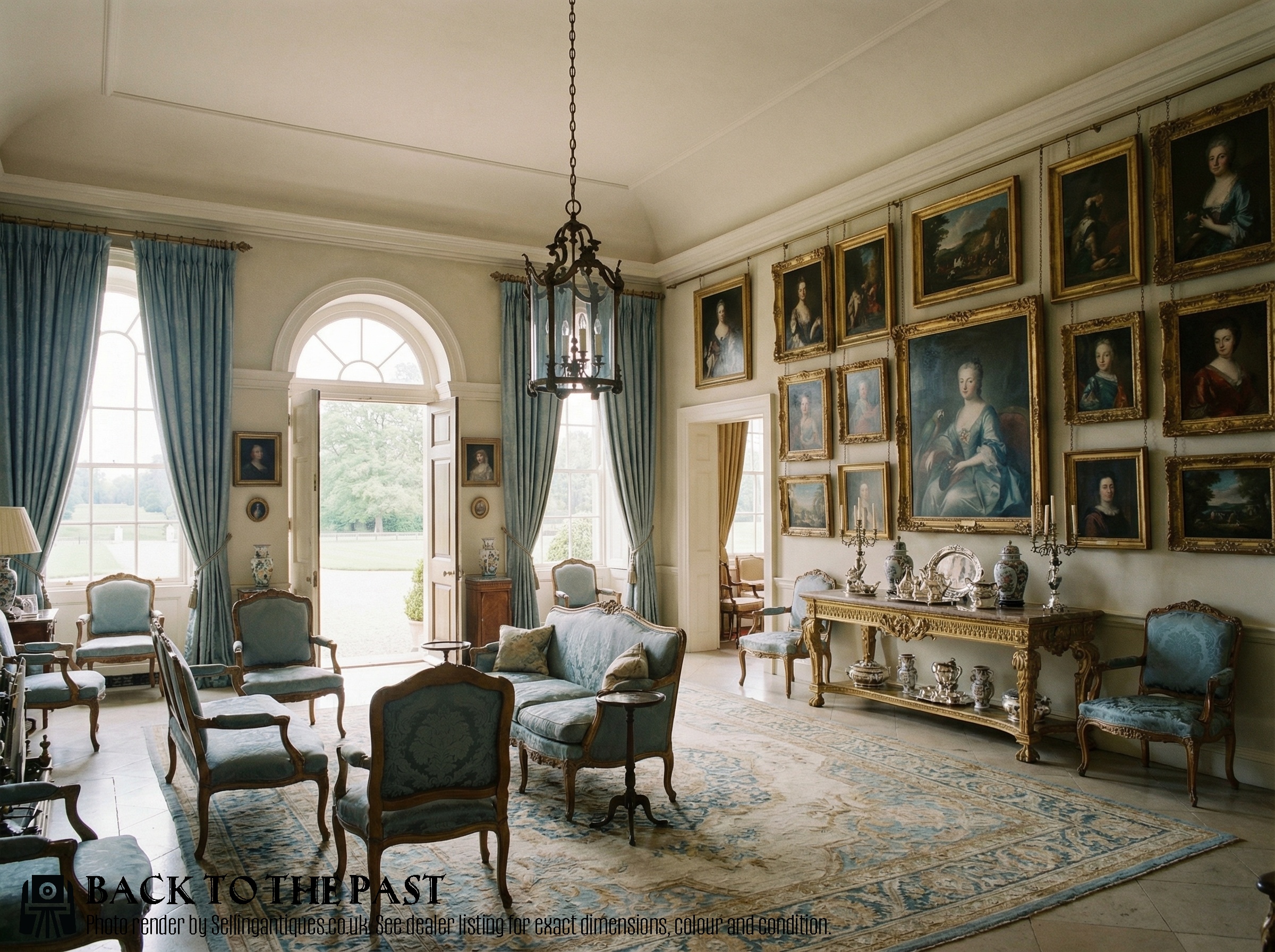
These fixtures suit entryways, corridors, and high-ceilinged landings where vertical space allows them to hang freely as a focal point.
Ensure adequate clearance beneath the lowest point of the lantern for comfortable passage through the space.
How do I identify a nineteenth-century lantern?
Examine the weight of the metal casting, the hand-finishing marks on the bronze or brass, and the method of glass retention.
Earlier pieces often display heavier bronze construction and hand-bevelled glass panes fitted securely into bespoke frames.
What is the difference between bronze and gilt bronze?
Bronze is a copper and tin alloy possessing a natural metallic brown tone that darkens gracefully over time.
Gilt bronze has received an applied surface layer of gold, imparting a bright, luminous finish that resists tarnishing.
Can these antique lanterns be wired for modern electricity?
Most period lanterns have been adapted for modern electrical supplies while retaining their original exterior metalwork and glass.
Consult a qualified electrician to ensure internal wiring meets current safety standards without altering the historic structure.