





Bronze Garden Sculpture
Bronze garden sculpture brings scale and permanence to open ground, offering figurative subjects and architectural vessels shaped to weather the seasons.
Bronze Garden Sculpture
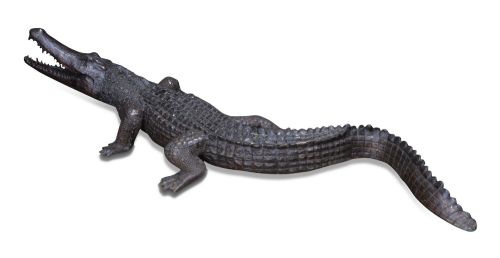
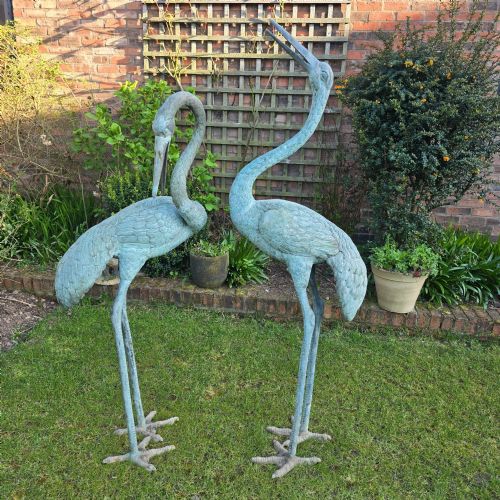
A bronze garden sculpture comprises figurative animals, architectural fountains, and decorative vessels designed for exterior placement across various historical periods. The selection spans the nineteenth century through the mid twentieth century, featuring works from the 1880s, 1900, 1910, 1920, and 1940. Buyers encounter diverse physical forms, including large life size crocodiles, Japanese okimono dragons, geese, cranes, stallions, temple vases, and arched drum bridges.
How they were made
The pieces rely primarily on bronze and cast metal, shaped through traditional casting methods suited to large scale outdoor forms. Metal components receive specific surface treatments, notably patinated bronze and verdigris patina finishes that interact with weathering.
Stone also appears among the material records, combining with metal elements in garden contexts. The construction methods support monumental scale, evident in life size animal figures and large temple vases.
Bronze Garden Sculpture Retail Price Guide 2026
Typical asking prices for bronze garden sculpture among the pieces listed under this phrase on Sellingantiques today, from the lower quarter to the upper quarter. They describe what is for sale here now, not the wider market.
Listings span periods from the 1880s through 1940, incorporating bronze, patinated bronze, stone, cast metal, and verdigris patina.
What varies in quality
Quality differentiates through the fidelity of anatomical detail and the sophistication of surface patination across the metal and patinated bronze. Finer examples capture lifelike textures in animal subjects, such as the plumage of cranes or the scales of dragons and crocodiles.
Proportion and scale dictate visual impact in the landscape, distinguishing monumental works like life size figures and extensive temple vases from simpler garden items. The integrity of the cast and the character of the verdigris finish further separate standard production from exceptional artistry.
The Bronze Garden Sculpture Glossary
- Okimono
- A Japanese ornamental statue or object for display, often depicting animals or figures with high decorative detail. These pieces were produced for both domestic interiors and garden settings.
- Patinated bronze
- Bronze that has been treated chemically or naturally to develop a distinct surface colour or finish. This layer protects the metal while adding visual depth.
- Verdigris patina
- A green coating that forms naturally on copper, brass, and bronze through atmospheric exposure. Artisans also replicate this finish artificially to suggest age.
- Neoclassical
- A style inspired by the classical art and architecture of ancient Greece and Rome. It emphasises symmetry, proportion, and traditional motifs.
- Realism
- An artistic movement focused on the accurate, unidealised depiction of subject matter. In sculpture, this appears in the lifelike rendering of animals and natural forms.
Bronze Garden Sculpture: Frequently Asked Questions
How do I maintain patinated bronze outdoors?
Patinated bronze requires minimal intervention, as the established surface finishes naturally protect the underlying metal from deep corrosion.
Periodic washing with clean water removes accumulated dirt without disturbing the historic patination or verdigris layers.
What subjects are typical for these sculptures?
The selection encompasses large scale animals including crocodiles, cranes, geese, and stallions alongside architectural elements like bridge models and fountain spouts.
Japanese Meiji period subjects feature prominently alongside realist and traditional garden animal forms.
How do I date a bronze garden sculpture?
Dating relies on stylistic markers, casting techniques, and material composition linked to periods from the nineteenth century through the mid twentieth century.
Specific design movements, such as Japanese Meiji period aesthetics or early twentieth century realism, provide clear chronological reference points.