





Renaissance Style Statue
A renaissance style statue brings historic drama to a room, offering classical form and centuries-old iconography for the modern interior.
Renaissance Style Statue
A renaissance style statue captures the classical revival forms that collectors seek, spanning genuine early period fragments and later nineteenth-century interpretations. These pieces range from grand tour busts and architectural salvage to devotional groups and decorative animal figures.
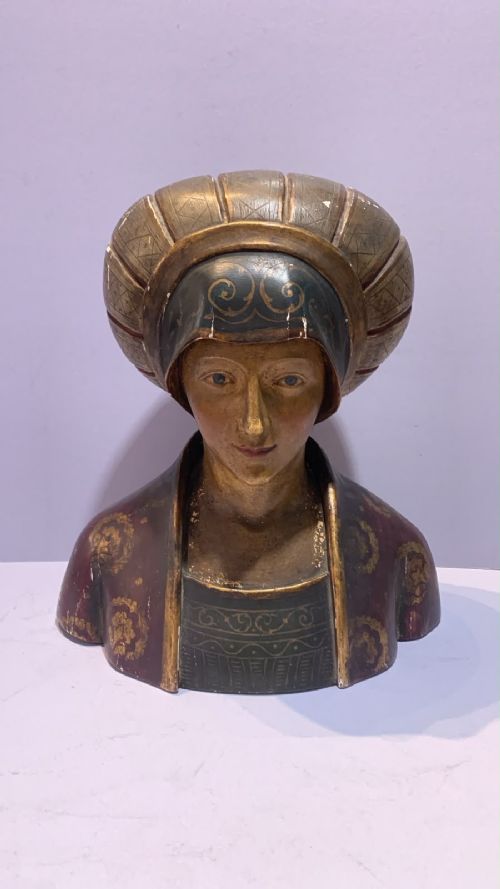
The selection here draws heavily on nineteenth-century revivals alongside authentic sixteenth and seventeenth-century survivals. Buyers encounter Italian and French influences, featuring figures of saints, noblewomen, soldiers, and mythological subjects.
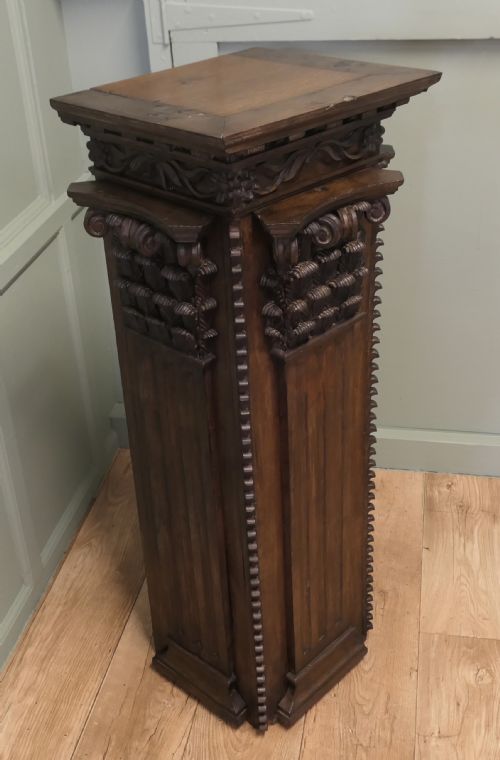
Forms vary from garden statuary and pedestal columns to mantel pieces and cabinet bronzes. Each object reflects the enduring fascination with classical antiquity and sixteenth-century sculpture.
Factors of quality and execution
Execution of detail separates superior works from standard decorative pieces, particularly in the crispness of wood carving or the clarity of bronze chasing. Master sculptors and workshops achieved lifelike expression and balanced proportions that lesser copies miss.
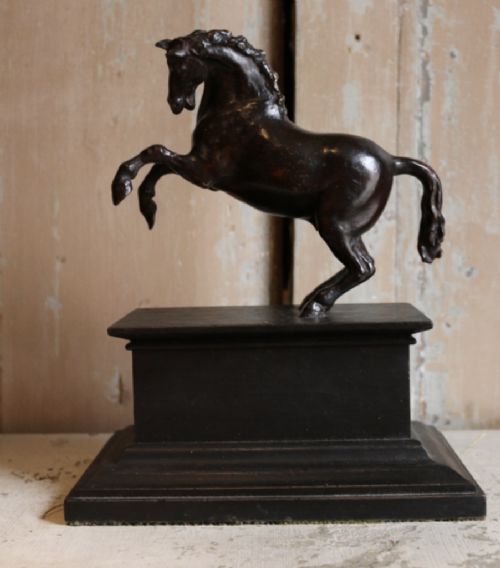
Patination and surface preservation heavily influence the character of a piece, whether through the warm ageing of bare bronze or the remaining traces of original polychrome pigment on ancient wood carvings.
Renaissance Style Statue Retail Price Guide 2026
Typical asking prices for renaissance style statue among the pieces listed under this phrase on Sellingantiques today, from the lower quarter to the upper quarter. They describe what is for sale here now, not the wider market.
Valentino Besarel·Leofanti Adolphe·Paul Fournier·Antonio Rossellino
The Renaissance Style Statue Glossary
- Spelter
- A zinc alloy commonly used as a cost-effective substitute for bronze in nineteenth-century decorative figures and candlesticks. It is often given a bronze-coloured finish to mimic more expensive metalwork.
- Polychrome
- The practice of decorating architectural elements or sculptures in a variety of colours. This technique appears frequently on older wood carvings and religious figures.
- Grand Tour
- A cultural tour of Europe undertaken by wealthy young men in the eighteenth and nineteenth centuries. It resulted in the acquisition of small-scale classical sculptures and busts.
- Giltwood
- Wood that has been treated with a thin layer of gold leaf or powder. This finish elevates the visual impact of religious sculpture and display pedestals.
- Lost-wax
- A metalcasting method in which a molten metal is poured into a mould that has been created by means of a wax model. It allows for the intricate detail seen in quality bronze statuary.
Renaissance Style Statue: Frequently Asked Questions
How do I date a bronze statue?
Dating relies on the casting technique, surface patination, and stylistic markers specific to the foundry or period. Examination of tool marks and fixings often reveals the age of the metal.
Later nineteenth-century revivals frequently exhibit different finishing methods compared to earlier works, helping collectors distinguish between original Renaissance pieces and later interpretations.
Where should I place a heavy stone or bronze figure?
Heavy sculptures require stable surfaces such as strong mantelpieces, dedicated pedestals, or reinforced garden spots. Ensure the weight distribution is secure to prevent tipping.
Interior pieces benefit from stable humidity levels away from direct heat sources, while garden statuary needs weather-resistant placement on solid masonry bases.
How do I clean antique wood carvings?
Dusting with a soft, dry brush or cloth is generally sufficient for maintaining carved wood and polychrome surfaces. Avoid liquid cleaners that can strip delicate finishes or old wax.
Professional conservation advice should be sought if the surface shows active flaking or requires deep cleaning to preserve the original pigment.
What is the difference between bronze and spelter?
Bronze is a durable alloy of copper and tin that takes a rich, stable patina and holds fine sculptural detail well. Spelter is a softer zinc-based metal that feels lighter and often shows age through surface flaking.
Examining the underside or discreet areas often reveals the base metal beneath the patination, confirming whether the piece is bronze or spelter.