





Outdoor Bronze Ornament
These outdoor bronze ornament pieces bring character and presence to garden settings through enduring metal forms.
Outdoor Bronze Ornament
You are most likely to meet figures of animals and birds alongside functional timepieces on this page. The forms range from Japanese Meiji period okimono to English country garden sundials.
Origins stretch from the nineteenth century into the mid-twentieth century. Materials span patinated bronze, cast metal, and stone combinations.
How they were made
Pieces on this page are formed from bronze, brass, and cast metal using traditional founding techniques. Many items feature applied patinas such as verdigris to withstand outdoor exposure.
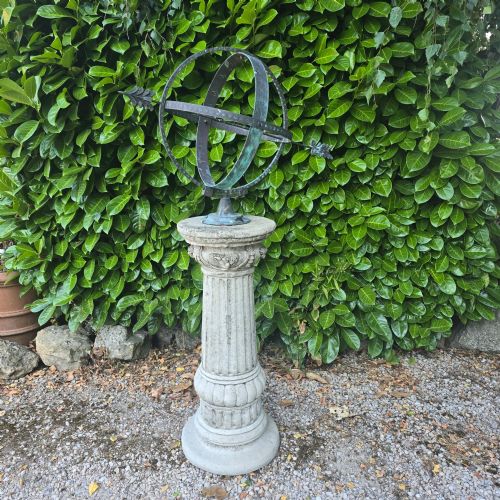
Some sculptures incorporate stone elements, pairing reconstituted stone bases or bird baths with bronze sundials. Metal components are cast to achieve naturalistic detail in animal and plant forms.
Outdoor Bronze Ornament Retail Price Guide 2026
Typical asking prices for outdoor bronze ornament among the pieces listed under this phrase on Sellingantiques today, from the lower quarter to the upper quarter. They describe what is for sale here now, not the wider market.
Listings feature periods from the nineteenth century through the 1940s, utilising bronze, brass, and reconstituted stone.
What varies in quality
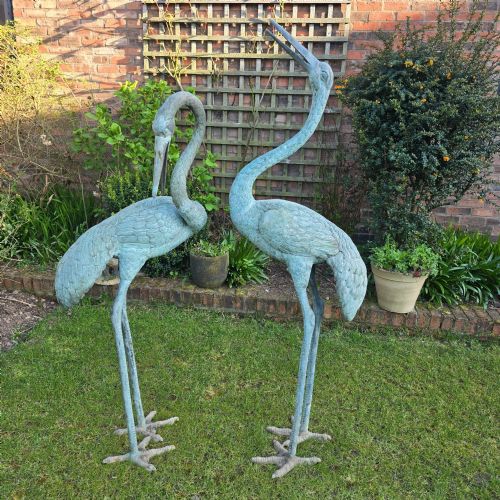
Quality in an outdoor bronze ornament lies in the fidelity of the casting and the depth of the finish. Lifesize animal figures and large fountain spouts demonstrate superior sculptural ambition compared to simpler decorative items.
The sophistication of the patination and the integrity of the metal surface dictate the visual appeal. Earlier pieces from the nineteenth and early twentieth centuries often show finer anatomical rendering.
The Outdoor Bronze Ornament Glossary
- Armillary sphere
- A model of the celestial sphere consisting of rings centred on the sun or earth. These form the upper part of certain garden sundials.
- Okimono
- A Japanese decorative object designed for display, often taking the form of detailed animal sculptures in bronze.
- Patinated bronze
- Bronze treated with chemicals or natural weathering to produce a surface colour or coating. This finish protects the metal and adds visual depth.
- Fountain spout
- A functional sculptural element designed to channel water into a basin or pond. These often take animal forms like crocodiles.
Outdoor Bronze Ornament: Frequently Asked Questions
What is an outdoor bronze ornament?
An outdoor bronze ornament is a durable metal sculpture, sundial, or fountain fitting designed for garden display. These pieces use metal alloys that develop stable patinas in the open air.
They serve as focal points in landscaping, combining utility with sculptural form across various historical styles.
How were garden sundials used?
Garden sundials tell time by casting a shadow from a gnomon onto a calibrated plate. They served both practical timekeeping and decorative roles in traditional settings.
Many examples combine brass or bronze dials with stone or metal pedestals to anchor them in the garden.
How do I care for bronze outdoors?
Bronze outdoor ornaments require minimal maintenance because the metal naturally forms a protective oxide layer. Occasional washing with water removes debris without harming the patina.
Harsh cleaners should be avoided to preserve the original surface character and colour.
How do I identify Japanese Meiji bronzes?
Japanese Meiji bronzes date from the late nineteenth or early twentieth century and often show high realism in animal subjects. Pieces such as geese and dragons demonstrate precise casting and detailed surface tooling.
These works reflect the craftsmanship of Japanese metalworkers producing specifically for export and domestic display.