



Bronze Figure Desk Light
A bronze figure desk light brings sculptural human and mythological forms into daily workspace illumination, merging 19th-century foundry craft with period lighting.
Bronze Figure Desk Light
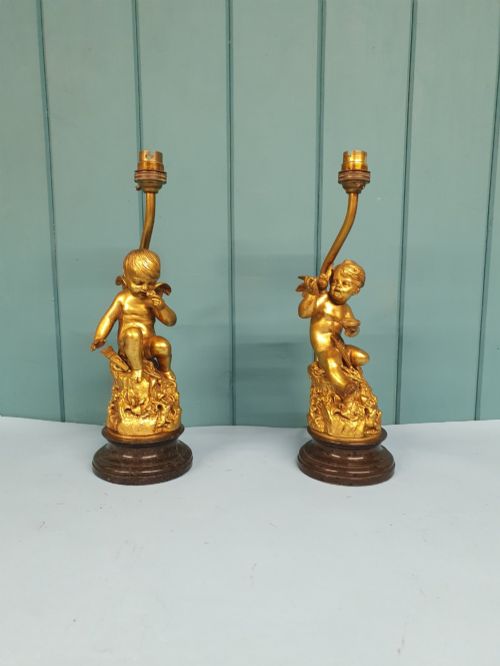
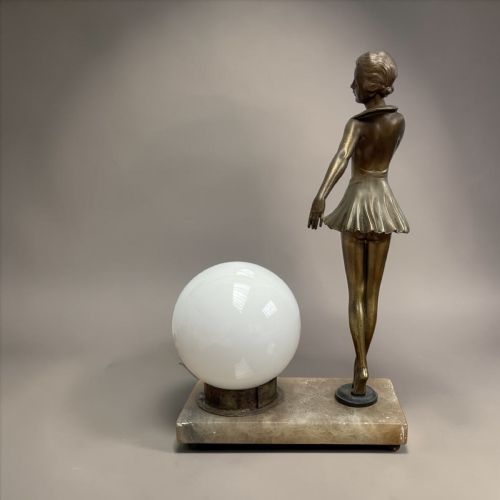
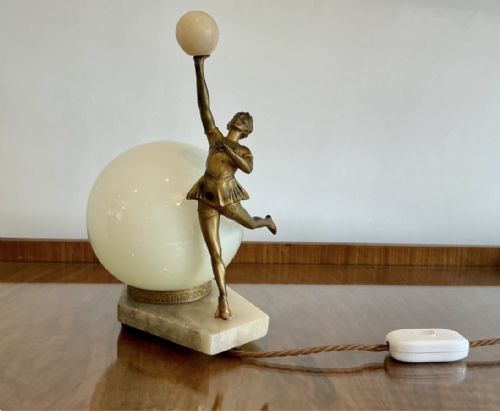
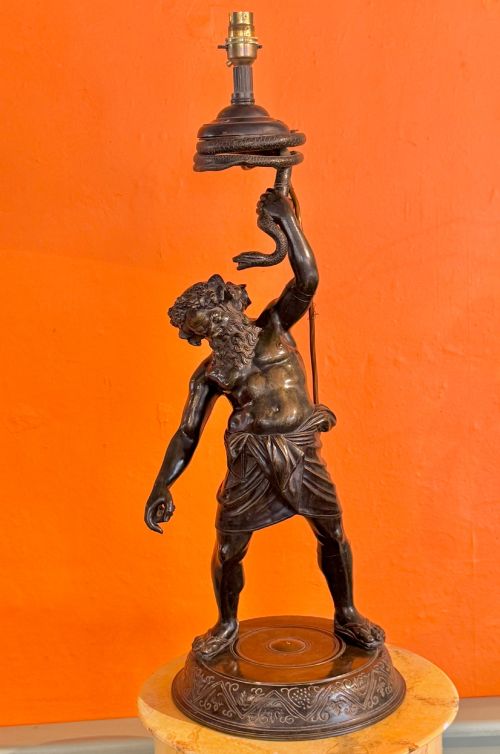
A bronze figure desk light combines sculptural metalwork with functional illumination, taking the form of figural table lamps and converted candlesticks. You will encounter subjects ranging from classical deities and cherubs to Art Deco ladies and animal studies.
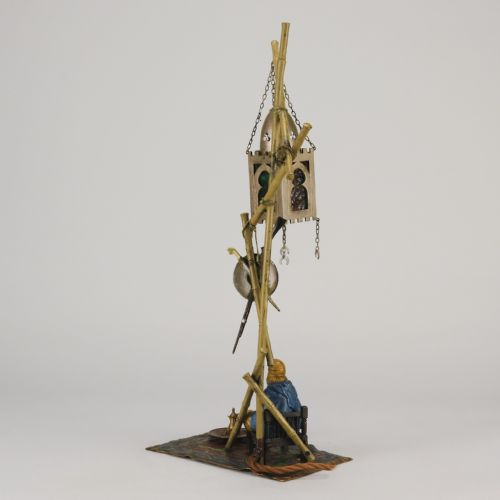
The pieces span periods from the Regency era through Victorian revival styles to the clean lines of 1930 Art Deco. Figures of mythological subjects, such as sileni and mermaids, sit alongside cold-painted Arab figures and twin-lady compositions.
Makers and foundries utilise diverse materials for the structural bases and illumination elements, mounting figures on marble plinths, brass fittings, and rock crystal columns. Many items originate from French workshops and English makers of the nineteenth and early twentieth centuries.
Materials and Construction
Foundries cast figures in bronze, patinated metal, or spelter, often applying cold-painted polychrome decoration or fine gilt ormolu finishes. Sculptural bodies are mounted onto heavy bases of marble, brass, or carved stone to provide stability for the weight above.
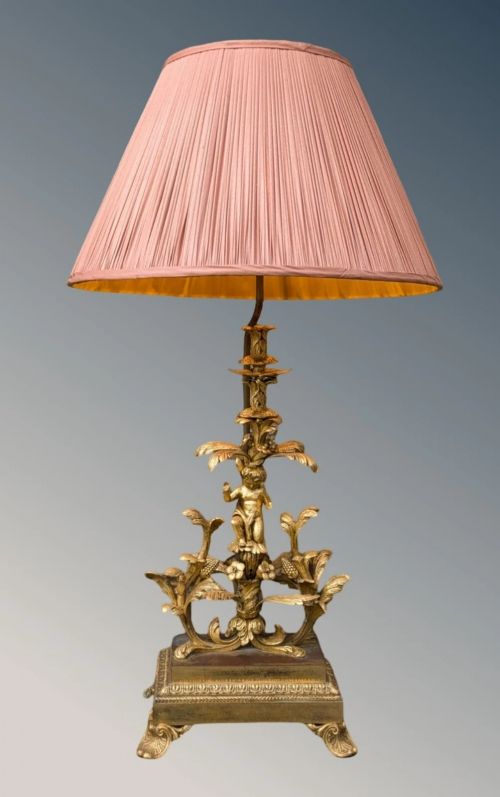
Illumination is integrated through torchettes, glass shades, opaline glass, frosted glass, or fabric elements paired with holders for bulbs or early oil mechanisms. Craftspeople frequently adapted existing statuettes, vases, and candlesticks into functional lamps during periods of electrification.
A Pierrot playing the accordion stands ready to serenade your desk from his marble perch.
Factors of Quality
The fidelity and crispness of the metal casting dictate the visual success of the piece, separating finely chased bronzes from softer spelter alternatives. Detail in facial expressions, drapery, and anatomical definition reflects the skill of the original sculptor and foundry.
Material integrity and the harmonious integration of the figural sculpture with the lighting mechanism determine overall execution. High-grade examples feature solid marble plinths, original patination, and well-balanced proportions that maintain stability despite the added weight of shades.
G. Amodio·Franz Bergman·L & F Moreau·Emile Picault·Aug. Moreau·Adrien Gaudez·P.Sega
The Bronze Figure Desk Light Glossary
- Cold-Painted Bronze
- A technique where bronze figures are painted with oil or enamel colours without high-temperature firing, common in Viennese animal and human statuary.
- Spelter
- An alloy of zinc and lead used as a less costly alternative to bronze, frequently finished with a bronze-like or patinated coating.
- Ormolu
- Gilded bronze produced by applying a mercury-gold amalgam to metal, yielding a rich golden surface characteristic of French decorative arts.
- Patinated Metal
- Metal treated with chemicals or heat to alter its surface colour and appearance, creating weathered, darkened, or aged tones.
Bronze Figure Desk Light: Frequently Asked Questions
What periods do these figural lamps cover?
The available lighting spans from Regency and Victorian eras through the late nineteenth century and into the 1920s and 1930s Art Deco movement. Earlier pieces favor classical, neoclassical, and mythological subjects, while later decades introduce stylised human figures and animals.
Foundry output shifted across these decades from heavy gilt bronze and neoclassical marble bases toward spelter compositions and streamlined Art Deco lady lamps. Each period employs distinct stylistic markers in dress, posture, and mounting techniques.
Were these always lamps from the start?
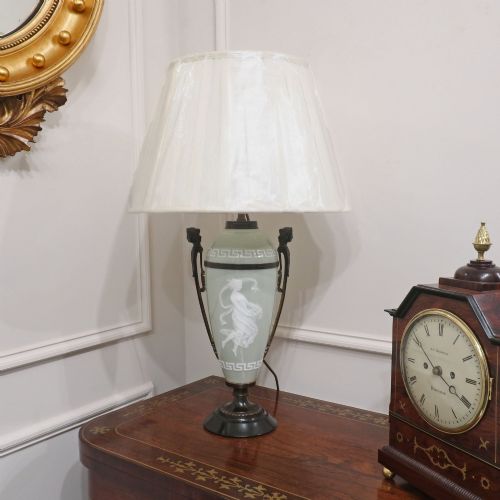
Many items began life as standalone bronze statuettes, vases, or candlesticks before later conversion into table lamps. Foundries and later owners adapted these sculptures to accommodate electrical wiring and bulb fittings.
Original lamp configurations appear alongside statuettes mounted to bases with added torchere shades or lamp holders. Inspecting the base and interior fittings often reveals whether the electrical elements are original to the manufacture or added subsequently.
How do I distinguish bronze from spelter?
Bronze is a heavy, durable copper alloy that accepts fine chasing and retains a crisp, detailed surface definition. Spelter is a softer, lighter zinc-lead alloy that often shows wear or minor casting flaws more readily.
When handling the piece, bronze feels noticeably colder and heavier than spelter of the same size. Additionally, old breaks in spelter tend to show a grey, granular interior structure rather than the reddish-brown tone of bronze.
What materials are used for the shades?
Shades incorporate materials such as frosted glass, opaline glass, fabric, and sculpted metal torchettes. These elements balance the heavy metal and marble weight of the figurative bases below.
Glass components often diffuse the light across cold-painted surfaces or gilt bronze details. The choice of shade material typically reflects the manufacturing period, ranging from ornate glass columns to sleek Art Deco geometric forms.