
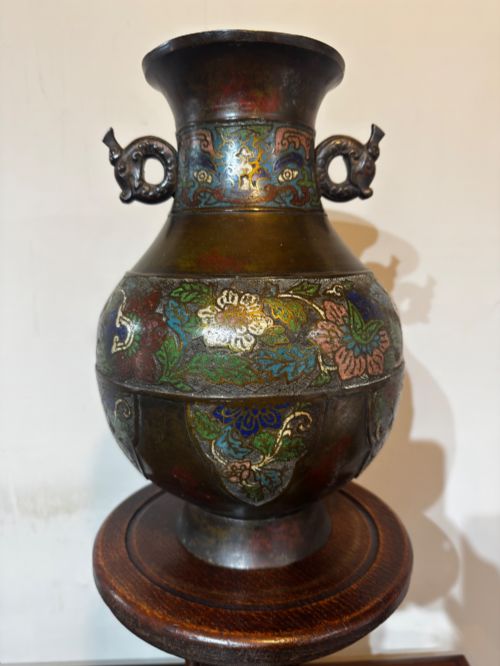


Bronze Decorative Vessel
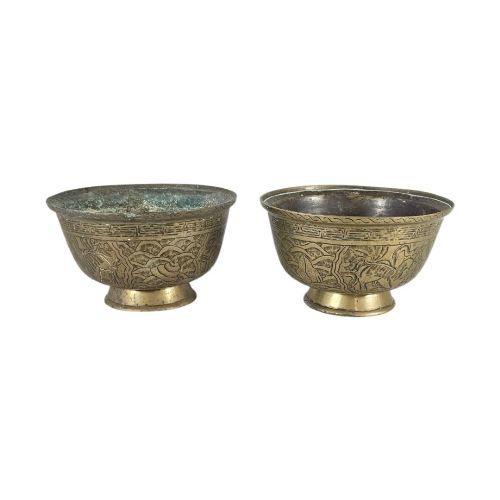
When you search for a bronze decorative vessel, you uncover heavy cast metal forms shaped into vases, urns, and jardinieres from the nineteenth century.
Bronze Decorative Vessel
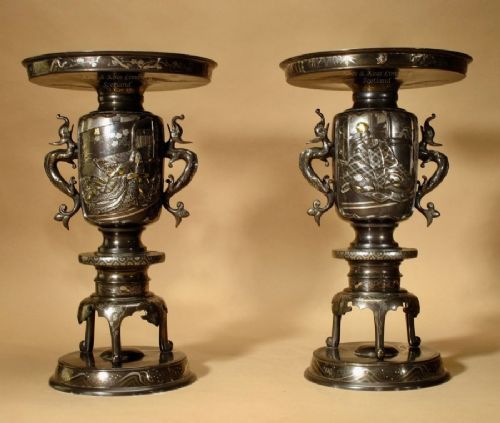
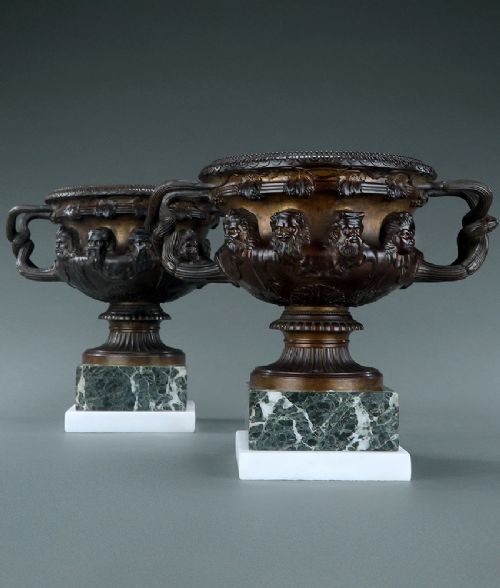
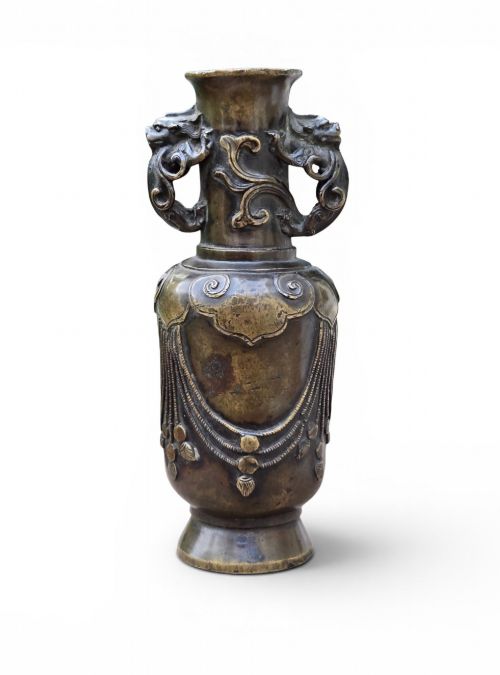
A bronze decorative vessel takes the form of vases, urns, and jardinieres designed for interior display across the nineteenth century. Buyers encounter Japanese Meiji period examples alongside Chinese works and European Grand Tour pieces.
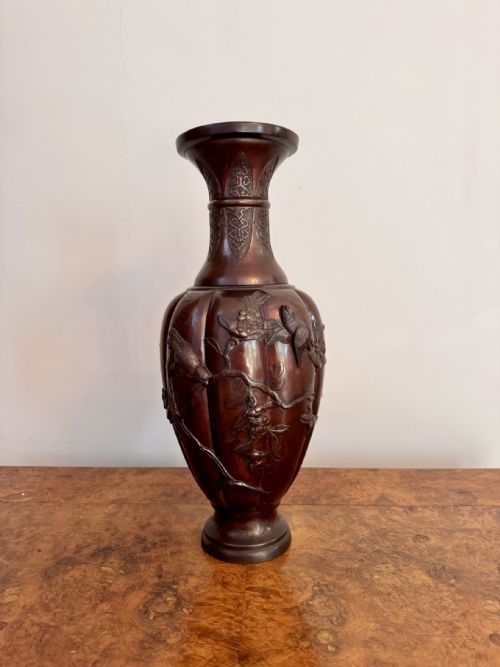
The assortment spans baluster vases, ewers, and centrepiece bowls cast in copper-alloy or bronze. Many pieces integrate marble bases, onyx, or porcelain bodies.
Origin points range from Japanese workshops and Chinese dynasties to French studios and Italian foundries. The heavier items often serve as substantial floor or table centrepieces.
How they were made
Foundries utilised traditional casting techniques, combining bronze and copper-alloy with applied patination or gilt finishes. Artisans chased the metal surfaces by hand to define intricate floral and figural motifs.
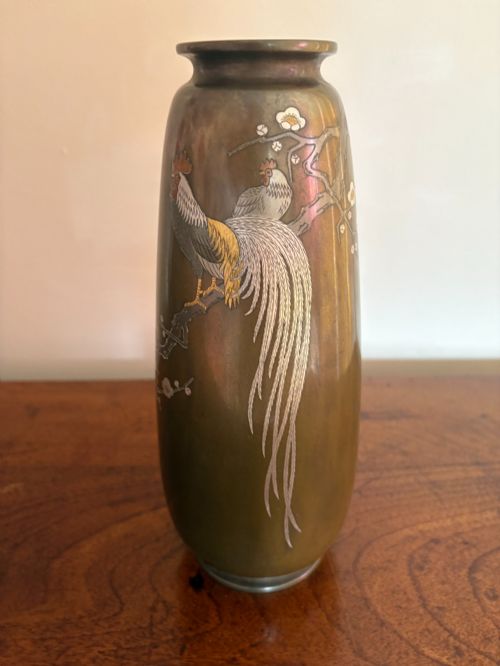
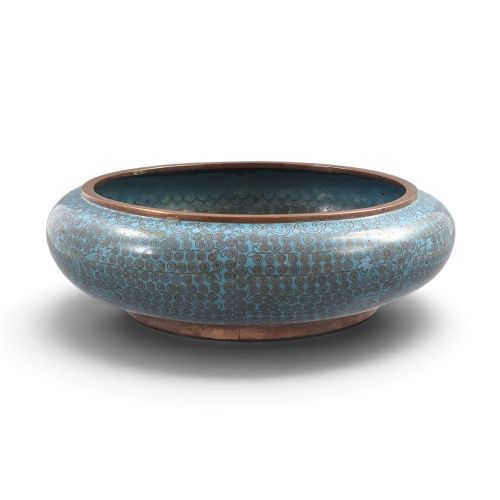
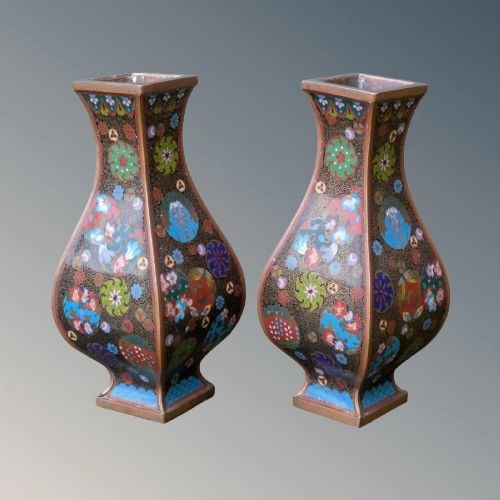
Enamel work appears frequently, utilising cloisonné and champlevé methods to fuse coloured glass pastes within wire cells or hollowed channels. Inlaid silver or gold often highlights the primary bronze body.
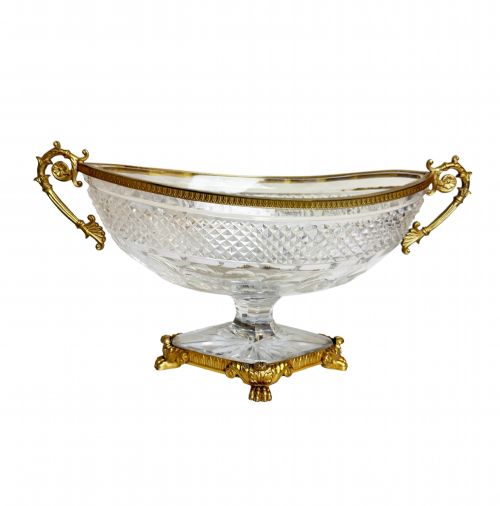
Mounts in ormolu and combinations with crystal, green onyx, or marble demonstrate mixed-media assembly common in French and English workshops.
Bronze Decorative Vessel Retail Price Guide 2026
Typical asking prices for bronze decorative vessel among the pieces listed under this phrase on Sellingantiques today, from the lower quarter to the upper quarter. They describe what is for sale here now, not the wider market.
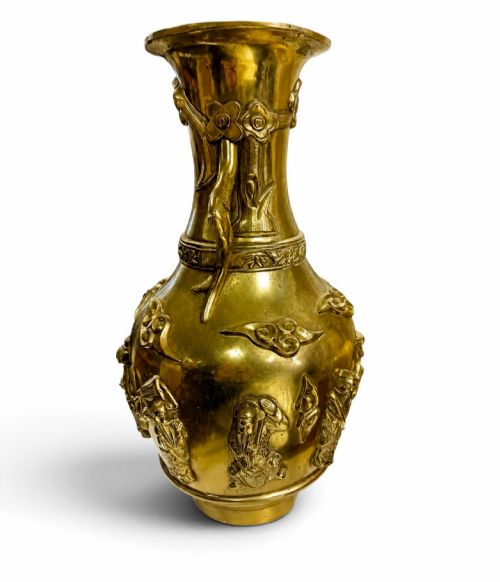
Frogs, Bacchus, and Daoist immortals share the metal stage, proving that nineteenth-century artisans loved an unexpected guest on a vase.
What varies in quality
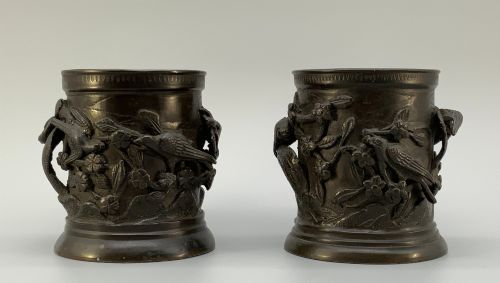
The crispness of the chased or high-relief detailing dictates visual clarity across the cast surface. Sharpness in the depiction of birds, blossom, or mythological figures distinguishes finer work from softer castings.
Material integration marks the tier of a vessel, such as the precision of cloisonné wirework or the stability of marble and onyx mountings. Heavier metal weight and balanced proportions signal careful foundry production.
Signature markings or specific workshop attributions elevate the standing of individual pieces, reflecting the skill of recognised makers from Meiji Japan or European centres.
KANASAWA·Kizan·Charles Korschann·Jean Dunand
The Bronze Decorative Vessel Glossary
- Cloisonne
- Enamel work created by soldering wire partitions onto a metal base before filling the compartments with vitreous paste. This technique produces intricate patterned surfaces on vases and bowls.
- Champleve
- Enamel decoration where troughs or cells are dug directly into the bronze surface to hold coloured enamel. The surrounding metal lines frame each coloured section.
- Ormolu
- Gilded bronze applied as a decorative mount or foot on nineteenth-century vessels. The technique involves treating the bronze with a gold amalgam.
- Jardiniere
- A large decorative pot or bowl intended to hold growing plants or flower arrangements. These pieces frequently appear in bronze or ceramic with metal mounts.
- Campana
- An inverted bell-shaped urn profile derived from classical antiquity. Grand Tour examples often reproduce this specific classical silhouette.
Bronze Decorative Vessel: Frequently Asked Questions
What is a bronze decorative vessel used for?
These vessels function primarily as interior display objects, ranging from mantelpiece urns to table centrepiece bowls. Historical uses included holding flowers, plants, or scholar's desk accessories.
Today, collectors place them on sideboards or pedestals as focal points within period or eclectic interiors. Their substantial weight allows them to support floral arrangements or stand alone as sculptural art.
How do I date a bronze decorative vessel?
Dating relies on stylistic markers, manufacturing techniques, and regional influences recorded across the nineteenth century. Victorian and Meiji period pieces often exhibit specific surface patination and casting signatures unique to their decade.
Examining base marks, mounting materials like green onyx or marble, and regional decorative motifs helps narrow the production window. European Grand Tour items typically reflect classical revival tastes tied to mid-nineteenth-century travel.
How do I care for a bronze decorative vessel?
Maintaining these pieces requires gentle dusting with a soft, dry cloth to protect the original patinated or gilt surface. Avoid harsh chemical cleaners or abrasive polishes that strip historical patination.
Keeping the metal away from direct moisture prevents corrosion, particularly on items with exposed copper-alloy or enamel work. Wax is occasionally applied by conservators to seal vulnerable bronze surfaces against humidity.
What is the difference between Japanese Meiji and European bronze pieces?
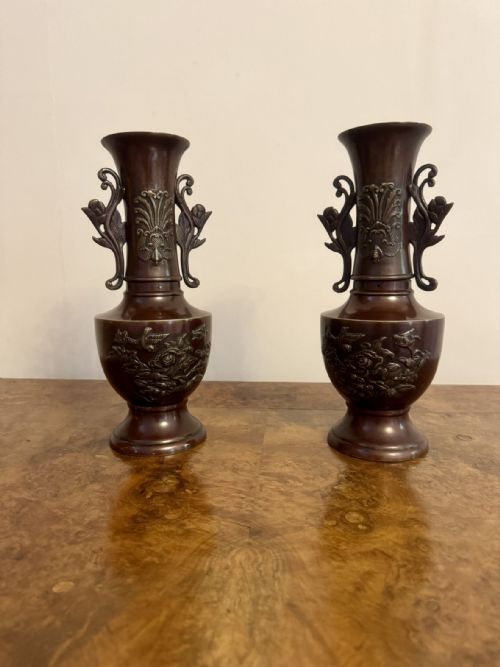
Japanese Meiji pieces frequently showcase high-relief casting of nature themes such as birds, blossom, and koi, alongside intricate bronze inlay. European works often lean towards classical revival styles, incorporating Grand Tour motifs, Bacchus figures, or ormolu mounts.
Production methods also vary, with Japanese foundries focusing on distinct patination and surface carving, while European studios paired bronze with marble, onyx, and porcelain.