



Bronze Cherub Statues
Bronze cherub statues capture playful mythological figures in metal, offering classical elegance and centuries of decorative charm for your home.
Bronze Cherub Statues
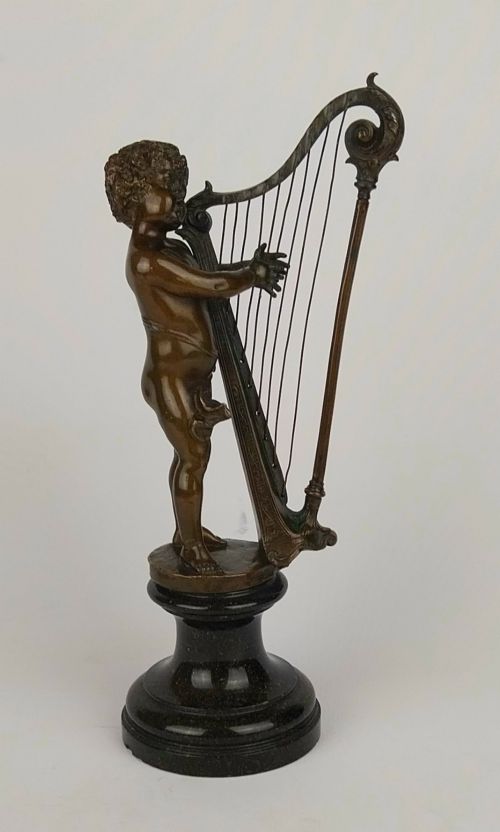
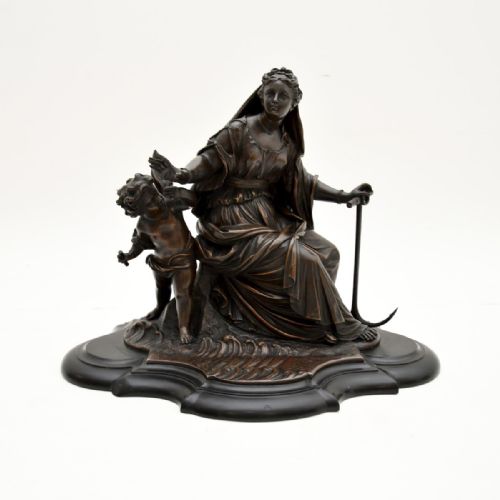
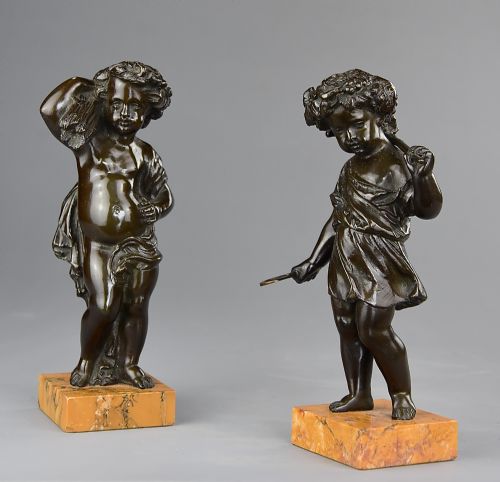
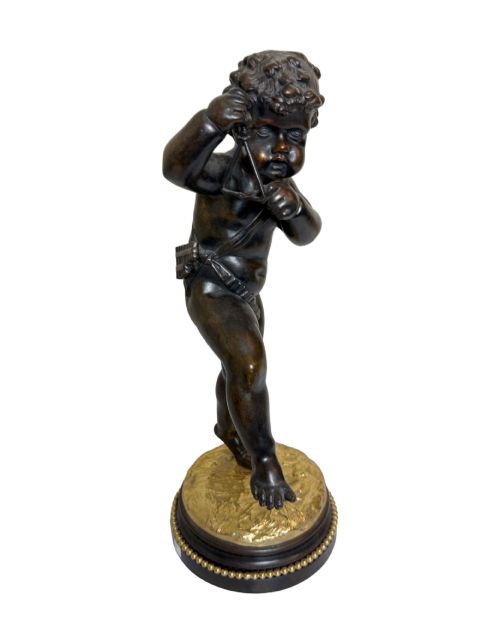
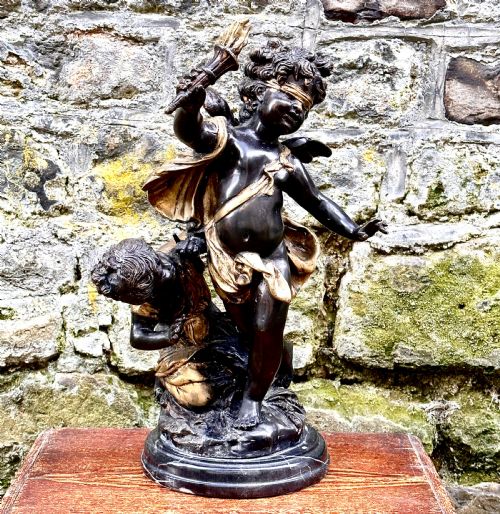
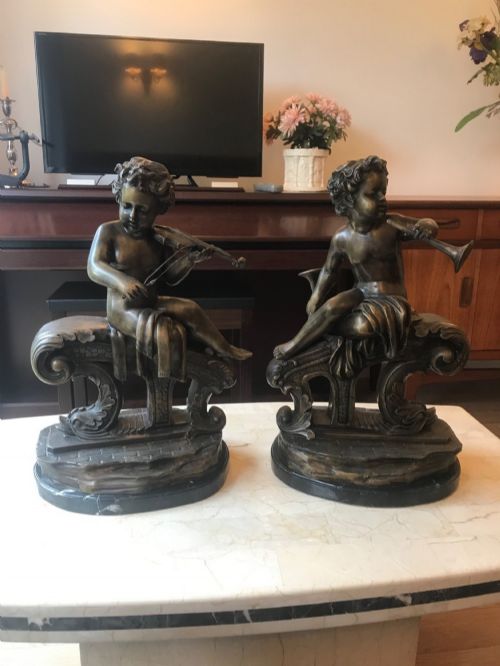
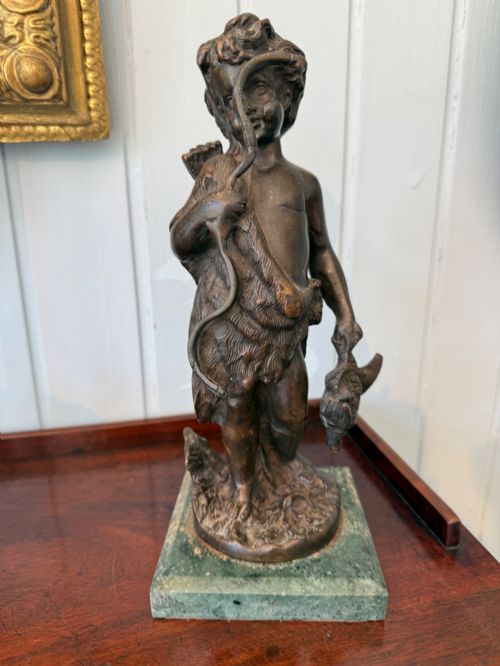
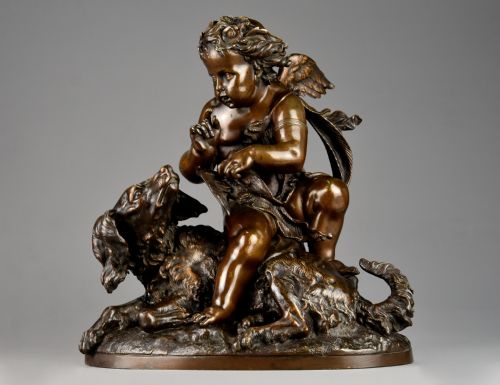
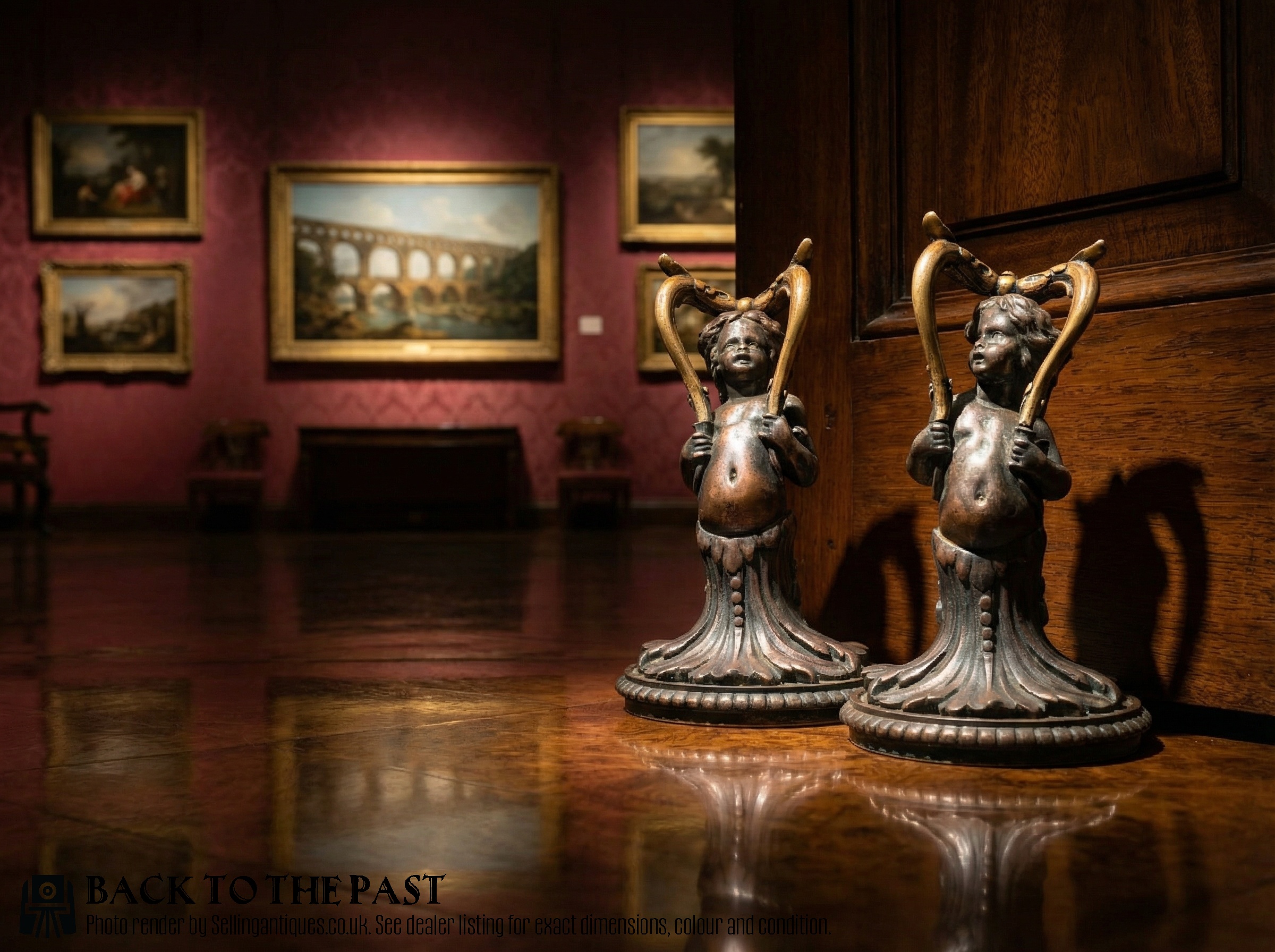
When you search for bronze cherub statues, you are looking at figural sculptures depicting winged infants, putti, and cupids drawn from classical mythology. The pieces on this page span the Georgian era through the twentieth century, with a strong presence of nineteenth-century French casting. You will find them modelled as musicians, hunters, and harvesters, often cast as pairs or integrated into clocks, lamps, and doorstops.
The most common form you will meet is the nineteenth-century French cabinet sculpture or pair of figures, frequently mounted on marble bases. These works reflect the enduring popularity of classical revival and rococo revival aesthetics across European workshops. Many draw inspiration from the compositions of renowned sculptors like Claude Michael Clodion and Auguste Moreau.
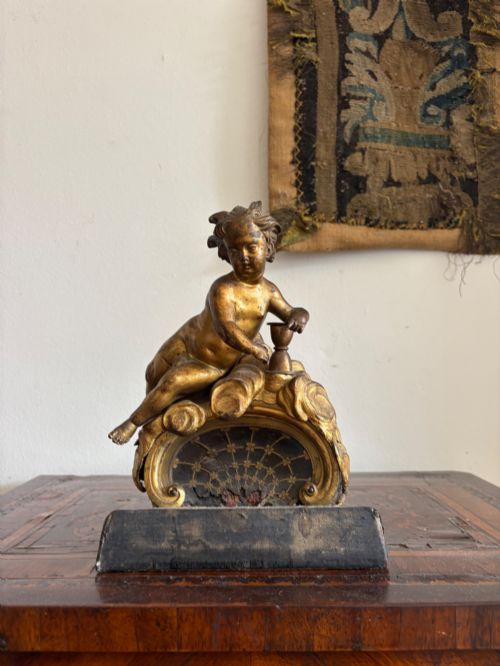
Beyond standalone statuettes, the evidence shows these figures functioning as decorative mounts, finials, timepiece cases, and even converted table lamps. Their utility shifted over time from grand architectural ornaments and mantel garnitures to domestic objects suited for tabletop display.
How they were made
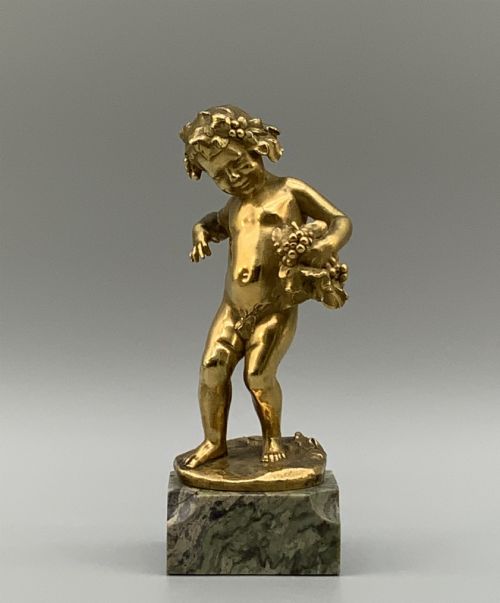
The objects recorded here rely primarily on traditional metal casting techniques utilising bronze, gilt bronze, patinated bronze, ormolu, and silvered bronze. Figures were cast in parts and assembled, capturing intricate details from musical triangles and bows to grapes and wheat sheaves. Many examples combine dark patination with gilded highlights or rest upon contrasting white or coloured marble plinths.
Surface finish played a central role in the production of these sculptures, distinguishing patinated dark metal from bright fire-gilded ormolu. Artisans also incorporated secondary materials such as wood, enamel, and glass into associated items like clocks and lamps.
Bronze Cherub Statues Retail Price Guide 2026
Typical asking prices for bronze cherub statues among the pieces listed under this phrase on Sellingantiques today, from the lower quarter to the upper quarter. They describe what is for sale here now, not the wider market.
Listings feature nineteen-century French and English works cast in bronze, gilt bronze, and patinated bronze, often mounted on marble.
What varies in quality
Quality in these castings rests upon the crispness of the chasing and the fidelity of the modelling in the figures. Superior examples exhibit fine articulation in the hair, wings, and facial expressions, whereas lesser pieces appear soft and generalized in their surface texture.
The choice and execution of the base and mounts also separate production tiers. Heavier, finely finished marble plinths and secure bronze mountings indicate workshop standards above standard commercial output.
Charles Louis Malric·Susse Frères·Claude Michael Clodion·Louis Auguste Moreau·Aug. Moreau·Charles Cumberworth·Carrier·BELLENOT PARIS·Pigale·Alios Mayer
The Bronze Cherub Statues Glossary
- Putto
- A chubby, winged male infant figure frequently found in classical art. These cherubic motifs often embody secular love or mythological merriment.
- Ormolu
- Ground gold applied to bronze objects using a mercury amalgam technique. This decorative coating provides a rich, enduring golden lustre.
- Grand Tour
- A cultural journey undertaken by wealthy young Europeans to study classical antiquities. Souvenirs from these travels included small-scale bronze sculptures.
- Patination
- The surface coloration achieved naturally over time or through chemical treatment on bronze. It protects the metal while defining the sculptural contours.
- Neoclassical
- A style drawing inspiration from the classical art and culture of ancient Greece and Rome. It emphasises symmetry, proportion, and mythological themes.
Bronze Cherub Statues: Frequently Asked Questions
What is a putto?
A putto is a plump, winged infant figure derived from classical art and Renaissance sculpture. They appear frequently in these metal works as representations of cupids or cherub musicians.
The term distinguishes these secular mythological infants from religious angels, though the visual traditions overlap significantly in nineteenth-century decorative arts.
How do I identify a Grand Tour bronze?
Grand Tour bronzes were acquired by travellers visiting Italy and classical sites during the eighteenth and nineteenth centuries. They often replicate famous antique statues on a smaller scale.
These pieces typically feature rich patination and were intended for display on desks, cabinets, or specially fitted marble bases.
Where were these figures placed originally?
Nineteenth-century bronze figures served primarily as interior ornaments for domestic drawing rooms and libraries. They sat upon mantelpieces, cabinets, and occasional tables as part of matching decorative garnitures.
Some examples functioned directly as components of clocks, candlesticks, or doorstops, combining practical utility with classical sculptural ornament.
How do I care for antique bronze?
Antique bronze requires gentle dusting with a soft, dry cloth to prevent the accumulation of grit in recessed details. Avoid using commercial metal polishes, which can strip away historic patination.
Keep pieces away from direct heat sources and high humidity to preserve both the metal surface and any associated marble bases.