


Bronze Canine Figurine
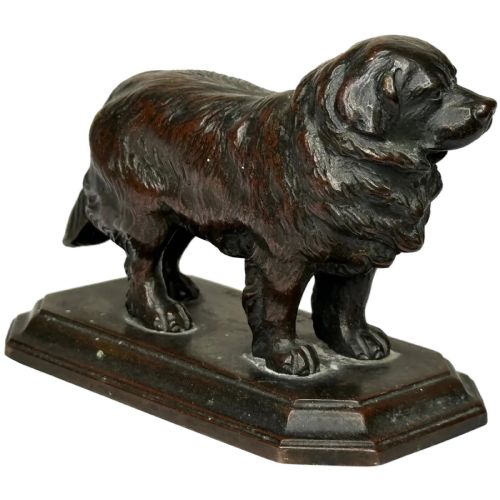
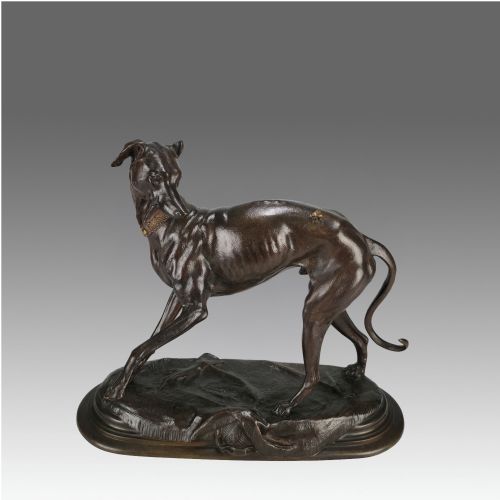
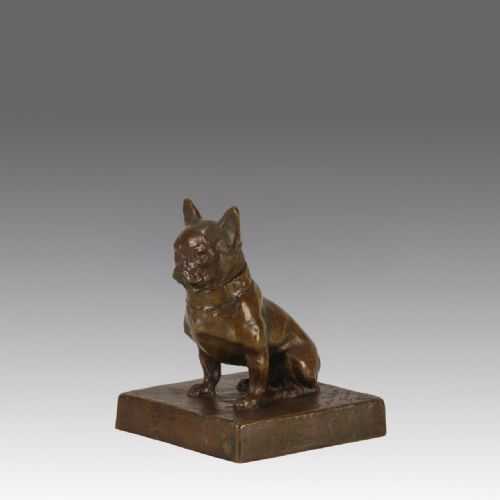
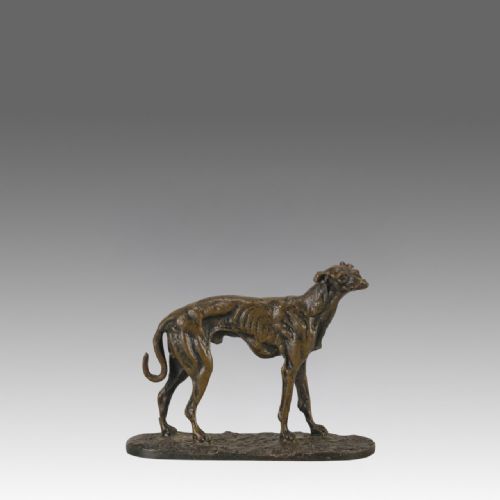
A bronze canine figurine captures dogs in metal, ranging from nineteenth century French animalier greyhounds to Art Deco terriers.
Bronze Canine Figurine
A bronze canine figurine represents dogs modelled in metal, capturing hounds, gundogs and lapdogs in domestic or sporting poses. These works appear across nineteenth century and early twentieth century periods, reflecting changing tastes in animal sculpture.
The version most commonly met on this page is the nineteenth century French animalier casting, depicting greyhounds, bassets and spaniels with sharp realism. Other pieces extend to Meiji period Japanese examples and twentieth century Art Deco depictions.
Makers and sculptors often signed their works directly onto the cast or base, connecting the sculpture to named European workshops. Forms vary from small cabinet figures and car mascots to substantial library sculptures.
How They Were Made
These figures rely primarily on bronze cast through traditional foundry methods, frequently mounted upon marble or timber bases. Patination treatments create deep brown or green surface tones.
Selected examples employ cold-painted enamel techniques applied directly over the metal surface to render realistic coat markings. Spelter appears as an alternative metal medium in twentieth century interpretations.
Listings feature periods spanning the mid nineteenth century through the Art Deco era, alongside Meiji period Japanese bronzes.
What Varies in Quality
Sculptural fidelity separates standard commercial foundry output from pieces modelled by recognised animalier artists. The crispness of musculature, expression and anatomical proportion distinguishes superior castings.
Surface finishing dictates visual success, where hand-chased detail and nuanced patination preserve the tactile quality of the metal. Original bases and clear signatures reinforce the integrity of the piece.
Alfred Barye·Dora Heber·P J Mêne·Prosper Lecourtier·Antoine Louis Barye·C Masson·Edith Parsons·Arthur Waagen·P de Soete·Joseph Francois Victor Chemin·Franze Bergman·Louis Riche·Barbedienne·L Bureau
The Bronze Canine Figurine Glossary
- Animalier
- A nineteenth century artistic movement devoted to realistic depictions of animals. Sculptors in this tradition focused heavily on anatomical accuracy and natural movement.
- Patina
- The surface coloration and sheen acquired by bronze over time or applied chemically by the foundry. This finish protects the metal and defines the visual depth.
- Cold-Painted
- A coloration technique where paint is applied to cold metal without subsequent firing. This method characterises Viennese animal figures.
- Spelter
- A zinc alloy frequently used as a cheaper substitute for bronze during the early twentieth century. It possesses a lighter weight and softer surface texture than true bronze.
Bronze Canine Figurine: Frequently Asked Questions
What is an animalier bronze?
An animalier bronze is a nineteenth century sculpture focusing specifically on realistic animal forms, particularly dogs, horses and wild beasts. These pieces emerged from European fine art traditions that prized anatomical observation.
Foundries cast these works in limited editions or individual runs, ensuring varied postures from resting hounds to energetic retrievers.
What are car mascots?
Car mascots are small figurative sculptures mounted on the radiator caps of early twentieth century motor vehicles. Dog figurines proved popular choices for motorists wishing to display their favourite breeds.
These pieces feature sturdy threaded bases designed to withstand outdoor travel conditions.
Are these figures solid bronze?
Many bronze canine figurines are hollow castings produced using the lost-wax method to reduce weight and metal usage. This technique permits intricate undercut details in the fur and paws while maintaining structural strength.
Marble or timber bases frequently provide added weight and stability for display on desks and mantelpieces.