

British School Portrait Painting
British school portrait painting captures centuries of individual character through oil on canvas, wood, and paper, offering a direct link to historical sitters.
British School Portrait Painting
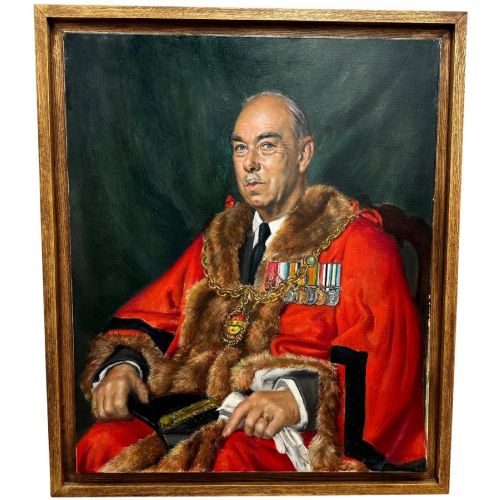
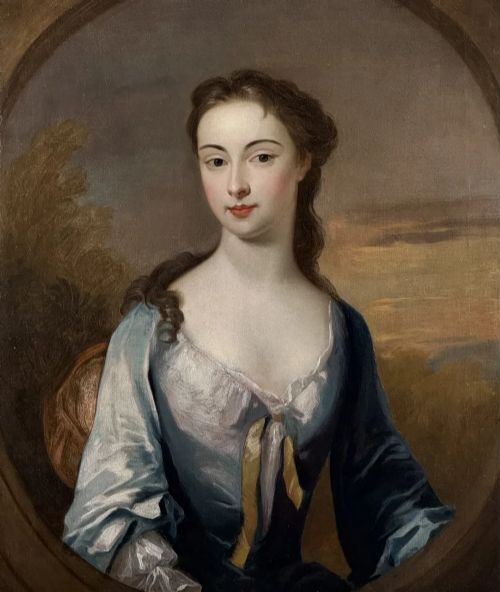
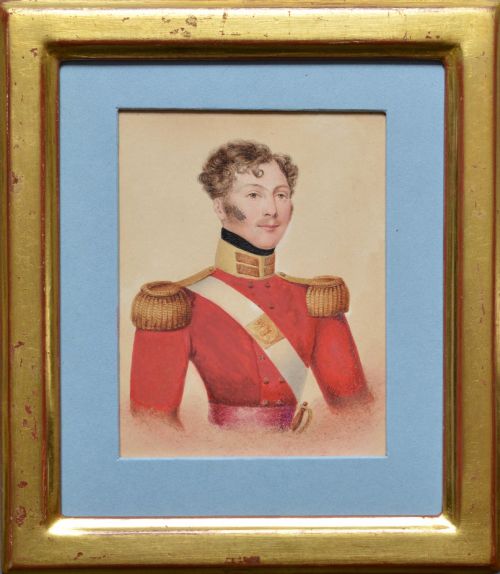
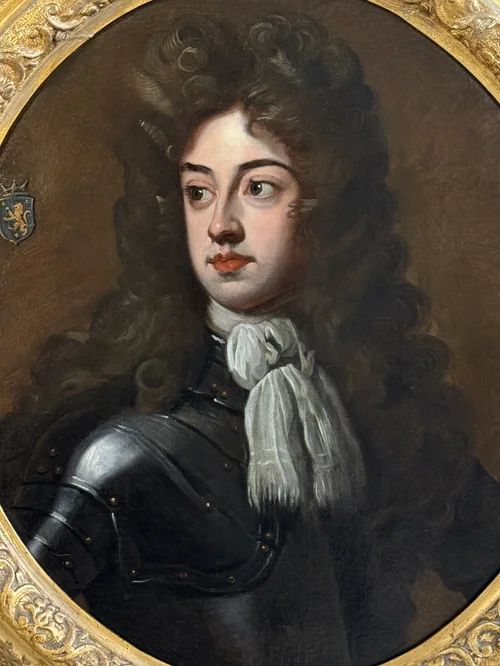
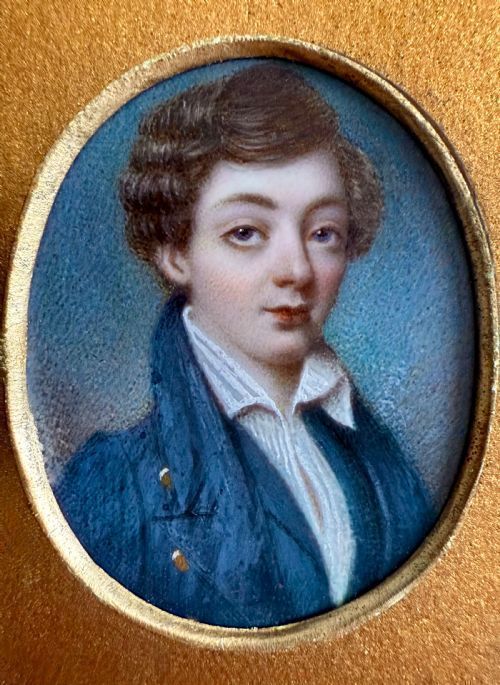
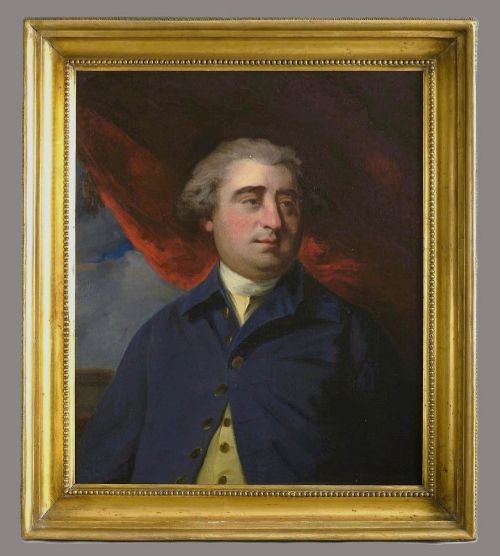
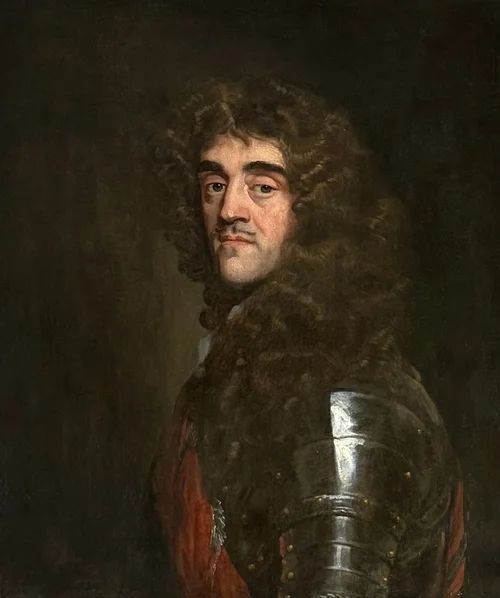
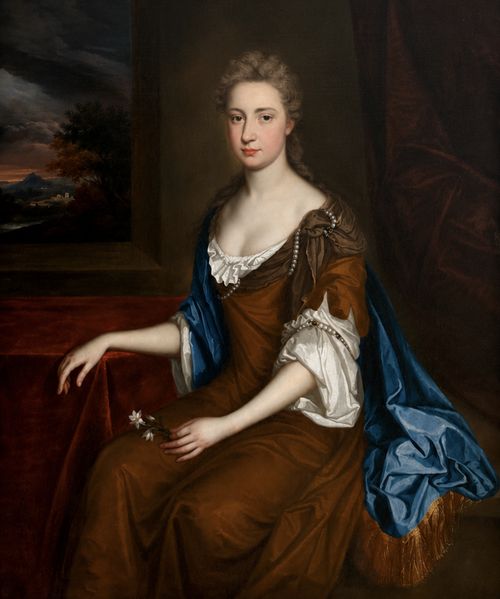
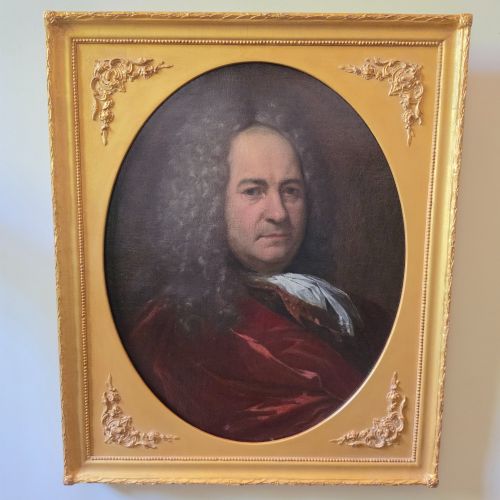
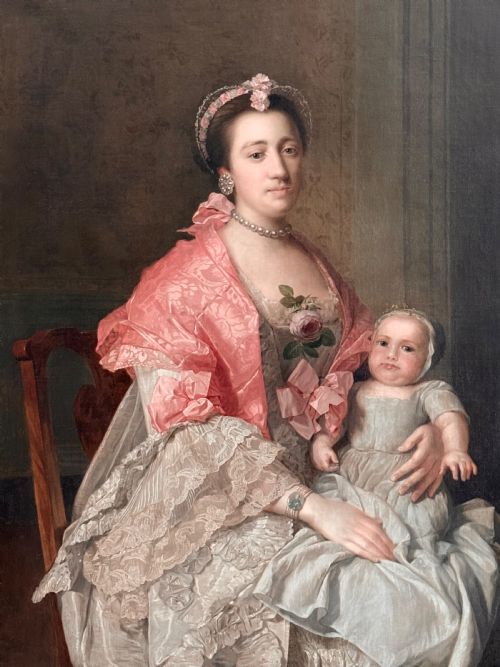
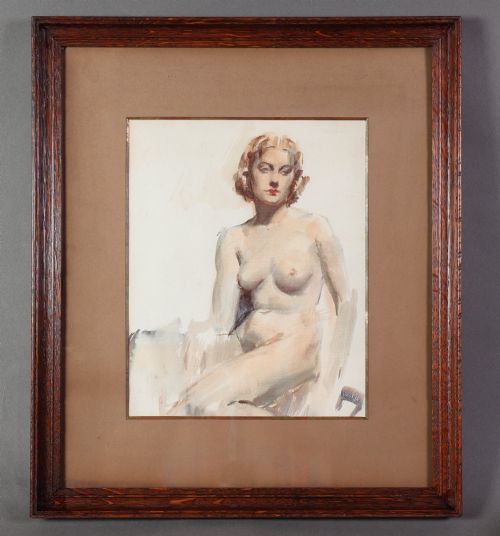
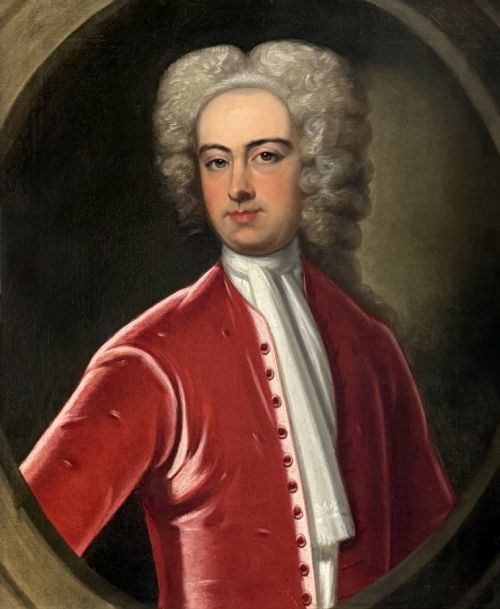
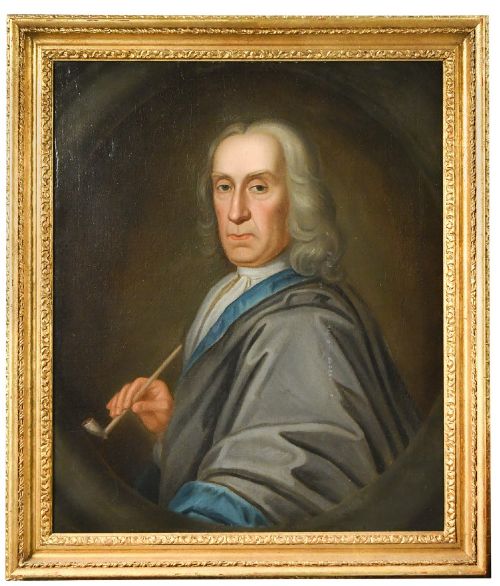
A british school portrait painting depicts historical figures, nobility, military officers, and everyday sitters rendered in oil or watercolour across the seventeenth, eighteenth, nineteenth, and twentieth centuries. These works range from formal half-length oils in heavy giltwood frames to intimate oval portrait miniatures on paper and delicate watercolours.
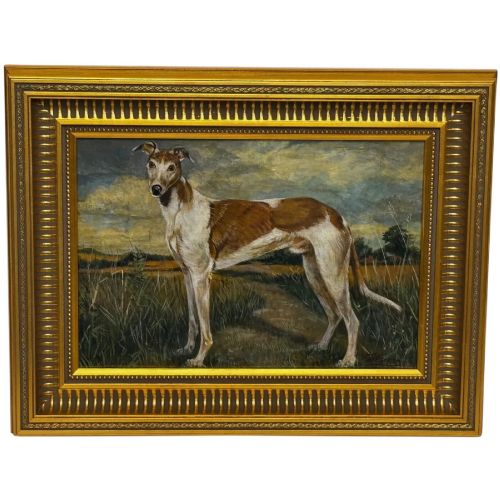
Many pieces emerge from provincial workshops or anonymous hands working within the broader british school tradition, alongside works by named practitioners like Sir William Beechey, Charles Jervas, and Sir Godfrey Kneller. Subjects extend beyond human sitters to include prized livestock, sporting dogs, and working animals executed with similar compositional care.
The selections span distinct periods including the baroque era, georgian and regency epochs, victorian society, and twentieth-century realism and modern british movements. Buyers encounter everything from grand historical oils of earls and judges to modest nineteenth-century canvas studies of young women and children.
Materials and methods
Painters primarily applied oil paint to stretched canvas, wood panels, or boards, occasionally utilising paper for watercolours and portrait miniatures. Canvases were often nailed to wooden stretchers and sometimes laid onto secondary boards during later conservation or mounting.
Frames play an integral structural and aesthetic role, frequently constructed from carved and gilded wood, known as giltwood, or finished with ebonised detailing. Glazing protects delicate works on paper and miniatures behind glass within fitted frames.
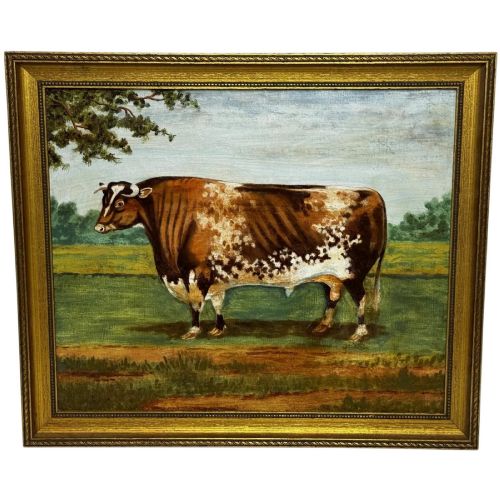
Several canvases immortalise domestic companions, ranging from prize shorthorn bulls and lurcher dogs to a watchful cat and a St Bernard in an English landscape.
Evaluating quality and execution
The integration of the subject within the surrounding canvas, the depth of background detail, and the original harmony between the painting and its period frame elevate certain works above standard provincial records.
SIR WILLIAM BEECHEY R.A·Bernard Hailstone·CHARLES JERVAS·SIR GODFREY KNELLER·RICHARD COSWAY·SIR JOSHUA REYNOLDS·JOHN GREENHILL·ALLAN RAMSAY·TRAJAN HUGHES·Harold Knight·William Jones of Bath·Stephen Pearce·Thomas Beach·Tony Giles·William Henry Knight·Thomas Hill·Thomas Gainsborough·Sir Edwin Landseer·George Chinnery·William Robert Dickinson·Richard Wilkinson·Sidney Byers·Sir Thomas Lawrence
The British School Portrait Painting Glossary
- British School
- A term applied to artists trained or working in Britain, encompassing both named masters and anonymous provincial painters. It bridges centuries of shifting portraiture styles.
- Oil on Canvas
- Pigments suspended in a drying oil medium applied to a woven fabric support. This was the primary medium for substantial historical portraits.
- Giltwood
- Timber carved and coated with a thin layer of gold leaf or gold paint. These frames provide period-appropriate housing for oil paintings.
- Portrait Miniature
- A small, highly detailed painting executed on vellum, paper, or card, often designed for intimate personal wear or desk display. They frequently appeared during the georgian era.
- Baroque
- An artistic style prevalent in the seventeenth century characterised by dramatic lighting, rich colour palettes, and theatrical poses. Portraits from this period often feature elaborate armour or drapery.
British School Portrait Painting: Frequently Asked Questions
How do I identify the period of a portrait?
Examination of clothing styles, hairstyles, and collar shapes provides the most reliable chronological clues for undated sitters. Fashion changes across the seventeenth, eighteenth, and nineteenth centuries dictate specific silhouettes.
Stretcher construction, canvas types, and framing materials offer secondary physical evidence to confirm whether a piece belongs to the georgian, regency, or victorian eras.
What is the difference between named artists and british school attributions?
Named artists carry documented biographies, exhibition records, and verified signatures or studio records that allow direct attribution. Their works often command stronger art historical recognition.
Paintings designated simply as british school lack a confirmed individual author but reflect the stylistic standards, techniques, and regional traditions of British portraiture during a specific era.
How should I care for an antique oil painting?
Antique canvases require stable indoor environments away from direct sunlight, excessive humidity, and rapid temperature fluctuations. These factors prevent canvas warping, paint cracking, and varnish discoloration.
Dusting should be performed gently with a soft, dry brush, avoiding water or chemical cleaning agents on both the paint surface and the giltwood frame.
Why do some portraits depict animals rather than people?
Animal portraiture, including prized shorthorn bulls, lurcher dogs, and horses, held significant status for landowners and agriculturalists during the eighteenth and nineteenth centuries. Owners commissioned these works to document prized livestock and beloved hunting companions.
These canvases followed the same formal composition rules as human portraits, reflecting the high value placed on rural estates and animal husbandry.