

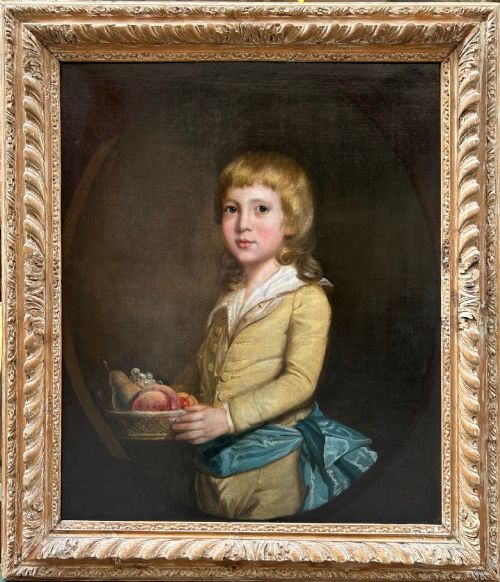
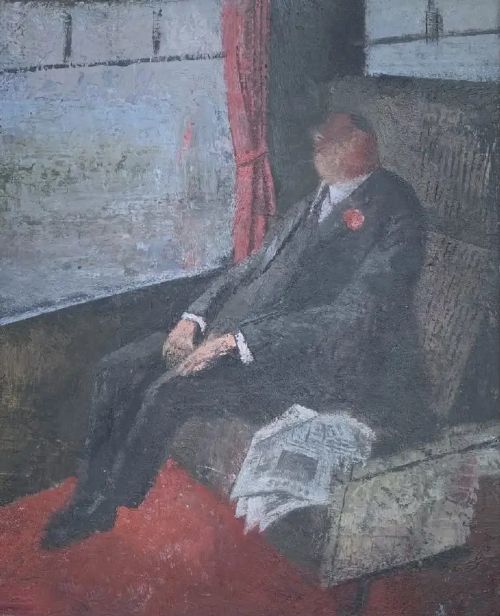
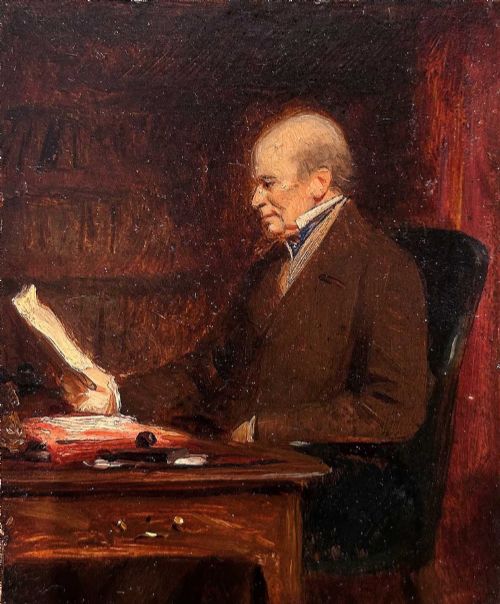
British School Oil Portrait
Let us talk about a british school oil portrait, capturing centuries of character on canvas and wood.
British School Oil Portrait
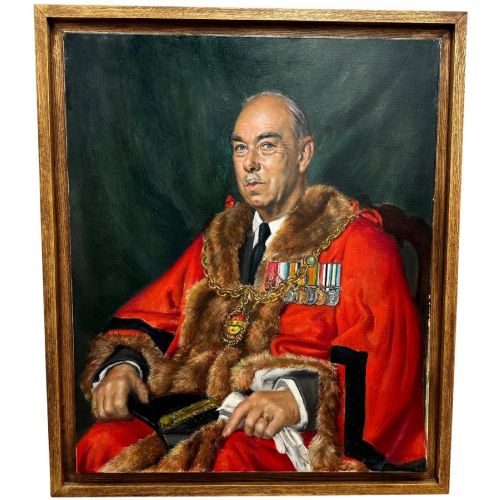
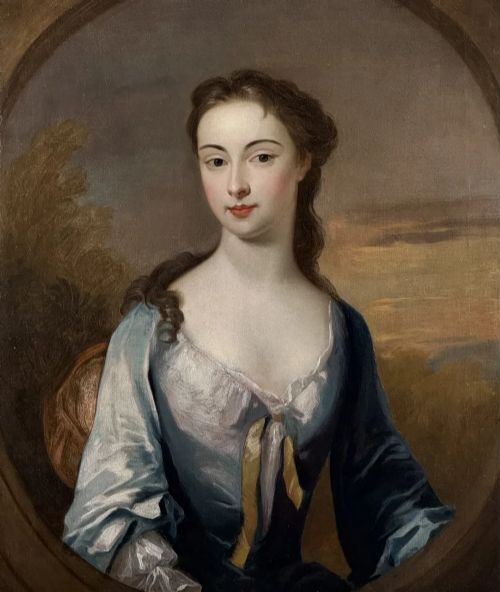
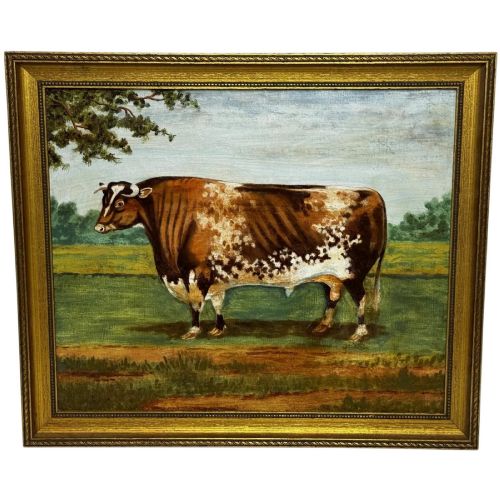
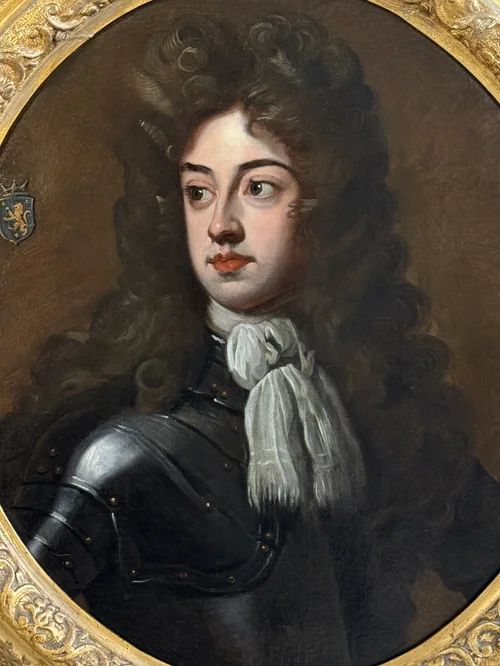
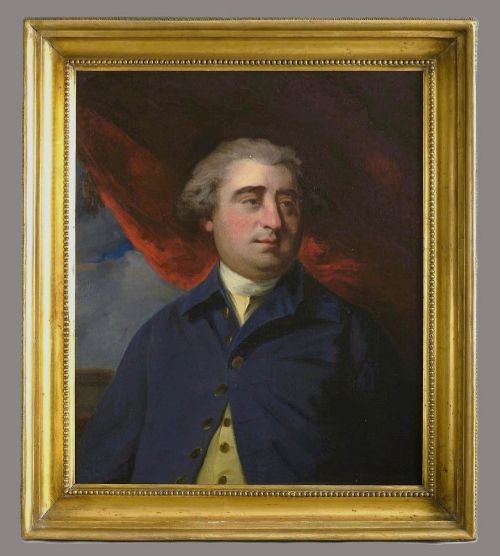
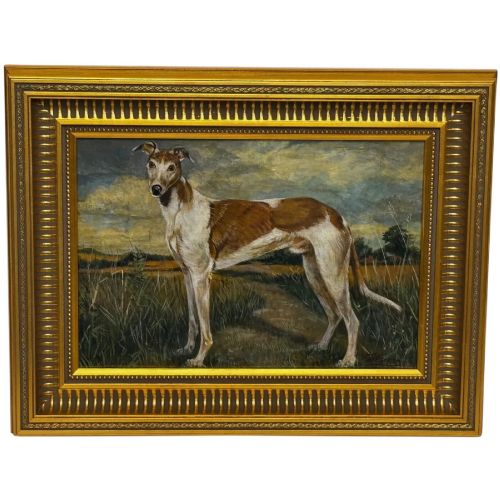
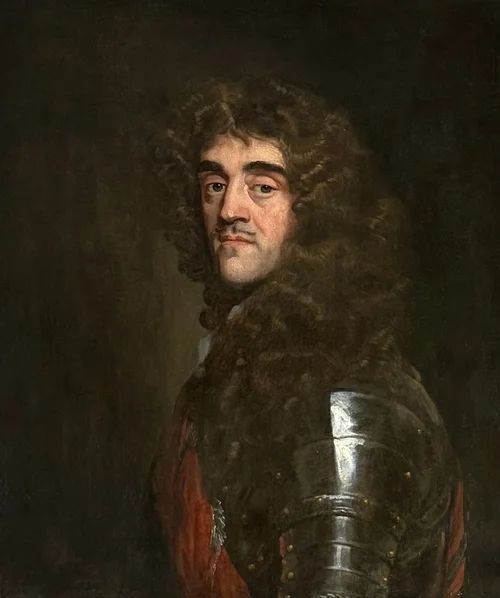
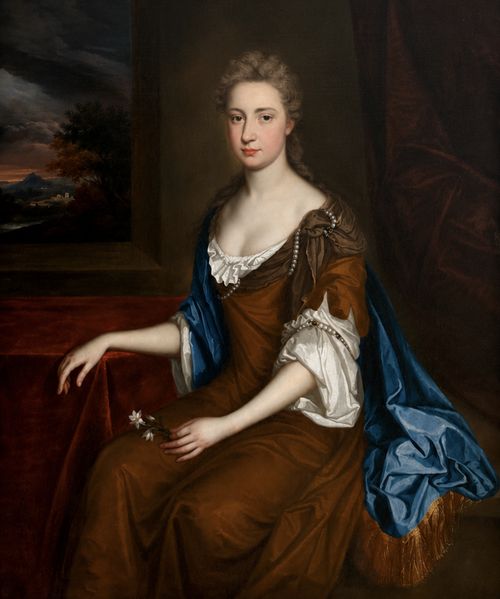
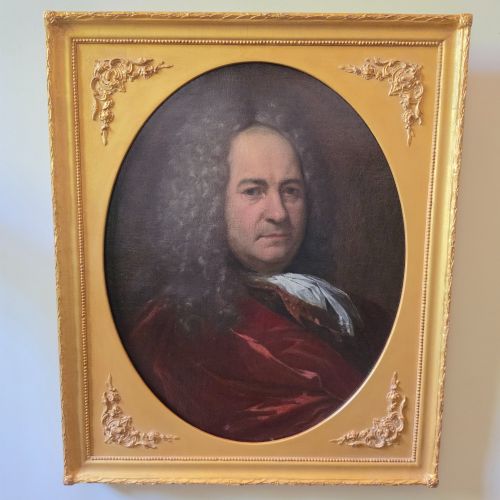
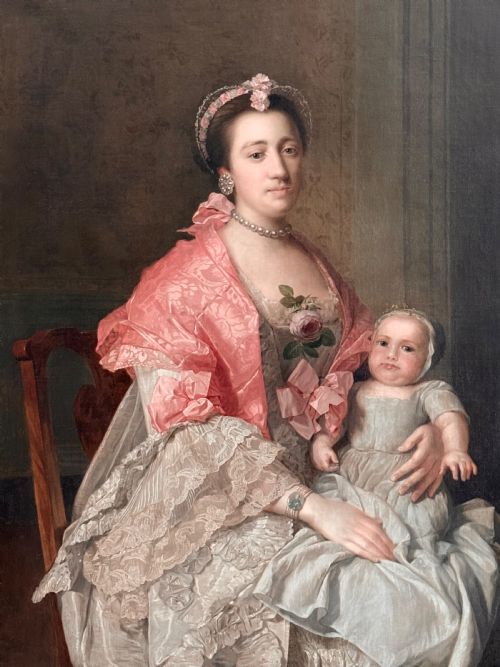
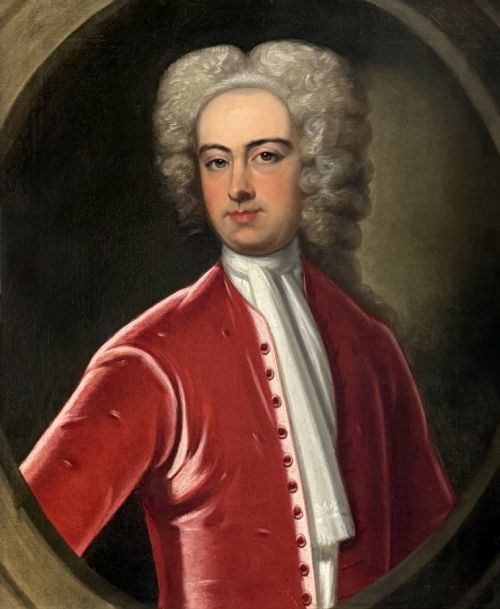
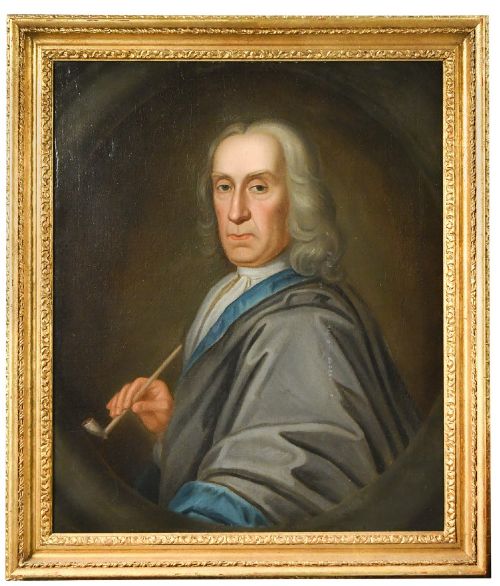
When you search for a british school oil portrait, you are looking at centuries of painted likenesses ranging from stately 17th-century nobility to intimate Victorian family studies and 20th-century character sketches. These works capture figures of consequence, everyday sitters, children, and even beloved animals executed with varying degrees of formal academic training or provincial charm.
You will encounter pieces originating from the 17th, 18th, and 19th centuries alongside later 20th-century interpretations. Many pieces present half-length or head-and-shoulders compositions of gentlemen, ladies, and children, frequently housed in heavy giltwood frames that complete the period aesthetic.
How They Were Made
Artists painted primarily with oil on stretched canvas, though panels and boards also served as common supports for provincial and earlier works. Pigments were applied to build up rich tones, flesh-and-blood complexions, and deep shadows characteristic of British portraiture traditions.
Surrounding these works are frames built from wood and heavily finished with gilt or gilding techniques to accentuate the depth of the painting. Canvases were occasionally lined or cradled in later conservation to stabilise the original fabric against sagging and age.
British School Oil Portrait Retail Price Guide 2026
Typical asking prices for british school oil portrait among the pieces listed under this phrase on Sellingantiques today, from the lower quarter to the upper quarter. They describe what is for sale here now, not the wider market.
Frames range from simple wooden surrounds to elaborate giltwood and silvered designs housing aristocratic sitters, livestock, and landscapes.
What Varies in Quality
The distinction between a top-tier portrait and a standard provincial piece rests largely on the draughtsmanship of the hands, the rendering of facial expression, and the psychological depth achieved by the artist. Master works command attention through subtle tonal modulation in skin and fabric, whereas simpler naive school pieces rely on flat planes and charming directness.
The integrity of the canvas support and the preservation of the original paint layer without heavy, obscuring overpaint dictate the desirability of a portrait. Furthermore, the presence of a period-correct giltwood frame adds substantial character and historical harmony to the piece.
SIR WILLIAM BEECHEY·BERNARD HAILSTONE·CHARLES JERVAS·SIR GODFREY KNELLER·SIR JOSHUA REYNOLDS·JOHN GREENHILL·ALLAN RAMSAY·THOMAS BEACH·STEPHEN PEARCE·TRAJAN HUGHES·HAROLD KNIGHT·WILLIAM JONES OF BATH·TONY GILES·WILLIAM HENRY KNIGHT·THOMAS HILL·THOMAS GAINSBOROUGH·SIR EDWIN LANDSEER·GEORGE CHINNERY·WILLIAM ROBERT DICKINSON·FRED YATES·R DERING·W A CLARK·GEORGE HAYTER·RICHARD WILKINSON·SIDNEY BYERS
The British School Oil Portrait Glossary
- Canvas
- A heavy woven fabric stretched across a wooden frame to serve as a foundation for oil painting. It provides a slightly flexible surface that holds pigment securely over centuries.
- Giltwood
- Wood carved and coated with a thin layer of gold leaf or metallic gilt finish. It creates the ornate, reflective frames typical of grand Georgian and Victorian portraits.
- Half-length
- A composition showing the sitter from the waist or hips up. This format allows the artist to include detailed hand gestures, clothing, or props.
- Provincial
- A term describing works created outside major metropolitan artistic centres by local or self-taught painters. These pieces often exhibit a direct, naive charm distinct from court painting.
- Studio of
- A designation indicating a work produced by assistants or pupils under the direct supervision of a master artist. It reflects the style and methods of a prominent painter's workshop.
British School Oil Portrait: Frequently Asked Questions
How do I identify a British school portrait?
Look for stylistic cues such as clothing styles, hairstyles, and painting techniques typical of British portraiture conventions from the seventeenth to the twentieth century. Inscribed names, old labels on the reverse, or known sitter identities often confirm the origin.
Many works remain attributed broadly to the British school when the specific hand is unknown, pointing instead to regional traditions and the prevailing aesthetic of the period.
Where were these portraits displayed historically?
These paintings hung predominantly in the panelled libraries, drawing rooms, and staircases of country houses, stately homes, and town residences. They served to record lineage, celebrate public office, and commemorate family milestones.
Smaller provincial works found places in more modest parlours and studies, reflecting the widespread desire for personal likenesses across different levels of society.
How should I care for an oil portrait at home?
Keep portraits away from direct sunlight, high humidity, and rapid temperature fluctuations that can cause canvas to slacken or wood panels to warp. Dust the surface gently with a soft, dry brush without applying pressure.
Avoid using commercial cleaning sprays or water on the painted surface or the giltwood frame, as moisture can damage aged varnish and gilding.
What is the difference between a studio work and a direct painting?
A direct painting comes entirely from the hand of the named master artist, bearing their signature brushwork and personal touch. Studio works were produced by assistants or pupils following the master's composition and methods.
Both categories hold historical significance, though fully attributed master works typically command greater attention from collectors and institutions.