

British School Oil Artwork
British school oil artwork encompasses centuries of regional landscapes, maritime scenes and formal portraiture painted by artists working across Britain.
British School Oil Artwork
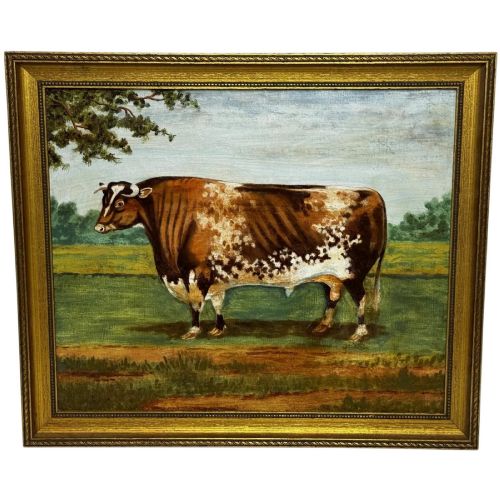
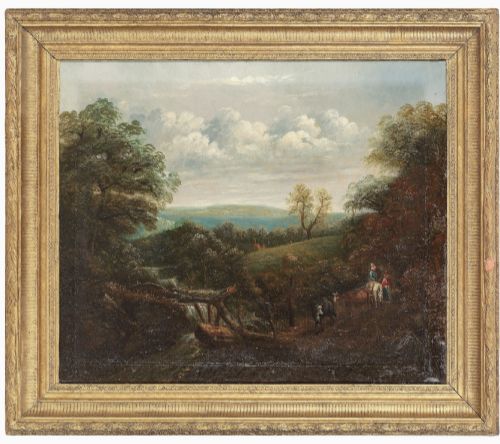
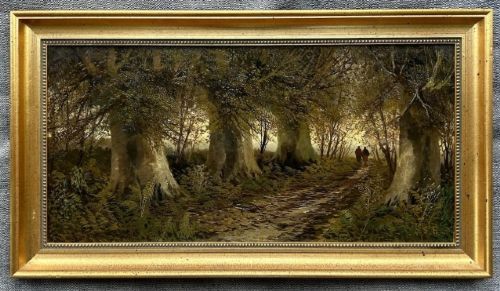
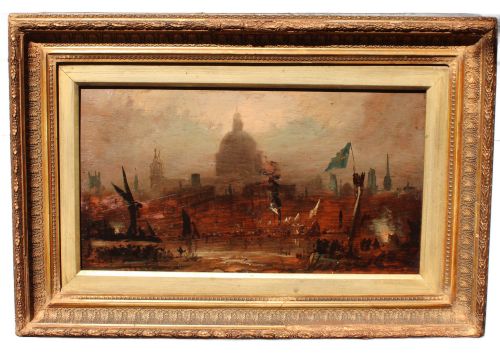
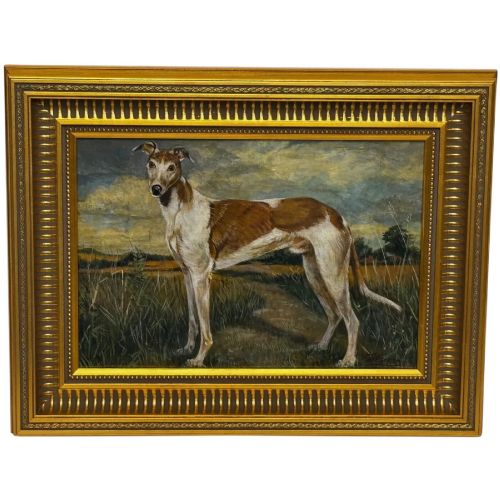
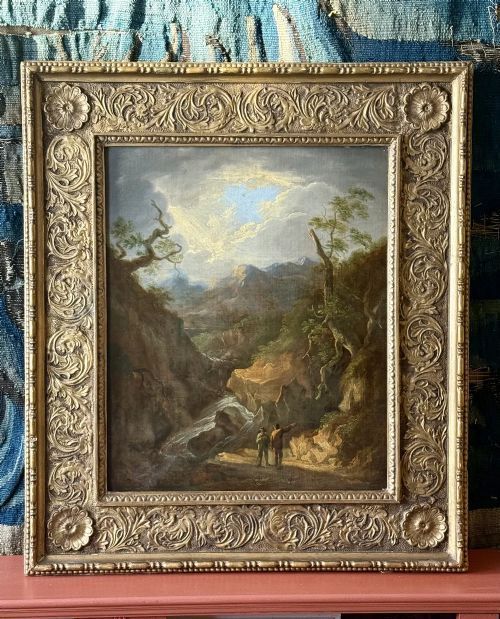
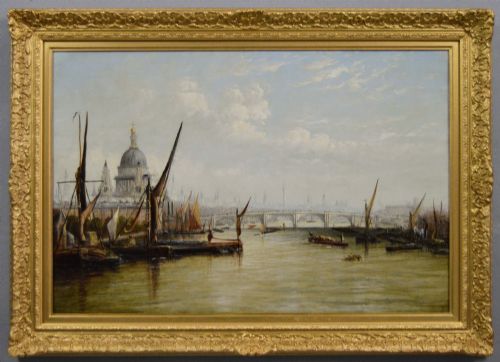
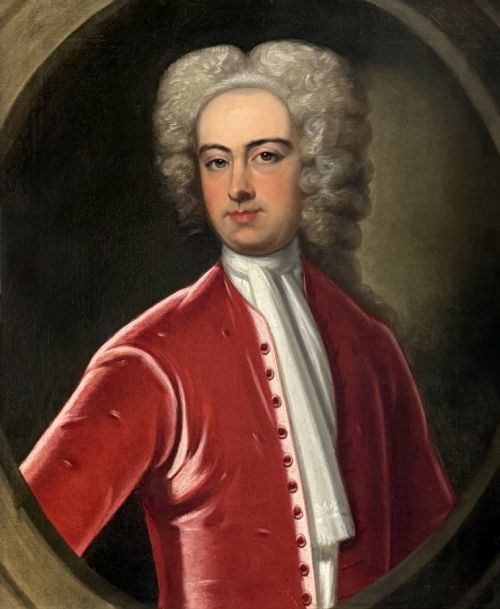
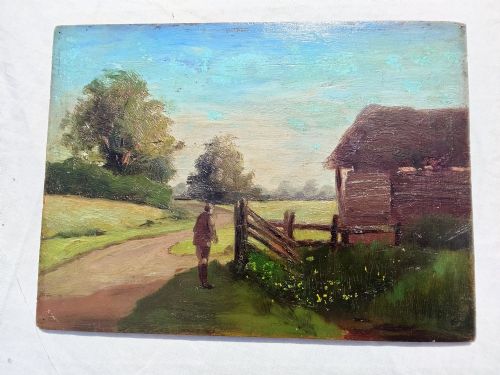
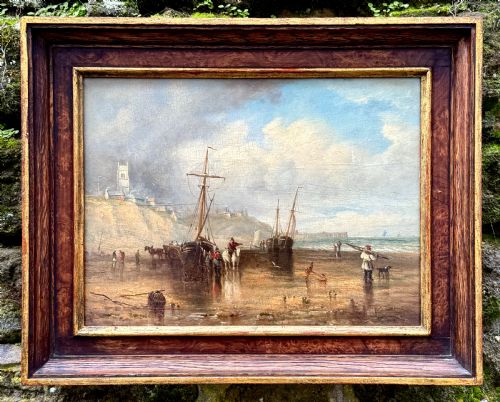
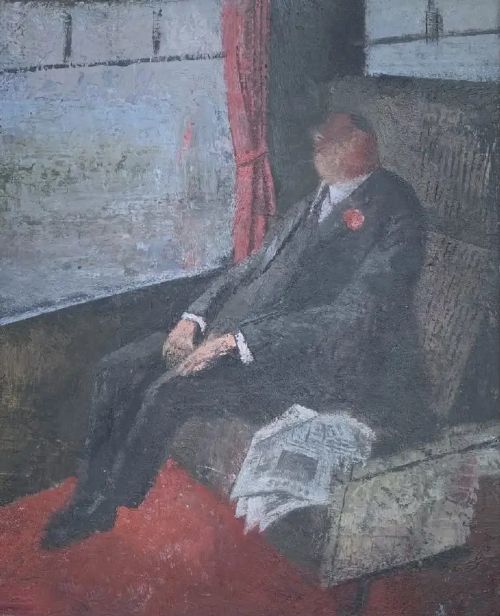
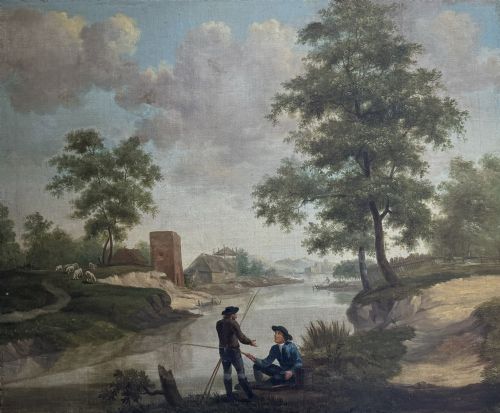
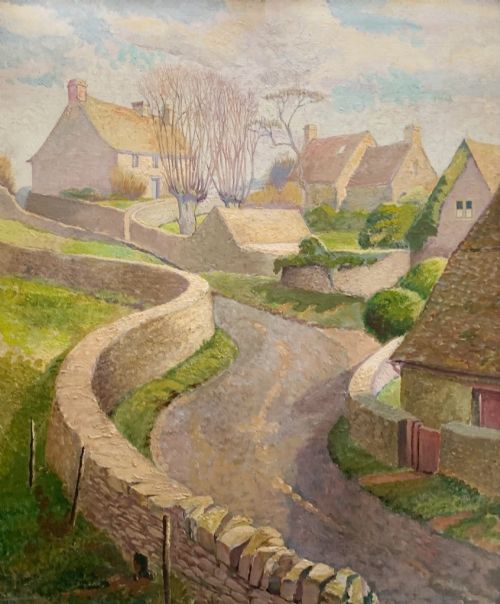
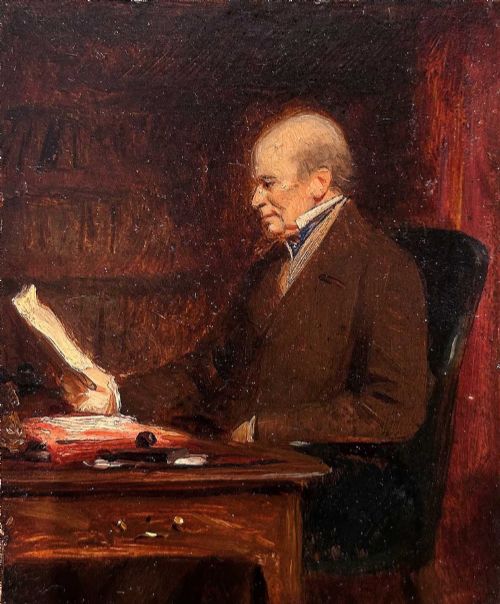
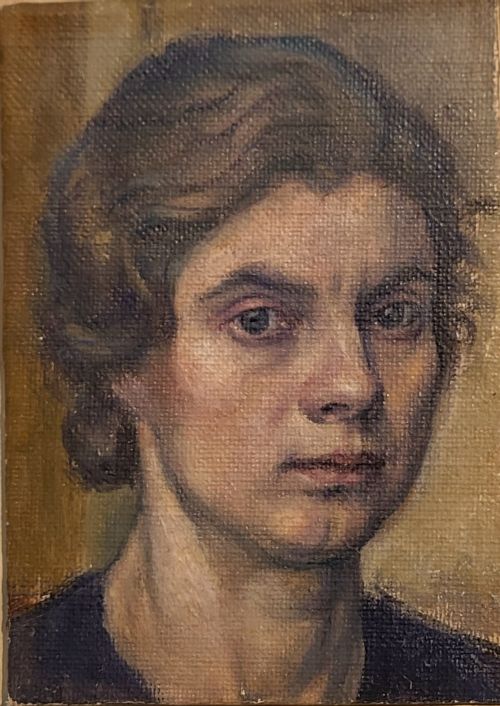
A buyer examining a British school oil artwork will encounter pieces ranging from anonymous eighteenth-century portraiture to mid-twentieth-century regional landscapes. The selection spans the Georgian, Victorian and Edwardian eras alongside modern British and St Ives movements, reflecting evolving aesthetic priorities across the centuries. Most works on view take the form of framed oil paintings on canvas, wooden panel, wooden board or card, depicting everything from rural pastoral scenes to industrial townscapes.
The regional schools represented include Norwich, Newlyn and Cornish groupings, capturing specific topographies and local life from the Thames to Scottish highlands. Portraits of landowners, children and servants sit alongside sporting animal studies and coastal marines, demonstrating the diverse output of domestic artists. Unsigned canvases attributed broadly to the English or British school appear alongside signed works by named practitioners, offering a comprehensive overview of historical domestic painting traditions.
Materials and construction
These works rely primarily on oil paint applied to stretched canvas, wooden panels or wooden boards, occasionally utilising card as a sturdy ground for detailed studies. Painters built up pigment through layered brushwork, capturing light and texture in landscapes, townscapes and figure studies alike.
Finished paintings are typically housed in period frames, with giltwood and gilt frames providing the traditional border for eighteenth and nineteenth-century canvases. The combination of durable oil pigments and wooden or canvas supports ensures the survival of these regional works across centuries of display.
The selection includes regional groupings such as the Norwich, Newlyn and St Ives schools alongside broader English and British classifications.
Assessing quality and execution
The distinction between standard works and superior examples lies in the confidence of the brushwork and the precision of compositional balance. Masterful handling of light, particularly in landscape and maritime subjects, separates accomplished pieces from routine studies.
Provenance and documentation further elevate a piece, especially when inscriptions on the reverse or recorded artist attributions link the canvas to known exhibitions or sitters. The harmony of the original framing, often executed in giltwood, contributes to the overall integrity of the surviving artwork.
Benjamin Barker of Bath·Francis Moltino·Sir Joshua Reynolds·Harold Knight·Thomas Baker of Leamington
The British School Oil Artwork Glossary
- British School
- A designation applied to paintings produced in Britain by artists whose specific identity remains unrecorded or part of a wider regional tradition. It helps categorise works sharing stylistic traits without a confirmed signature.
- Canvas
- A heavy woven fabric stretched across a wooden frame to serve as the primary support for oil paintings. It provides a flexible yet durable surface that accepts layered pigment.
- Giltwood
- Wood carved and coated with a thin layer of gold leaf or metallic gilt paint, commonly utilised for traditional picture frames. This finish enhances the visual depth of historical paintings.
- Oil on Panel
- A painting technique where pigment is applied directly to a flat piece of wood or wooden board rather than fabric. Panels offer a rigid surface favoured for smaller or earlier works.
- Provenance
- The documented history of a painting's ownership, exhibition record and origin. Clear provenance helps verify the authenticity and historical context of an artwork.
British School Oil Artwork: Frequently Asked Questions
What is a British school oil painting?
A British school oil painting is a work created in Britain, often categorised under this heading when the specific artist is unknown or belongs to a recognised regional movement. These pieces document domestic landscapes, portraits and maritime scenes spanning several centuries.
Such works reflect the changing techniques and subjects favoured by painters working within the British Isles, from Georgian portraiture to twentieth-century coastal studies.
How do I care for an oil painting?
Oil paintings require stable indoor environments away from direct sunlight, excessive heat and sudden humidity fluctuations to prevent canvas slackening or wood warping. Dusting should be undertaken gently with a soft, dry brush without applying moisture or cleaning solutions.
Professional conservation should be sought if the paint surface accumulates stubborn grime or shows signs of cracking, ensuring the structural integrity of the canvas and frame remains intact.
What subjects are most common?
The most frequent subjects include rural landscapes, river scenes along waterways like the Thames, coastal marines and formal portraiture of individuals. Sporting animals, townscapes and regional Cornish views also form a significant portion of the available repertoire.
These themes reflect the historical patronage of British artists, who documented both the natural beauty of the countryside and the likenesses of society members.
How do I identify the age of a piece?
Dating relies on examining the stretcher frames, canvas preparation, pigments and stylistic cues inherent to particular periods like the Victorian era or the eighteenth century. Inscriptions on the reverse of the canvas or panel often provide direct clues regarding the sitter, date or artist.
Framing materials and construction techniques further assist in placing a work within its historical context, distinguishing older canvases from modern interpretations.