



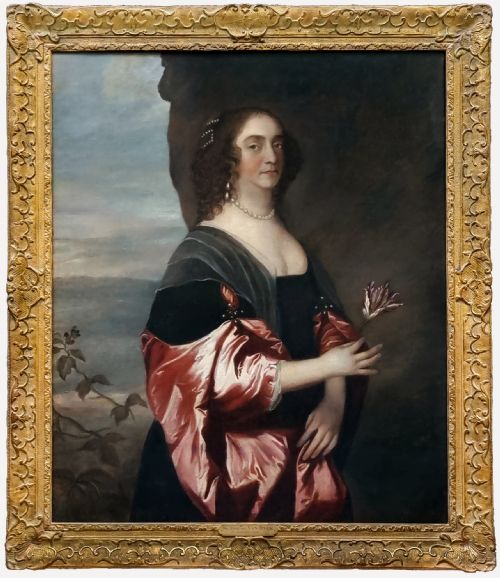
Antique Aristocratic Canvas Painting
An antique aristocratic canvas painting captures centuries of lineage, power, and portraiture through the timeless medium of oil.
Antique Aristocratic Canvas Painting
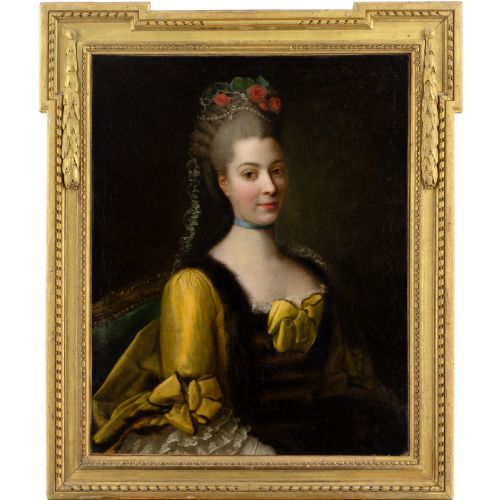
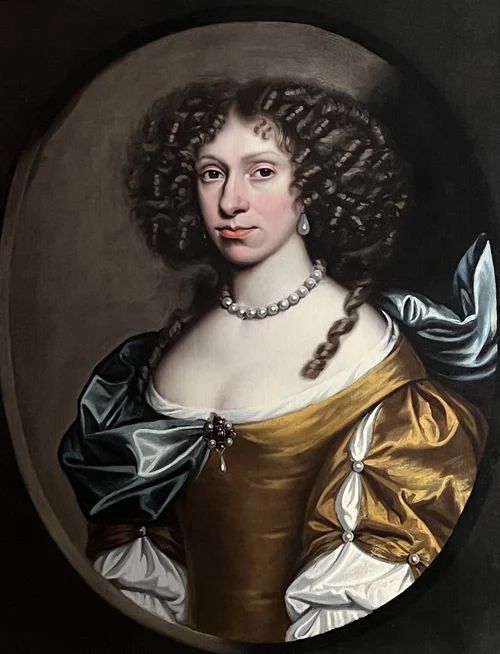
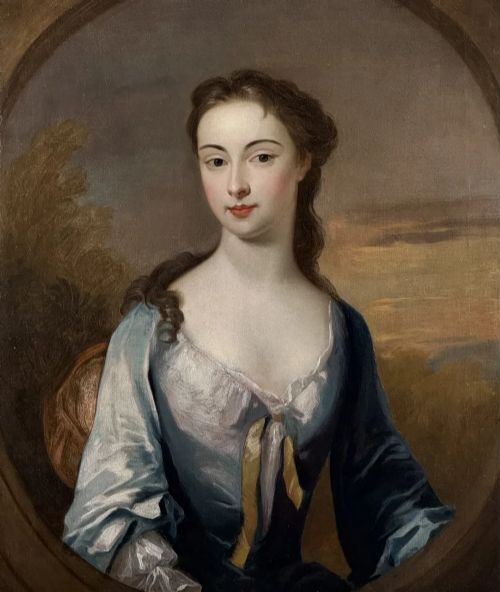
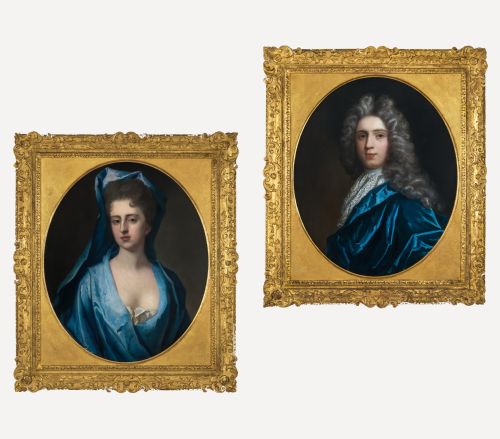
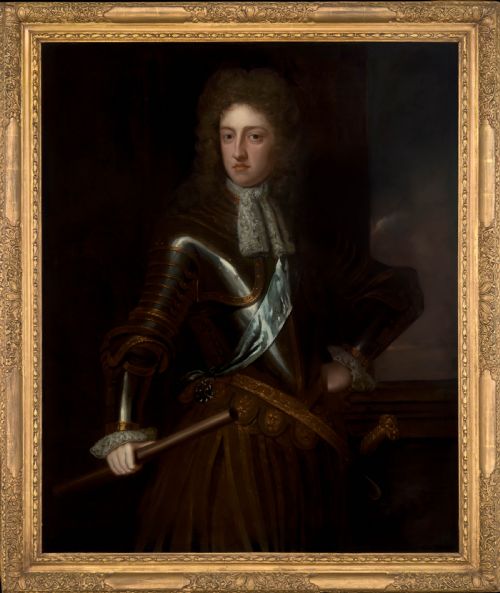
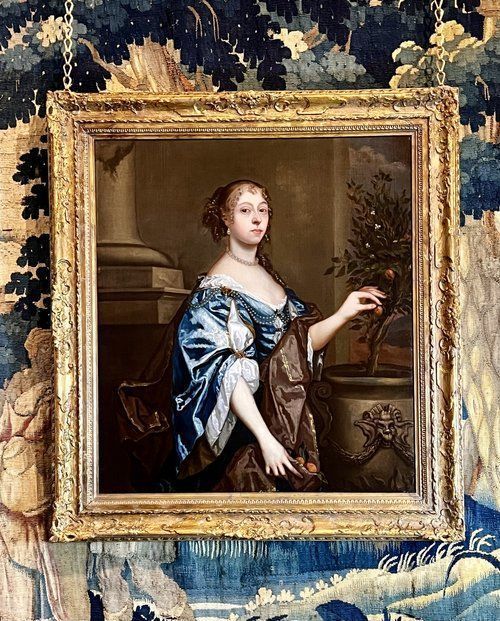
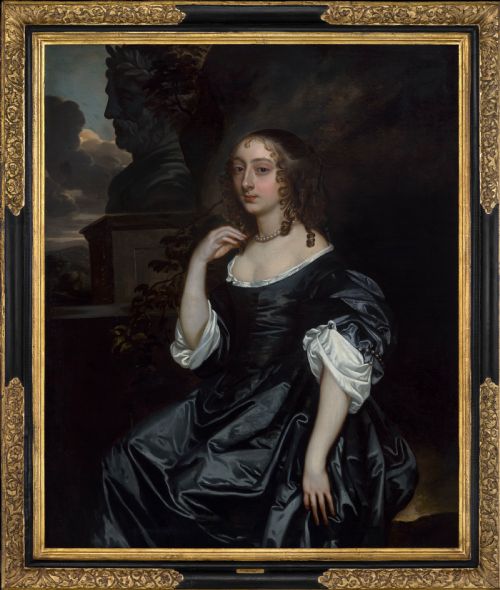
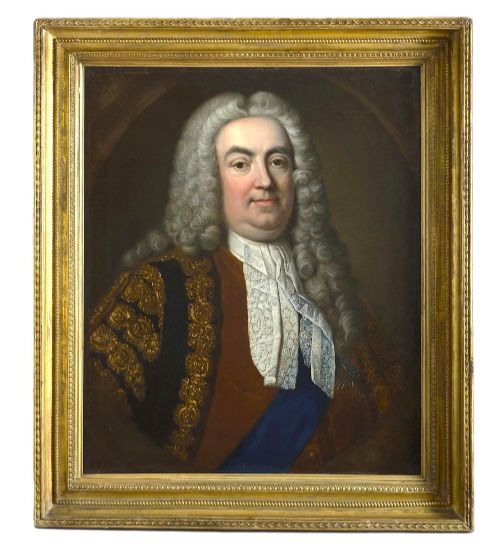
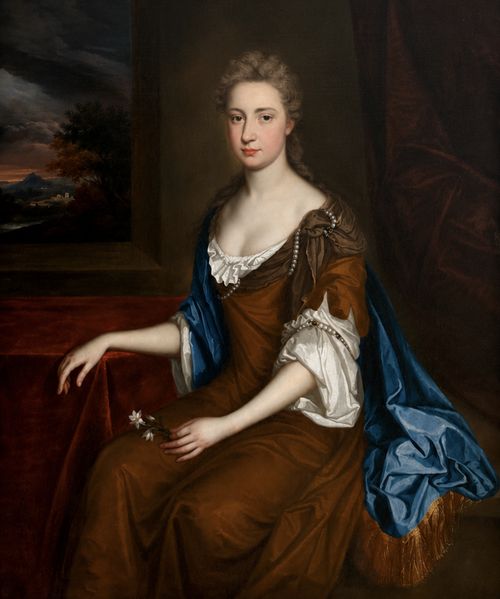
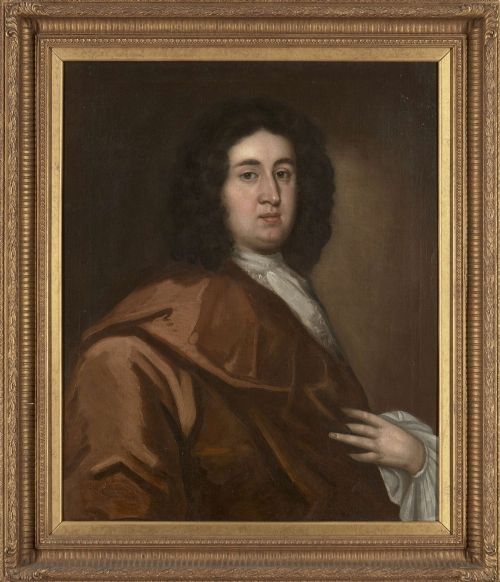
When buyers search for an antique aristocratic canvas painting, they encounter formal portraits of nobility, landed gentry, and historical figures spanning from the seventeenth to the nineteenth century. These works frequently depict figures in elaborate period attire, often accompanied by markers of status such as armour, velvet gowns, or heraldic elements.
The prevalent versions on this page originate from British, French, German, and Dutch schools, ranging from intimate head-and-shoulders studies to large-scale gallery pieces. Many surviving canvases record the likenesses of earls, countesses, and baronets, executed by notable portraitists and studio circles of their respective eras.
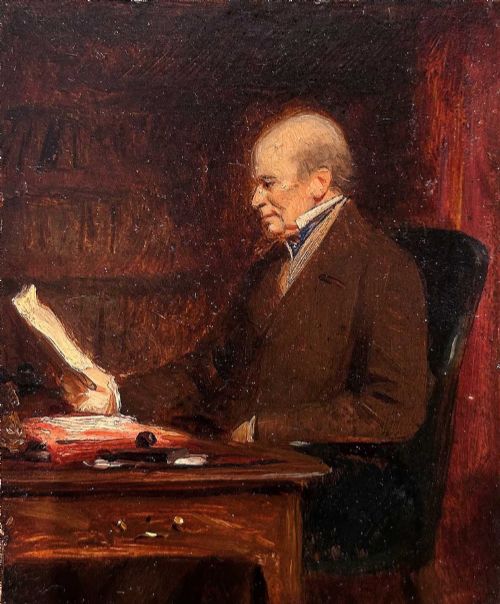
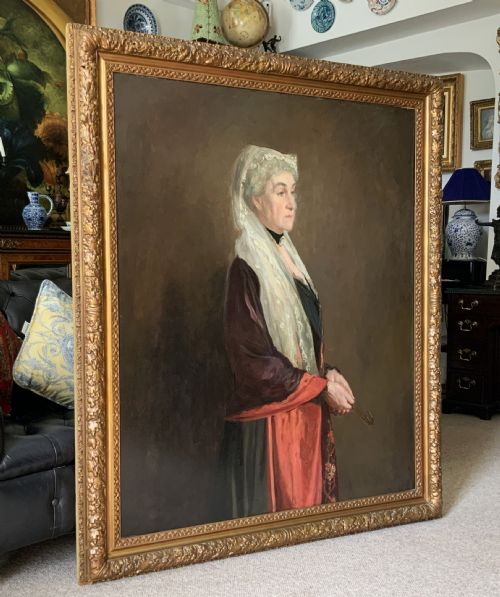
Stylistically, the selections encompass Baroque grandeur, Georgian formality, and Victorian narrative depth, reflecting the changing tastes of elite patronage across successive centuries. Each piece functions as both a historical document and a significant decorative anchor for traditional interiors.
Materials and Construction
These works rely on traditional oil paint applied to woven canvas supports, often stretched over wooden strainer frames that may show age-related shrinkage or historic lining. Painters built up compositions using layered pigments and glazes to achieve depth in fabrics such as satin, silk, and velvet.
The listings span the seventeenth, eighteenth, and nineteenth centuries, featuring oil on canvas works housed in giltwood and wood frames.
Execution and Provenance
Superior examples demonstrate confident brushwork, anatomical precision, and subtle handling of light on skin and textiles, whereas lesser works often rely on formulaic studio production or later copies. The involvement of a named master or an authenticated studio circle elevates the historical weight of the piece significantly.
Condition plays a central role in the standing of a canvas, with untouched original surfaces and minimal historic restoration holding greater authority than heavily overpainted examples. The quality of the accompanying giltwood frame and legible contemporary inscriptions or documentation further distinguish premier works.
DAVID SCOUGALL·JOHN HAYLS·CHARLES JERVAS·Sir Godfrey Kneller·PIETER BORSSELER·Sir Peter Lely·Jean Baptiste Van Loo·John Closterman·Allan Ramsay·James Maubert·Nicolas De Largillière·Franz Xaver Winterhalter·Robert Edward Morrison·Joaquín Luque y Roselló·Philip Mercier·Pieter Nason·Mary Beale·Johann Kerseboom·Carlo Ferranti
The Antique Aristocratic Canvas Painting Glossary
- Canvas
- A heavy woven fabric, typically linen or hemp, used as a support surface for oil paintings. It is stretched tightly over a wooden frame before priming and painting.
- Giltwood
- Wood that has been coated with a thin layer of gold leaf or gold dust over a prepared gesso ground. It is commonly found on antique picture frames.
- Baroque
- An artistic style prevalent from the seventeenth century characterised by drama, rich colour, and grand scale. In portraiture, it emphasises movement and imposing dignity.
- Provenance
- The documented history of ownership of a work of art, establishing its authenticity and lineage. Clear records connect a portrait to specific sitters and collections.
Antique Aristocratic Canvas Painting: Frequently Asked Questions
How do I identify the sitter in an old portrait?
Identification often relies on contemporary inscriptions written on the canvas, stretcher frames, or historic labels attached to the reverse. Heraldic coats of arms, family crests, and distinct family resemblances also provide vital clues for historians.
When documentary evidence is absent, matching the costume, hairstyle, and accessories to a specific decade helps narrow down the period and potential identity of the subject.
Are these paintings cleaned or restored?
Many historical canvases undergo conservation over the centuries to stabilise flaking paint, remove darkened varnish, or repair tears in the fabric. Professional conservation aims to preserve the integrity of the original layer while ensuring the visual composition remains clear.
Buyers should examine the surface under varied lighting and review condition reports to understand the extent of any historical interventions.
How should I hang an oil painting on canvas?
Canvas paintings require stable environmental conditions away from direct sunlight, high humidity, and rapid temperature fluctuations that can cause the wood frame to warp and the paint to crack. Wall fixings must be robustly matched to the weight of both the canvas and its substantial giltwood frame.
Professional picture hangers use dual-point mounting systems to ensure the work hangs securely and level against the wall.
What does attribution to a studio mean?
Attribution to a studio or circle indicates that a painting was produced in the workshop of a master painter, often with the master overseeing or contributing to the execution. These works capture the style and composition of prominent artists while reflecting collaborative workshop practices of the period.
Such pieces offer an accessible entry point into collecting period portraiture associated with celebrated historical hands.