


British School Landscape Art
British school landscape art captures the changing light and terrain of the countryside, towns, and coasts through centuries of traditional painting.
British School Landscape Art
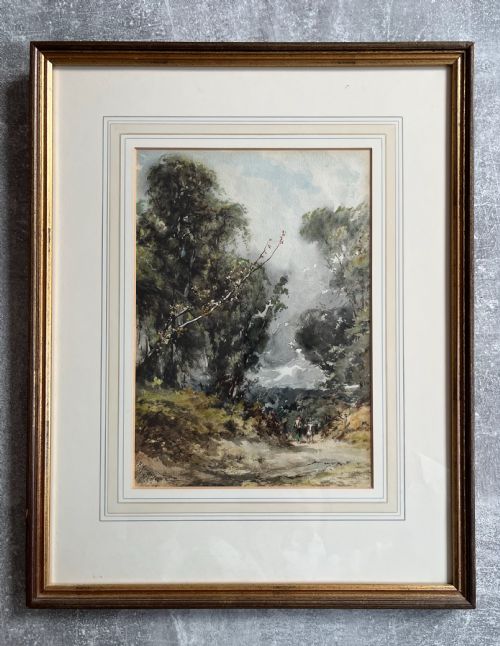
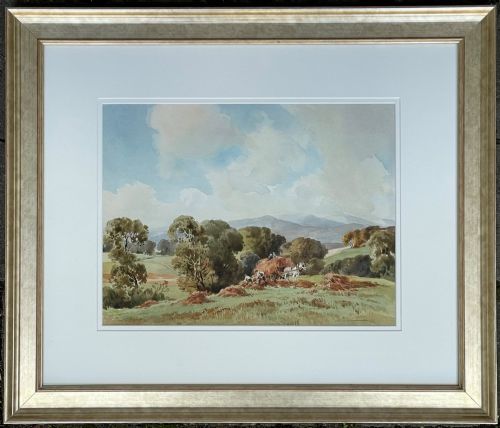
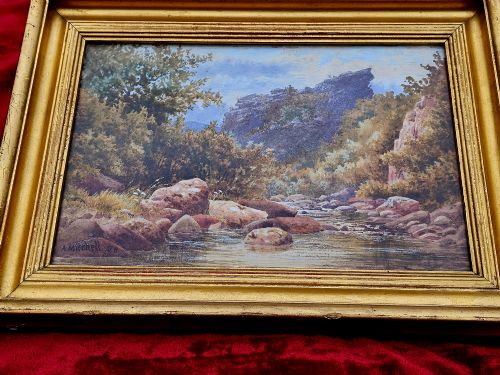
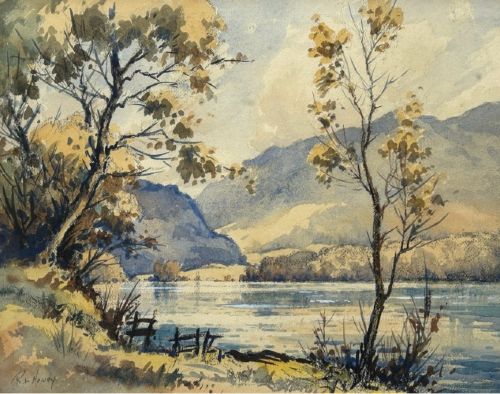
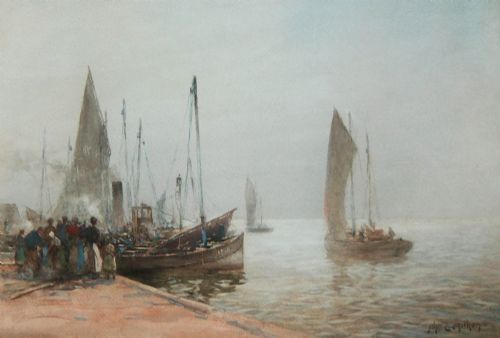
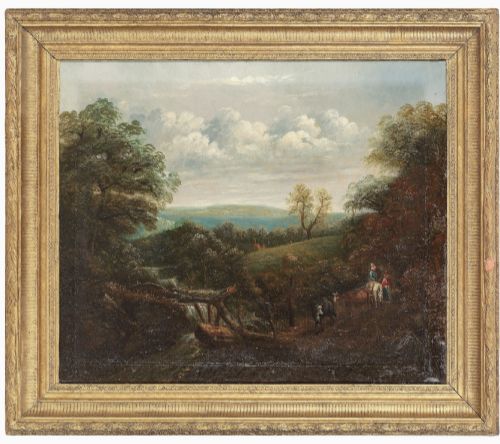
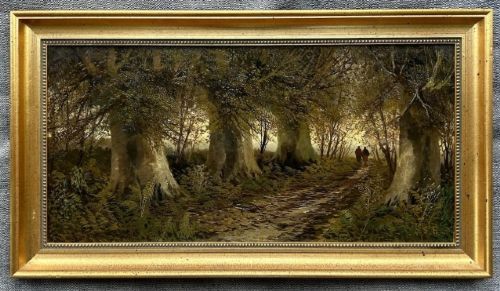
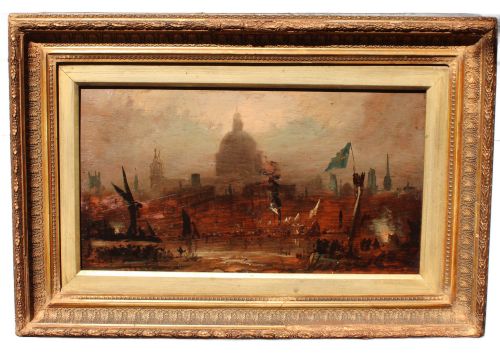
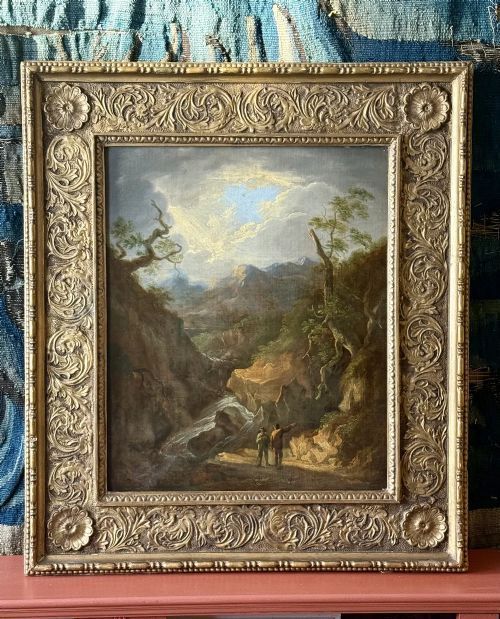
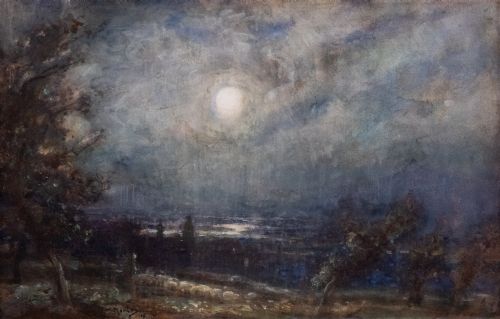
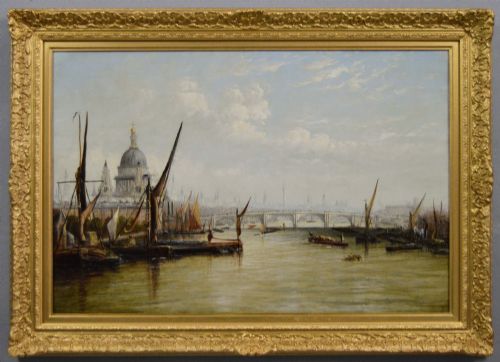
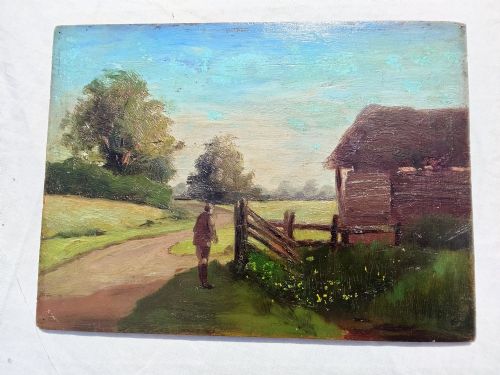
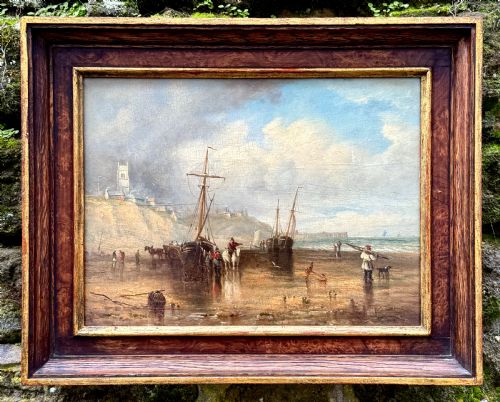
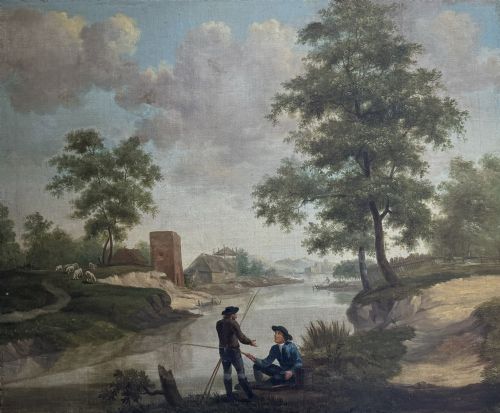
British school landscape art encompasses paintings and watercolours depicting rural scenes, rivers, mountains, and coastal views created by British artists across various periods. Buyers searching this phrase encounter works ranging from formal Victorian canvases to mid-twentieth-century watercolours and board paintings.
The selection includes regional depictions such as Scottish highland vistas, Cumbrian lakes, Cornish villages, and Yorkshire light, executed in styles spanning the Norwich school, British impressionism, and modern British movements.
How they were made
Artists painted primarily with oil on canvas, wood panels, or board, and applied watercolour on paper, utilising traditional brushwork to build texture and atmosphere. Gilt frames frequently accompany these works, preserving the edges and complementing the pigments.
Support materials varied from heavy woven canvas stretched over wooden frames to dense wooden panels and thick artist papers, each chosen to suit the specific fluid or viscous properties of the paint.
Media used across these pieces include oil paint, watercolour, and acrylic applied to canvas, paper, wood panels, and board.
What varies in quality
Quality rests in the handling of light, atmospheric depth, and the confidence of the brushstrokes rather than the subject matter alone. Superior works demonstrate a assured command of tone and composition that captures the particular mood of a season or time of day.
The longevity of the piece depends on the stability of the ground and pigment layer, where higher-grade materials resist cracking and fading over decades of exposure to ambient conditions.
George Fotherly Hargitt·Tom Campbell·Percy Lancaster·A. Mitchell·Robert Leslie Howey·James E. Aitken·Benjamin Barker of Bath·Thomas William Morley·Francis Moltino·Thomas Creswick·Thomas Maidment·Sydney Yates Johnson·John Grenville Fennell·William Frederick Settle·Joan Gillchrest·George Turland Goosey·Thomas Baker of Leamington·Reginald Grange Brundrit·George Graham·Arthur Tucker·J. Phipps·Henry John Boddington·Frank Hider·George Hilditch
The British School Landscape Art Glossary
- British School
- A loose designation for artists trained or working within Britain, encompassing regional variations and academic traditions.
- Watercolour
- A painting method where fine pigments are suspended in a water-based, translucent solution applied to paper.
- Oil on Canvas
- A technique utilising pigments bound in drying oils applied to a stretched woven fabric support.
- Norwich School
- The first provincial art movement in Britain, focusing on local Norfolk landscapes and rural scenes.
- Wood Panel
- A rigid wooden support used by artists as an alternative to canvas for oil paintings.
British School Landscape Art: Frequently Asked Questions
What is british school landscape art?
It refers to paintings and watercolours produced by artists working in Britain who focused on topographical and imaginative views of the countryside, coast, and towns.
These works span several centuries and styles, reflecting the changing tastes of collectors and the evolving techniques of British painters.
How were these paintings displayed?
Most of these works were framed in wood, often with gilt ornamentation, designed to hang in domestic interiors and private drawing rooms.
Frames frequently protect the edges of canvases or watercolours on paper and contribute significantly to the overall presentation of the antique piece.
How do I date a landscape painting?
Dating relies on stylistic evidence, artist signatures, framing methods, and the physical composition of the canvas, board, or paper support.
Period labels such as Victorian or Edwardian provide broad timeframes, while inscriptions on the reverse often pinpoint exact years.
Where were these landscapes painted?
Artists travelled extensively across Britain to capture specific regions, including the Scottish highlands, Cumbrian lakes, Yorkshire dales, and the river Thames.
Many works record local topography and rural industries before modern developments altered the traditional countryside.