






British School Fine Art
British school fine art encompasses centuries of painted portraits, landscapes and still lifes produced within British traditions.
British School Fine Art
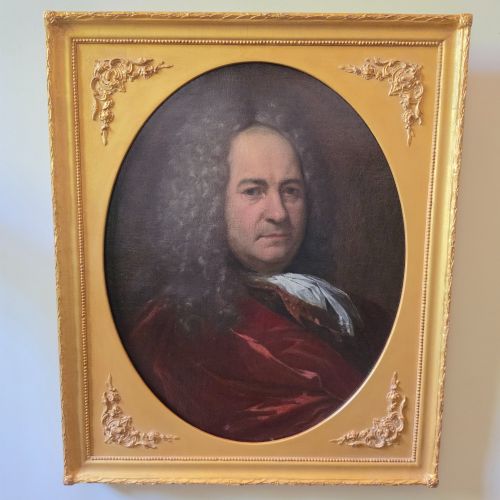
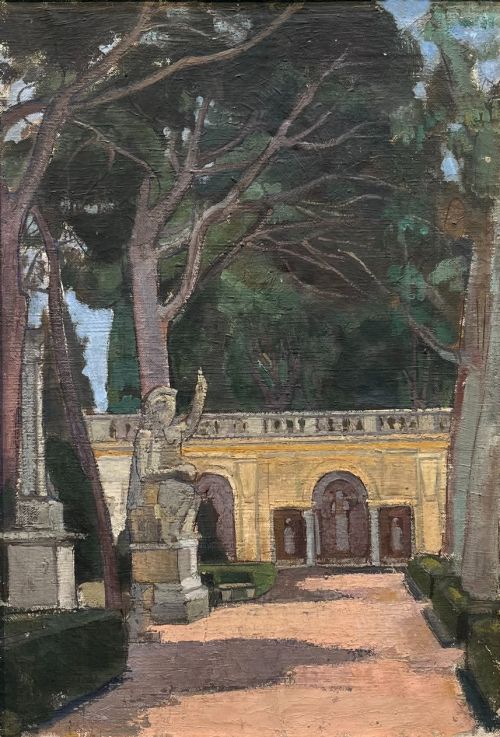
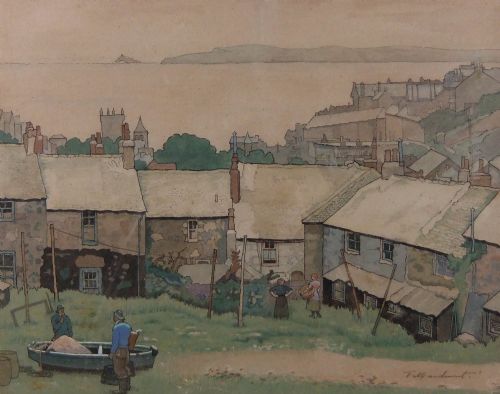
When you search for british school fine art, you encounter centuries of painterly tradition spanning seventeenth-century portraiture through to mid-twentieth-century regional movements. The selection leans heavily towards oil paintings on canvas and wood panel, alongside watercolours depicting landscapes and domestic figures.
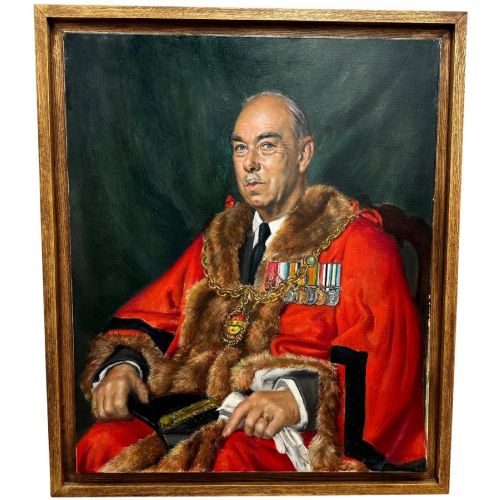
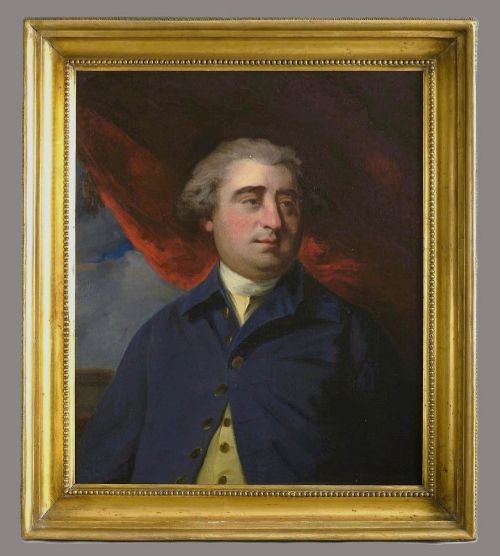
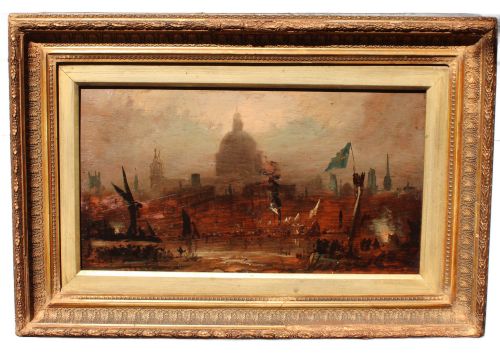
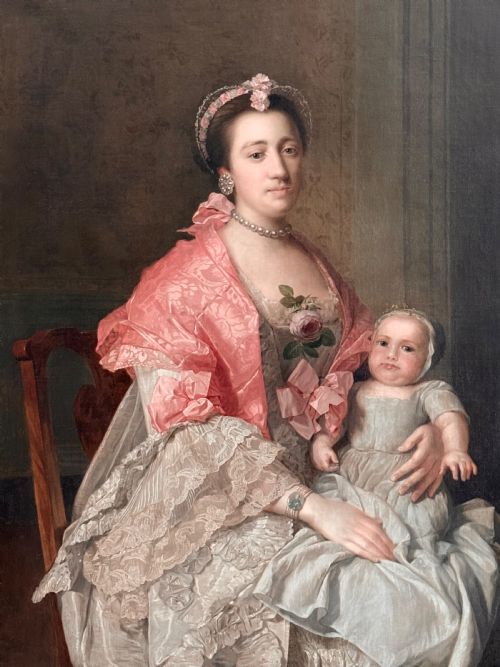
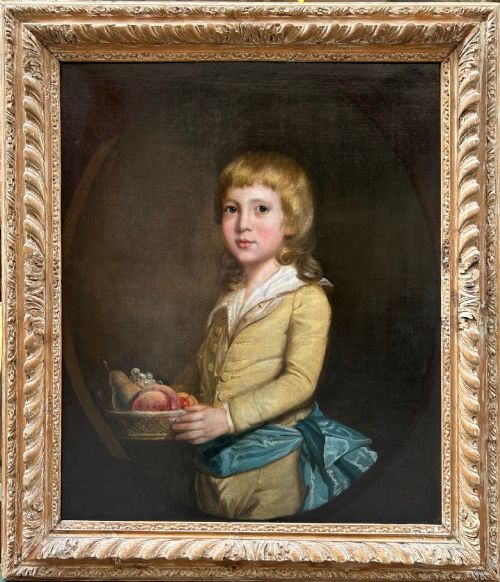
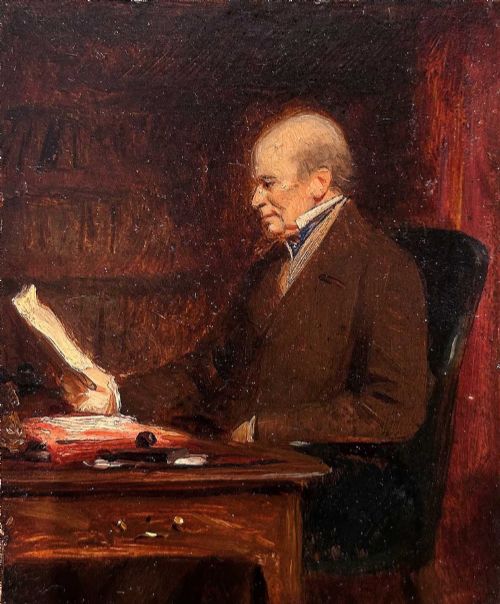
Portraits dominate the earlier centuries, featuring figures from nobility to mayors rendered in oil. Landscapes ranging from Scottish highlands to Yorkshire winters appear frequently alongside coastal scenes from Cornwall and St. Ives.
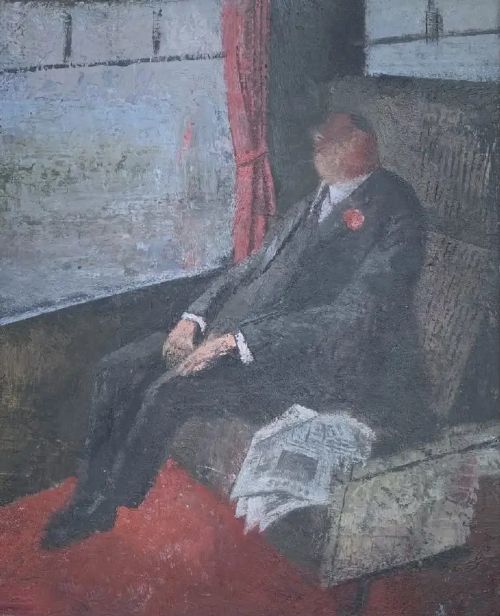
Works attributed to regional schools or bearing attribution to specific followers provide accessible entry points into historic British painting. These pieces demonstrate the stylistic shifts from Baroque formality through Georgian elegance to modern British realism.
Materials and methods
Canvases and wood panels serve as the primary supports for historic oil paintings, with gesso and giltwood frames often housing the finished works. Artists applied oil paint using layered techniques to build depth in drapery, flesh tones and atmospheric skies.
Watercolour paintings on paper capture lighter, more immediate impressions of rivers, bridges and lakes. Many canvases retain their original stretcher frames and bear contemporary inscriptions or artist studio stamps on the reverse.
Listings feature works spanning the seventeenth century through to the mid-twentieth century, utilising oil on canvas, wood panel and watercolour.
Assessing quality and execution
Preservation of the paint surface and the integrity of the canvas weave dictate the visual impact of the piece. Surviving period frames carved from gilt wood contribute significantly to the historical coherence of an artwork.
Sir William Beechey·Bernard Hailstone·Tom Campbell·Sir Joshua Reynolds·Allan Ramsay·Thomas Beach·Stephen Pearce·Thomas Maidment·Harold Knight·Joan Gillchrest·Denis Mitchell·William Henry Knight·George Hilditch·Robert Finley McIntyre·James Thomas Linnell·John Wright Oakes·Florence Hess·Thomas Gainsborough·George Chinnery·Thomas Lound·George Turner·Herbert Royle·William Foster·Alfred de Breanski Snr·Thomas Bush Hardy
The British School Fine Art Glossary
- Manner of
- A work executed in the general style of a master artist, often produced during or shortly after their lifetime without being a direct copy.
- Circle of
- Art produced by an artist working in close association with a master, sharing direct stylistic influence and methods.
- Gesso
- A plaster-like mixture applied to wood panels or frames to create a smooth surface for painting or gilding.
- Wood panel
- A rigid flat support used by artists before canvas became the dominant medium, common in earlier periods.
- Attributed to
- An expert assessment suggesting a work is likely by a specific hand based on stylistic evidence.
British School Fine Art: Frequently Asked Questions
What defines British school fine art?
The term describes paintings created within British artistic traditions by named masters, studio assistants, or unidentified hands.
It encompasses centuries of portraits, landscapes and still lifes documenting shifting aesthetic movements across the British Isles.
How do I identify the period of a painting?
Clothing styles, hairstyles and sitter documentation often provide immediate chronological clues for portraiture.
Support materials, framing techniques and stretcher construction help confirm whether a work belongs to the seventeenth, eighteenth or nineteenth century.
Where were these paintings displayed originally?
Historic portraits hung in country houses, municipal offices and town halls to record civic figures and family lineages.
Smaller landscapes and watercolours typically decorated the domestic parlours of Victorian and Edwardian homes.
How should I care for an oil painting?
Keep historic canvases away from direct sunlight and dramatic fluctuations in domestic humidity to prevent paint cracking.
Dust surfaces gently with a soft dry brush and avoid using chemical cleaning products on aged varnish.