

Early Georgian Portrait Art
Early georgian portrait art captures sitters through oil on canvas, delicate watercolours, and cut paper silhouettes from the seventeenth and eighteenth centuries.
Early Georgian Portrait Art
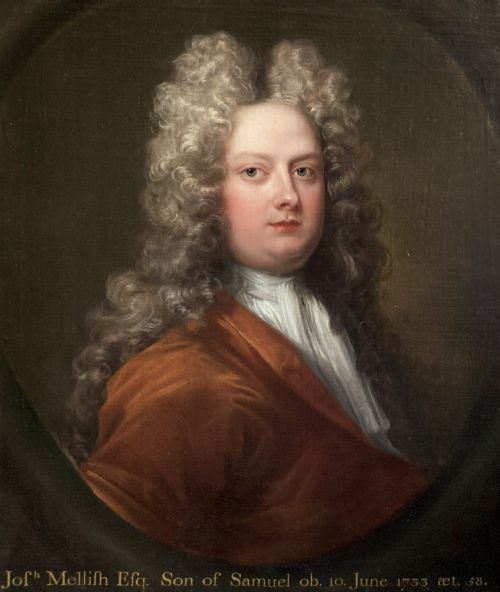
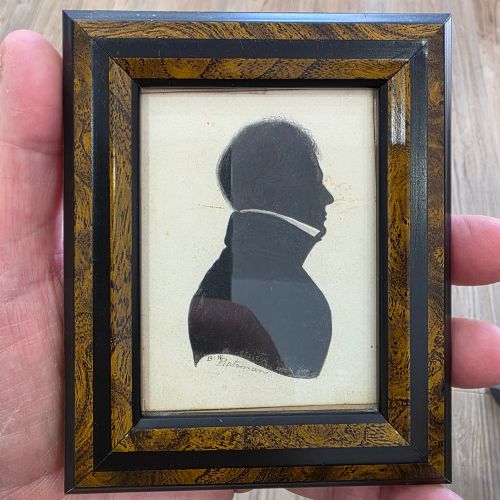
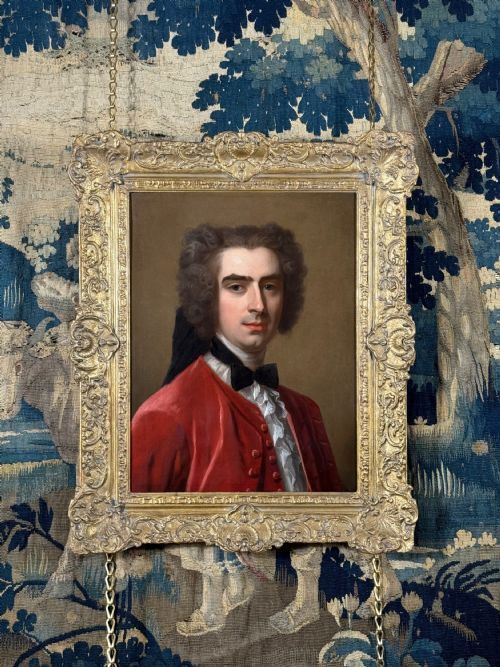
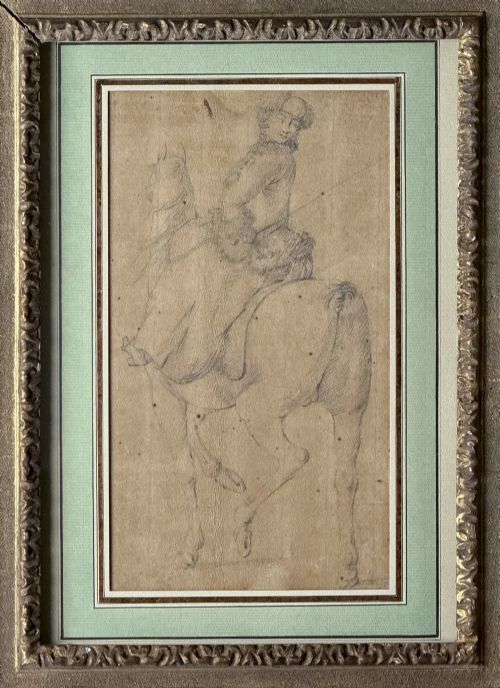
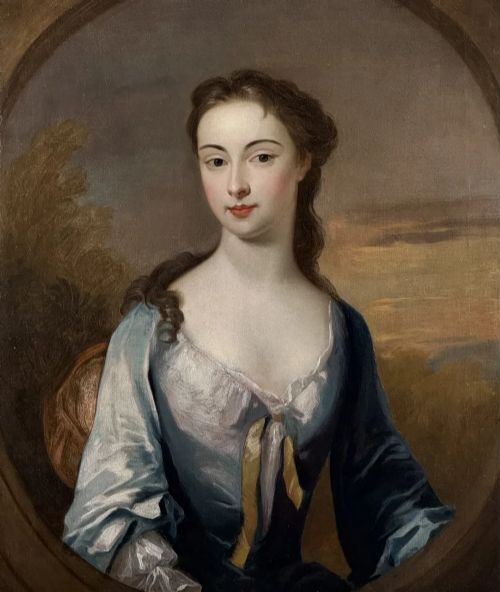
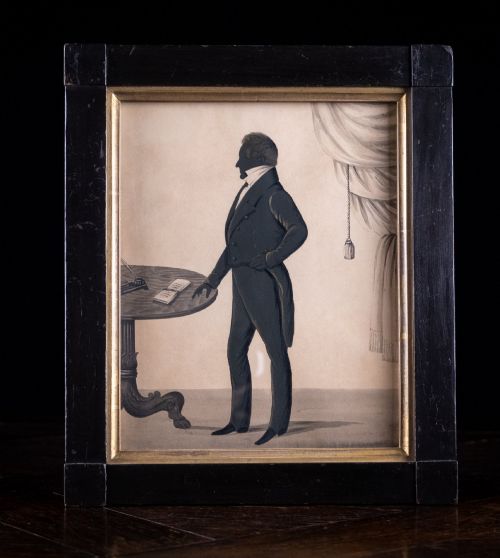
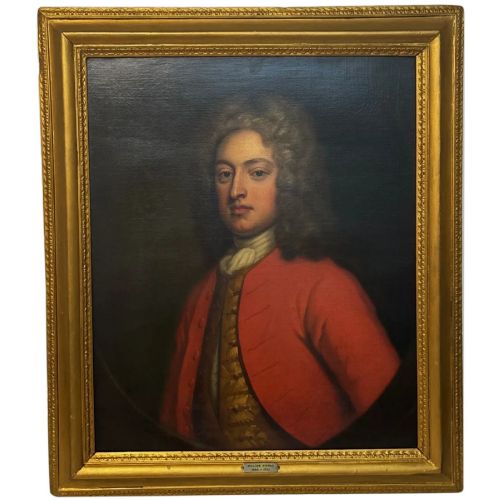
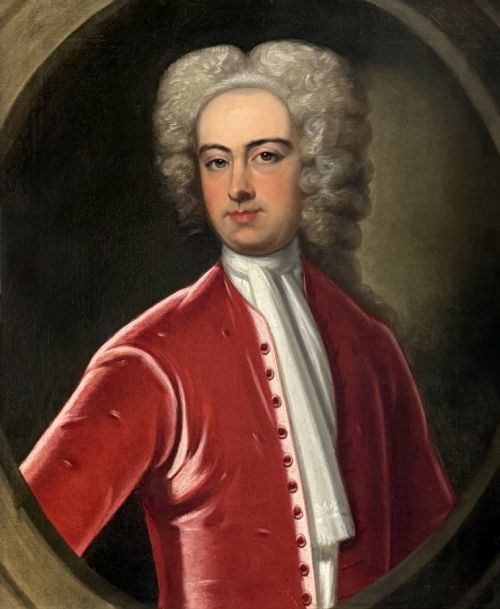
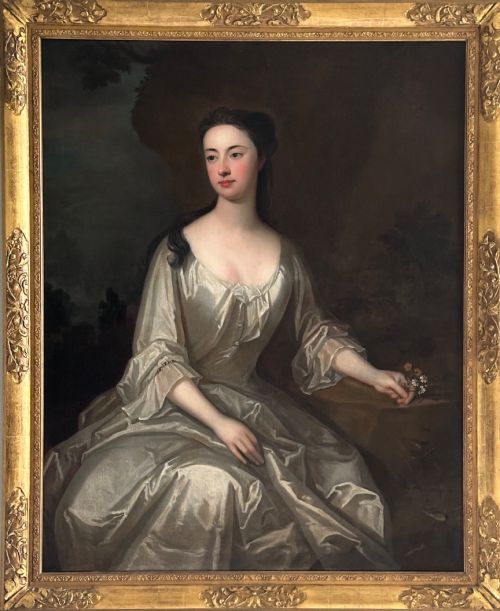
Early georgian portrait art comprises paintings, drawings, and paper works depicting named and anonymous subjects from the 1700s and surrounding decades. The pieces on this page lean heavily towards oil on canvas portraits of gentlemen, ladies, and scholars alongside silhouette works.
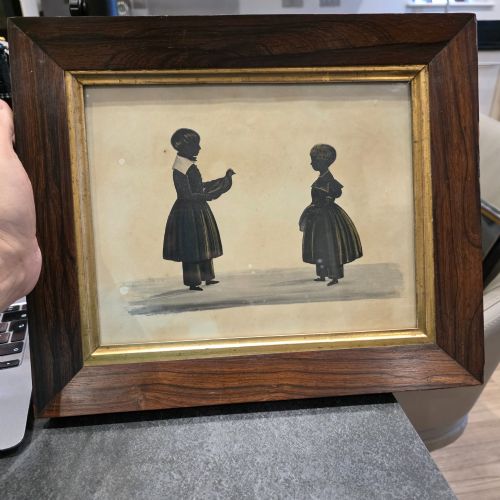
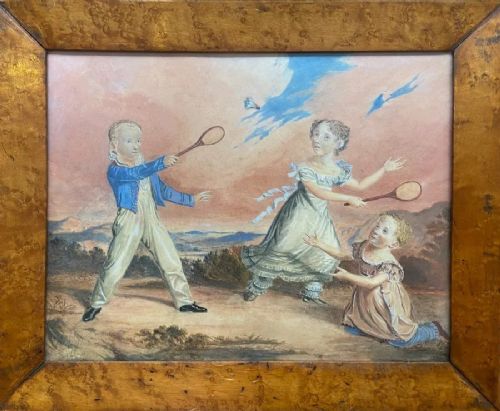
Buyers encounter oil paintings originating from the 18th Century and 1700 alongside watercolours, ink drawings, and paper silhouettes from later periods. These works capture the likenesses of sitters ranging from military officers to children, often housed within period frames.
The selections span formal oil portraits attributed to notable schools and circles as well as intimate miniatures. Each piece records the clothing, status, and artistic conventions of its specific decade.
Materials and construction methods
Oil on canvas forms the core medium for larger works, applied with brushes by artists working in oils, while paper serves as the primary ground for watercolours, ink, and cut paper silhouettes. Giltwood and wood provide the structure for original framing.
Listings feature works spanning the 17th Century, 18th Century, and 19th Century, executed in oil on canvas, paper, and watercolour.
Variations in standard and execution
Framing also influences the piece, with original giltwood frames or period ebonised surrounds contributing to the integrity of the artwork. The clarity of sitter identification and contemporary inscriptions add depth to the historical record.
Charles Jervas·William James Hubard·John Smith·Charles D’Agar·John Vanderbank·Adriana Verelst·Michael Dahl·James Maubert·Joseph Highmore·William Egley·J. Deacon
The Early Georgian Portrait Art Glossary
- Oil on canvas
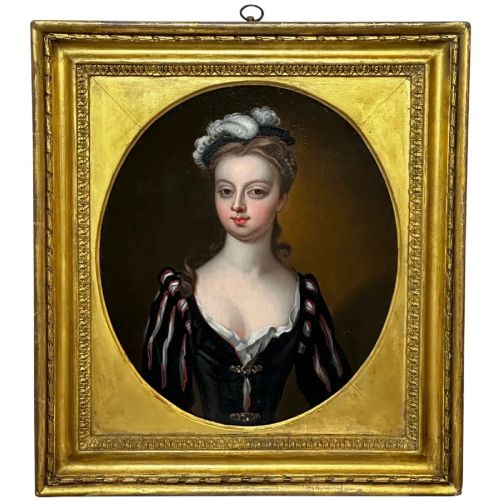
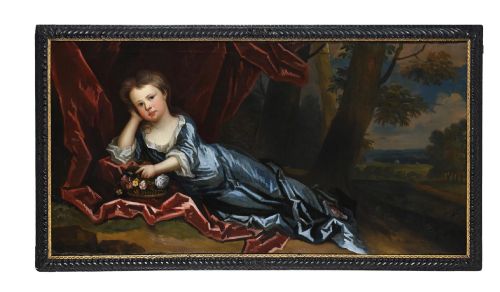
- Pigment mixed with drying oil applied to a stretched fabric support. This technique allowed artists to achieve rich colour and subtle tonal gradations.
- Silhouette
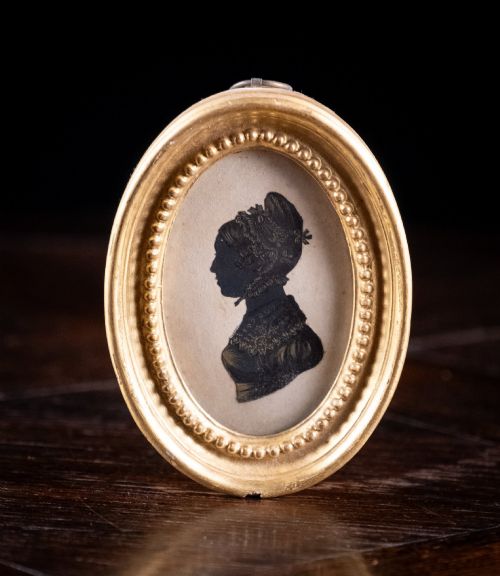
- A portrait profile cut from paper or painted in solid dark tones. These works frequently feature delicate gilt highlights or watercolour additions.
- Mezzotint
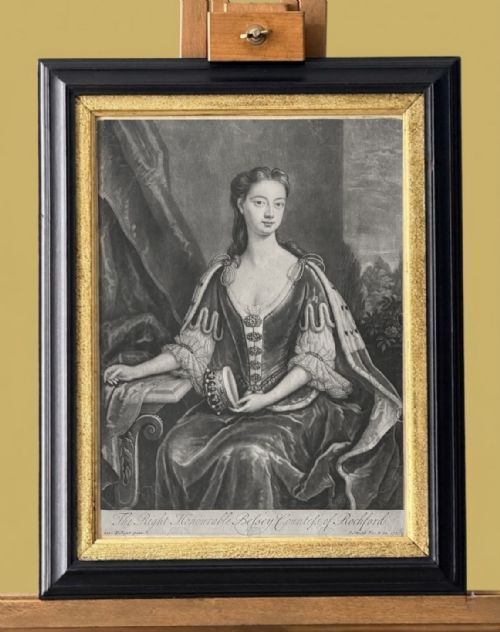
- A printmaking process where the copper plate is roughened to produce dark tones and scraped to create highlights. This method was widely utilised for portrait reproduction.
- Giltwood
- Wood carved and coated with gold leaf or a gold-coloured finish. It provides decorative framing for paintings and mirrors.
- Miniature portrait
- A small-scale painting executed with fine detail on materials such as vellum, card, or ivory. These portable works were often kept in private settings.
Early Georgian Portrait Art: Frequently Asked Questions
What is early georgian portrait art?
Early georgian portrait art consists of paintings, drawings, and paper silhouettes created during the 18th century and adjacent periods. These artworks record the likenesses of individuals using oil on canvas, watercolours, and ink.
The selection includes formal oil portraits of gentlemen and ladies alongside intimate silhouettes and miniature paintings. Each piece offers a visual record of historical dress and portraiture conventions.
How were these portraits displayed?
Portraits from this era were traditionally hung in private residences, country houses, and scholarly chambers to display lineage and social standing. Larger canvases required substantial wall space in reception rooms.
Smaller works, such as silhouettes and portrait miniatures, were often kept in more intimate spaces or carried as personal mementoes. Many retain their original wooden or giltwood frames.
How do I identify the period of a portrait?
Dating relies on stylistic clues found in the sitter's clothing, wig style, and accessories, alongside any inscriptions on the reverse of the canvas. Costume changes provide reliable benchmarks for the decade of creation.
Material analysis of the canvas, stretcher frames, and framing styles also helps determine whether a piece belongs to the 17th, 18th, or 19th century.