


British School Art
British school art encompasses centuries of oil paintings and watercolours that capture historical figures, landscapes and coastal scenes through a distinctly domestic lens.
British School Art
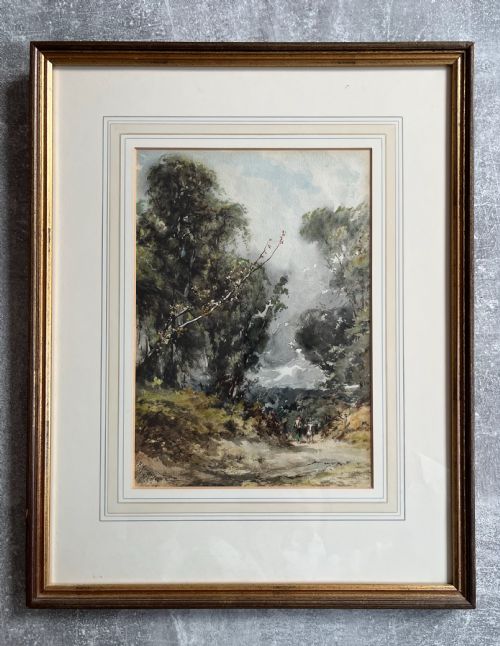
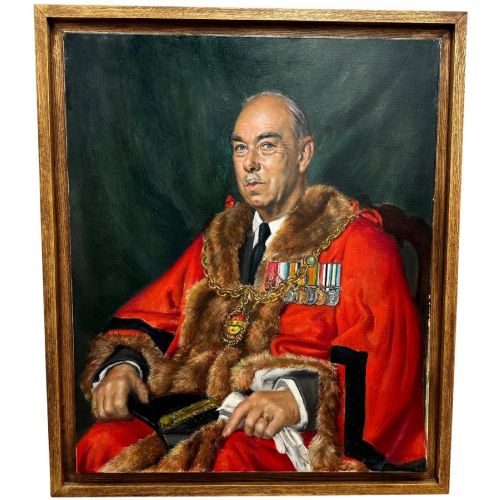
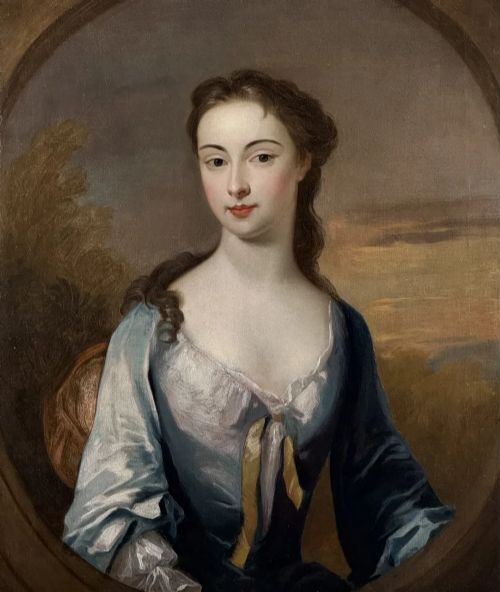
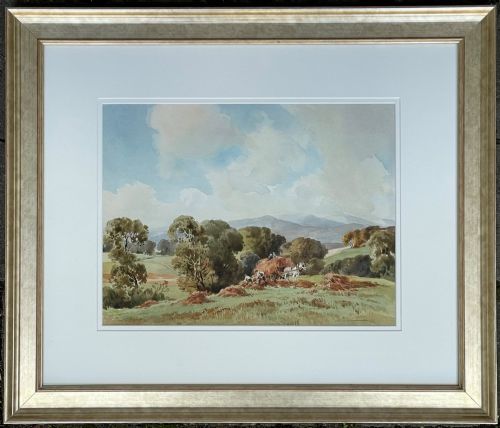
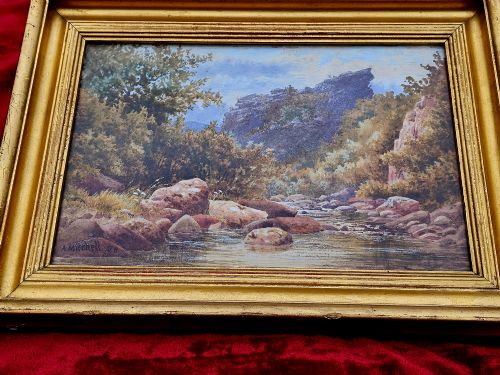
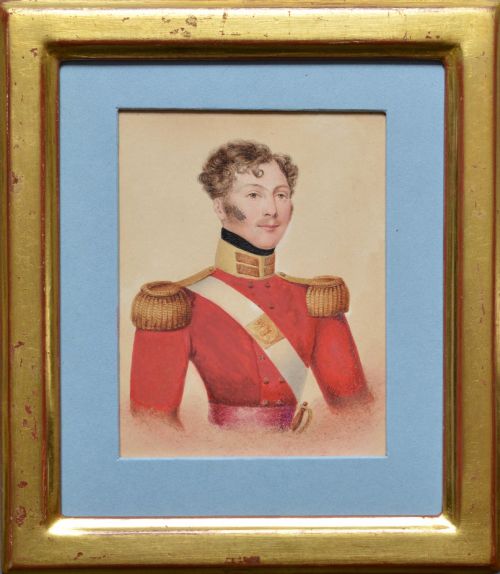
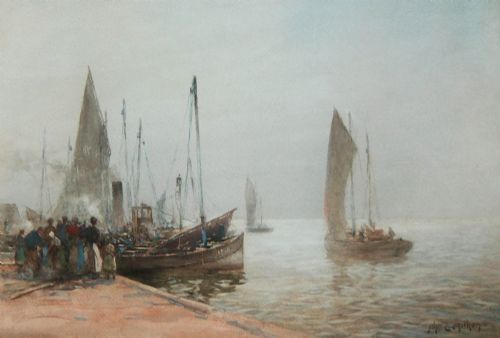
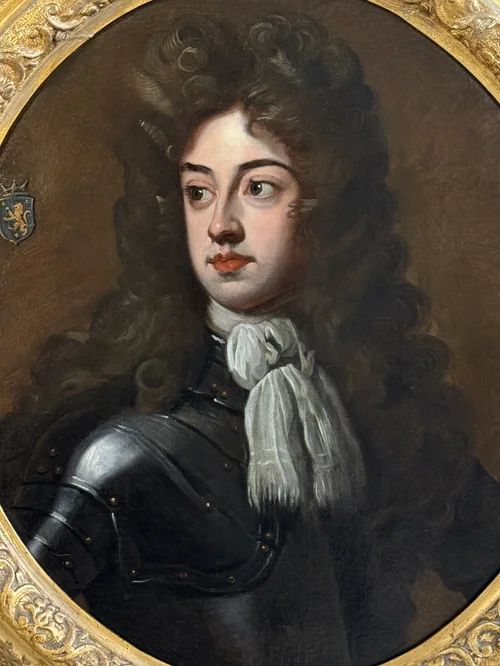
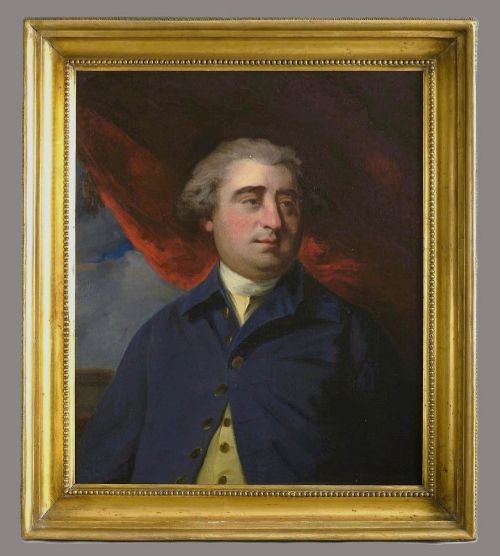
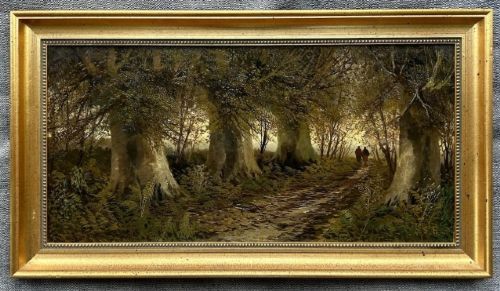
British school art covers centuries of domestic painting traditions, ranging from stately portraits to rural landscapes and coastal views. When exploring this phrase, buyers encounter everything from anonymous regional watercolours to ambitious oils attributed to named historical painters.
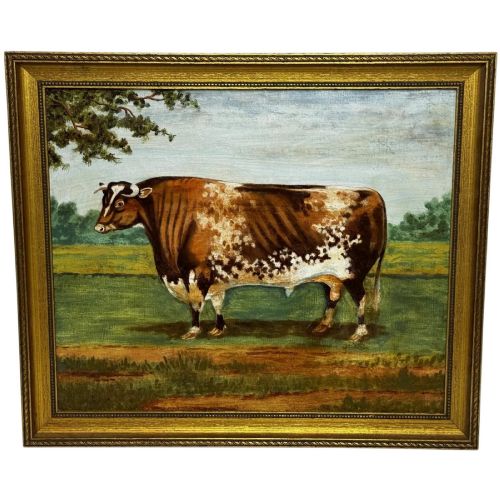
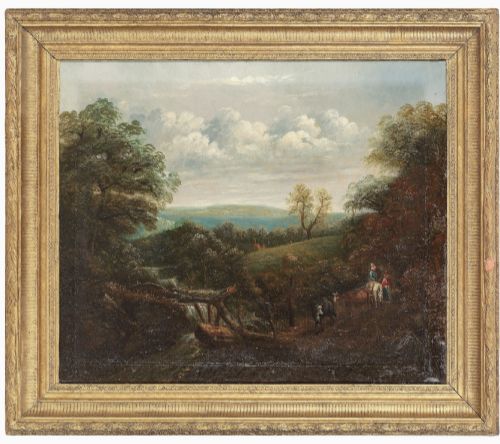
The selections span multiple eras, with nineteenth-century landscapes and eighteenth-century portraiture appearing frequently alongside twentieth-century works. These pieces typically manifest as framed wall art, oil paintings on canvas or wood panel, and delicate paper watercolours.
How they were made
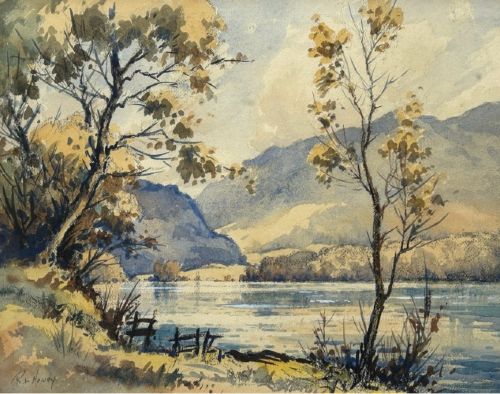
Artists relied primarily on oil paint applied to canvas, wooden panels or boards, building rich textures and deep tones over time. Watercolours on paper served equally well for swift topographical studies and finished landscape views.
Framing and mounting varied by period, utilising carved wood and gilded surrounds for formal portraits while simpler wooden frames protected domestic watercolours and regional oil sketches.
What varies in quality
The distinction between standard decorative works and masterworks rests upon the confidence of the brushwork and the precision of the subject's anatomy. Superior examples demonstrate a careful handling of light and shadow, particularly in facial expressions and atmospheric skies.
Provenance and attribution also divide the range, as pieces linked directly to academy artists or documented studios command greater historical interest than anonymous regional student studies.
George Fotherly Hargitt·Tom Campbell·Charles Jervas·Sir Godfrey Kneller·Sir Joshua Reynolds
The British School Art Glossary
- British School
- A designation given to works created by artists working in Britain or within British artistic traditions, often used when the specific hand is anonymous.
- Oil on Canvas
- A traditional painting technique utilising pigments suspended in drying oils applied to a stretched fabric surface.
- Watercolour
- A painting method where water-soluble pigments are applied to paper, favoured for preparatory sketches and finished landscapes alike.
- Portrait Miniature
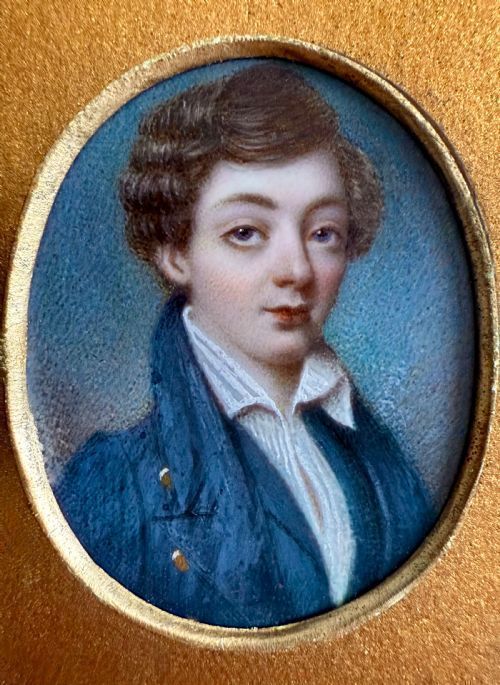
- A small, highly detailed painting, usually depicting a specific person, popular across the Georgian and Victorian eras.
British School Art: Frequently Asked Questions
What defines British school art?
This category includes paintings and watercolours produced within the British artistic tradition by both named masters and anonymous practitioners.
The works reflect shifting domestic tastes and regional styles across several centuries of creative output.
How do I care for antique watercolours?
Paper watercolours require protection from direct sunlight to prevent fading and yellowing over extended periods.
Keeping them away from damp environments ensures the paper and pigments remain stable within their frames.
Are these paintings usually framed?
Many pieces retain period frames that complement the era in which the artwork was created.
Original surrounds help preserve the edges of canvases and paper works while adding historical context.
How are periods identified?
Dates are determined through stylistic markers, costume details, artist signatures and the physical composition of the canvas or board.
Archival records and framing methods further assist in placing an artwork within its correct century.