

British Pastoral Scene Artwork
British pastoral scene artwork captures the quiet rhythm of rural life through traditional depictions of fields, rivers, and livestock.
British Pastoral Scene Artwork
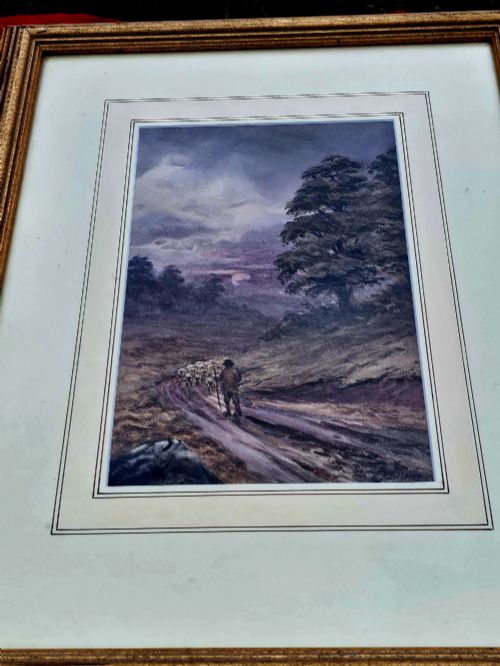
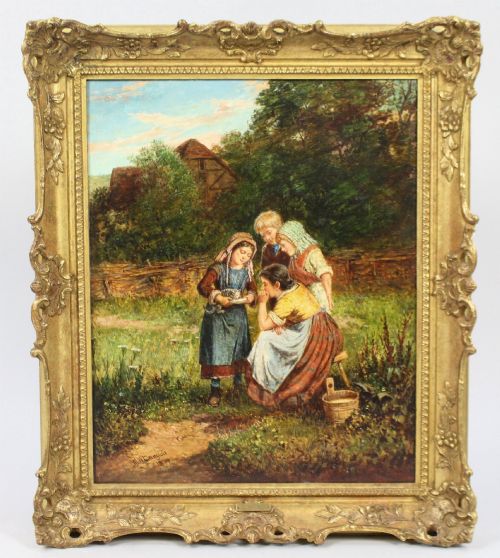
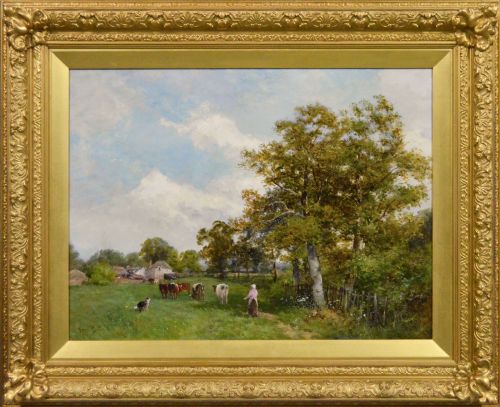
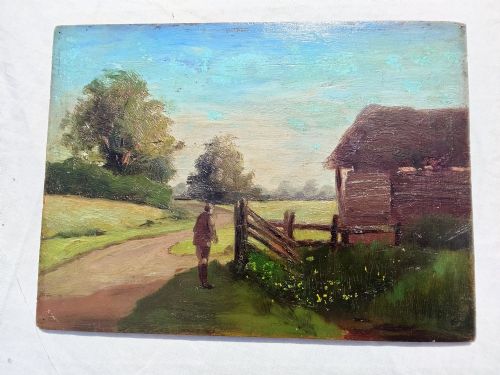
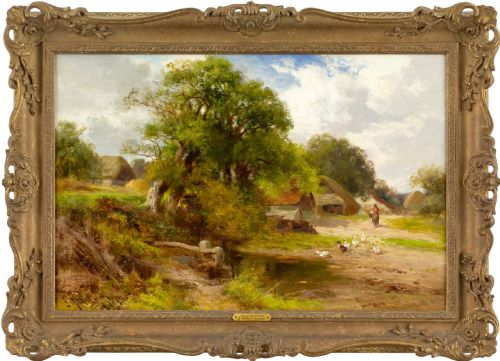
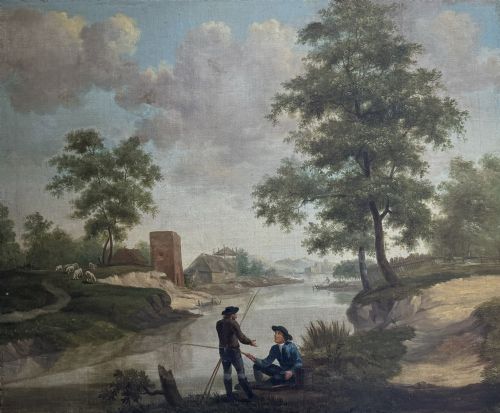
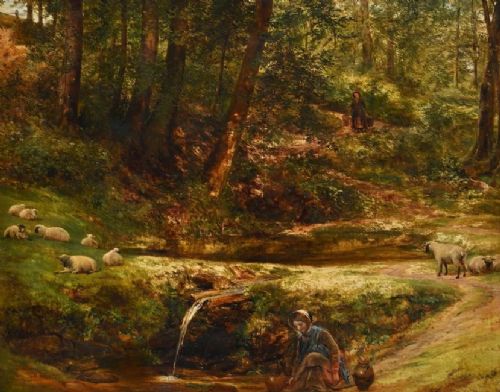
British pastoral scene artwork encompasses traditional paintings and works on paper that depict rural landscapes, agricultural labour, and domestic livestock across the countryside. These pieces record scenes of farming, riverbanks, and woodland with a focus on quiet, agrarian life.
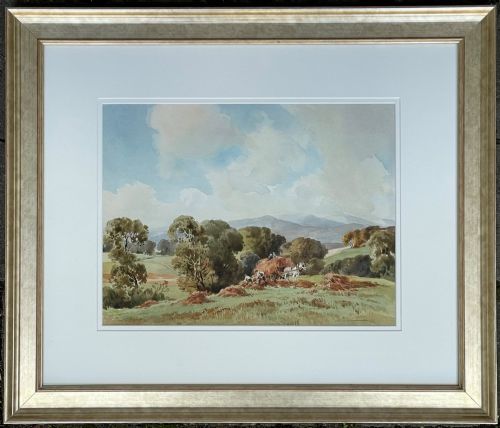
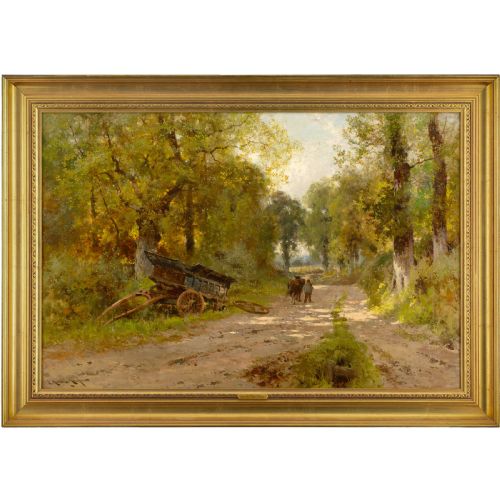
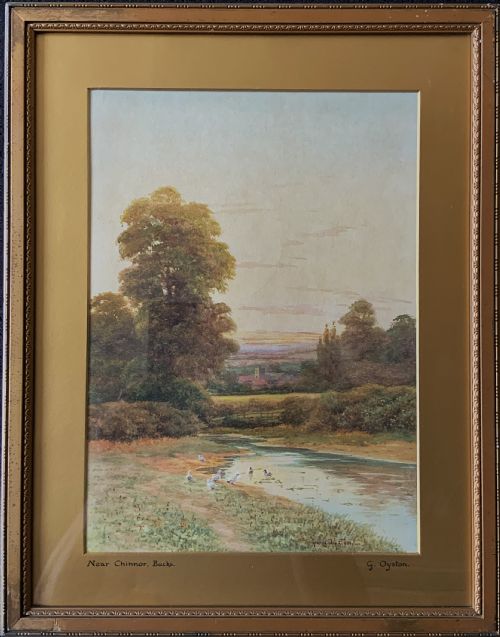
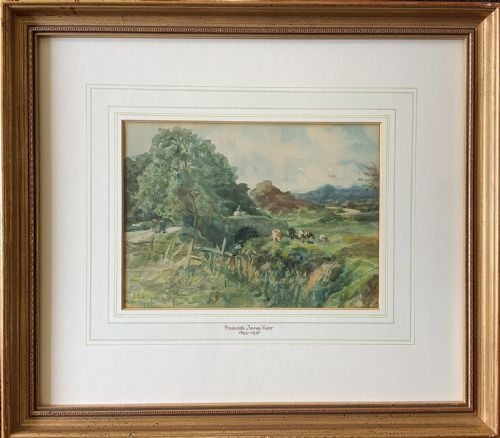
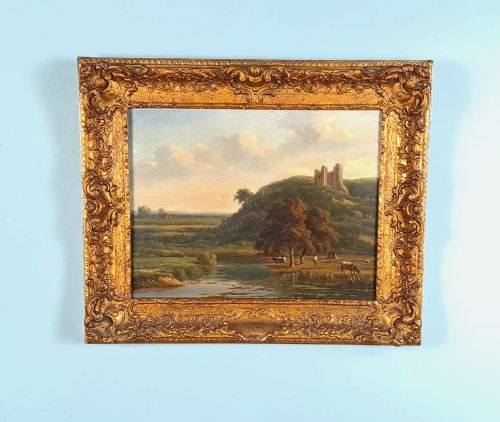
The versions most frequently met on this page date from the nineteenth and early twentieth centuries, spanning Victorian and Edwardian periods as well as British Impressionism and the English School. Common subjects include cattle herding, harvest time by the river, and thatched cottages set within rural valleys.
How They Were Made
Artists working within this tradition utilised oil paint applied to canvas, wooden board, or paper, capturing natural light and atmospheric depth across the countryside. Watercolour was equally common for softer, more fluid depictions of river landscapes and upland pastures.
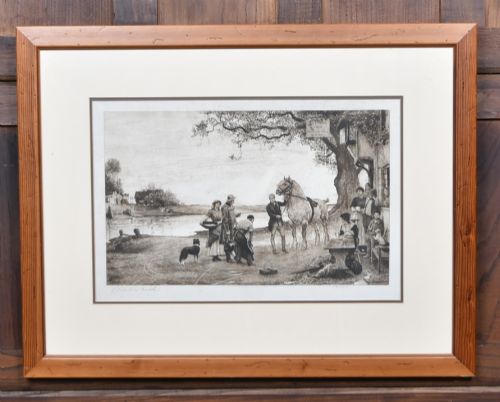
Framing often utilised traditional timber mouldings, sometimes retaining original glass and gilt surrounds that complement the period of the painting. Etchings and works on paper provided alternative methods for recording detailed rural topography.
British Pastoral Scene Artwork Retail Price Guide 2026
Typical asking prices for british pastoral scene artwork among the pieces listed under this phrase on Sellingantiques today, from the lower quarter to the upper quarter. They describe what is for sale here now, not the wider market.
Listings feature works spanning the nineteenth and early twentieth centuries, executed in oil, watercolour, and etching.
What Varies in Quality
Quality rests upon the artist's handling of light, brushwork, and the anatomical accuracy of figures and livestock within the composition. Stronger works demonstrate a confident command of atmosphere and perspective that elevates a standard topographical view into a compelling narrative.
The condition of the pigment and support remains vital, with superior examples preserving their original surface texture and colour without excessive restoration. Original framing and clear provenance further distinguish the most accomplished works.
William H Myers·Percy Lancaster·James Smetham·John Horace Hooper·William Joseph Shayer Senior·EJ Letheren·Mark William Langlois·David Bates·Robert W Macbeth·George Oyston·Frederick James Kerr·T C Hofland·Henry H Parker·Thomas Baker of Leamington·Ernest Higgins Rigg·John Sanderson Wells·Henry John Kinnaird·Owen Bowen·Frederick Septimus Lewis·Ernest Pile Bucknall·Robert John Hammond·Frederick James Knowles·Robert Thorne Waite·John Atkinson·Walter J Watson
The British Pastoral Scene Artwork Glossary
- Oil on Canvas
- Pigment suspended in drying oil applied to a stretched cloth support. This technique allows for rich colour blending and textured brushwork.
- Watercolour
- A paint consisting of transparent pigment suspended in a water-based solution applied to paper. It yields luminous washes suited to atmospheric skies and rivers.
- English School
- A classification for artists working within British artistic traditions rather than a formal academy. It links diverse practitioners through shared regional subjects.
- Pastoral
- A genre focusing on the rural life of shepherds, farmers, and agricultural labourers. It presents an idealized or traditional view of the countryside.
- Etching
- A printmaking process where acid cuts into unprotected parts of a metal plate to hold ink. It produces fine, detailed lines ideal for rural scenes.
British Pastoral Scene Artwork: Frequently Asked Questions
What subjects appear in these artworks?
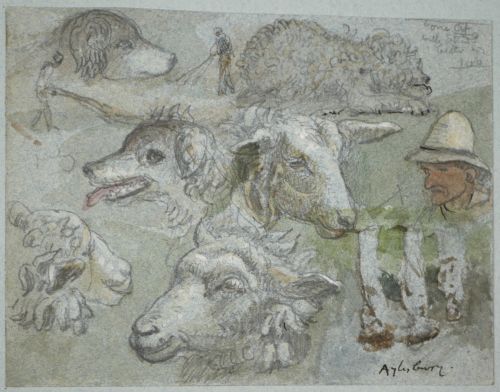
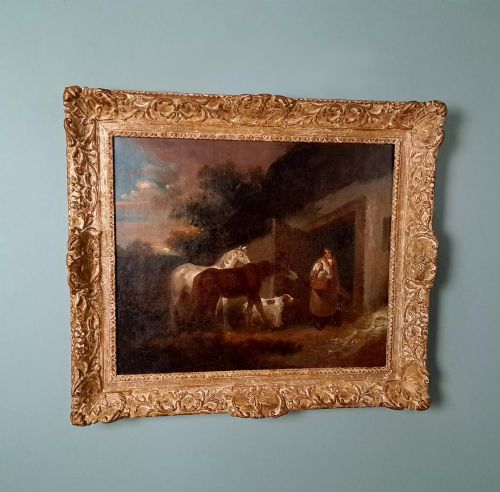
These pieces typically feature agricultural labourers, cattle, sheep, and horses working or resting in the British countryside. Rivers, woodlands, and thatched cottages also recur frequently across the compositions.
Artists focused on recording the changing seasons and daily routines of rural communities, particularly harvest scenes and riverbank views.
How do I date these pastoral paintings?
Dating relies upon artist signatures, exhibition records, framing styles, and the specific clothing or farming equipment depicted. Nineteenth-century works often exhibit traditional academic or realist techniques.
Later pieces from the Edwardian era and the early twentieth century introduce looser brushwork influenced by impressionism while retaining the traditional rural subject matter.
Where were these scenes usually painted?
Painters travelled across various British counties, recording specific rural locations such as the River Severn, Berkshire, Sussex, and North Wales. Local topography and regional waterways provided immediate inspiration for plein air studies.
Many works include descriptive titles noting exact towns, rivers, or counties to ground the pastoral scene in a real landscape.
How should I care for oil and watercolour pieces?
Oil paintings on canvas or board require stable indoor humidity and protection from direct sunlight to prevent cracking and fading. Keeping the surface clean from dust helps preserve the integrity of the pigment.
Watercolours on paper demand careful placement away from direct light due to the sensitivity of the pigments used in washes. UV-filtering glass and acid-free mounts offer essential protection for works on paper.