


British Pastoral Landscape Painting
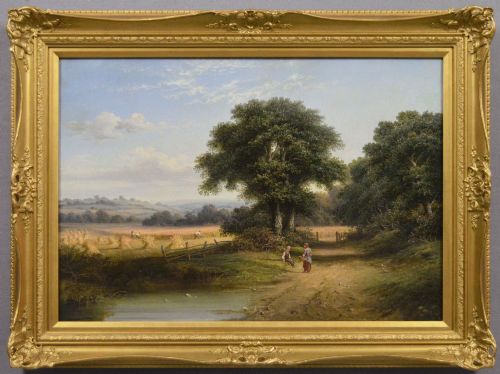
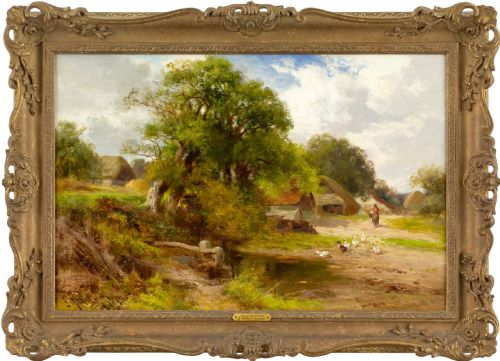
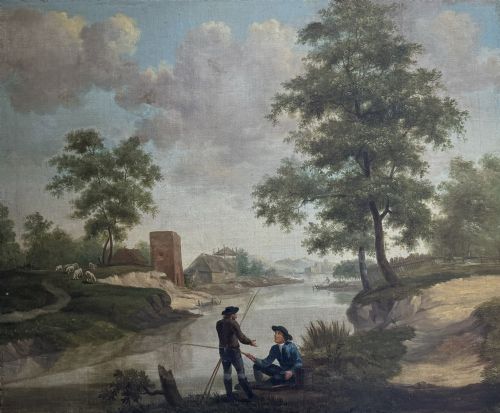
British pastoral landscape painting captures the quiet beauty of the countryside through scenes of riverbanks, harvest fields, and grazing livestock.
British Pastoral Landscape Painting
A british pastoral landscape painting depicts the traditional rural scenery of the British Isles, focusing on agriculture, river valleys, and quiet country lanes. Buyers explore this selection to find framed works that evoke the peaceful atmosphere of the nineteenth and early twentieth centuries.
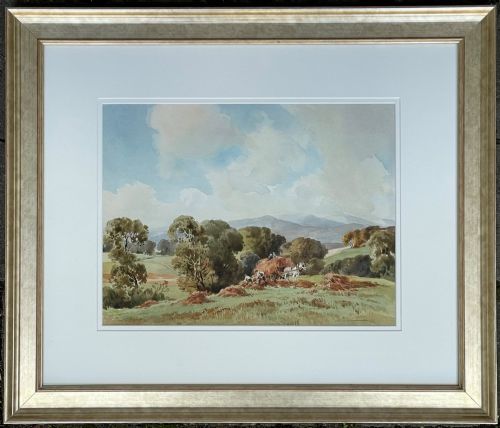
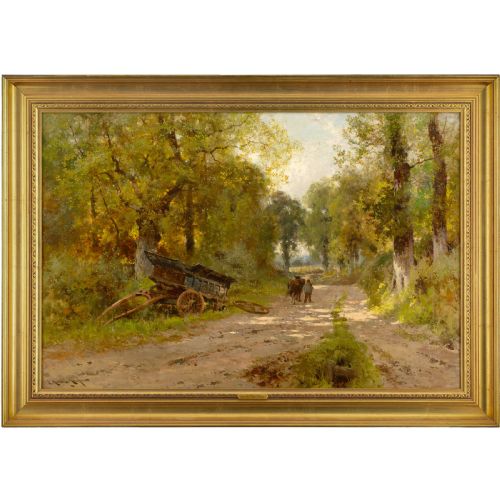
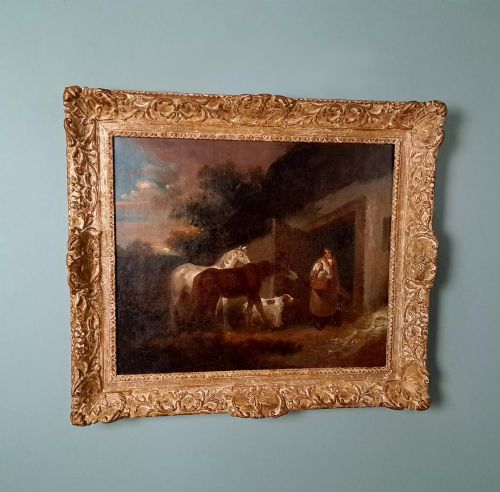
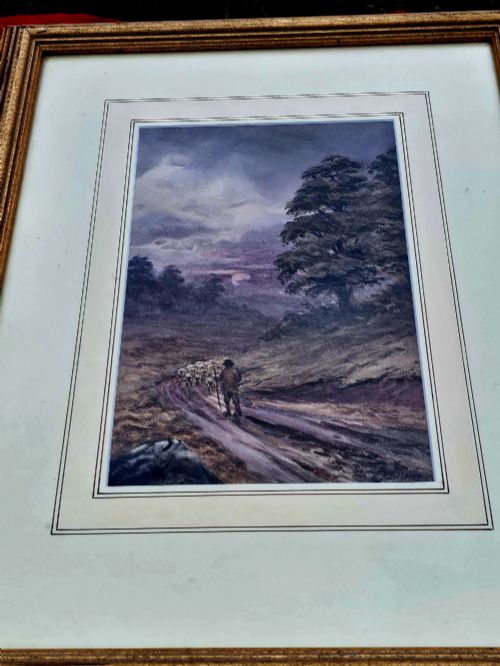
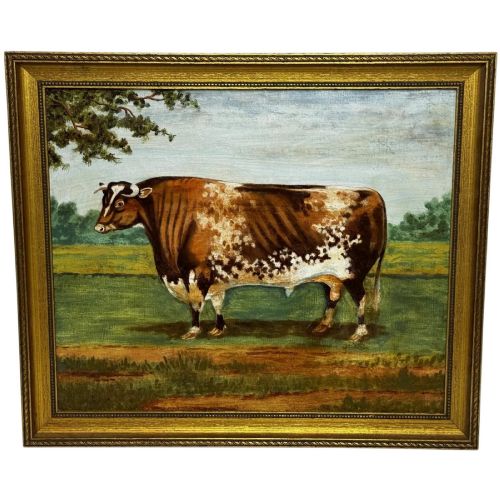
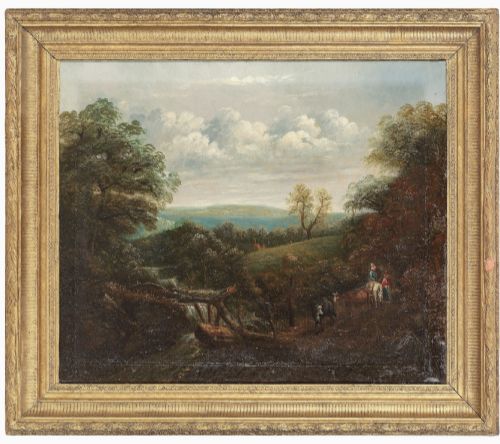
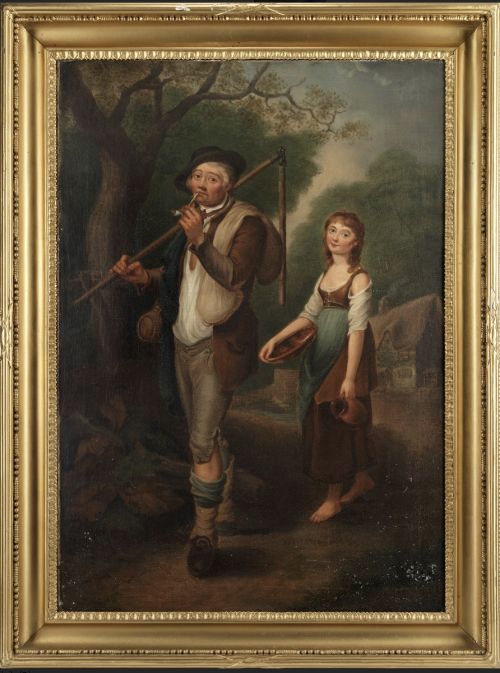
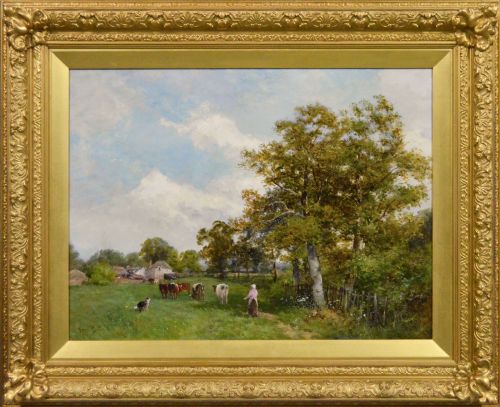
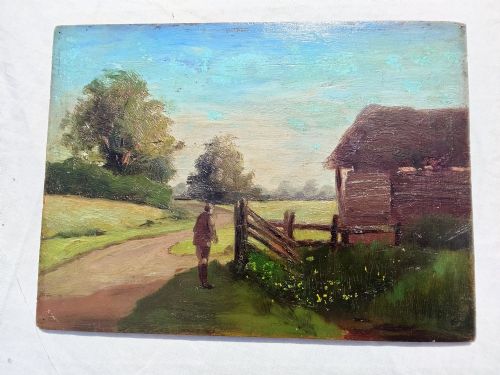
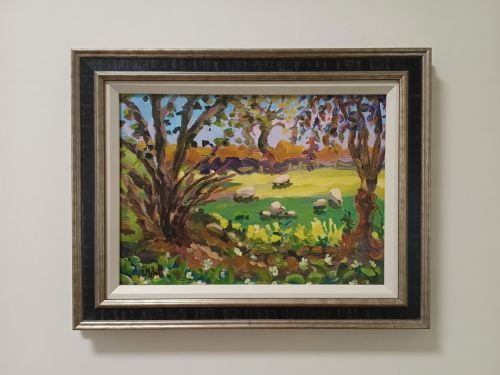
The most common examples on this page are oil paintings on canvas or wood panel, alongside delicate watercolours on paper. These pieces frequently feature figures working the land, cattle resting by water, or sheep gathered under willow trees.
The periods represented span the Victorian and Edwardian eras, stretching from the late eighteenth century into the early twentieth century. English and Scottish schools dominate the selection, reflecting a deep historical appreciation for local topography and agrarian life.
How they were made
Artists relied primarily on oil paint applied to stretched canvas or prepared wooden boards, building rich textures and deep tones. Watercolours on paper provide a lighter, more translucent alternative, often capturing open skies and gentle river views.
Traditional framing typically involved carved and gilded wood, which protected the edges of the canvas or paper while complementing the domestic interiors of the period. Pigments were skillfully layered to create naturalistic light effects, particularly in depictions of sunset and twilight.
British Pastoral Landscape Painting Retail Price Guide 2026
Typical asking prices for british pastoral landscape painting among the pieces listed under this phrase on Sellingantiques today, from the lower quarter to the upper quarter. They describe what is for sale here now, not the wider market.
The selection includes works executed in oil on canvas, oil on wood panel, and watercolour on paper, spanning the nineteenth and early twentieth centuries.
What varies in quality
The distinction between standard works and exceptional examples lies in the artist's handling of light, atmosphere, and natural proportions. Superior paintings demonstrate a confident command of brushwork, bringing vitality to foliage, water, and animal forms rather than relying on formulaic repetition.
Compositional balance and the specificity of the location also influence the standing of a piece. Works that capture authentic regional character with subtle tonal nuance command greater attention from collectors than generic rural scenes.
William H Myers·George Graham·Tom Campbell·Percy Lancaster·John Horace Hooper·William Joseph Shayer Senior·EJ Letheren·Thomas Barker of Bath·David Bates·Walter Heath Williams·Lucy Pratt·Richard Redgrave·Ernest Higgins Rigg·George Oyston·Frederick James Kerr·Russell Sidney Reeves·T C Hofland·Henry H Parker·Charles Edward Wilson·Frederick Hines·John Emms·AM Gauci·Owen Bowen·Oswald Garside·Margaret Maitland Howard
The British Pastoral Landscape Painting Glossary
- Oil on canvas
- A painting technique where oil-based pigments are applied to a woven fabric support stretched over a wooden frame. This method allowed artists to blend colours smoothly and rework areas over extended periods.
- Watercolour
- A painting method using water-soluble pigments on paper to create luminous, translucent washes of colour. It was frequently favoured for preparatory studies and outdoor sketching.
- Wood panel
- A rigid support made from timber used by painters before canvas became standard, and favoured later for its smooth surface. Panels offer excellent stability for detailed brushwork.
- British School
- A collective term used to describe artists working within the artistic traditions and stylistic conventions of Britain. It encompasses various regional movements from the eighteenth century onwards.
- Provenance
- The documented history of ownership surrounding an artwork, which helps establish its authenticity and historical background. Collectors value clear records that trace a piece back to its creation.
British Pastoral Landscape Painting: Frequently Asked Questions
What subjects appear in these paintings?
These works primarily feature rural British scenery, including agricultural fields, riverbanks, and wooded paths. Animals such as cattle, sheep, and draught horses frequently populate the foreground alongside figures engaged in farming or fishing.
Artists also recorded specific regional landmarks, coastal estuaries, and country cottages. The emphasis remains firmly on the quiet rhythms of traditional country life.
How do I care for an antique painting?
Keep paintings away from direct sunlight and sources of excessive heat to prevent the canvas from drying out or the pigments from fading. Maintaining a stable indoor environment protects both the paint surface and the wooden stretcher.
Dust the frame gently with a soft, dry cloth and avoid using liquid cleaners on the artwork itself. Professional conservators should handle any cleaning or repair work required on older canvases.
Are watercolours framed differently from oils?
Watercolours are painted on paper and require mounting behind glass to protect them from moisture, dust, and airborne pollutants. They are typically set within a card mount to prevent the paper from touching the glass directly.
Oil paintings on canvas or wood panel are traditionally displayed without glass, allowing the texture of the paint surface to remain visible. Their protective barrier is usually a layer of varnish applied directly to the cured paint.
How can I tell the period of a work?
Clues to the date often rest in the stretcher construction, framing materials, and the canvas substrate used behind the painting. Handwritten inscriptions on the reverse of the panel or canvas frequently record the title, date, or artist's name.
Stylistic elements, such as the clothing worn by figures or the specific landscape fashions of the era, also offer strong indicators. Comparing the technique to documented works by the same school helps narrow down the timeframe.