

British Narrative Painting
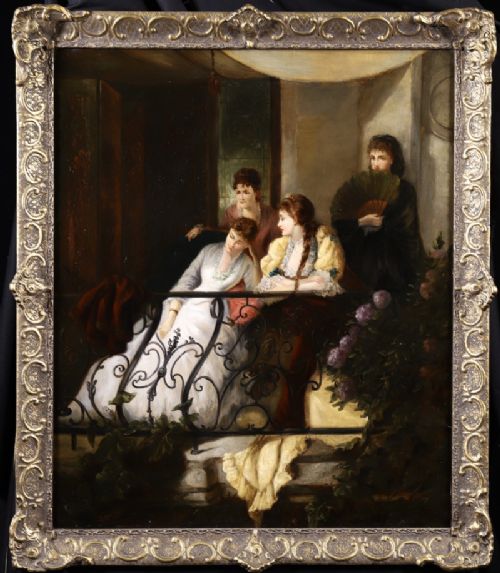
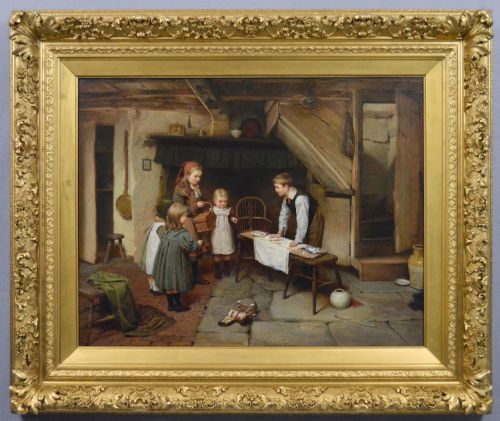
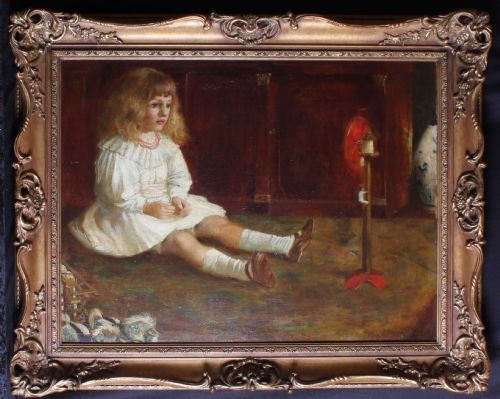
British narrative painting captures human stories on canvas, offering a direct window into domestic, historical and social scenes that defined past centuries.
British Narrative Painting
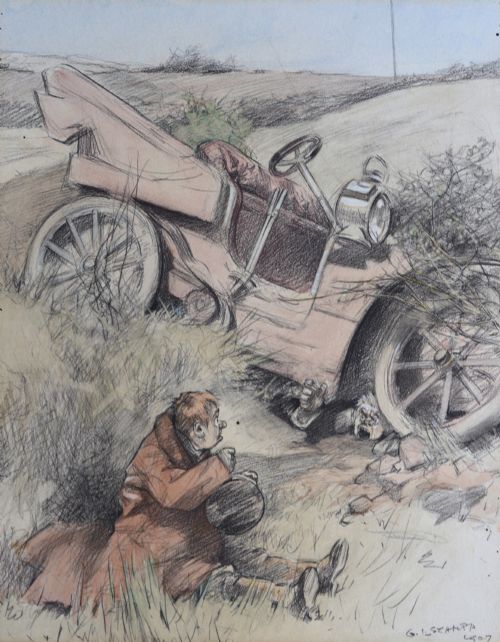
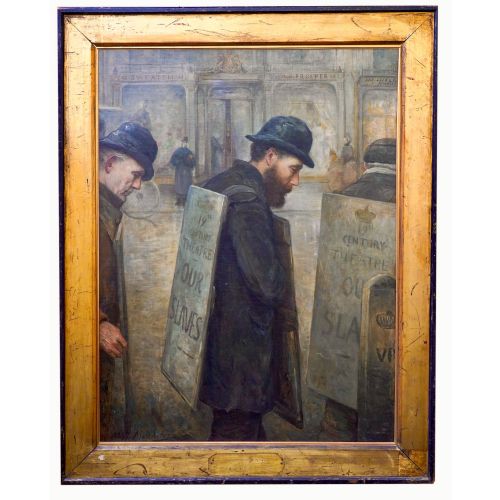
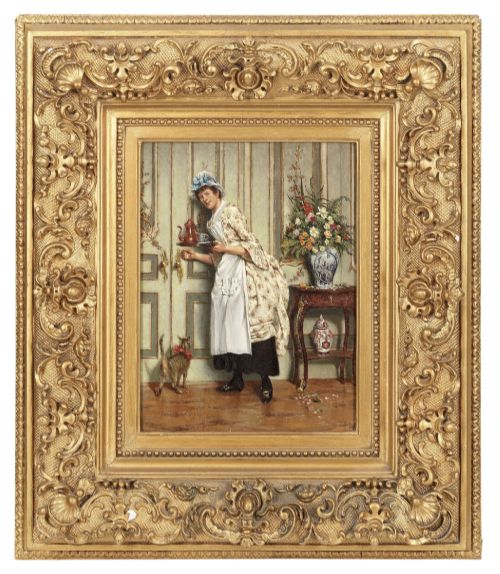
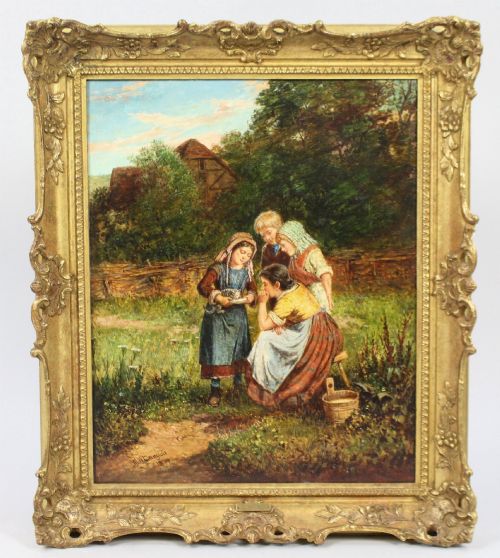
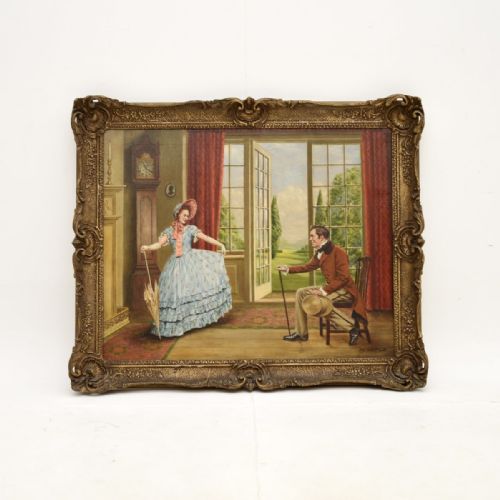
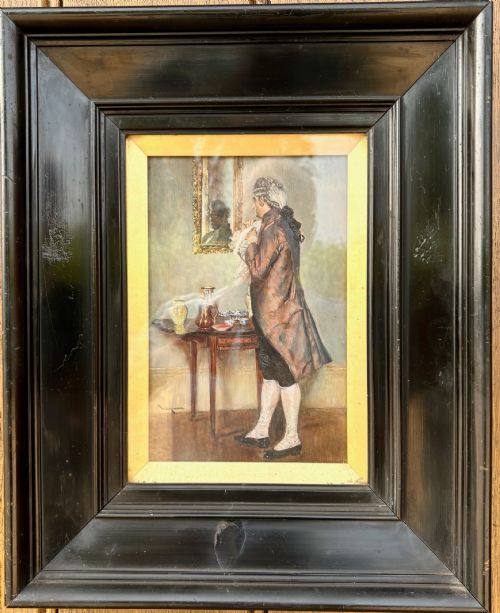
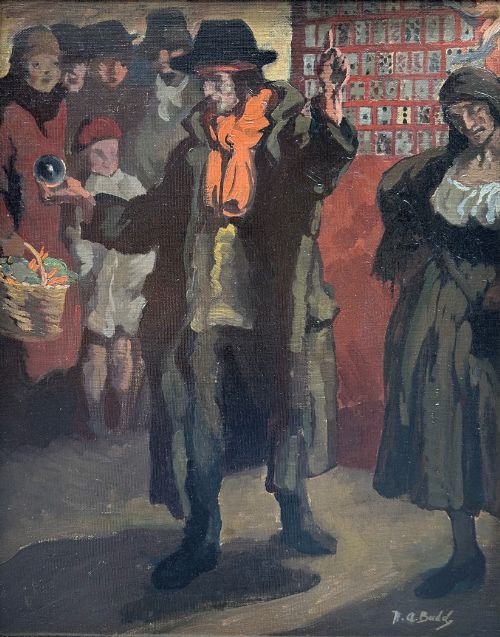
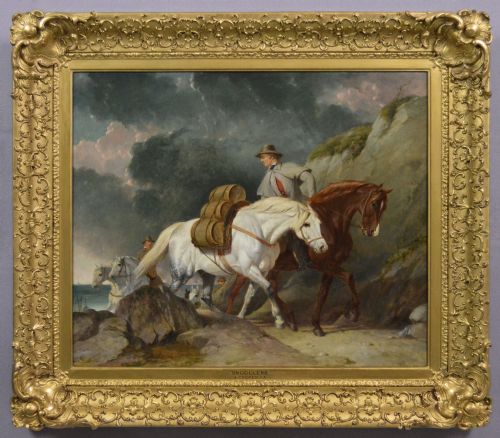
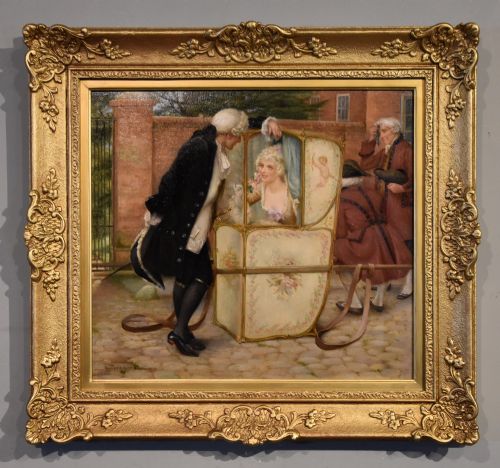
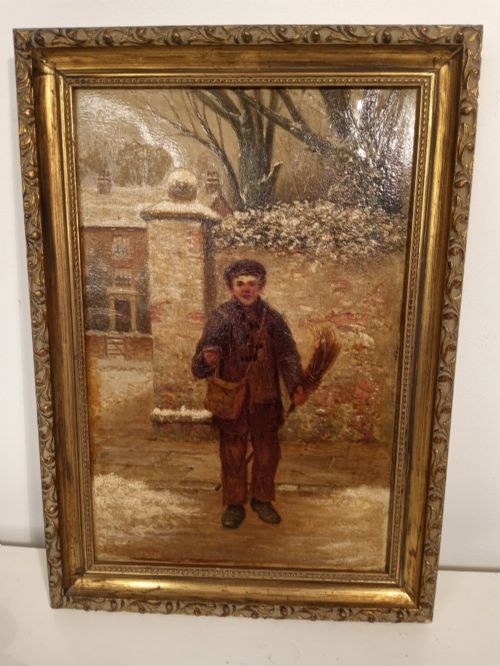
When you search for british narrative painting, you encounter figurative artworks that tell a specific story, ranging from quiet cottage interiors to bustling historical scenes. These pieces typically depict human interactions, daily domestic rituals, and moral or social anecdotes rather than simple portraits or landscapes.
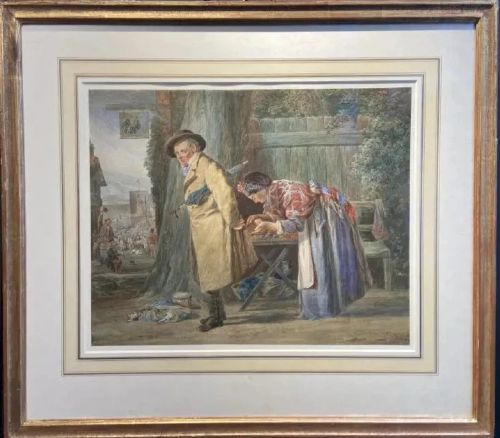
The versions most frequently met on this page date from the nineteenth and early twentieth centuries, encompassing Victorian genre painting, Edwardian watercolours, and social realism. Creators of these works focused heavily on narrative detail, capturing expressions, costumes, and interior furnishings that reveal the social dynamics of their era.
How They Were Made
Artists relied primarily on oil paint applied to canvas, panel, or board, building up rich layers of colour and shadow to create depth within domestic and historical settings. Many works also incorporated delicate watercolour on paper, particularly in pieces designed for intimate framing and detailed narrative expression.
Framing played an integral role in the presentation of these artworks, frequently utilising ornate gesso, giltwood, and gold leaf frames that enhanced the theatrical quality of the painted scenes. These traditional mounting techniques protected the fragile pigments while adding substantial physical presence to the finished piece.
Current listings feature nineteenth and early twentieth-century oil paintings on canvas, panel, and board alongside period watercolours.
What Varies in Quality
The distinction between tiers of these artworks lies in the precision of figurative draftsmanship and the expressive depth given to human faces and gestures. Superior examples manage complex multi-figure compositions with psychological clarity, whereas lesser pieces rely on rigid poses and formulaic expressions.
Material preservation and the handling of light also separate ordinary works from exceptional ones, with finer paintings demonstrating sophisticated control over interior illumination and atmospheric depth. The integrity of the original canvas, panel, and surface varnish directly influences how successfully the narrative visual energy survives.
Felix Stone Moscheles·Stephen Samuel Lewin·Mark William Langlois·Abraham Cooper·Ralph Hedley·Rolinda Sharples
The British Narrative Painting Glossary
- Genre painting
- Depiction of aspects of everyday life by portraying ordinary people engaged in common activities. These works form the core of narrative art by focusing on relatable human experiences.
- Giltwood
- Wood that has been covered with a thin layer of gold leaf or powder. This material frequently frames nineteenth-century oils to provide a reflective, ornate border.
- Social realism
- Artistic movement that highlights the everyday conditions of the working classes and poor. These paintings document contemporary social issues without idealisation.
- Gesso
- A paint mixture consisting of a neutral binder mixed with chalk, gypsum, or pigment. It served as a smooth preparation base for wooden panels and ornamented picture frames.
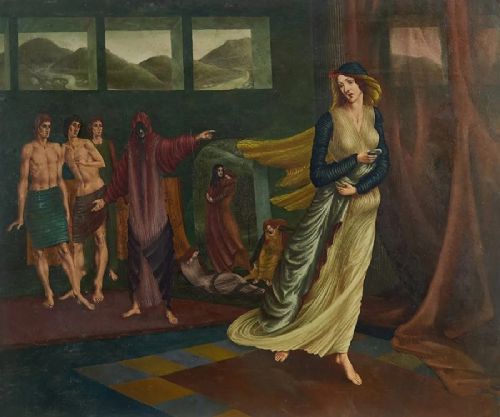
- Symbolism
- Late nineteenth-century movement using symbolic images and indirect suggestion to express mystical ideas, emotions, and states of mind. It appears in narrative works through allegorical themes.
British Narrative Painting: Frequently Asked Questions
What defines a narrative painting?
A narrative painting tells a distinct story through human figures, action, and setting rather than simply recording a landscape or a standard portrait.
These works often capture a specific moment in time, inviting the viewer to interpret the relationships and events unfolding within the composition.
How were these paintings displayed?
Nineteenth and early twentieth-century households typically displayed these artworks in principal living spaces like parlours, drawing rooms, and dining rooms.
Heavy, ornate giltwood frames helped integrate the paintings into the decorative schemes of substantial British homes.
How do I care for an oil painting?
Protecting an antique oil painting involves keeping it away from direct sunlight, damp environments, and rapid temperature fluctuations that can cause the canvas or panel to warp.
Dusting should be done gently with a dry, soft brush, avoiding any chemical cleaners or moisture on the paint surface.
What subjects are most common?
Domestic interior scenes, children playing, quiet tea rituals, and historical or literary moments dominate the subject matter found in these Victorian and Edwardian works.
Artists also frequently portrayed rural workers, coastal scenes, and moral anecdotes drawn from everyday British life.