

Regency Period Art
Regency period art comprises paintings, watercolours, and silhouettes that capture the distinct elegance of the early nineteenth century.
Regency Period Art
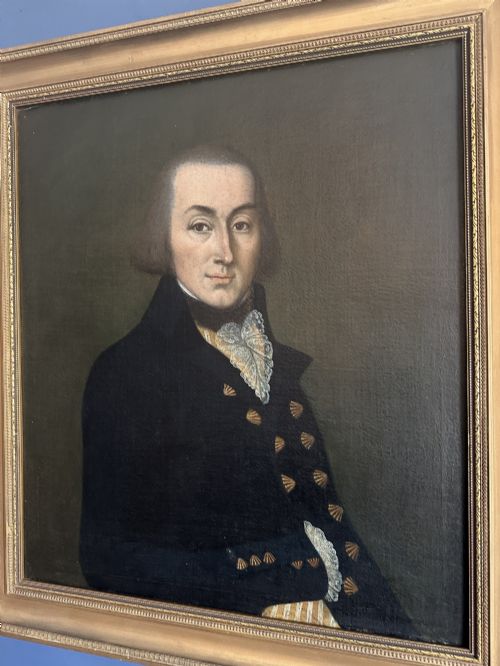
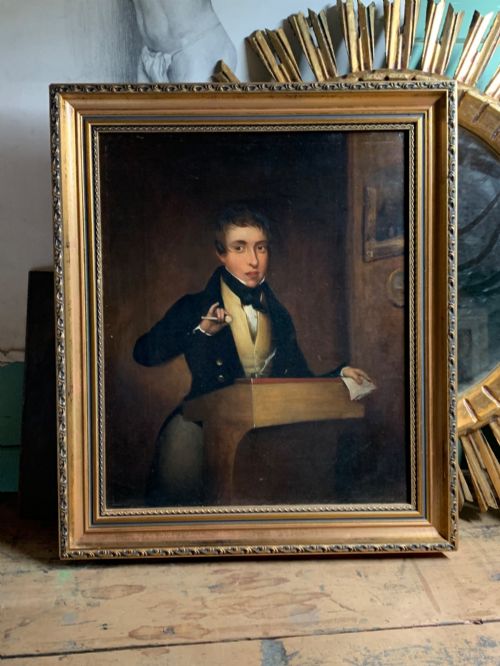
Regency period art encompasses works created during the early nineteenth century, including portrait miniatures, oil paintings on canvas and wood panel, and delicate watercolours. These pieces reflect the artistic output of the Georgian and Regency eras, spanning classical scenes, coastal landscapes, and genre subjects.
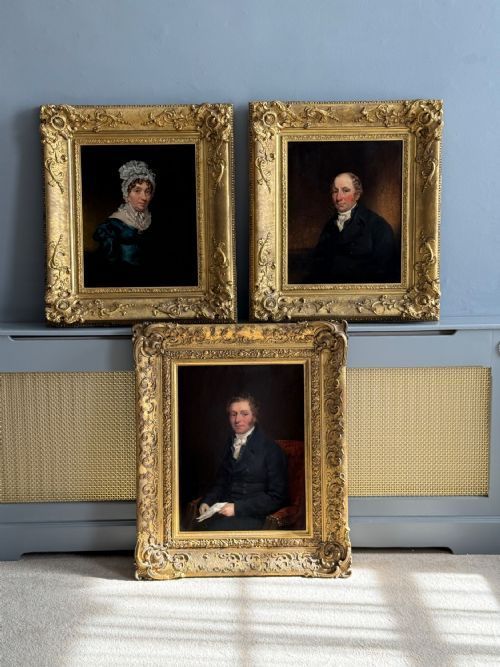
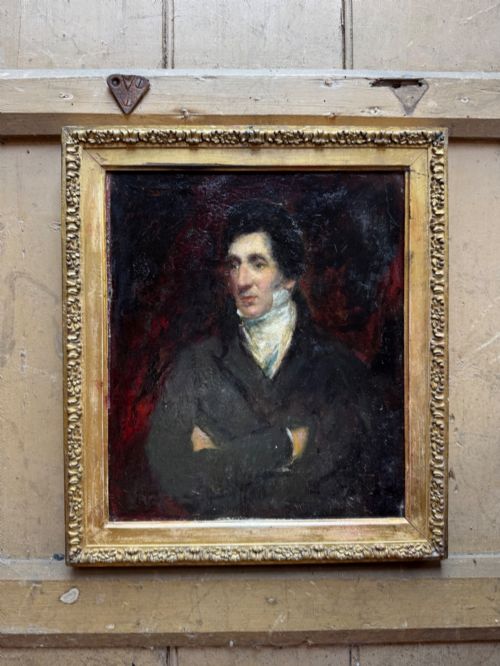
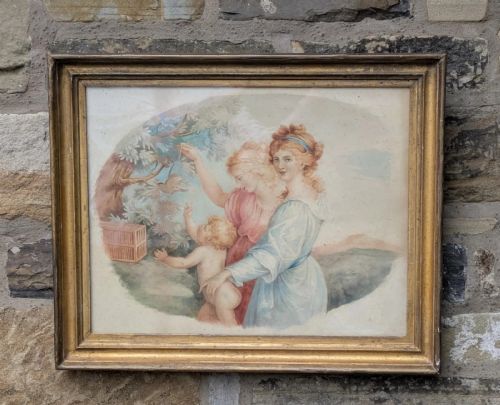
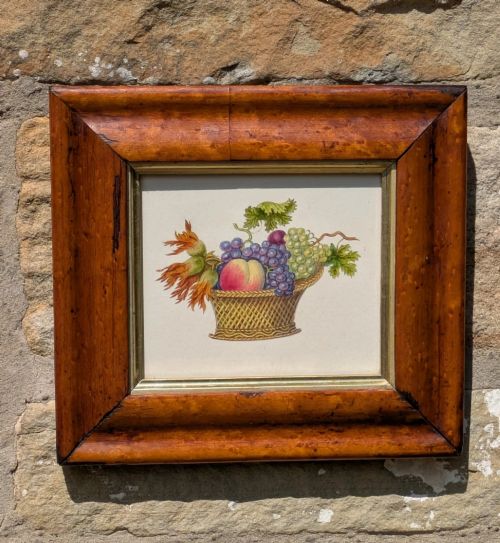
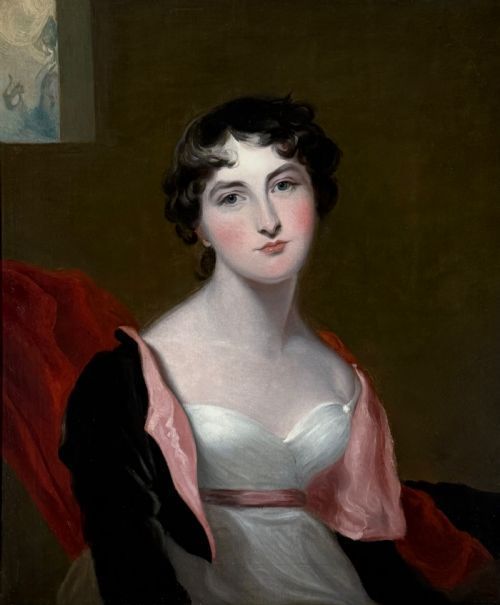
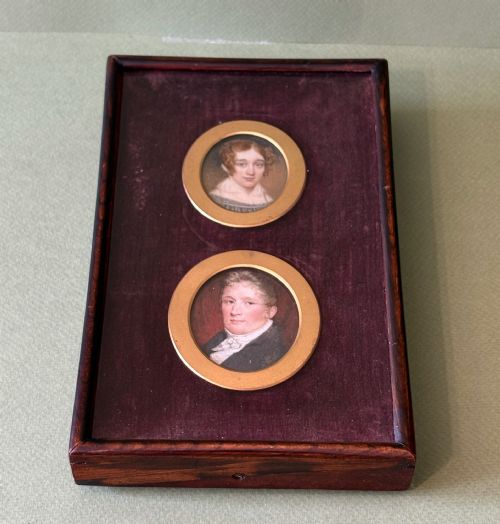
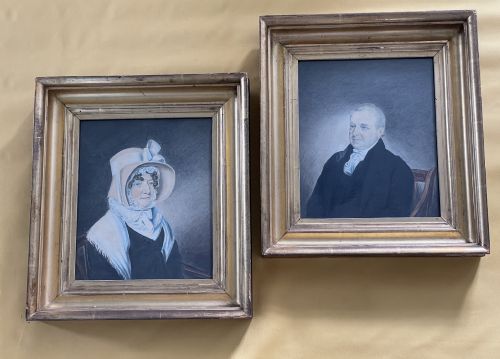
Buyers searching for regency period art frequently encounter intimate portraiture, such as framed miniature portraits and oil portraits of gentlemen and ladies. Watercolour studies and hand-coloured engravings also appear regularly alongside oil paintings on panel.
The materials and forms reflect the period's distinct visual culture, with artists working in watercolour, gouache, oil, and enamel on copper. Original frames, including ebonised wood and Hogarth frames, frequently accompany these surviving artworks.
How They Were Made
Artists of the period painted in oils on stretched canvas or prepared wood panels, utilising fine pigments to achieve detailed portraits and landscape scenes. Watercolour and gouache were applied to paper for intimate miniature portraits and classical studies.
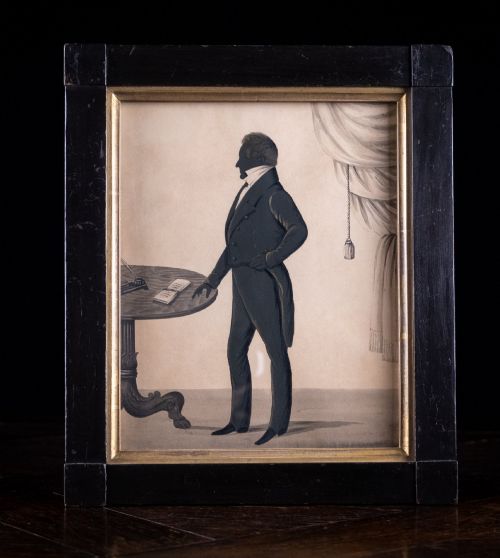
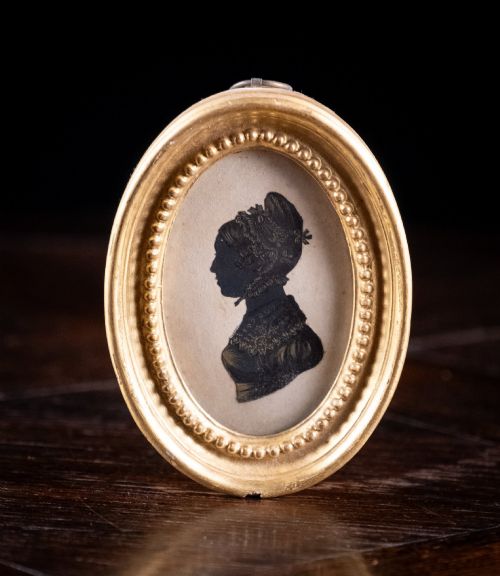
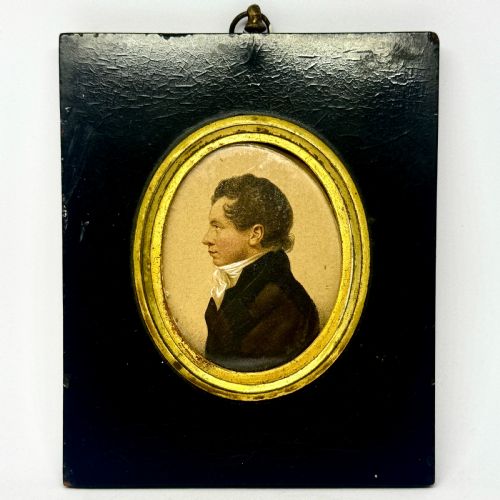
Silhouettes from this era involved painting directly on glass or gilding paper silhouettes, creating striking monochrome or highlighted profiles. Enamel plaques offered another medium, featuring hand-painted scenes fixed through firing.
Framing played a crucial role in presentation, with works housed in giltwood frames, ebonised surrounds, or original moulded wooden frames that complement the aesthetic of the period.
Listings feature works spanning the nineteenth century, with a strong concentration of pieces dated around eighteen hundred and the Regency period.
What Varies in Quality
The survival of original components, such as period ebonised frames, glass, and backing papers, adds considerable integrity to silhouettes and miniature works. Condition also depends on the stability of the canvas or panel and the absence of heavy overpainting.
Joseph Clover RA·Sir Thomas Lawrence PRA·Alfred Lyndon Grace·Charles Haigh Wood·John Augustus Atkinson·Emma Kendrick
The Regency Period Art Glossary
- Portrait Miniature
- A small, highly detailed painting, often executed on ivory, vellum, or card, capturing the likeness of an individual. These portable artworks were frequently worn or kept in private domestic spaces during the period.
- Giltwood
- Wood that has been coated with a thin layer of gold leaf or gilt gesso. Frames treated in this manner provide a reflective, ornate border for fine art.
- Silhouette
- A portrait profile filled in with a solid dark colour, typically black, or rendered in gold leaf. These profiles were cut from paper or painted onto card, glass, or plaster.
- Genre Painting
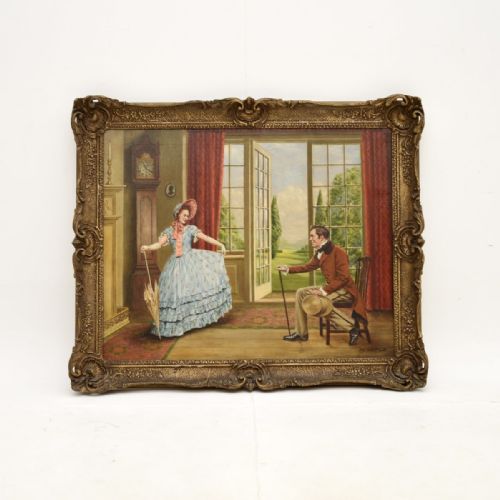
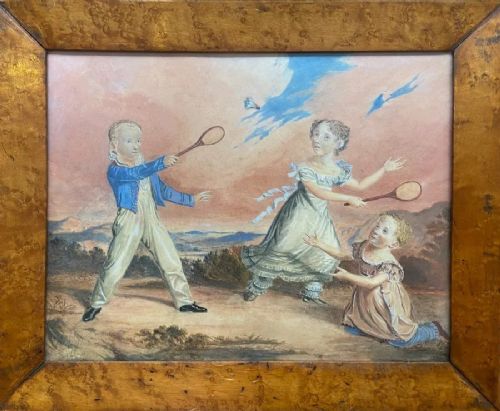
- The pictorial representation of scenes from everyday life, depicting ordinary people engaged in domestic or social activities. These works offer a window into the social customs of the nineteenth century.
- Hogarth Frame
- A distinctive narrow wooden picture frame with a profile that curves inward, popular during the eighteenth and nineteenth centuries for prints and drawings.
Regency Period Art: Frequently Asked Questions
What subjects are common in regency period art?
Portraiture dominates this category, ranging from large oil paintings of landed gentry to small watercolour studies of children and officers. Landscapes, coastal views, and domestic genre scenes also appear frequently.
Artists additionally recorded classical subjects and literary themes, reflecting the refined tastes of collectors during the early nineteenth century.
How do I identify a true period silhouette?
Authentic silhouettes from the era often feature delicate hand-painted embellishments in gold leaf, highlighting hair ribbons or lace collars. They are frequently housed behind convex glass within small ebonised or papier-mâché frames.
Examine the backing and materials to determine age, as nineteenth-century silhouettes utilise specific card stocks and adhesives distinct from later reproductions.
Were these artworks originally framed?
Many surviving pieces retain their original frames, which include giltwood mouldings, Hogarth frames, and deep ebonised wood surrounds. These frames were specifically chosen to complement the scale and tonal qualities of the artwork.
Original framing adds substantial character and confirms that the piece has remained intact since the early nineteenth century.
How should I care for watercolour paintings?
Watercolours and miniatures on paper require protection from direct sunlight to prevent the fading of delicate pigments. Keeping them in stable indoor humidity conditions preserves both the paper support and the surrounding frame.
Displaying these works away from direct heat sources ensures the conservation of sensitive binders and early water-based colours.