



British Maritime Landscape Art
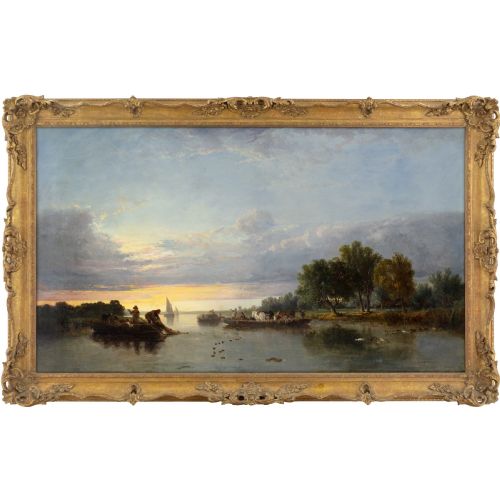
British maritime landscape art captures coastal harbours, tidal rivers, and open seas through historical paintings and watercolours.
British Maritime Landscape Art
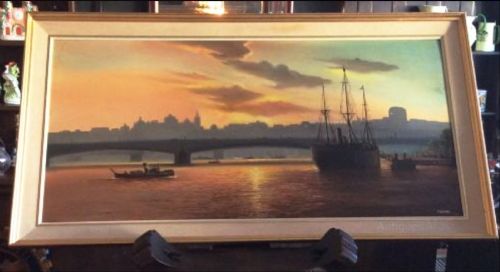
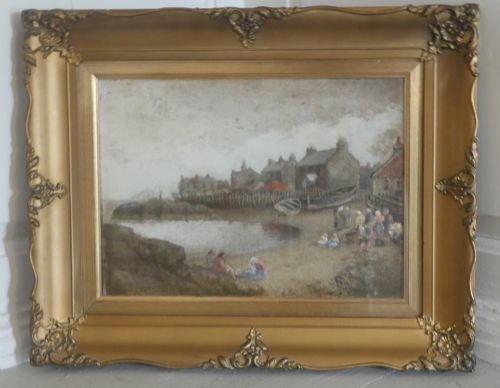
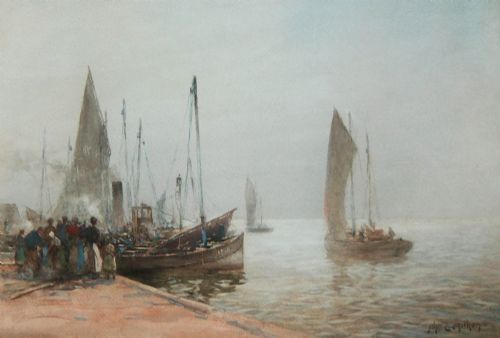
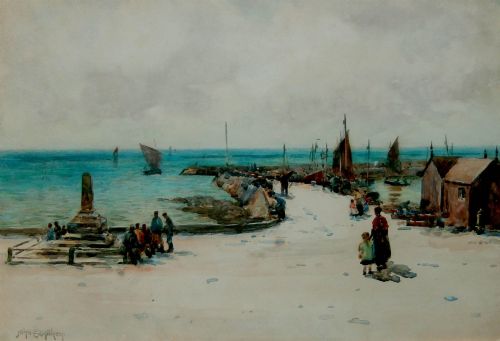
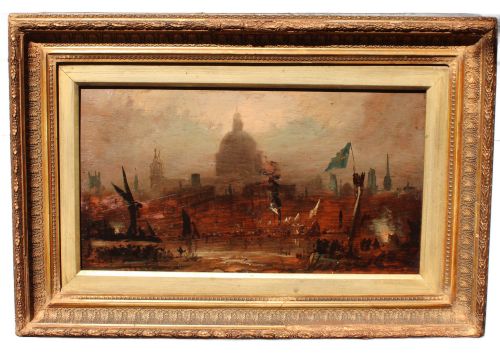
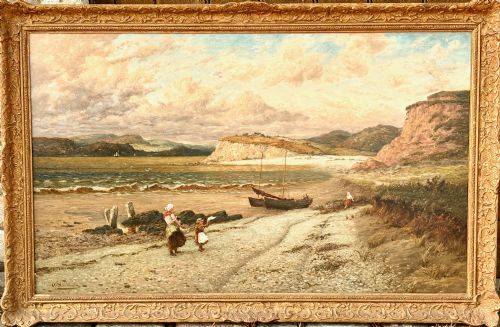
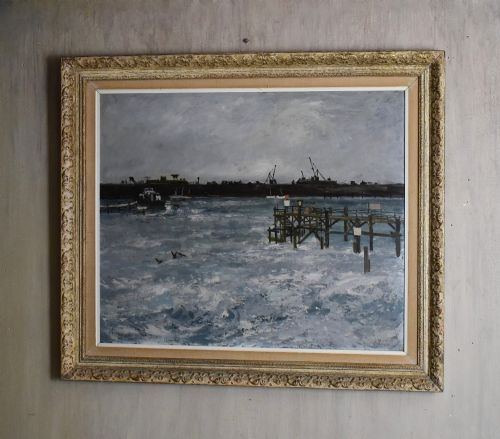
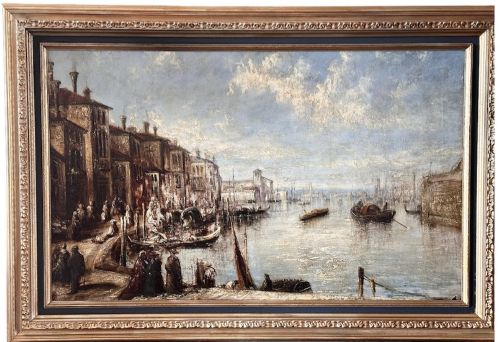
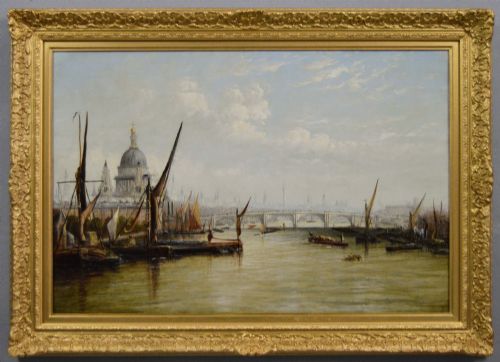
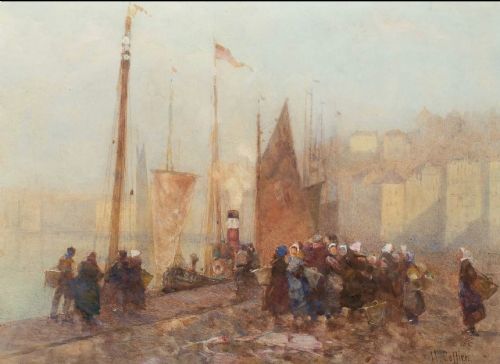
When you search for British maritime landscape art, you find historical depictions of coastal scenes, busy harbours, and tidal rivers spanning from the early nineteenth century into the mid twentieth century. The selection ranges from panoramic views of the Thames and Venetian waterways to quiet fishing ports in Cornwall, Yorkshire, and Scotland.
The most common formats on this page are framed oil paintings and watercolours on paper or board, encompassing Victorian coastal studies, Edwardian harbour views, and later Post-War interpretations. These works record maritime activity, shipping traffic, and changing coastal light across various British and international coastal locations.
How they were made
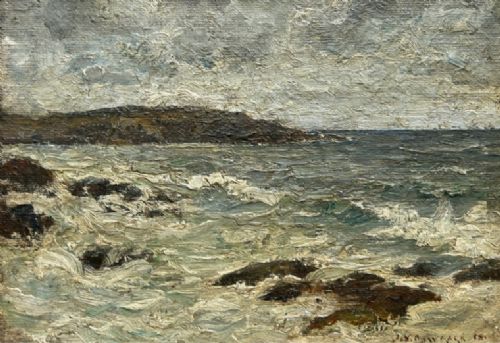
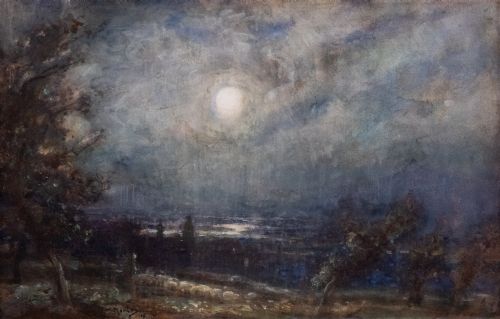
The physical works rely principally on oil paints applied to canvas, wood, or board, alongside watercolours rendered on heavy paper. Oil applications vary from smooth, traditional glazing to thick impasto strokes that build texture into stormy seas and rocky shorelines.
Watercolour pieces utilise fluid washes and fine brushwork to capture coastal atmosphere, often framed behind glass within traditional wooden or gilt frames. Many examples retain their original backing boards, signatures, and period framing materials.
Current listings feature works created on paper, wood, canvas, and gilt wood, spanning watercolours and oil paintings.
What varies in quality
Quality in these coastal paintings rests upon the artist's handling of light, water movement, and atmospheric perspective within the composition. Stronger works demonstrate confident brushwork and accurate topographical detail rather than rigid, formulaic rendering of water and sky.
The integrity of the medium also determines distinction, with well-preserved oil surfaces and unfaded watercolours representing the higher end of the range. Condition of the underlying support and the appropriateness of the framing further separate standard decorative pictures from accomplished artistic records.
James Orrock·Thomas William Morley·Francis Moltino·Bernard Benedict Hemy·Thomas Creswick·John Wilson Carmichael·Abraham Cooper·Henry Barlow Carter·George Stanfield Walters
The British Maritime Landscape Art Glossary
- Impasto
- Paint applied thickly to a canvas or board, leaving prominent brush or palette knife marks that stand out from the surface. This technique adds tactile dimension to waves, cliffs, and clouds.
- Seascape
- A work of art depicting the sea, coastal views, ships, or marine subject matter. These compositions focus on maritime environments rather than inland scenery.
- Watercolour
- A painting method where finely ground pigments are suspended in a water-soluble binder and applied to paper. It produces translucent washes suited to capturing shifting light on water.
- Gilt wood
- Wood covered with a thin layer of gold leaf or metallic gilding, commonly used for traditional picture frames. It provides a reflective border that isolates the painting from its surroundings.
British Maritime Landscape Art: Frequently Asked Questions
What periods do these paintings cover?
The available works span from the early nineteenth century through the Victorian and Edwardian eras, extending into the mid twentieth century. This timeline covers shifting artistic movements from traditional maritime realism to British Impressionism and Post-War styles.
Most items originate from the nineteenth and early twentieth centuries, reflecting a period of intense maritime trade, coastal development, and topographical painting across Britain.
How do I identify a watercolour from an oil painting?
Watercolours are executed on paper, typically displayed behind glass to protect the delicate pigments from moisture and handling. They display translucent washes and fine linework where the texture of the paper remains visible beneath the paint.
Oil paintings utilise heavier binders on canvas, wood panels, or rigid board, creating an opaque surface that can be textured with raised paint layers. Oils are rarely framed behind glass unless required for specific conservation purposes.
Where were these coastal scenes usually painted?
The subjects cover working ports, fishing villages, and river navigation points across the British Isles, including Cornwall, Yorkshire, the Isle of Man, and the River Thames in London. Selected works also depict international locations visited by British artists, such as Venetian canals and European coastal anchorages.
These locations represent historical hubs of maritime activity, boatbuilding, and coastal trade that attracted landscape painters seeking dynamic water and shipping subjects.
How should I care for a antique watercolour?
Antique watercolours require protection from direct sunlight to prevent the fading of fugitive pigments on paper. They should be hung in stable environments away from high humidity and sudden temperature fluctuations.
Maintaining the protective glass and ensuring the backing materials remain acid-free will preserve the paper support and prevent yellowing over time.